





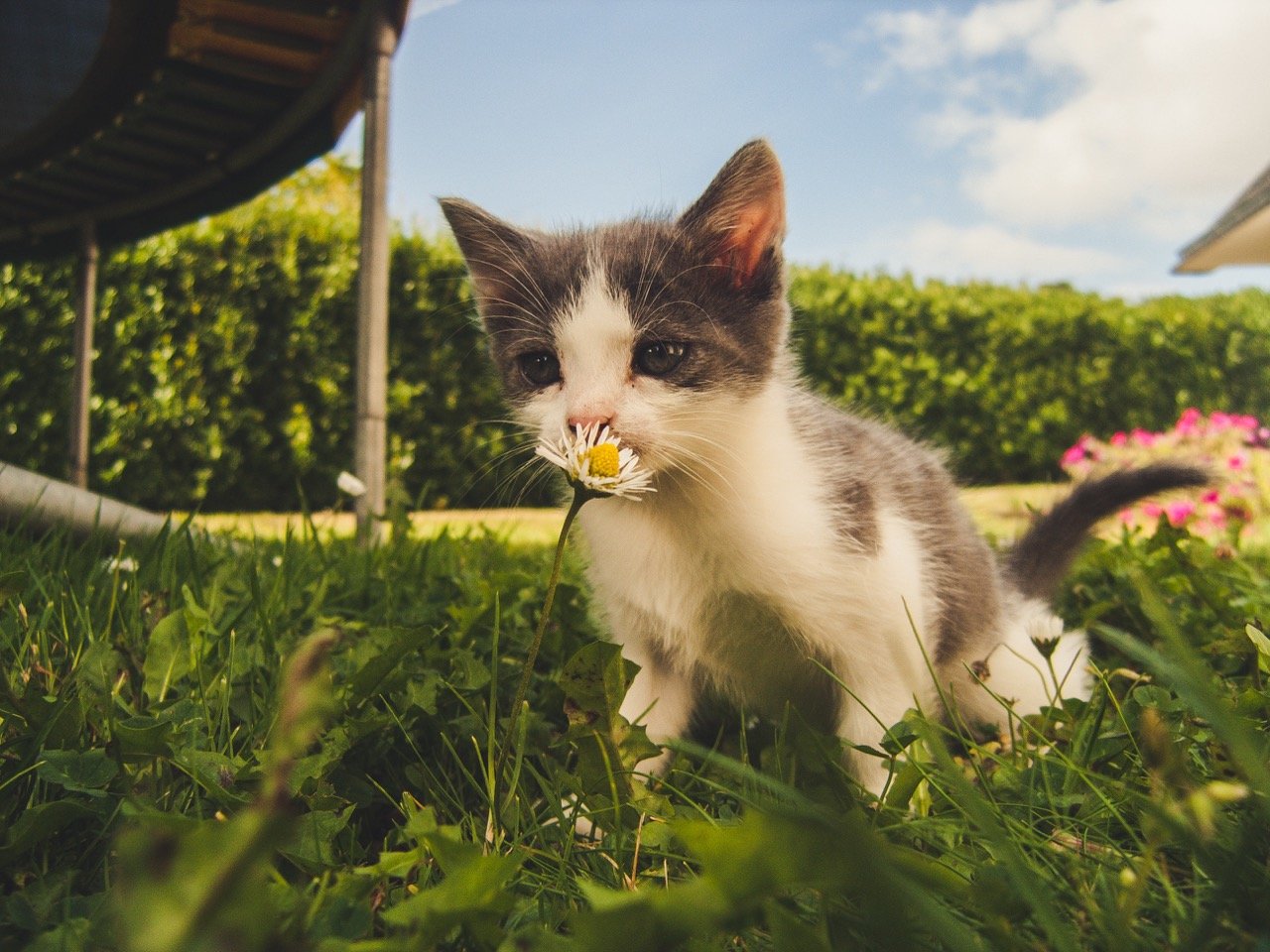

Introduction Cats look familiar, but they are full of small surprises. One moment they are curled up like a warm loaf, and the next they are sprinting down a hallway as if they heard a secret signal. Learning a few solid facts about how cats sense the world, communicate, and evolved alongside humans makes their behavior feel less random and a lot more fascinating. If you have ever wondered why a cat stares at you, chirps at a window, or insists on sitting on your laptop, science and history have some answers.
Senses: built for hunting at dawn and dusk A cat’s eyes are designed for low light. They have a reflective layer behind the retina that helps them make the most of dim conditions, which is why their eyes can seem to glow when light hits them at night. Cats also detect motion extremely well, an advantage for spotting quick prey. Their hearing is equally impressive, tuned to high pitched sounds that small animals make. Add in whiskers, which are not just decoration but sensitive touch sensors. Whiskers help cats judge gaps, detect air movement, and navigate in the dark without bumping into things.
Communication: more than meows Cats communicate with a mix of body language, scent, and sound. The tail is a big clue: a relaxed upright tail often signals friendliness, while a puffed tail can mean fear or arousal. Slow blinking is commonly seen during calm social moments and is often interpreted as a friendly signal. Purring is usually linked to contentment, but cats may also purr when stressed or in pain, possibly as a self soothing behavior. Meowing is especially interesting because adult cats rarely meow at each other; many meows are directed at humans, shaped over time into an effective way to get attention.
Anatomy and athleticism: small predator design Cats are specialists at short bursts of speed and precise movement. Their flexible spine and powerful hind legs support jumping and rapid acceleration. Retractable claws help keep the tips sharp for climbing and gripping. The rough tongue, covered in tiny backward facing barbs, acts like a built in brush for grooming and helps strip meat from bones. Even their collarbones are different from ours; they are not rigidly attached in the same way, which contributes to a cat’s ability to squeeze through tight spaces, though the idea that they can fit anywhere their head fits is not always reliable.
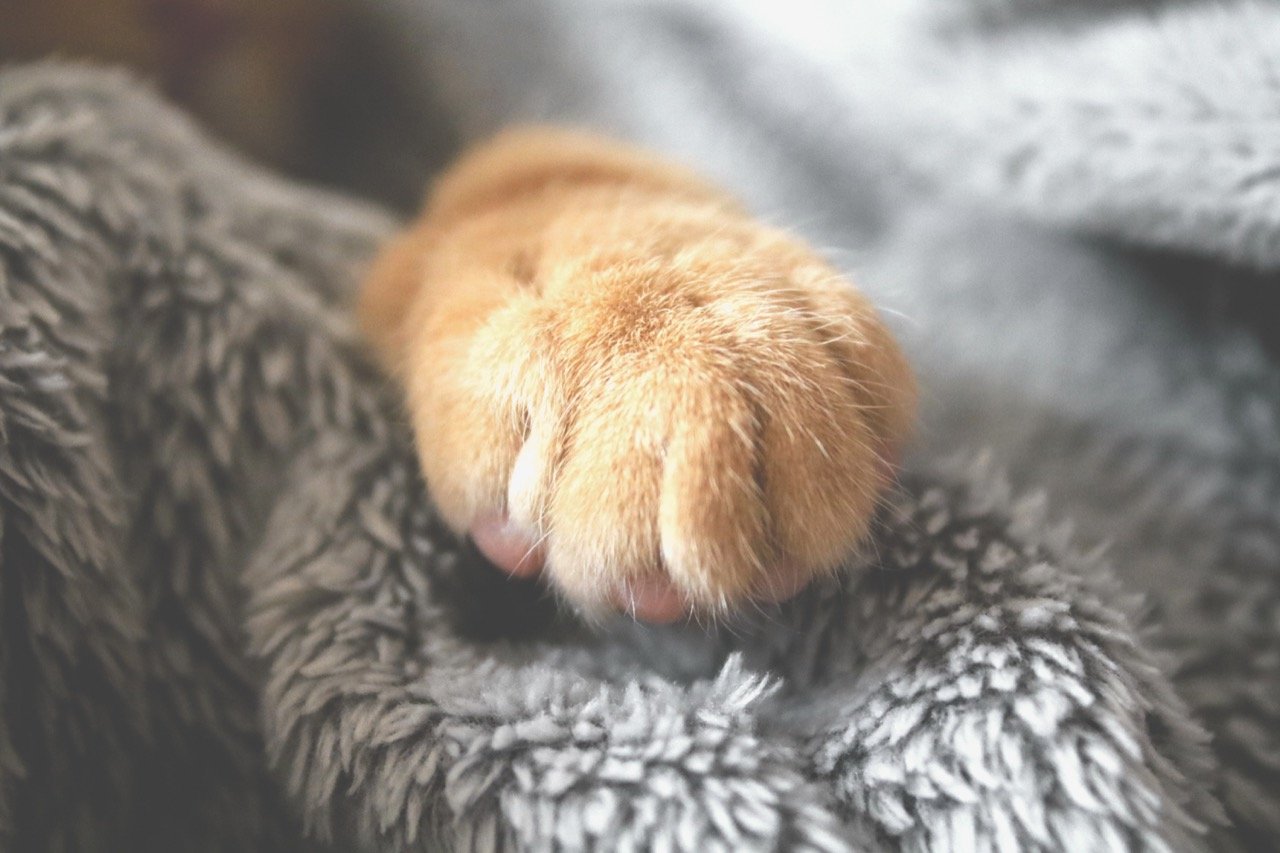
Behavior: instincts on your living room rug Many everyday cat habits come from hunting and territorial instincts. Scratching leaves visual marks and scent signals from glands in the paws, making it a normal form of communication. Kneading is often traced back to kittenhood, when kittens knead to stimulate milk flow, and some adults keep the habit when relaxed. The famous chirp or chattering sound at birds may reflect excitement and frustration, or a hunting focused response. And that sudden zooming around the house can be a burst of energy release, especially in indoor cats.
Cats and people: a long shared story Cats likely began living near humans because early settlements attracted rodents, and cats that tolerated people had an easy food source. Over time, this relationship turned into companionship. Unlike dogs, which were heavily shaped by selective breeding for tasks, many cats remained closer to their wild ancestors in behavior. That is one reason cats can seem independent: they are social in their own way, but still carry strong solitary hunter instincts.
Conclusion Cat trivia is fun because it connects the quirky moments you see at home with real biology and history. Understanding a cat’s senses, signals, and built in athletic tools makes their choices feel less mysterious and more like the logical behavior of a well designed little predator. The next time a cat slow blinks at you, chirps at a bird, or insists on a specific routine, you will have a few more clues about what is going on behind those whiskers.




.jpg "Truth or Tail Feline Mythbuster Quiz")