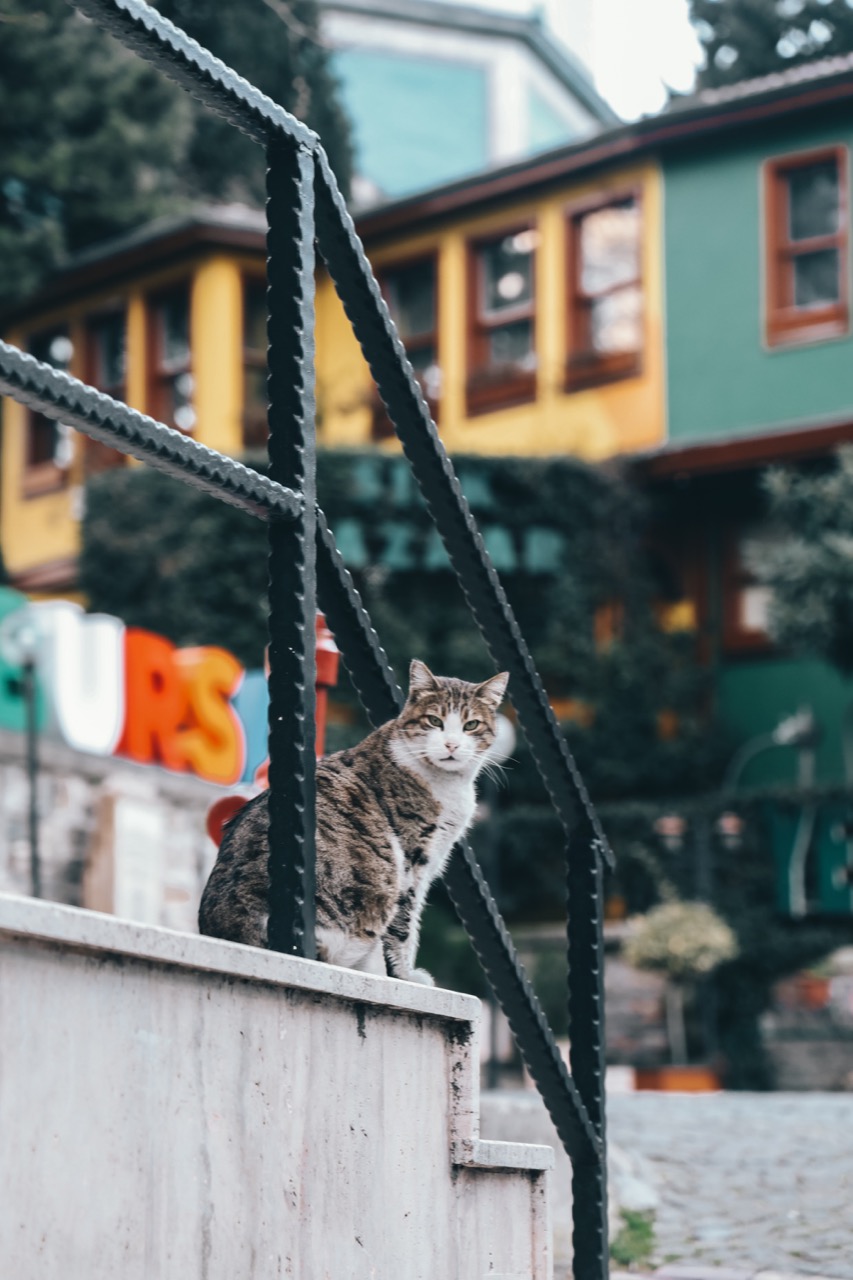
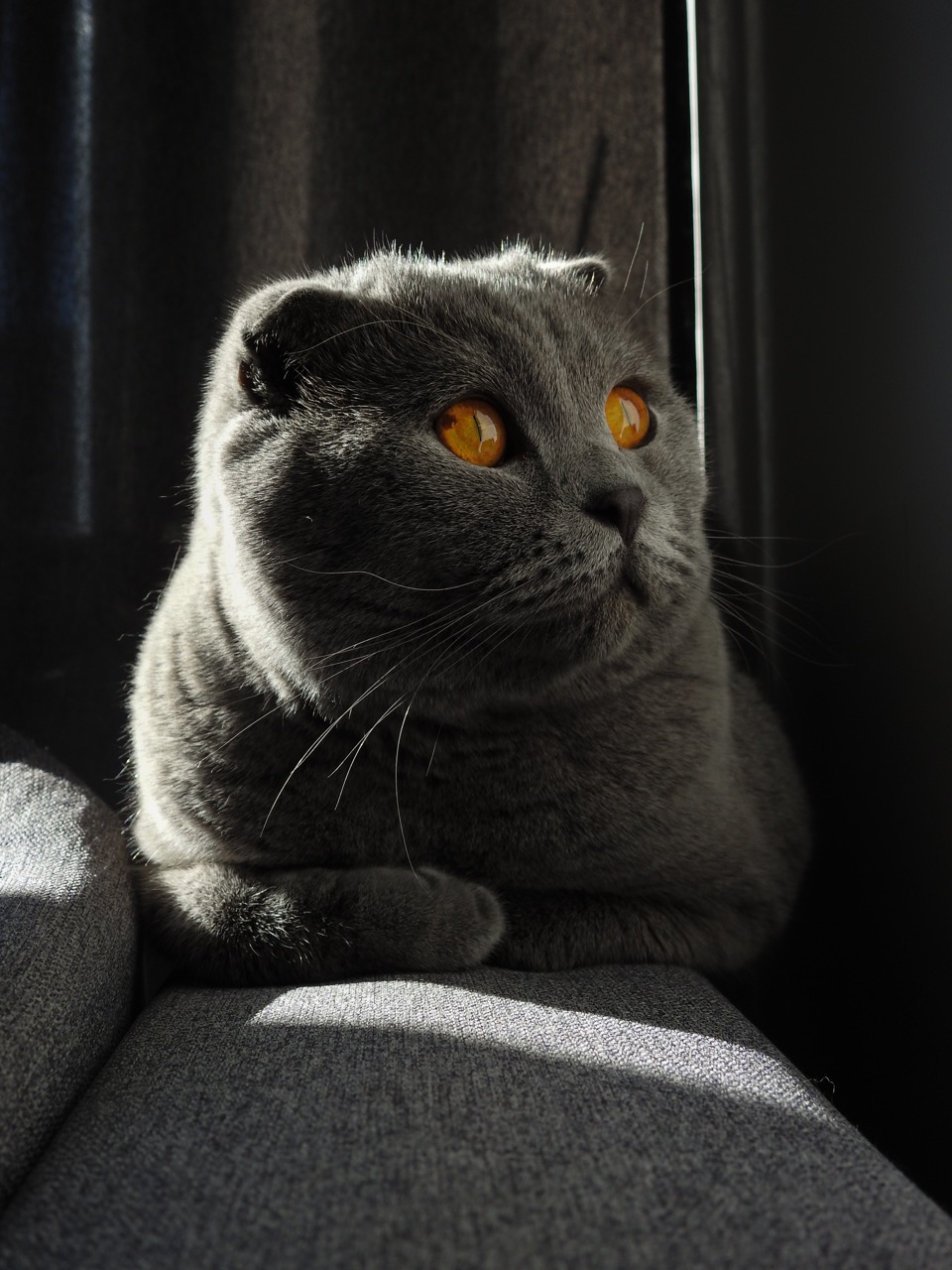
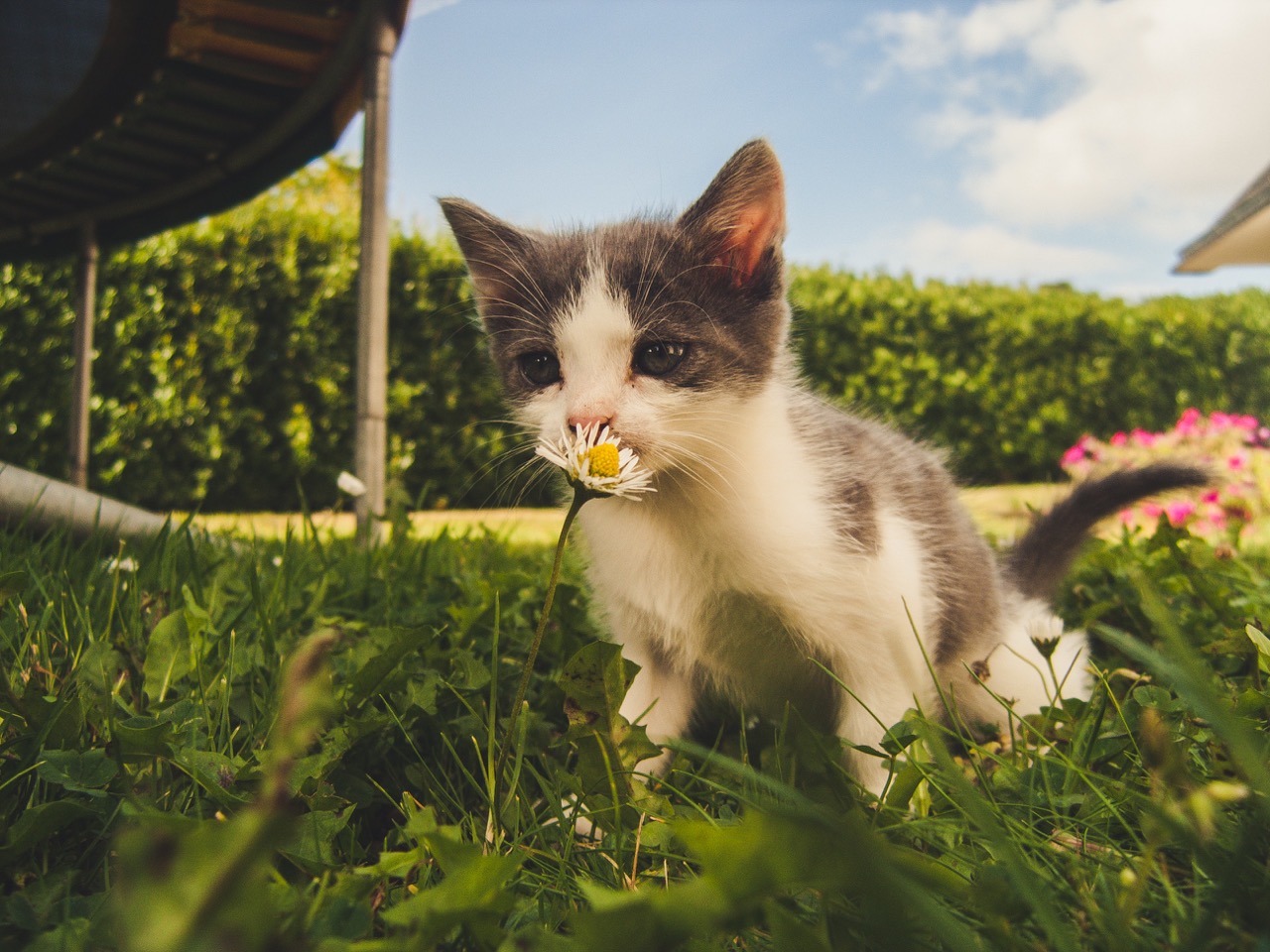
Introduction Living with a house cat can feel like sharing space with a small, confident mystery. One minute they are purring in your lap, and the next they are sprinting down the hallway as if late for an appointment. Many of these behaviors make more sense when you connect them to cat biology, communication, and instincts carried over from their wild ancestors. Understanding the why behind common habits can help you respond in ways that improve your cat’s comfort, safety, and relationship with you.
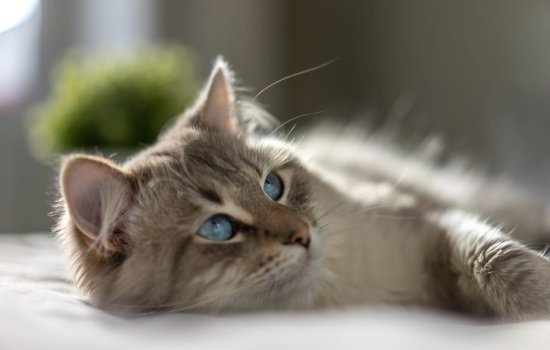
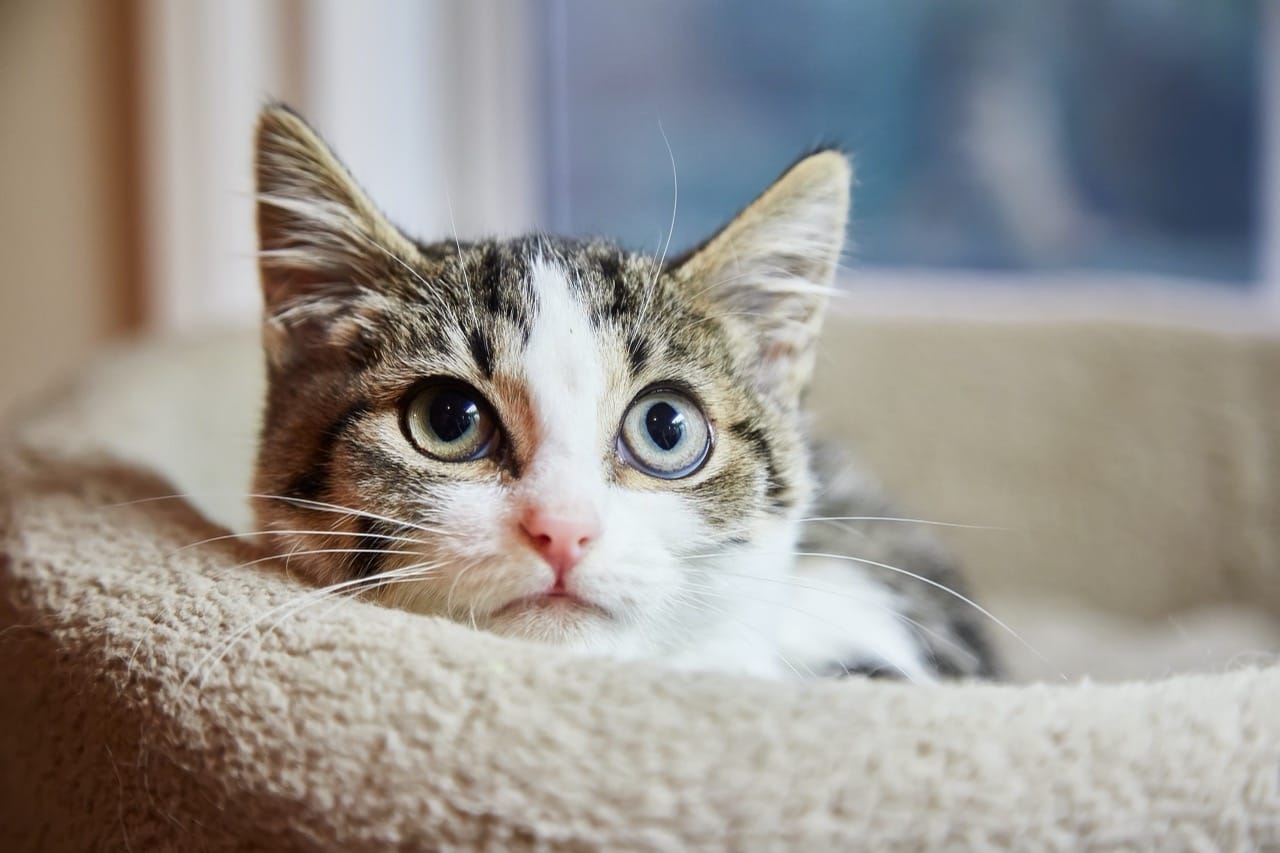
Body Language You Can Actually Use Cats speak with posture, ears, eyes, tail, and whiskers, often all at once. A slow blink is one of the clearest friendly signals. When your cat looks at you and slowly closes their eyes, they are showing relaxation and trust. You can return the gesture by slowly blinking back, which many cats interpret as calm and nonthreatening.
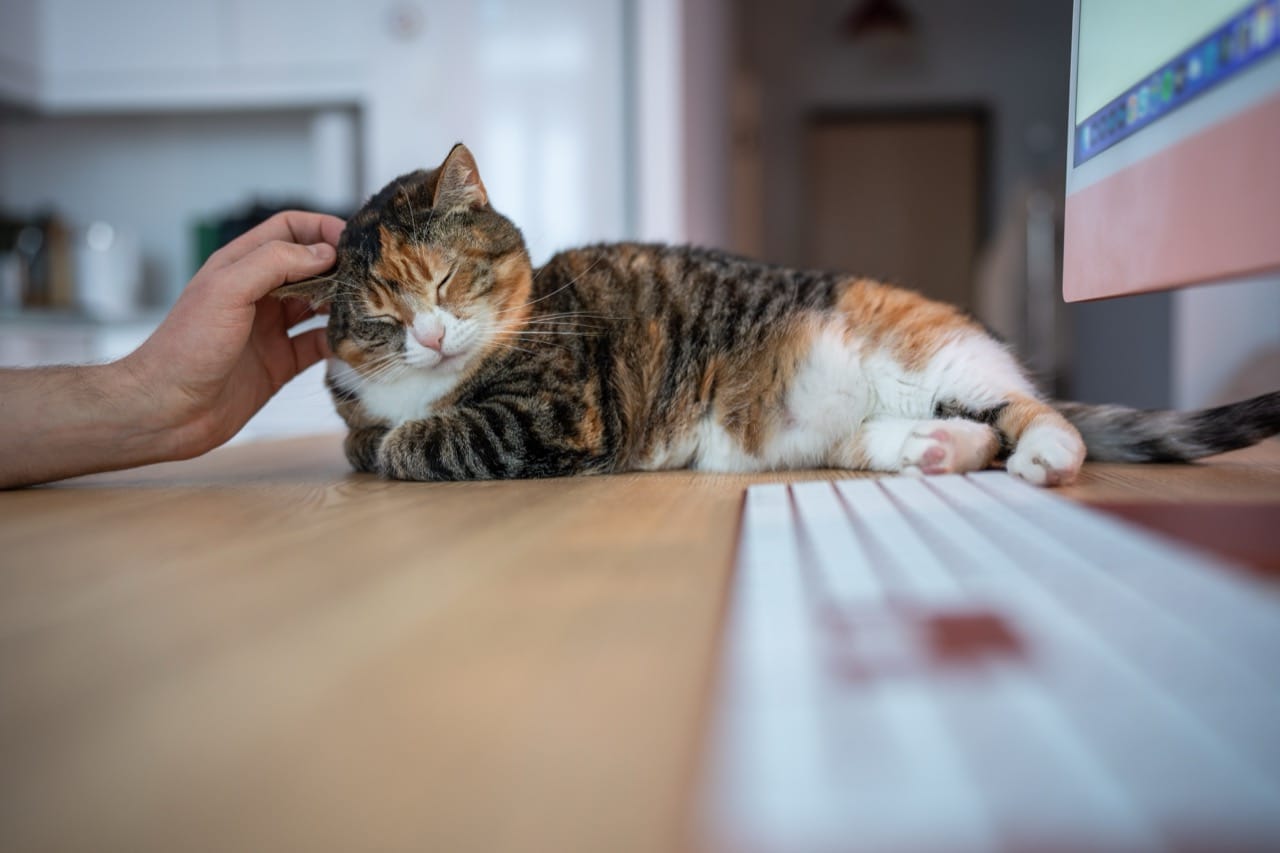
Tail movement is often misunderstood. A tail held upright like a flag usually signals confidence and friendly intent, especially when your cat approaches you. A tail that is flicking sharply or thumping is more like an irritated warning light. If you see repeated tail flicks along with ears turning sideways or back, it is a good time to pause petting and give your cat space.
Those intense stares at a wall or into a corner are not always spooky. Cats are tuned to small movements and high frequency sounds. They may be tracking an insect, hearing plumbing noises, or noticing light reflections you cannot perceive. If the staring is paired with confusion, circling, or sudden behavior changes, it can be worth discussing with a veterinarian.
Quirky Habits With Practical Roots Kneading, the classic blanket bread making routine, begins in kittenhood. Nursing kittens knead their mother’s belly to stimulate milk flow. Adult cats may knead when they feel safe and content, and some also do it to mark territory because scent glands in the paws leave subtle signals.
Midnight zoomies are another common household event. Cats are naturally crepuscular, meaning they are most active at dawn and dusk. Indoor life can concentrate that energy into short bursts. Adding short play sessions in the evening, especially games that mimic hunting like wand toys, can reduce nighttime chaos.
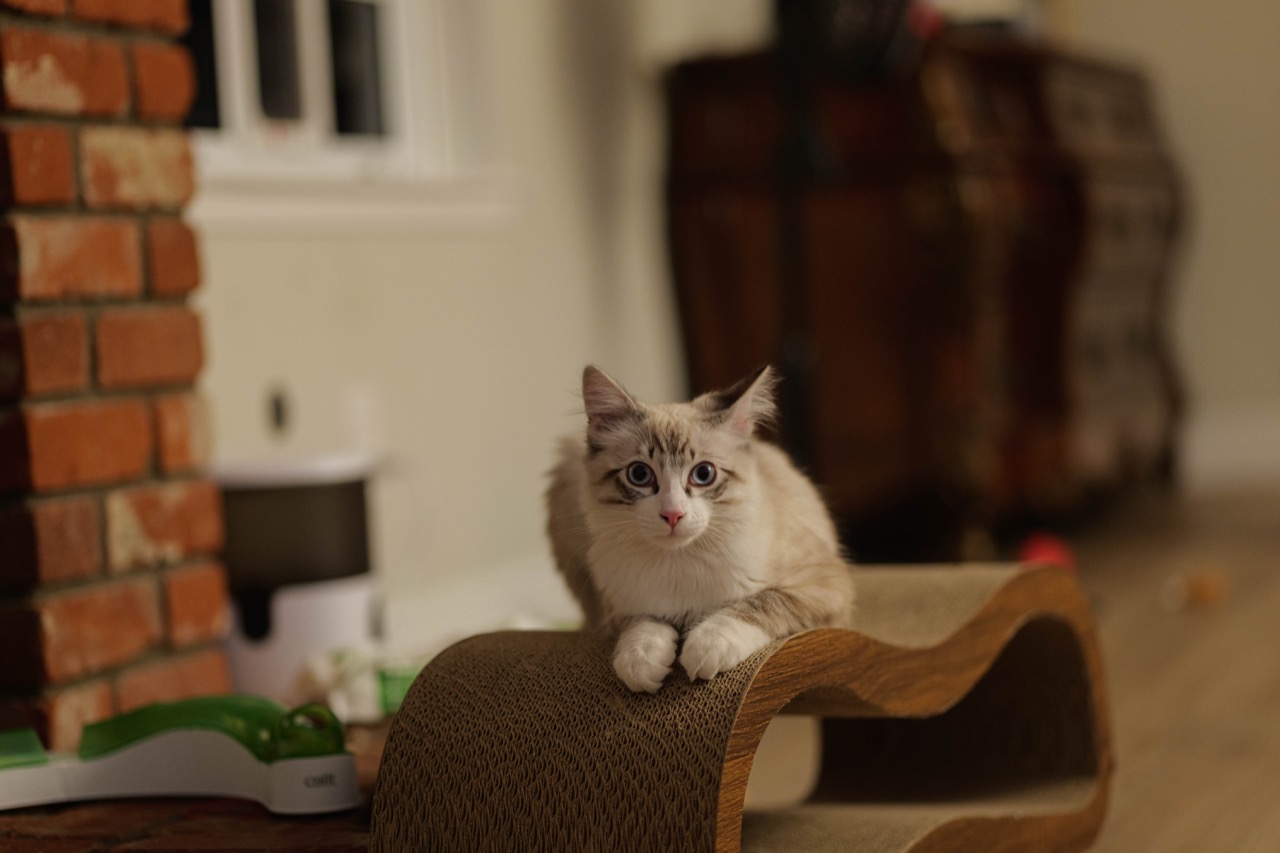
Scratching is not spite. It is how cats maintain claw health, stretch the shoulders and back, and leave visual and scent marks. The best approach is to provide scratchers in locations your cat already prefers, often near sleeping spots or social areas. Offer both vertical and horizontal surfaces, and reward use with praise or treats.
Litter Box Choices and Health Clues Litter box behavior is one of the most useful windows into your cat’s wellbeing. Most cats prefer a clean, quiet, easily accessible box. Many behavior issues improve with simple adjustments: scoop daily, provide enough boxes, and avoid strong fragrances. A common guideline is one box per cat plus one extra, placed in separate locations.
Sudden changes matter. If your cat starts urinating outside the box, strains, cries, or visits the box frequently with little output, treat it as urgent. Urinary problems can escalate quickly, especially in male cats. Similarly, a cat that stops using the box, hides, or shows new aggression may be signaling pain or stress.
Conclusion Becoming fluent in house cat behavior is less about memorizing trivia and more about noticing patterns. The slow blink, the tail flick, the kneading paws, and even the dramatic hallway sprint all have roots in communication and survival instincts. When you learn what your cat is trying to say, you can respond with better play, smarter home setups, and faster attention to health red flags. The result is a calmer household and a relationship that feels a little less mysterious and a lot more connected.

.jpg "Truth or Tail Feline Mythbuster Quiz")