

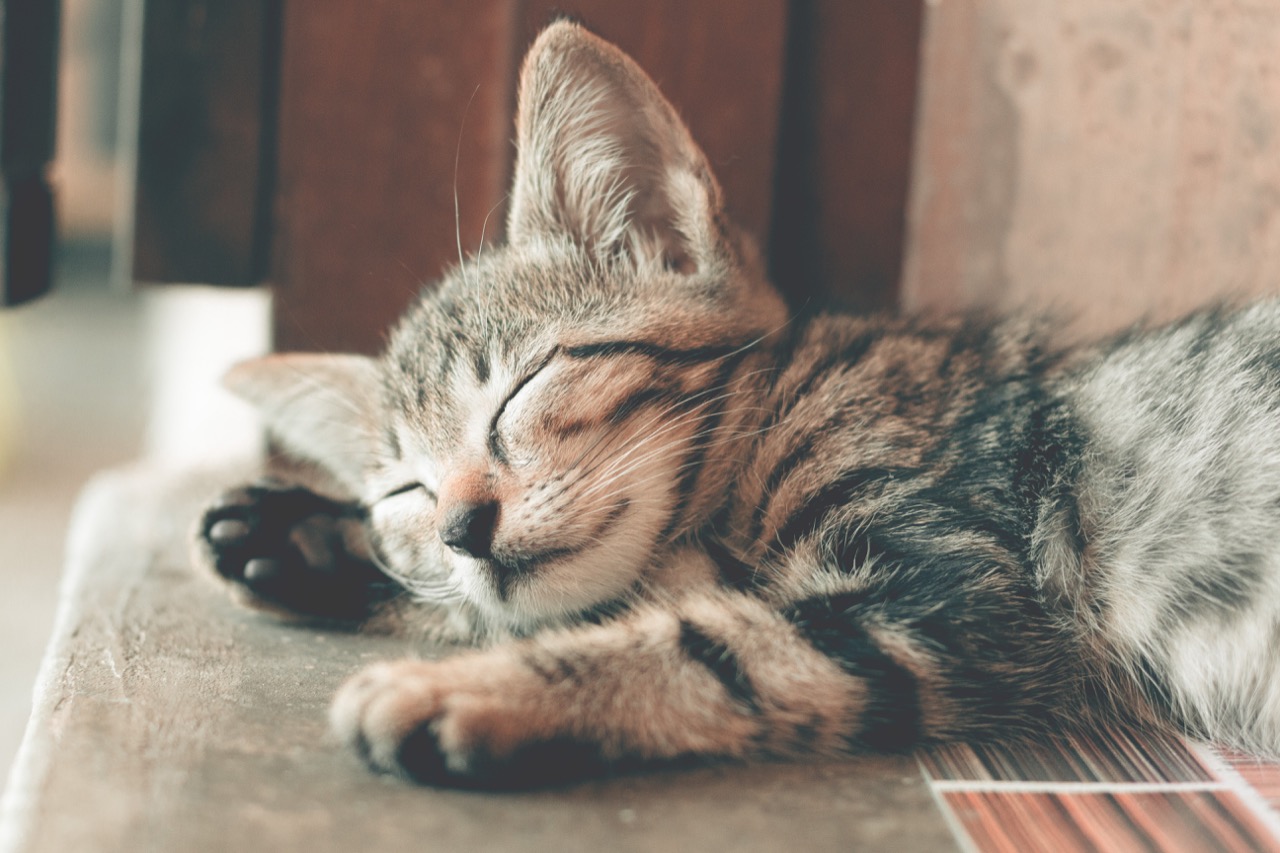





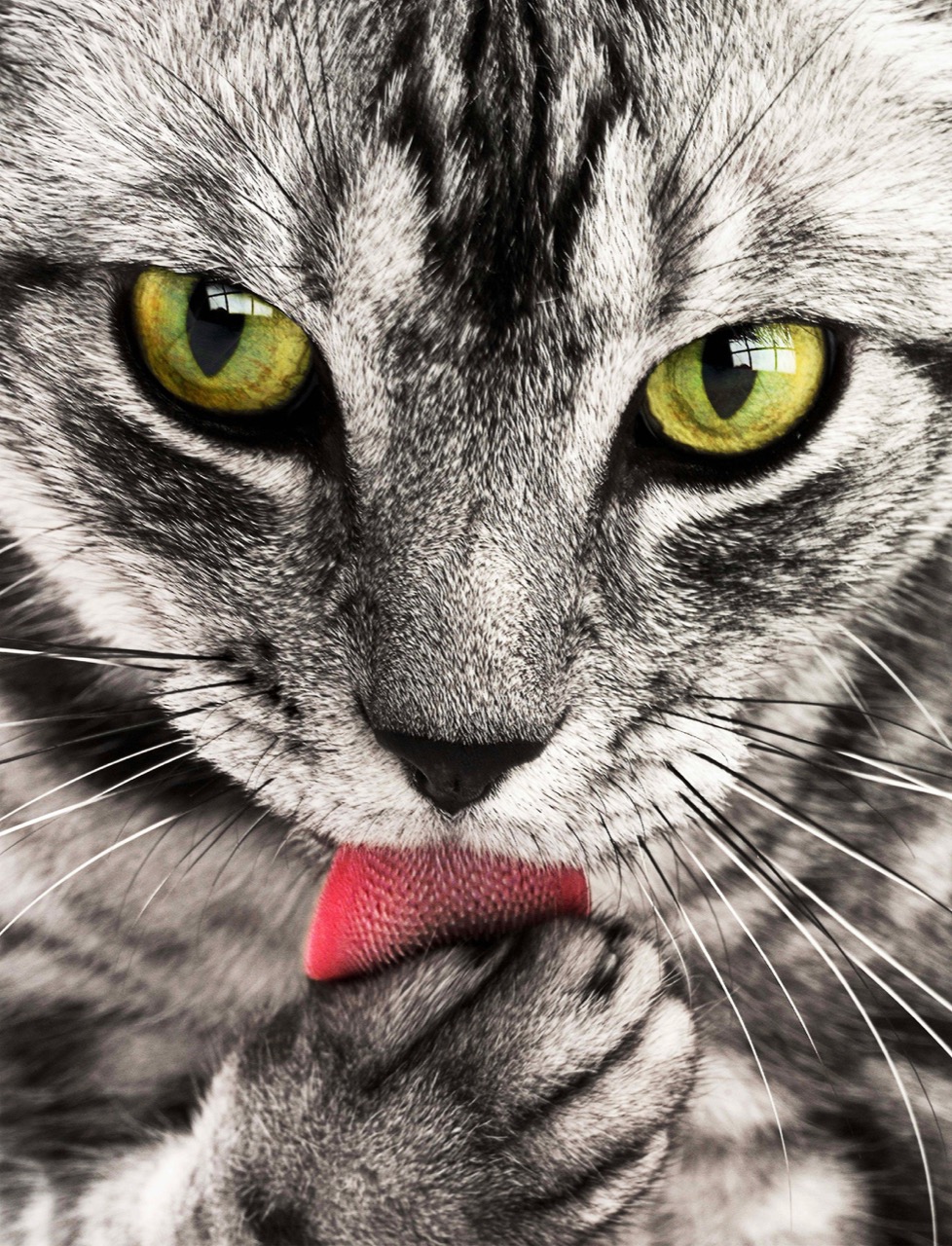
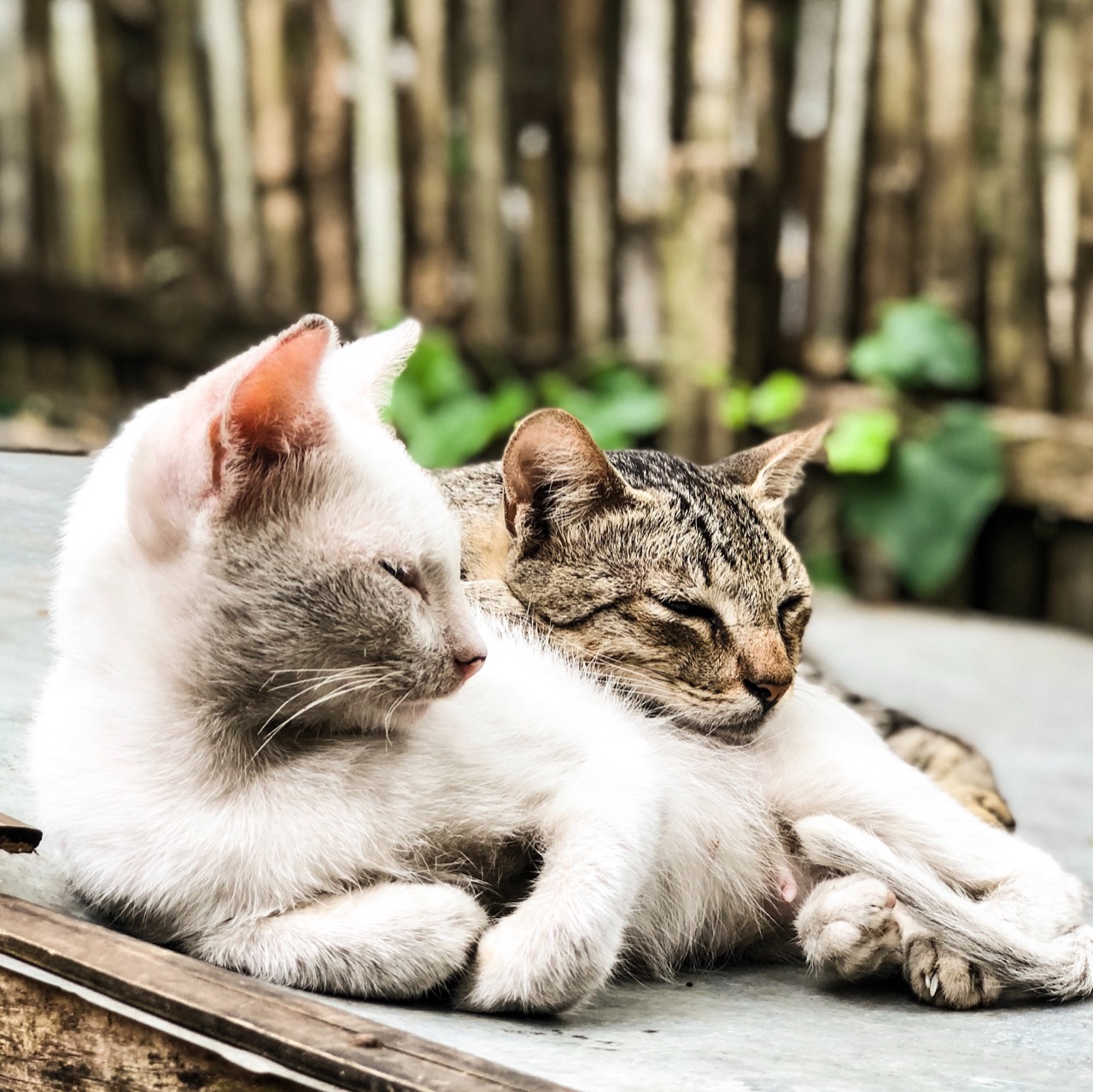

Introduction Cats feel timeless, but many of the moments that shaped their reputation come with clear dates. From ancient burials to modern holidays, the cat story is also a human story about food storage, religion, science, entertainment, and animal welfare. Following the timeline makes it easier to see how a small predator became a worldwide companion.
Ancient roots and early domestication One of the earliest strong clues that cats lived closely with people comes from a burial on Cyprus dated to around 7500 BCE, where a human and a cat were interred together. Because Cyprus had no native wildcats, the cat must have traveled with humans, suggesting an early partnership. In Egypt, cats reached superstar status. By the first millennium BCE, cats were linked with the goddess Bastet, and cat mummification became widespread. These practices were not just symbolic; they show how deeply cats were woven into daily life, from protecting grain stores to appearing in art and ritual.
Science, trade, and the global cat As ships carried grain and goods, cats traveled too, valued as pest control in ports and on voyages. Centuries later, genetics helped confirm what archaeology hinted: domestic cats largely descend from the Near Eastern wildcat, and domestication was less about deliberate breeding and more about cats exploiting a niche around humans. Unlike many domestic animals, cats kept much of their independence, which may explain why they can seem both affectionate and self-directed.
The rise of the cat fancy and modern breeds Public fascination turned organized in the nineteenth century. In 1871, one of the first major cat shows was held at the Crystal Palace in London, helping standardize judging and popularize the idea of distinct breeds. Cat registries and clubs followed, and selective breeding expanded the variety of coats, body types, and temperaments people recognize today. This era also cemented the cat as a household pet for pleasure, not only for work.
Cats in war and public life Cats also have wartime chapters. During World War I and World War II, cats were kept in trenches, ships, and factories for rodent control and morale. Some became mascots with names, photos, and stories that circulated widely, reinforcing the image of cats as comforting companions in stressful times. These tales helped shift attitudes from seeing cats as purely utilitarian to seeing them as emotionally important.
From pop culture to space and celebrations The twentieth century turned cats into media icons through cartoons, advertising, and later the internet. A particularly striking milestone came in 1963, when a French cat named Felicette was sent to space and returned safely, becoming a symbol of how far human curiosity could carry even an ordinary animal. In recent decades, official and unofficial cat days have multiplied, such as International Cat Day on August 8, encouraging adoption, responsible ownership, and appreciation for community cats.
Welfare milestones and changing attitudes Alongside admiration came responsibility. The growth of animal welfare organizations, spay and neuter campaigns, and trap neuter return programs reflects a modern understanding that cats thrive best when human care matches their biology. Better veterinary medicine, nutrition, and indoor enrichment have extended lifespans and improved quality of life.
Conclusion Placing cats on a calendar reveals a long arc: early coexistence, cultural worship, global travel, organized breeding, wartime companionship, scientific study, and modern advocacy. The dates are more than trivia. They mark turning points in how people have understood cats, and they explain why today s house cat can be both a historical survivor and a current celebrity, still leaving pawprints on human life.

.jpg "Truth or Tail Feline Mythbuster Quiz")