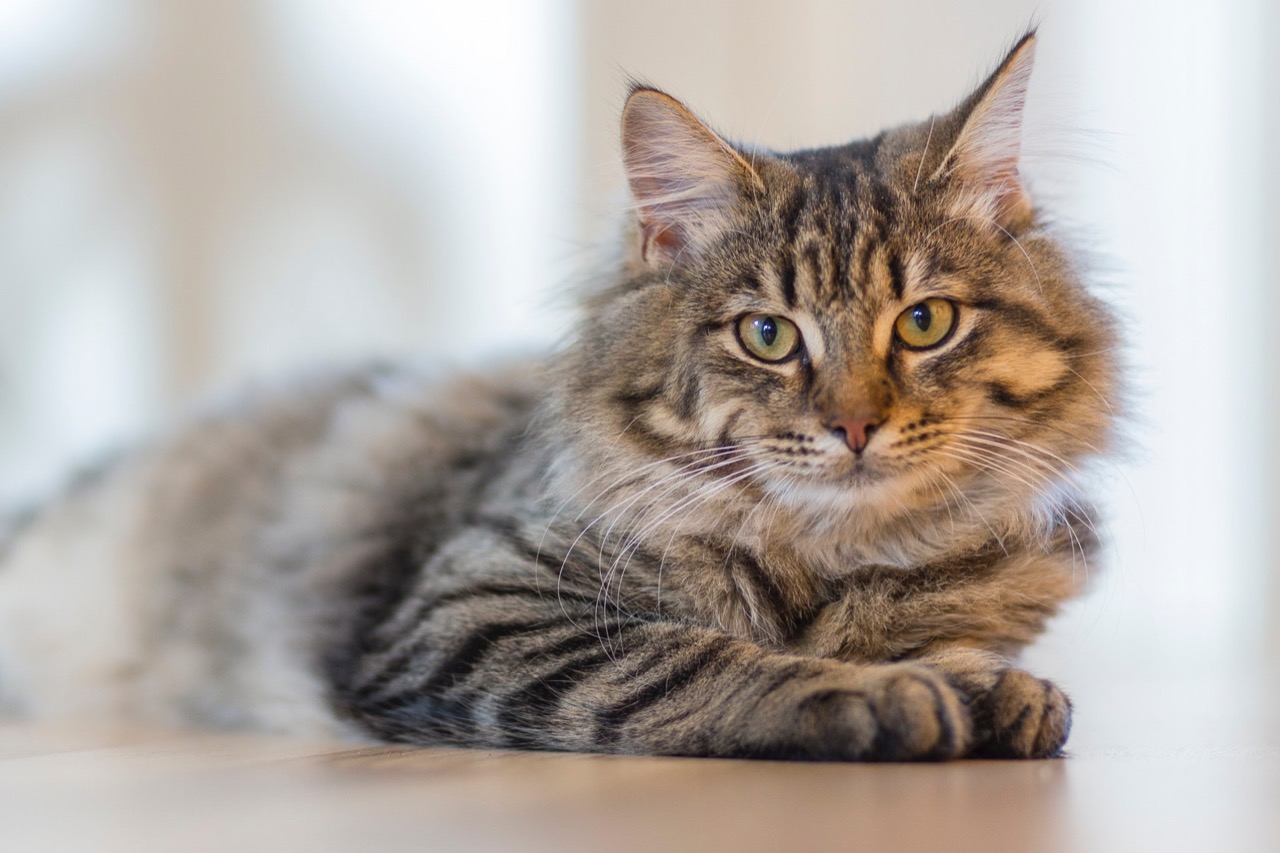
Introduction Cats are everywhere in culture, and they rarely arrive as blank slates. Whether you are looking at a cartoon, a brand mascot, a mythic guardian, or a viral internet star, many famous felines share surprising roots. Some connections come from biology and breed traits, others from ancient symbolism, and many from the way stories recycle familiar character types. Spotting these crossovers can make a quiz feel like detective work, because a cat in one medium often carries a long history from another.
From sacred cats to modern logos One of the oldest cat crossovers runs from ancient religion to modern design. In ancient Egypt, cats were linked to protection and household safety, and the goddess Bastet became strongly associated with feline imagery. Even when people do not recognize the name, the idea of the cat as a watchful guardian lives on in modern iconography. You can see echoes of this in everything from security themed branding to sleek, symmetrical cat silhouettes used in logos. The crossover is not direct copying so much as a shared visual language: cats signal alertness, independence, and quiet power.
Big cats, real science, and story shortcuts Lions, tigers, and leopards carry their own set of cultural shortcuts. Lions became symbols of royalty and courage partly because of their social behavior and imposing appearance, which made them perfect for heraldry and national emblems. Tigers often represent raw, solitary strength, a stereotype reinforced by their hunting style and their dramatic striping. These associations travel easily into movies and games, where a big cat can communicate a character’s role instantly. When a villain has a pet panther, creators are borrowing a long tradition of linking sleek predators with danger and control.
Children’s books and the blueprint for the mischievous cat Many modern fictional cats follow patterns set by earlier children’s literature. The mischievous, rule bending cat who causes chaos but remains oddly lovable is a recurring template, and it shaped how later cartoons and family films portray cats as clever troublemakers. This is why so many animated cats share similar beats: they outsmart authority, use charm to escape consequences, and treat the home like a playground. Even when the character design changes, the personality remains recognizable.
Comics, animation, and the loop of influence Cartoon cats often cross over between comics, animation, and merchandising. A successful comic strip cat can influence the pacing of animated gags, while animation can feed back into comic art styles. This loop helps explain why certain poses and expressions feel universal: the arched back, the narrowed eyes, the smug grin, the sudden puffed up tail. These are visual shorthand borrowed from real cat behavior, then exaggerated until they become a shared cartoon vocabulary.
Internet cats and the new mythmaking Online culture created a fresh kind of crossover: the real cat as a character. Viral cats are often treated like fictional archetypes, complete with catchphrases and backstories. A grumpy faced cat becomes the face of sarcasm, a wide eyed kitten becomes innocence, and a dramatic scream becomes comedic outrage. The internet also spreads breed awareness, sometimes accurately and sometimes not. For example, flat faced cats became popular partly because their features read as humanlike expressions, but that popularity also sparked discussions about health and responsible breeding. In this way, memes connect entertainment, ethics, and biology.
Conclusion Famous cats keep reappearing because they are flexible symbols. They can be sacred protectors, elegant predators, mischievous tricksters, or relatable internet comedians. Once you learn the recurring patterns and the historical roots behind them, you start seeing crossovers everywhere: a myth echoed in a mascot, a real behavior turned into a cartoon gag, a children’s book attitude recycled into a movie hero. The next time a quiz asks you to connect two seemingly unrelated cats, the answer is often that culture has been telling the same feline story for thousands of years, just in new costumes.
.jpg "Truth or Tail Feline Mythbuster Quiz")