

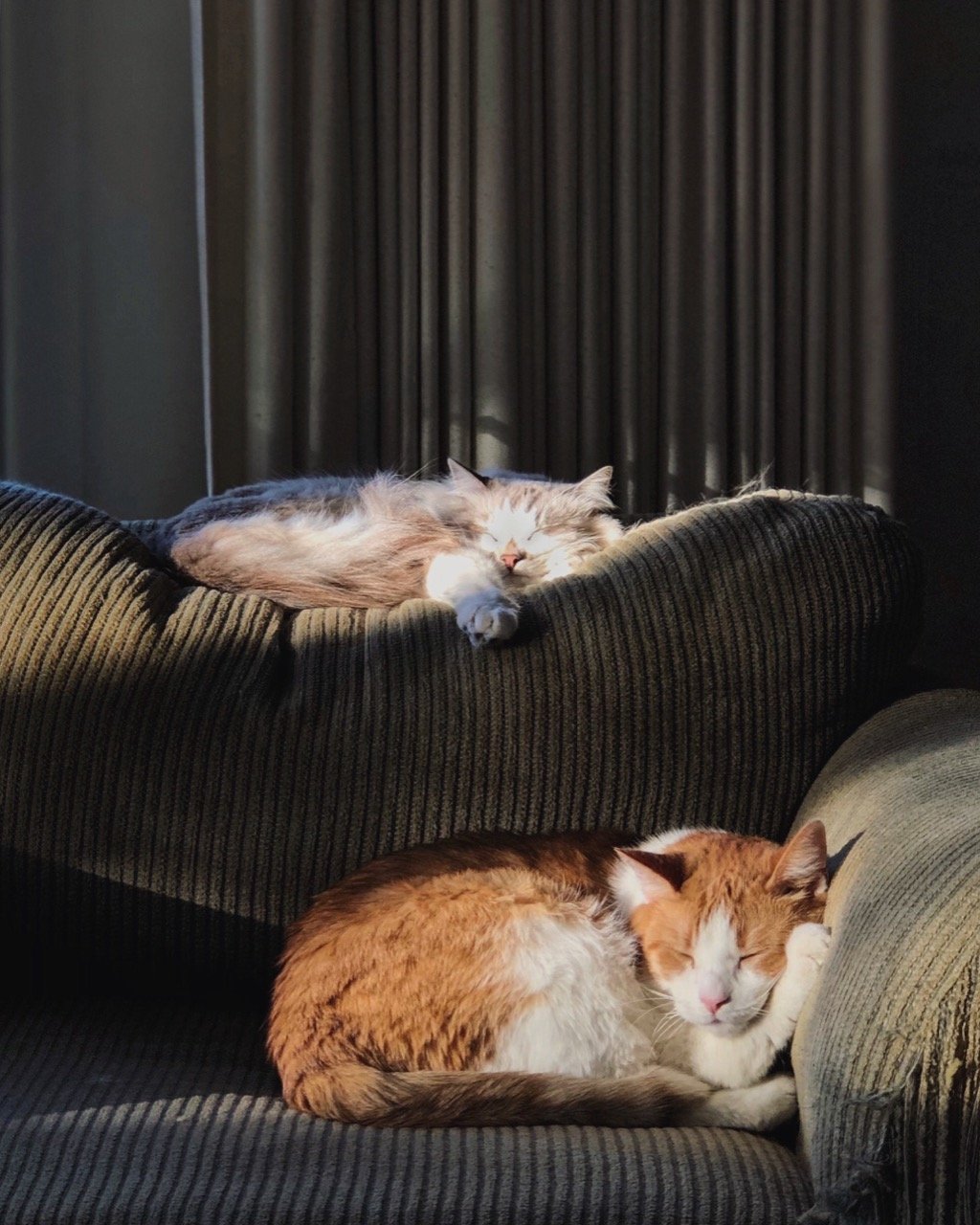
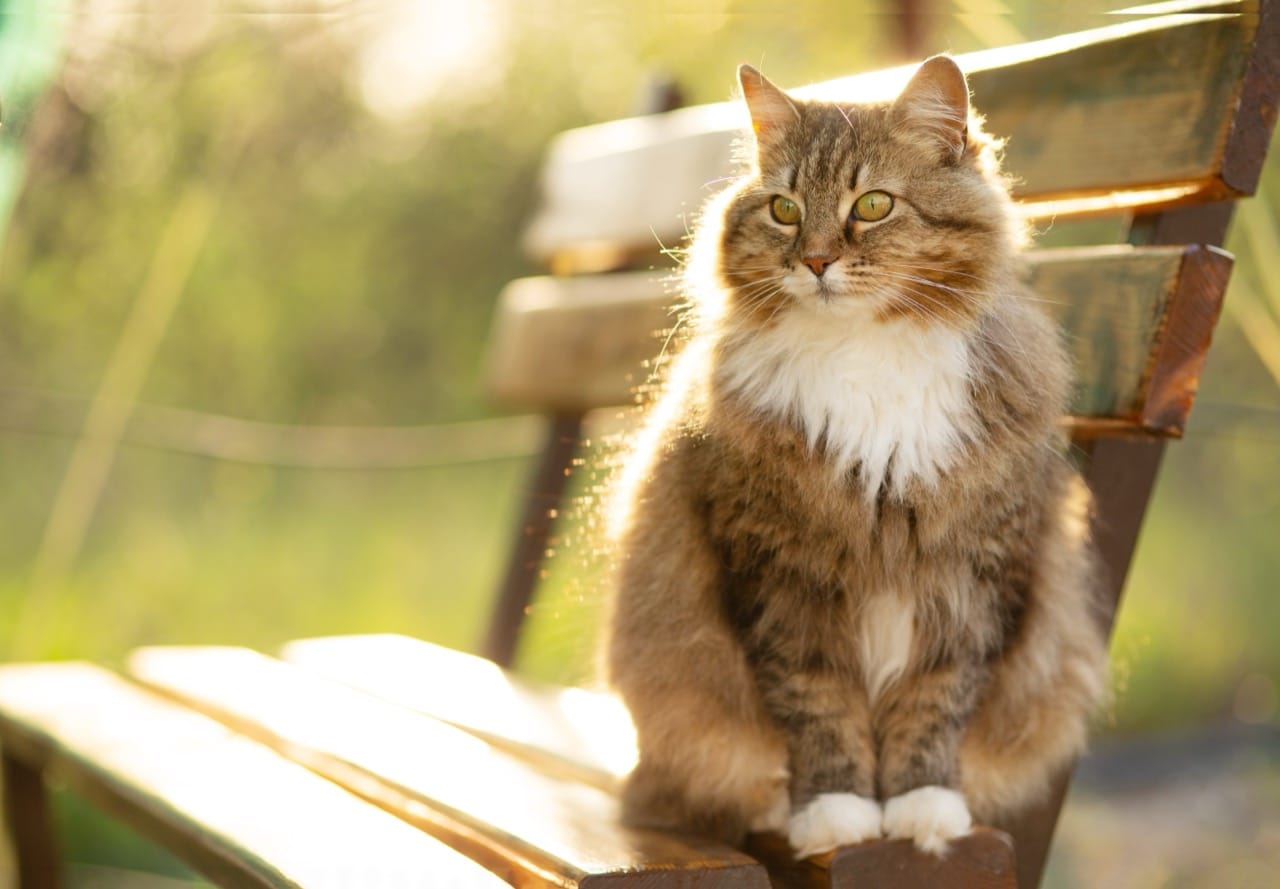
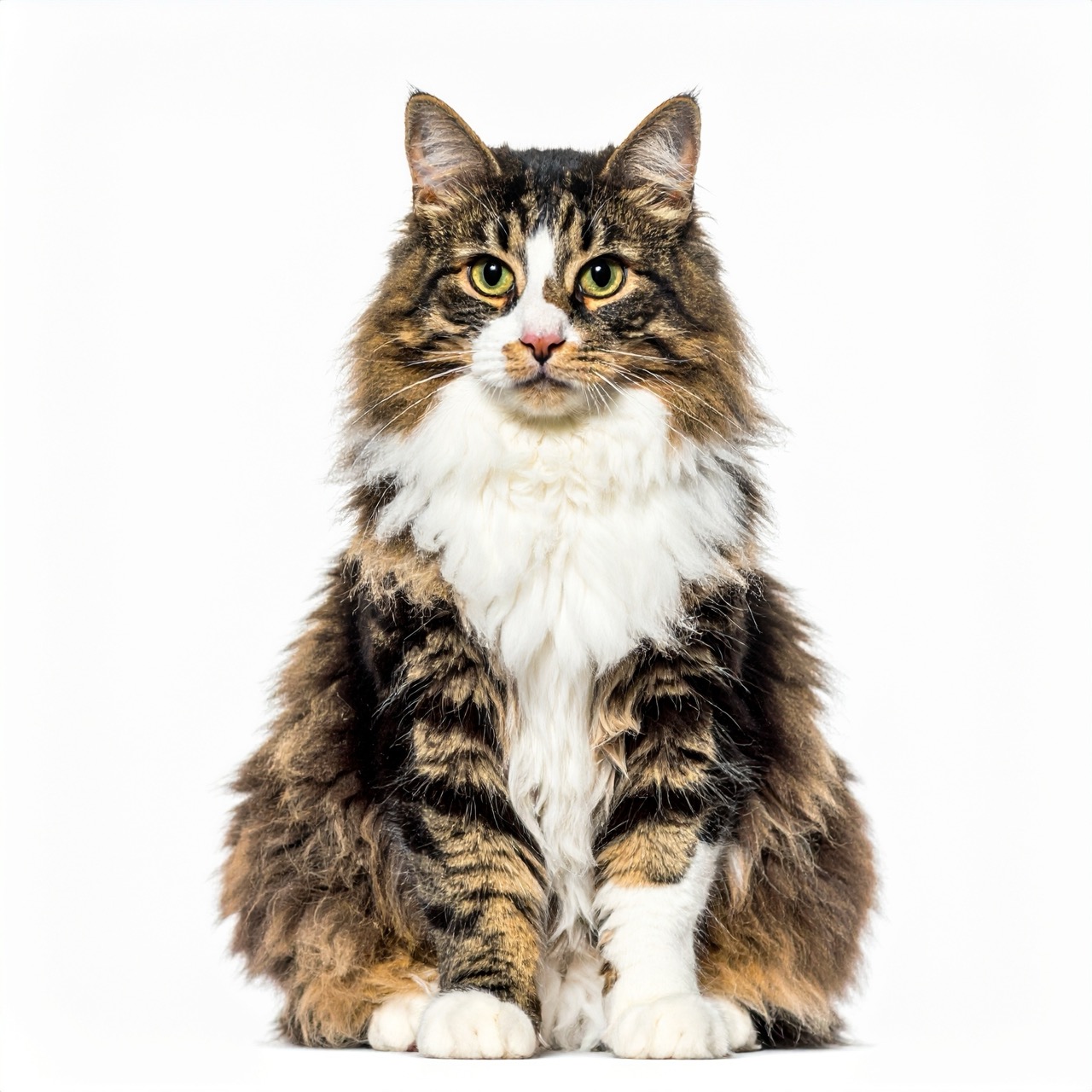
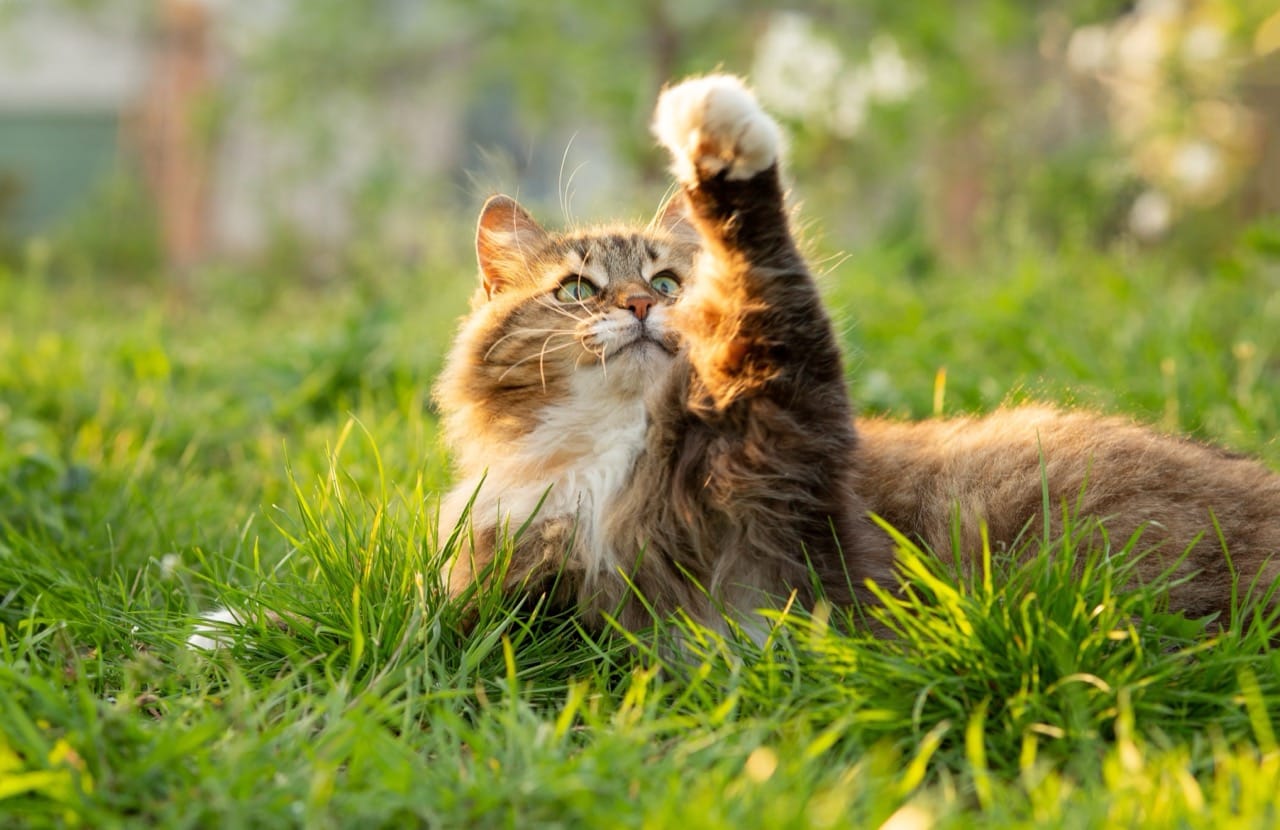
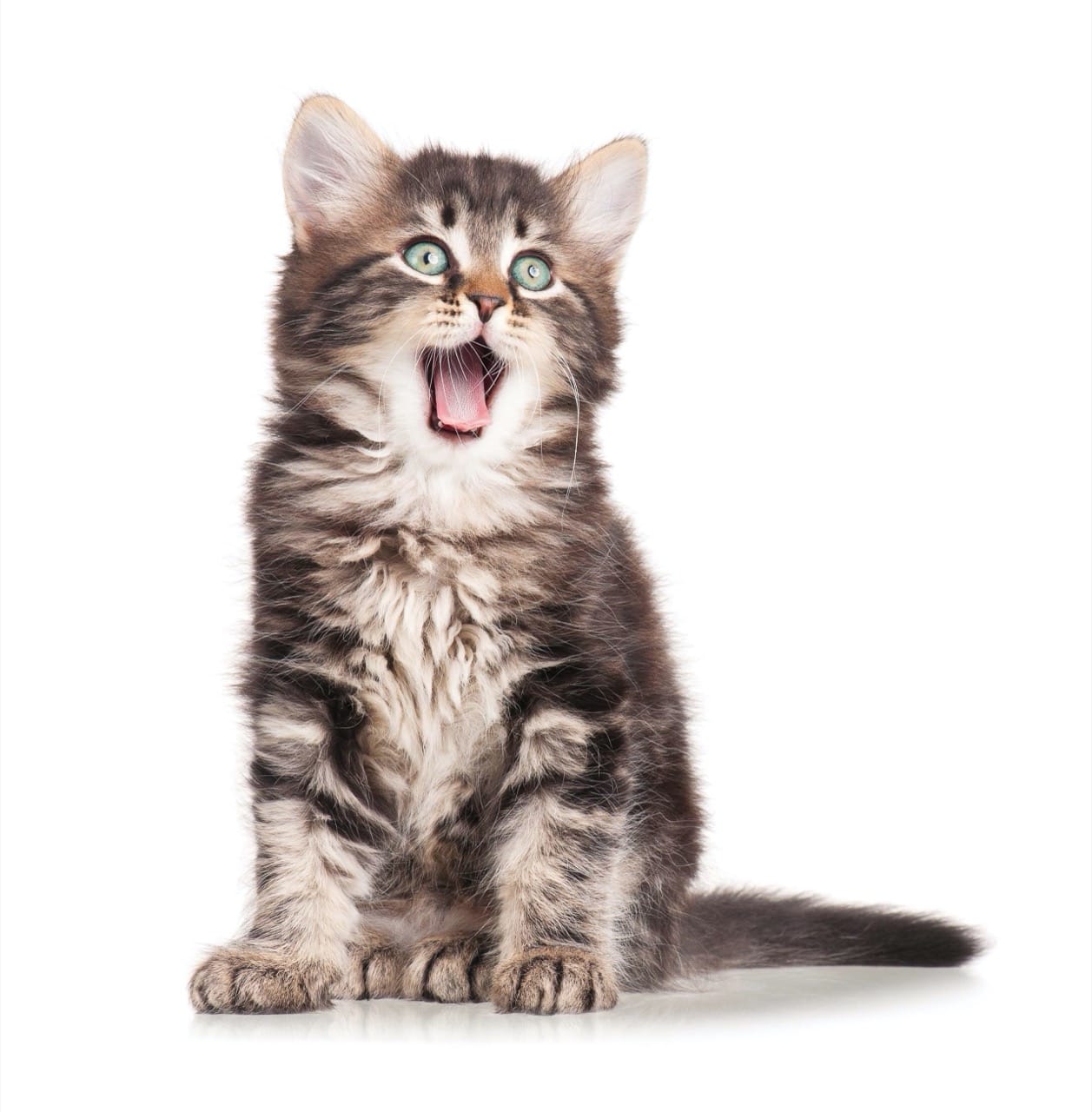

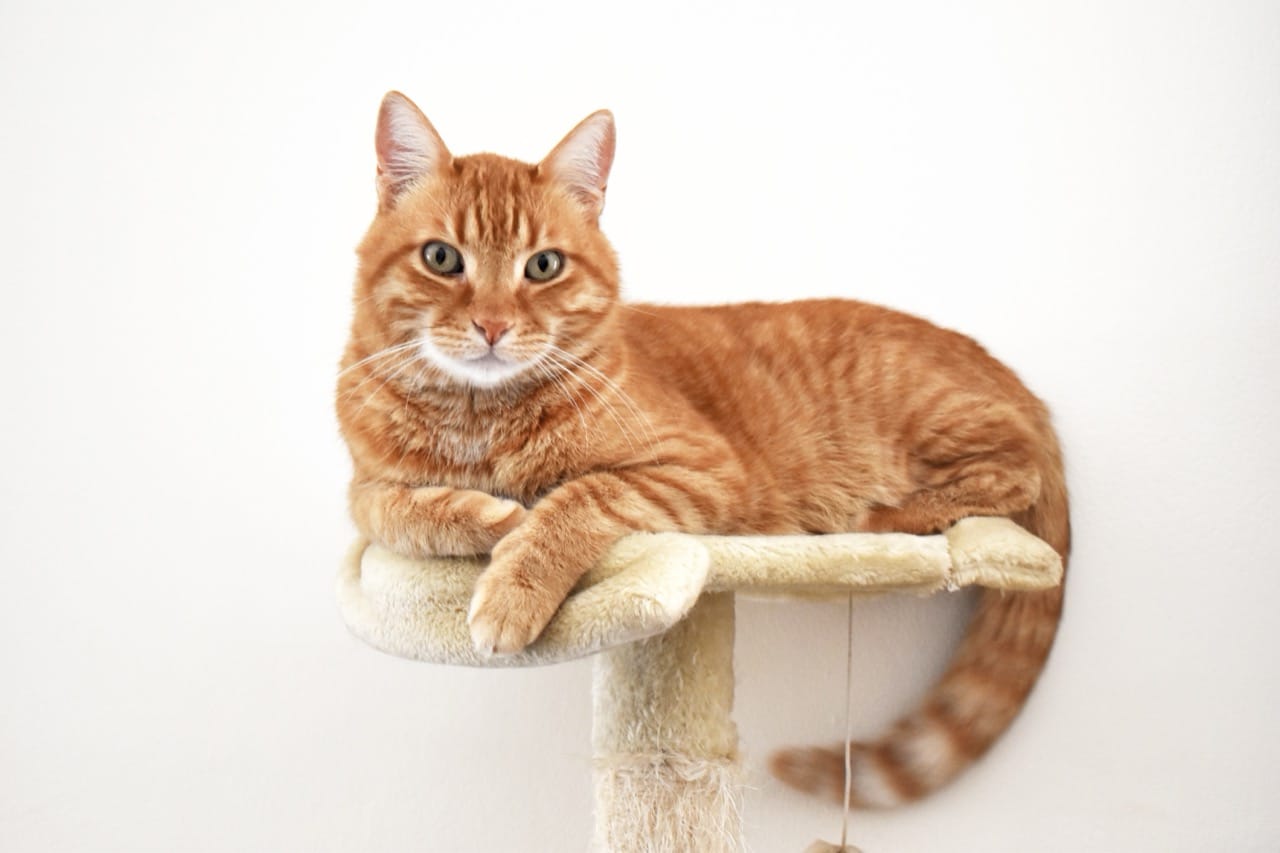

Introduction Cats can make a quiet room feel like a laboratory and a theater at the same time. One moment they are perfectly still, studying a dust mote as if it holds the secrets of the universe, and the next they are sprinting down a hallway for reasons known only to them. Behind the charm is a set of finely tuned adaptations that help cats hunt, climb, communicate, and coexist with humans. Understanding a few basics about feline biology and behavior makes their daily mysteries feel even more fascinating.
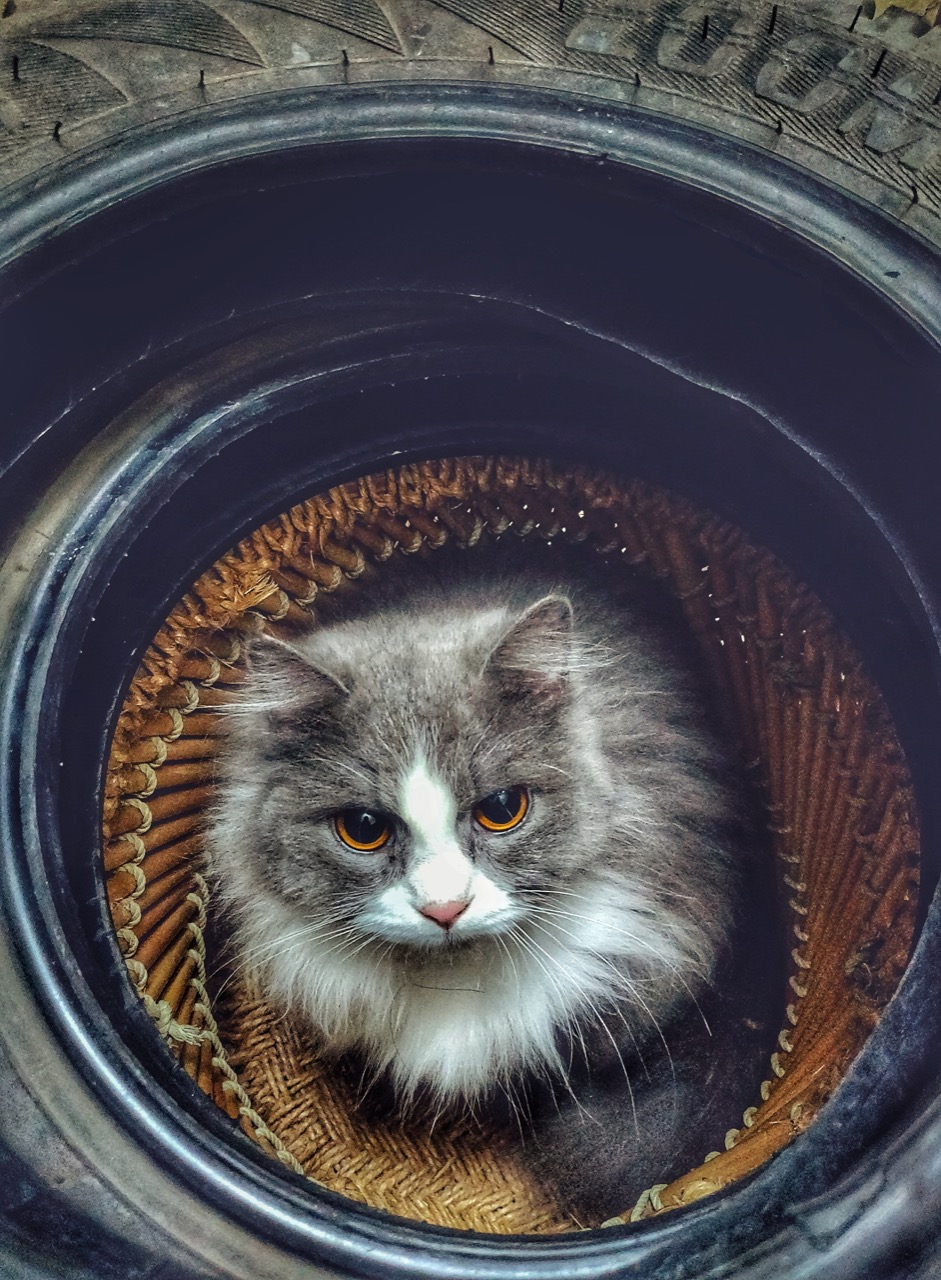
Eyes, Night Vision, and the Famous Glow A cat’s eyes seem to glow in the dark because of a reflective layer behind the retina called the tapetum lucidum. It bounces light back through the retina, giving photoreceptors a second chance to capture it. This boosts low light vision, which helps a crepuscular hunter that is most active at dawn and dusk. The tradeoff is that cats do not see fine detail as sharply as humans in bright light. They also have a wide field of view and pupils that can narrow to thin slits, helping control incoming light and sharpen focus during the day.
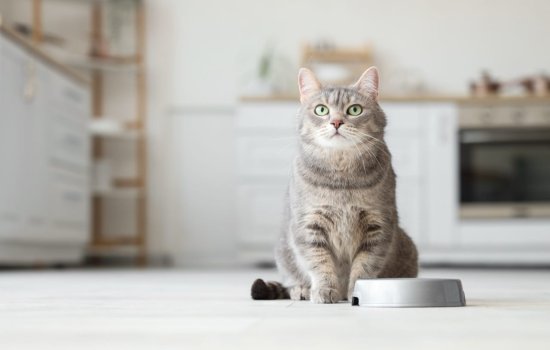
Whiskers as Built In Measuring Tools Whiskers are not just long hairs. They are specialized tactile sensors connected to nerves and muscles, designed to detect subtle air currents and nearby objects. Many cats use whiskers to judge whether they can fit through a gap, since whisker span often roughly matches body width. Whiskers also help with hunting by sensing movement close to the face, where vision is less precise. Because they are sensitive, whiskers should not be trimmed, and some cats prefer wide, shallow food bowls to avoid whisker fatigue, a term used for stress from repeated whisker contact.
Agility, Balance, and the Physics of Landing Cats are famous for their ability to land on their feet. This is helped by the righting reflex, which uses the inner ear and flexible spine to orient the body during a fall. Their collarbone is not rigidly attached like a human’s, allowing the shoulders to squeeze through tight spaces. Powerful hind legs provide explosive jumps, and the tail acts as a counterbalance during quick turns. Even so, cats can be injured from falls, especially from moderate heights where they may not have time to fully adjust, so window screens and balconies still need safety planning.
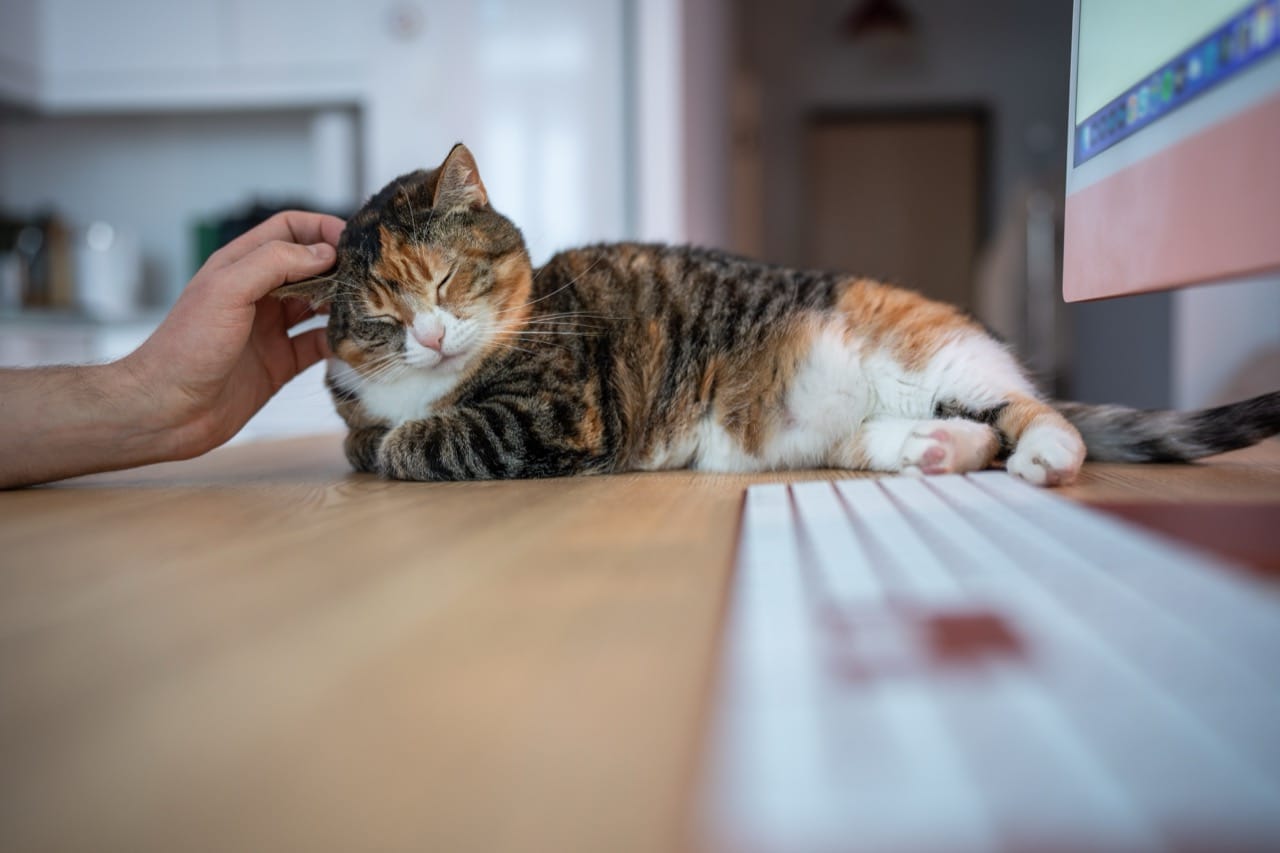
Purring, Meows, and What Sounds Really Mean Purring is often a sign of contentment, but it can also appear during stress, pain, or recovery. The exact mechanism involves rapid muscle contractions around the larynx, producing vibrations during both inhaling and exhaling. Some researchers suggest purring may have a soothing effect, and the vibration range overlaps with frequencies associated with tissue healing, though the science is still developing. Meowing, on the other hand, is largely a cat to human communication tool. Adult cats rarely meow at each other, but they learn that humans respond to it, and many cats tailor their meows to specific requests.
Breeds, History, and Living Well Together Different breeds highlight different traits. Siamese cats are known for vocal, social behavior, while Maine Coons are often large and friendly, with thick coats suited for colder climates. Persian cats have long fur and flatter faces that can require extra grooming and sometimes breathing care. Domestic cats likely began living alongside humans as early farming communities attracted rodents, and cats that tolerated people gained an advantage. Today, good care still follows practical biology: play that mimics hunting, vertical spaces for climbing, consistent routines, and regular veterinary visits. Enrichment reduces stress and can prevent behavior issues.
Conclusion Cats remain mysterious not because they are unknowable, but because their senses and instincts are finely tuned to a world we only partly share. Glowing eyes, expressive whiskers, sudden zoomies, and strange little noises all have roots in evolution and everyday needs. The more you learn, the more their behavior becomes a story of clever design, and the quiz becomes a fun way to spot the science hiding in plain sight.

.jpg "Truth or Tail Feline Mythbuster Quiz")