






Cats can feel like small mysteries that happen to share our couches. Part hunter, part roommate, they combine sharp instincts with an uncanny ability to get comfortable anywhere. Learning a bit about how cats are built, how they communicate, and where they came from makes everyday cat behavior more understandable and a lot more entertaining. If you have ever wondered why your cat stares, chirps, kneads, or suddenly sprints down the hallway, there are real reasons behind the drama.
A cat’s body is designed for stealth and precision. Their flexible spine and powerful hind legs help them leap several times their own height, while retractable claws stay sharp because they are protected when not in use. Whiskers are not just decoration. They are sensitive hairs connected to nerves that help a cat judge openings, track air currents, and navigate in low light. Their eyes are adapted for hunting at dawn and dusk, with a reflective layer that boosts dim light vision. The tradeoff is that cats do not see close up as well as humans, which is why they may sniff an object they seem to be looking at.
Behavior is where cat trivia gets especially fun. Many cats knead with their paws because the motion begins in kittenhood, when nursing kittens press against their mother to stimulate milk flow. Adult cats often knead when relaxed, and some do it to mark territory, since scent glands in the paws leave subtle signals. Scratching serves a similar purpose. It maintains claw health, stretches the body, and leaves both visual marks and scent cues. The famous sudden burst of speed, sometimes called the zoomies, can be a way to release pent up energy, practice hunting movements, or respond to excitement.
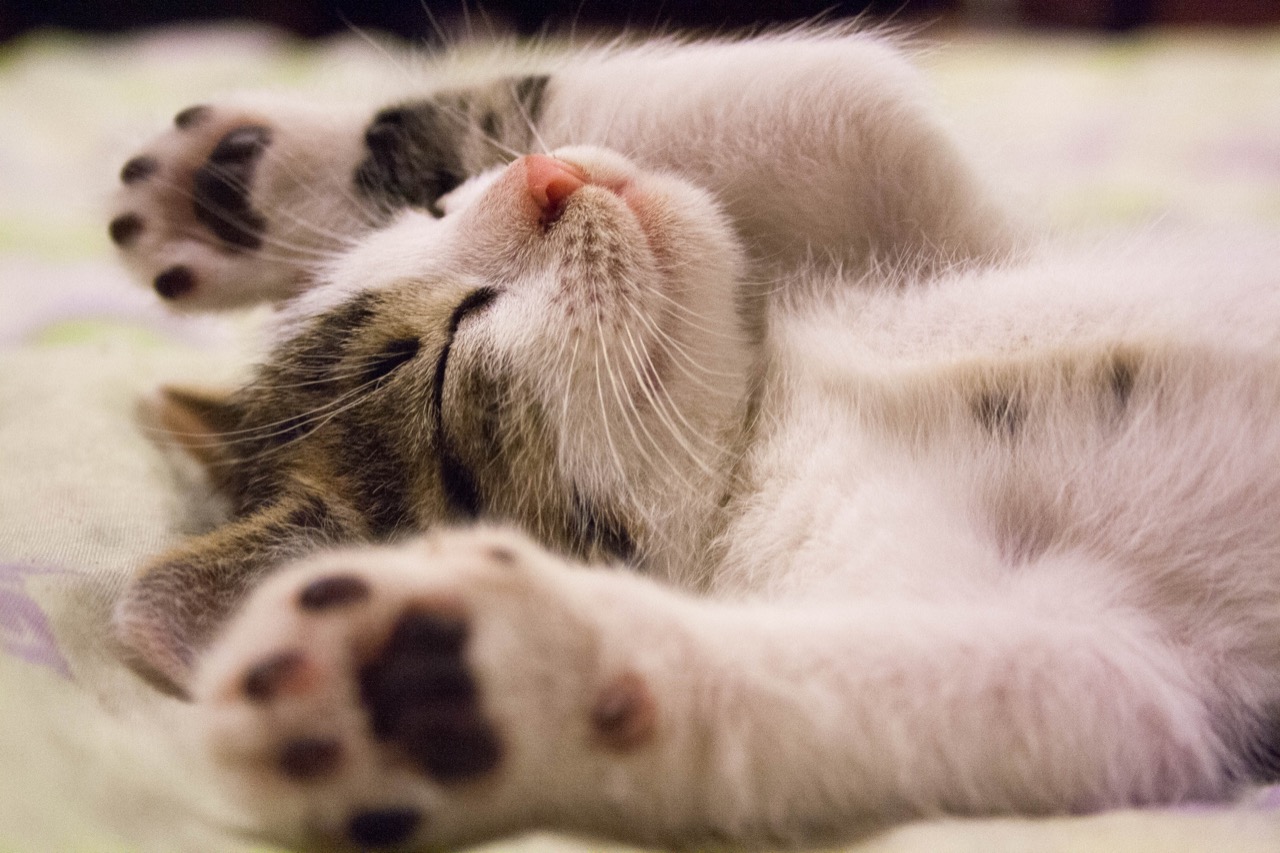
Cat communication is a blend of sound, scent, and body language. Purring is commonly linked to contentment, but cats also purr when stressed, injured, or seeking comfort, and research suggests the vibration may help with soothing or healing. Meowing is especially interesting because adult cats rarely meow to other cats. Many meows are aimed at humans, and cats often learn which sounds get results. Slow blinking is widely seen as a friendly signal, while a twitching tail tip can indicate intense focus or irritation. A belly display is not always an invitation to pet. It can be a sign of trust, but the belly is also a vulnerable area, so many cats react defensively if touched there.
History adds another layer to the wonder. Domestic cats likely descended from the African wildcat and began living alongside people as agriculture spread and rodents became a problem. In ancient Egypt, cats were admired and protected, and their images appeared in art and religion. Over time, cats traveled with traders and sailors, earning their keep by controlling pests. Modern breeds are relatively recent compared to dogs. Many breed traits are linked to selective breeding, from the hairlessness of the Sphynx to the folded ears of the Scottish Fold, though some features can come with health concerns.
Even the small science facts feel personal when you live with a cat. Cats have a strong sense of smell, and they use a special organ in the roof of the mouth to analyze certain scents, which is why they sometimes make a funny open mouthed face. Their pawprints carry scent information, and their grooming is both hygiene and stress relief. Understanding these details turns ordinary moments into clues about what your cat is thinking.
Cats may never fully give up their air of mystery, but that is part of their charm. The more you learn about their anatomy, behavior, and history, the more you see that every twitch of a whisker and flick of a tail has a purpose. Trivia is not just about right answers. It is a way to appreciate the remarkable animal quietly judging you from the windowsill.


.jpg "Truth or Tail Feline Mythbuster Quiz")