



Cats feel familiar, yet they still manage to surprise us. One moment they are curled up like a warm pillow, and the next they are leaping onto a shelf with the precision of a gymnast. The fun of cat trivia is that it blends everyday observations with real biology and a long, complicated history between cats and people. Understanding a few key facts about how cats sense the world, communicate, and evolved alongside humans makes their odd habits feel a little less mysterious.
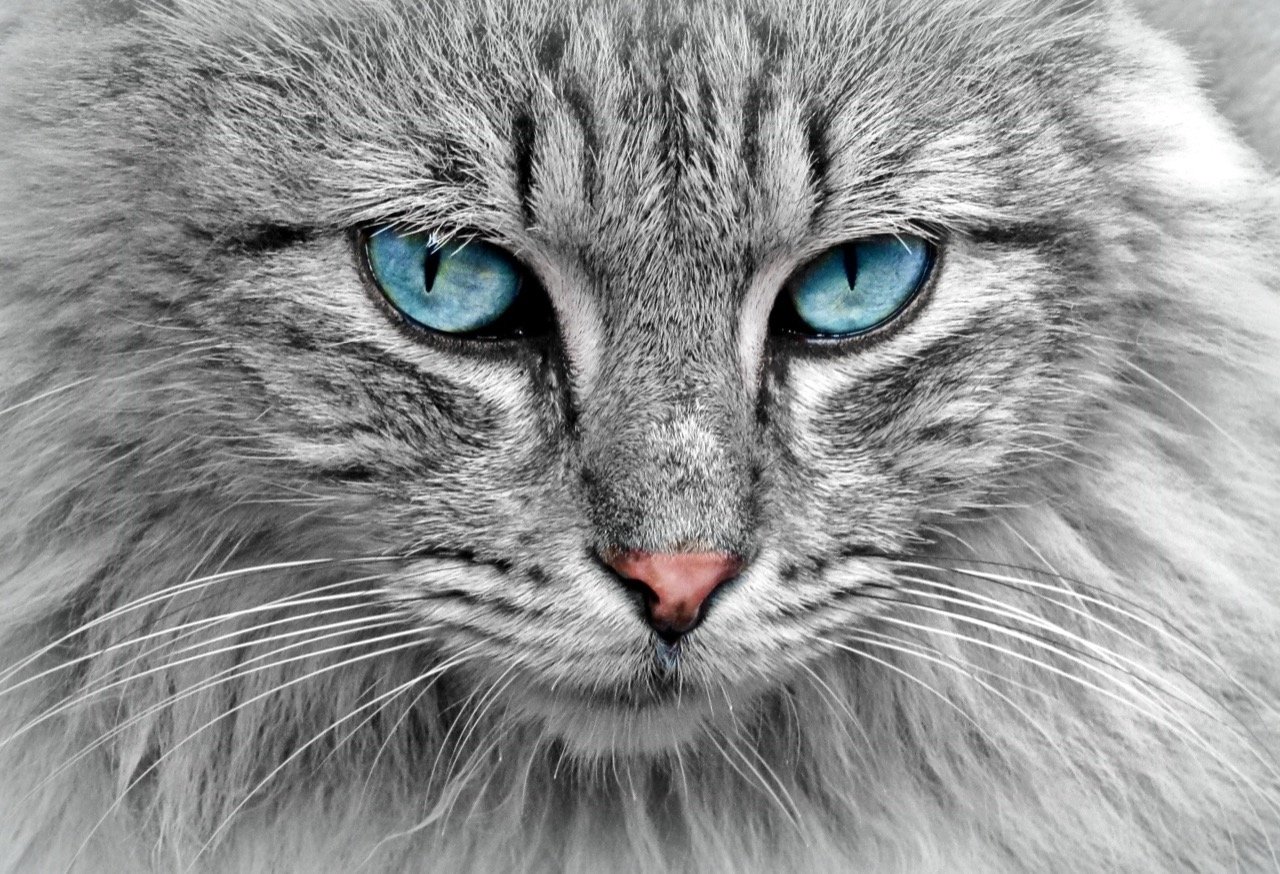
A cat is built for hunting, even if its main prey today is a toy mouse. Their flexible spine and powerful hind legs help them sprint and pounce, while retractable claws stay sharp because they are protected when not in use. Whiskers are not just decoration. They are specialized touch sensors that help a cat judge spaces and detect subtle air movements, which is especially useful in low light or tight places. Speaking of darkness, cats see well in dim conditions because their eyes have a reflective layer called the tapetum lucidum that bounces light back through the retina. That is why their eyes seem to glow at night. They do not see in total darkness, but they need far less light than humans.
Cats also experience the world through scent in ways we often overlook. They have a strong sense of smell and an extra scent processing tool called the vomeronasal organ, accessed when they make the open mouthed flehmen face. This helps them read chemical messages from other animals. Scratching is part of that communication system too. It leaves visible marks and deposits scent from glands in the paws, essentially a combination of stretching, nail care, and posting a message.
Tail flicks, ear angles, and slow blinks are a cat’s body language toolkit. A tail held upright usually signals confidence or friendly intent, while a rapidly swishing tail can mean agitation or intense focus. Flattened ears often indicate fear or overstimulation. Many cat lovers recognize the slow blink as a sign of trust, a relaxed gesture that can be returned by humans to appear nonthreatening. Vocalizations are more complicated. Adult cats rarely meow at each other; they tend to reserve meows for humans, and many experts believe cats learned that people respond to it. Purring is commonly linked with contentment, but cats may also purr when stressed or in pain, possibly as a self soothing behavior.
Cat history is full of twists. Unlike dogs, which were actively bred for specific roles early on, cats likely domesticated themselves. As humans began storing grain, rodents moved in, and wildcats that tolerated people gained a steady food source. Over generations, the friendliest cats thrived near settlements. This partnership spread through trade routes and ships, where cats earned their keep as pest control. Cultural attitudes have shifted dramatically across time, from reverence in parts of ancient Egypt to suspicion in some medieval European contexts.
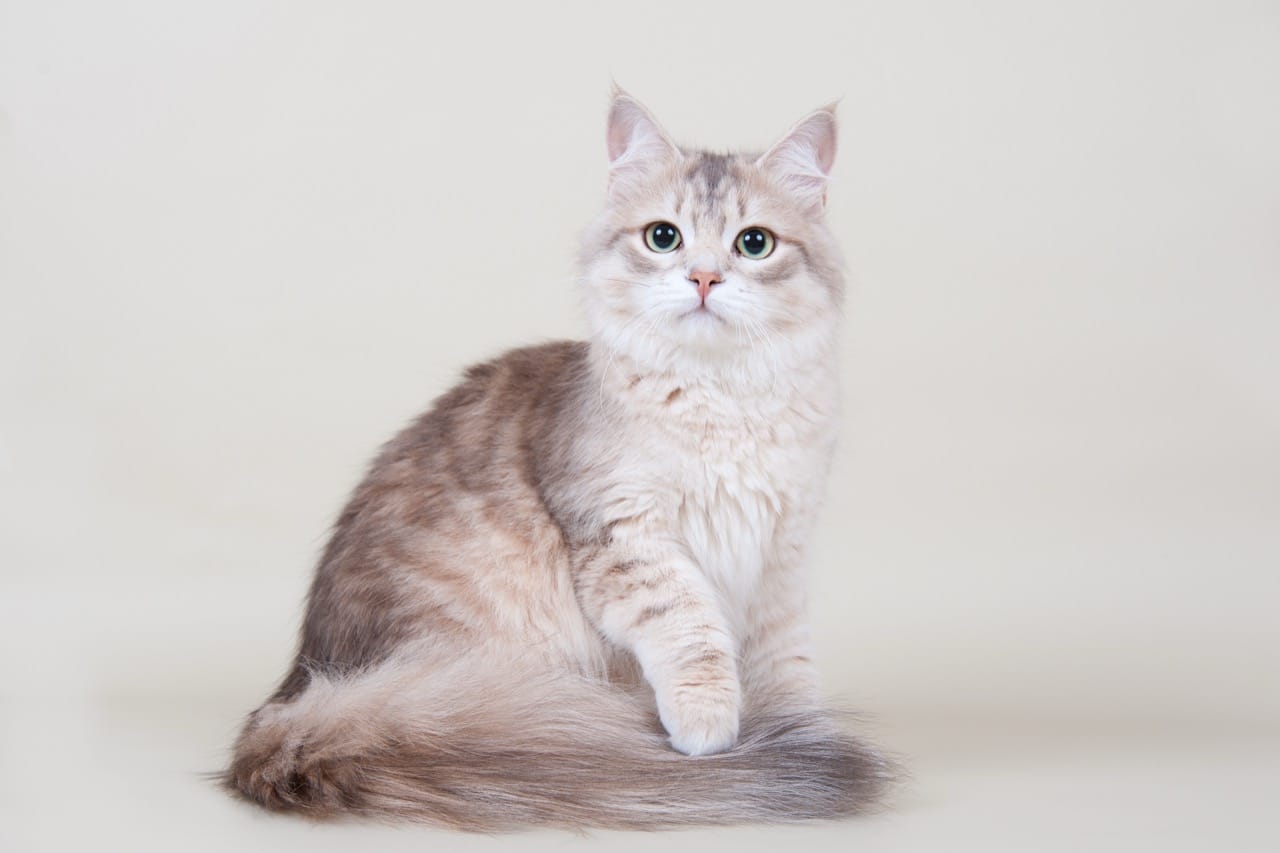
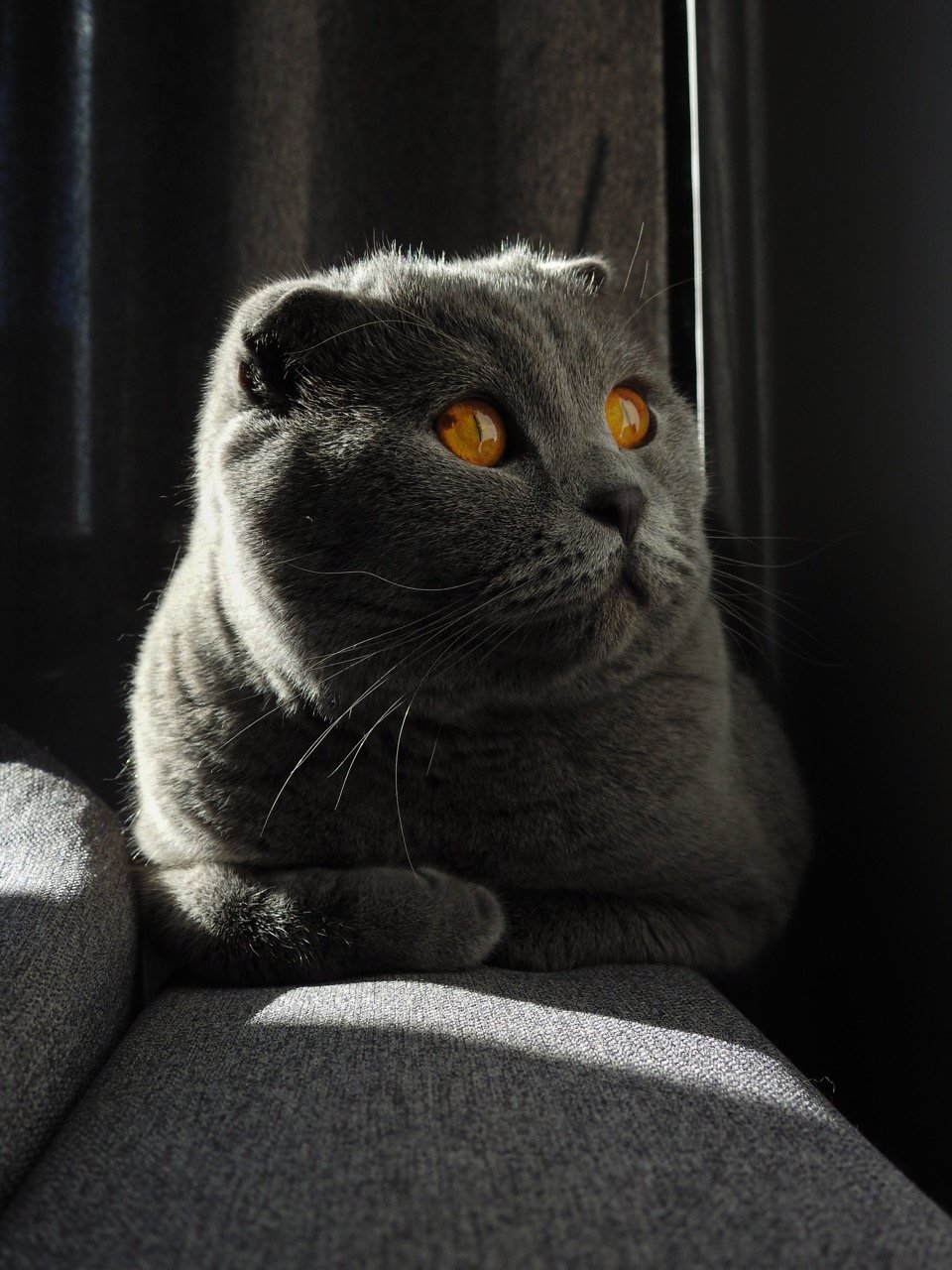
Modern breeds add another layer of trivia. Many breed differences are relatively recent, shaped by selective breeding for appearance and temperament. Coat patterns and colors can hint at genetics, but personality is influenced by early socialization, environment, and individual variation as much as breed. One consistent truth is that cats are both adaptable and sensitive. They can learn routines quickly, but sudden changes in territory, smells, or household dynamics can stress them.
Cat trivia is more than a list of cute facts. It is a window into a small predator that learned to live beside us without losing its independence. The next time you notice a whisker twitch, a slow blink, or a midnight burst of energy, you are seeing ancient instincts and modern companionship overlapping in one remarkable animal.

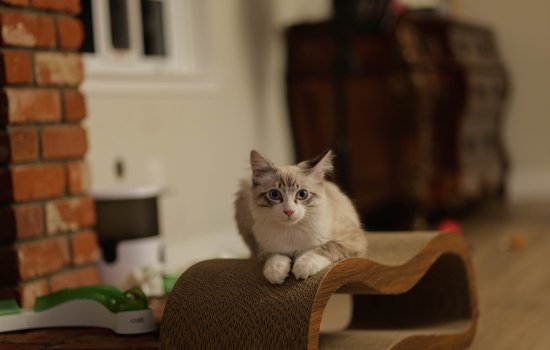

.jpg "Truth or Tail Feline Mythbuster Quiz")