

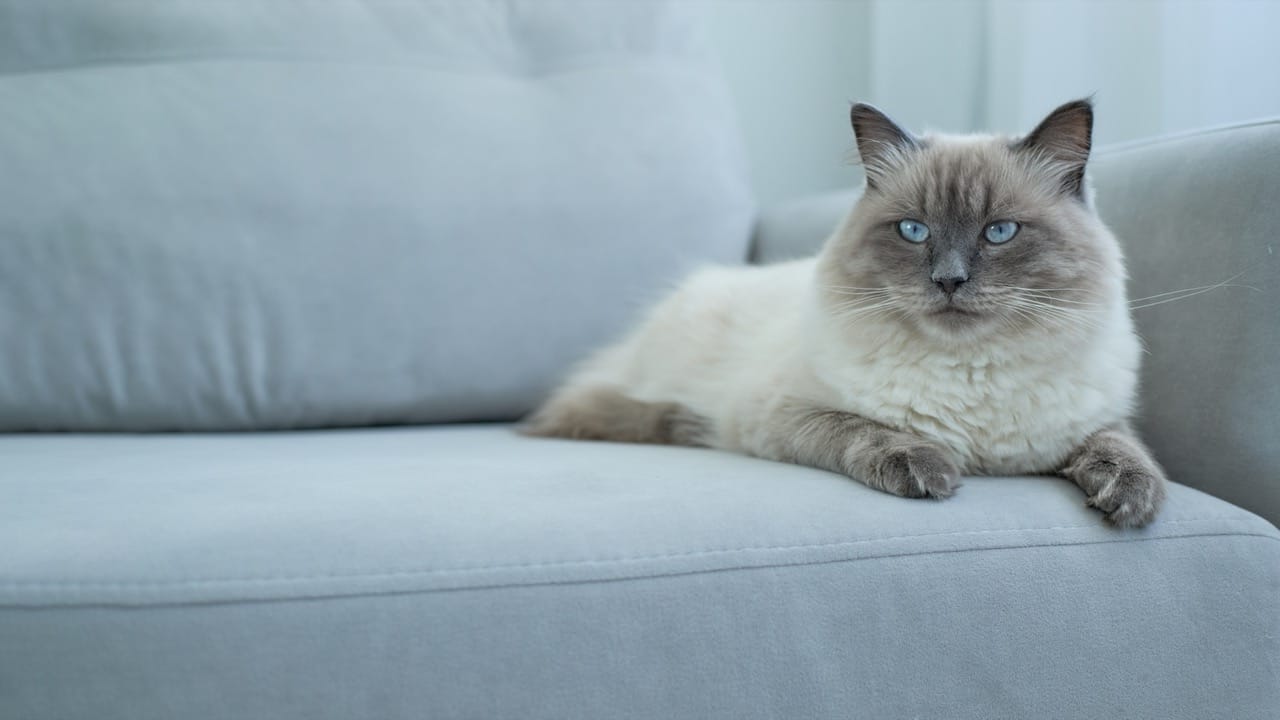

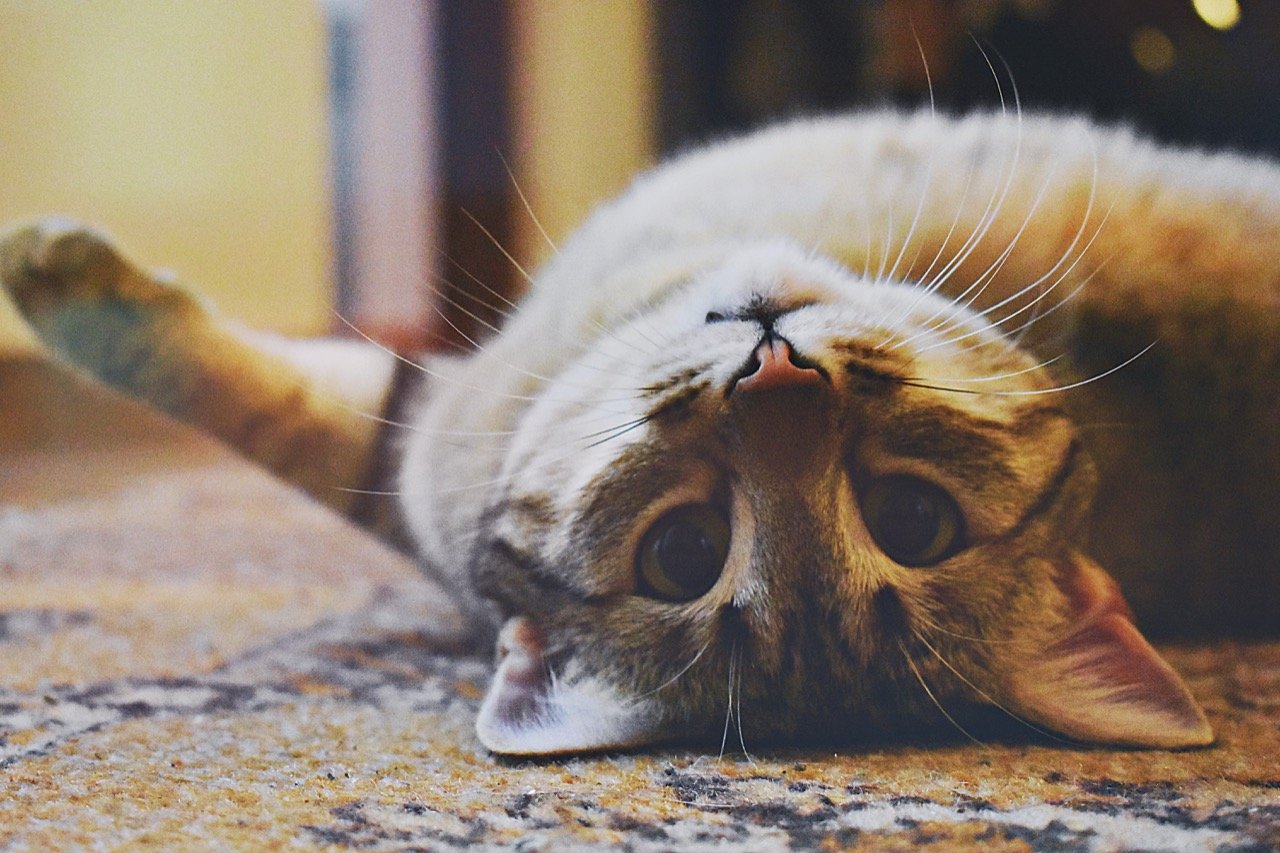
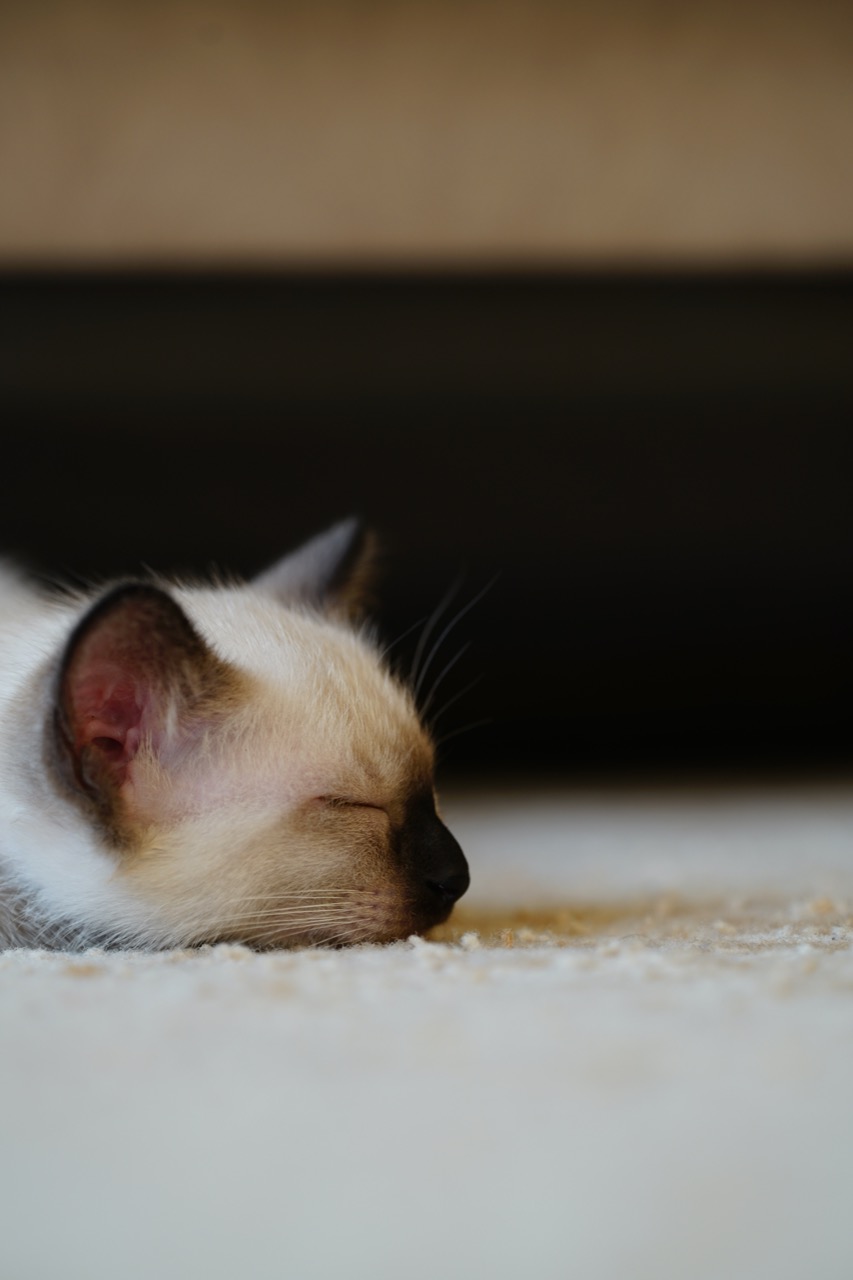
Introduction Domestic cats may look like relaxed sofa experts, but they are finely tuned hunters with a long history beside humans. Their bodies are built for stealth, their senses are specialized for low light and close range detection, and their behavior blends wild instincts with social signals shaped by living with people. Understanding what makes cats tick turns everyday moments, like a slow blink or a kneading session, into clues about biology and communication.
Senses and anatomy built for a small predator A cat’s whiskers are not just decoration. They are sensitive touch receptors that help measure openings, detect air currents, and guide movement in the dark. Cats also have excellent night vision thanks to a reflective layer behind the retina that boosts available light, which is why their eyes seem to glow. Their hearing reaches higher frequencies than humans, helping them detect the squeaks of small prey. Smell is another major tool. Cats have a special scent organ in the roof of the mouth called the vomeronasal organ, which helps them analyze chemical cues. If you have seen a cat curl its lip in a strange grimace, that is often the flehmen response, a way of pulling scents toward that organ.
Communication: scent, sound, and subtle body language Cats communicate heavily through scent. They mark territory and familiarity by rubbing their cheeks and bodies on objects and people, depositing pheromones from glands around the face and tail base. Scratching also leaves both visual marks and scent from glands in the paws. Vocalization is more flexible than many people realize. Adult cats often meow primarily at humans, not at other adult cats, and they adjust tone and timing to get results. Body language can be even more revealing: an upright tail with a relaxed tip often signals friendly intent, while a puffed tail and arched back signal fear or agitation. A slow blink is widely seen as a sign of comfort and trust, and some cats will return a slow blink when you offer one.
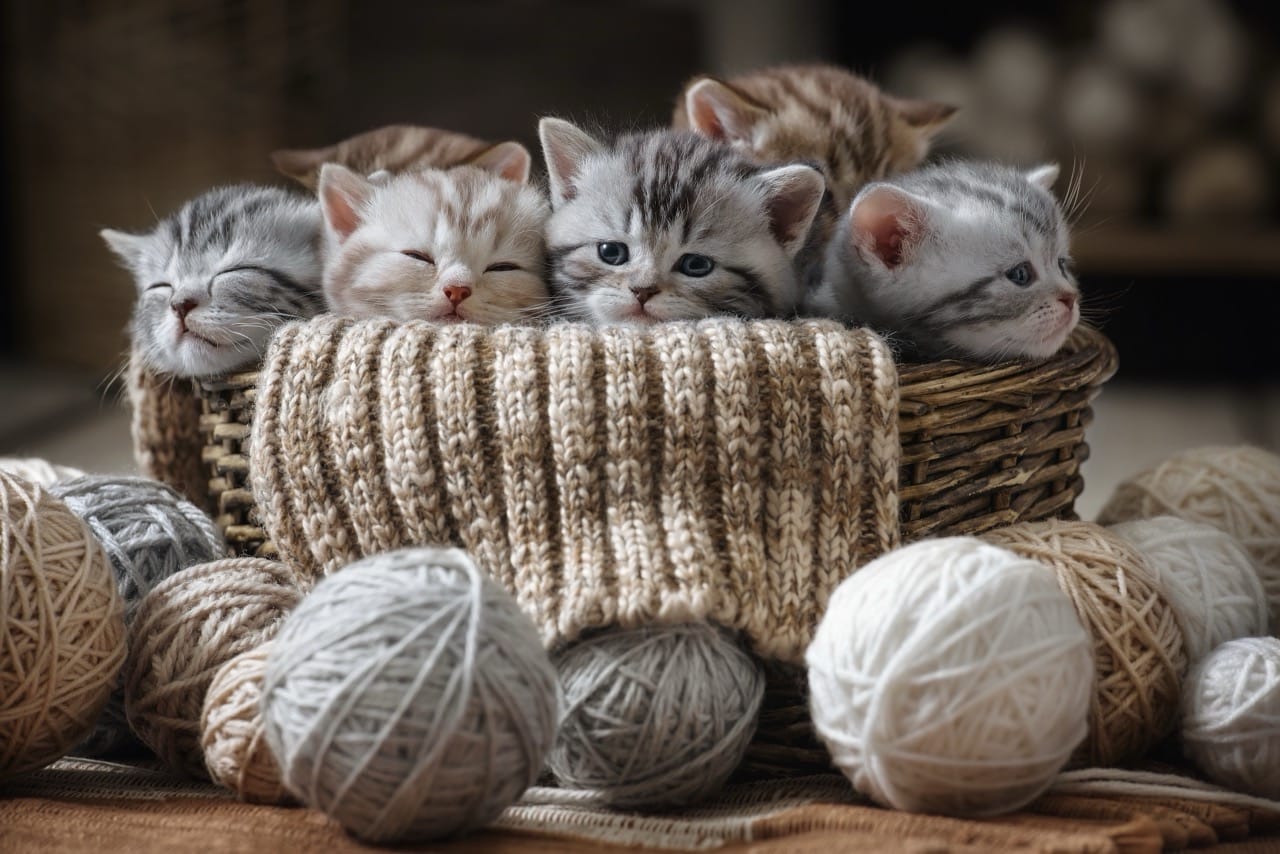
Quirky behaviors with practical roots Kneading, the rhythmic pushing of paws, is commonly linked to kittenhood, when kittens knead to stimulate milk flow. Many adult cats keep the behavior as a self soothing habit and may do it when they feel safe. Purring is often associated with contentment, but cats may also purr when stressed or in pain, possibly as a calming mechanism. The famous sudden burst of energy, sometimes called the zoomies, can be a release of stored energy and an outlet for predatory play. Even the classic nap is strategic: cats conserve energy for short periods of intense activity.
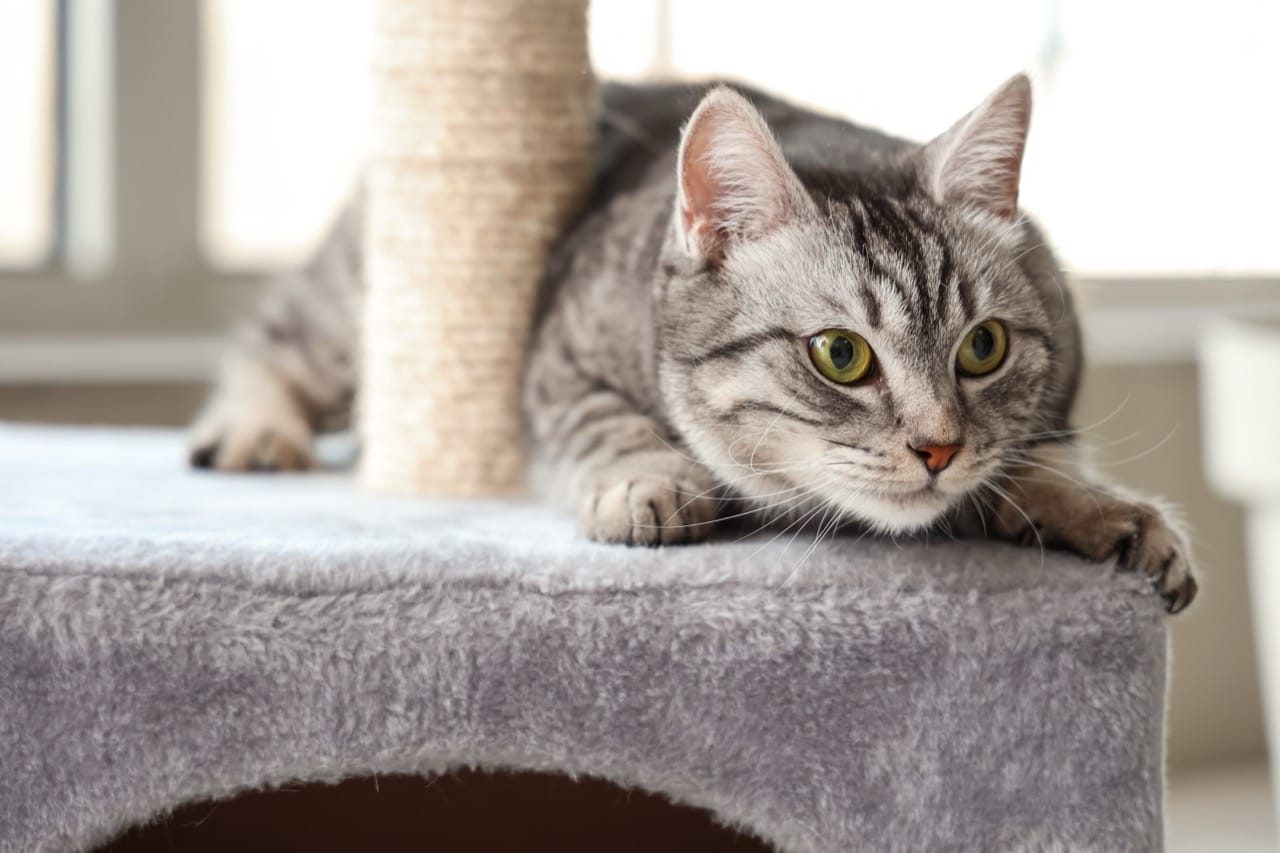
Athletic feats and physical surprises A cat’s spine is exceptionally flexible, allowing long strides and quick twists. Their shoulder blades are not attached like ours, which adds to their fluid movement. Powerful hind legs make them impressive jumpers, and while exact records vary, it is normal for a healthy cat to leap several times its own height. Their righting reflex helps them orient in midair, though it does not make them invincible. Falls can still be dangerous, and indoor safety measures matter.
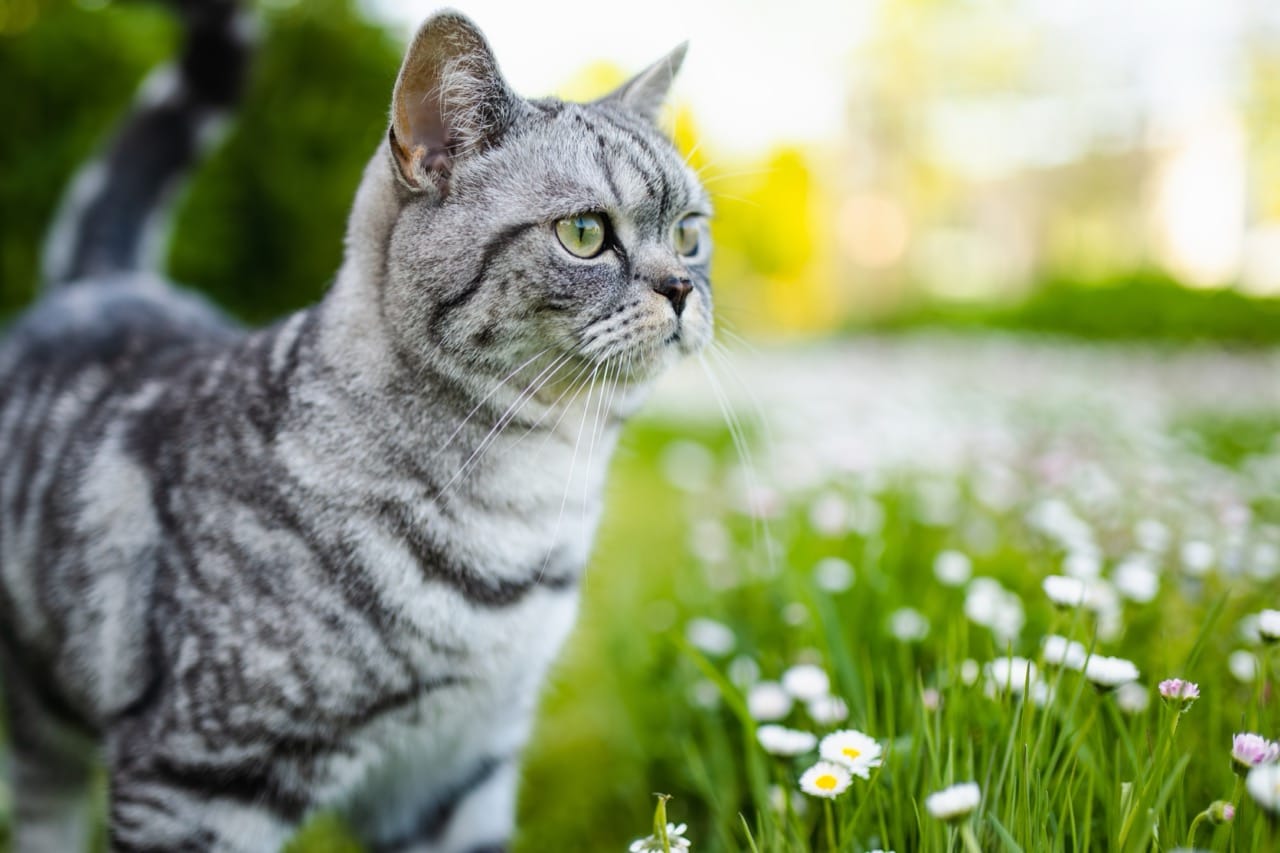
Coats, breeds, and cultural history Coat patterns are a mix of genetics and chance. The familiar tabby pattern comes in several types, including classic swirls and narrow mackerel stripes. Calico and tortoiseshell coats are usually female because the color genes are linked to the X chromosome. Breeds reflect both natural adaptation and human selection, from thick coated cats suited to cold climates to sleek, short haired types. Historically, cats likely became companions by controlling rodents around early agriculture. They gained strong cultural roles, revered in some places and misunderstood in others, yet their practical value and charisma kept them close to human life.
Conclusion Cats are a blend of mystery and measurable biology: scent based communication, specialized senses, and behaviors that echo their hunting ancestry. Paying attention to whiskers, tail posture, vocal patterns, and everyday routines reveals a complex animal that has adapted brilliantly to living with humans. The more you learn, the more each purr, blink, and leap feels like a small window into Whiskerland’s wonders.
.jpg "Truth or Tail Feline Mythbuster Quiz")