




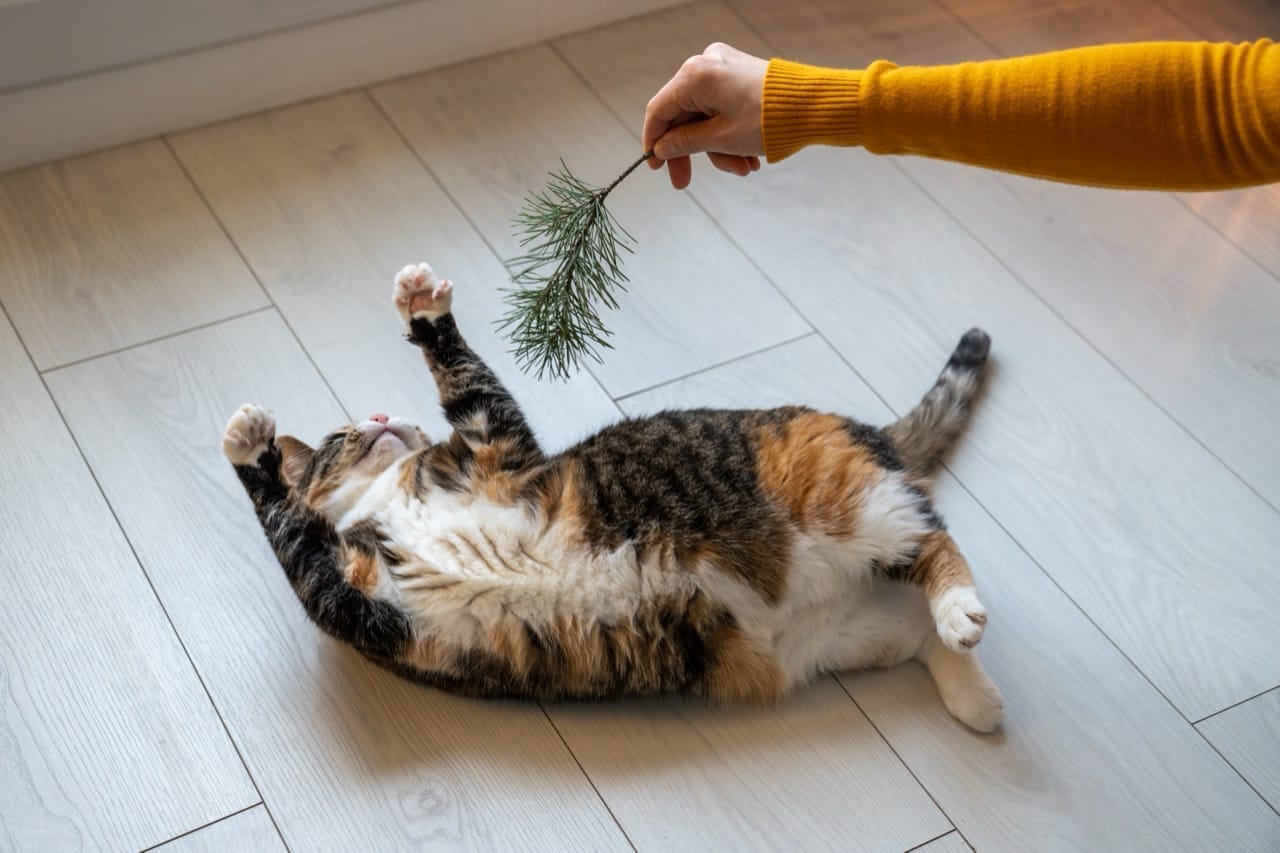




Cats can look like effortless loungers, but beneath the naps and slow blinks is a finely tuned predator with senses and behaviors shaped by thousands of years of hunting and living alongside people. Understanding how cats see, smell, move, and communicate makes many of their strangest habits feel less mysterious and a lot more logical.
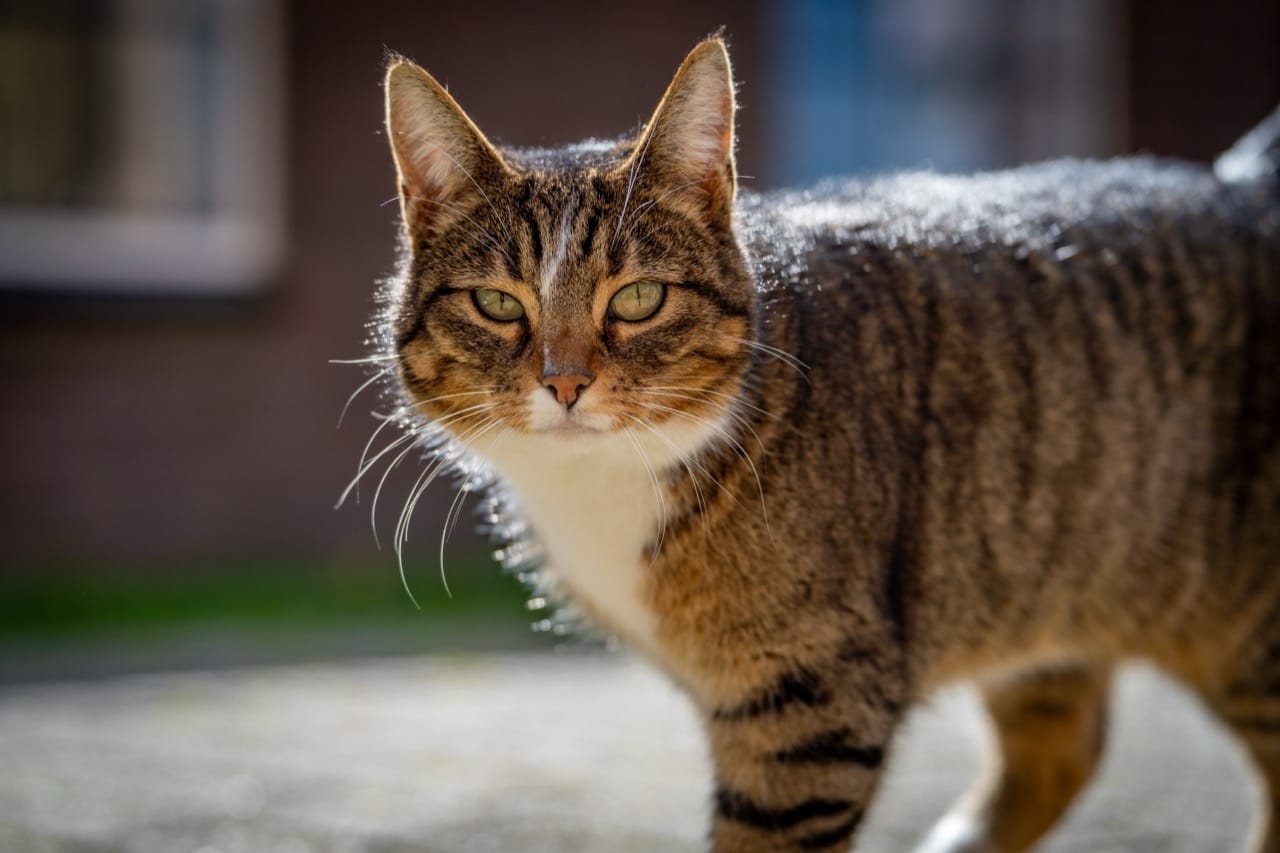
Night vision is one of the most famous feline advantages, but it is not magic. Cats have large eyes and a reflective layer behind the retina called the tapetum lucidum, which helps them make better use of low light. They also have many rod cells that detect movement and dim lighting well. However, cats do not see in complete darkness, and they are not great at seeing fine detail from far away. Their vision is optimized for spotting motion at dawn and dusk, when many small prey animals are active.
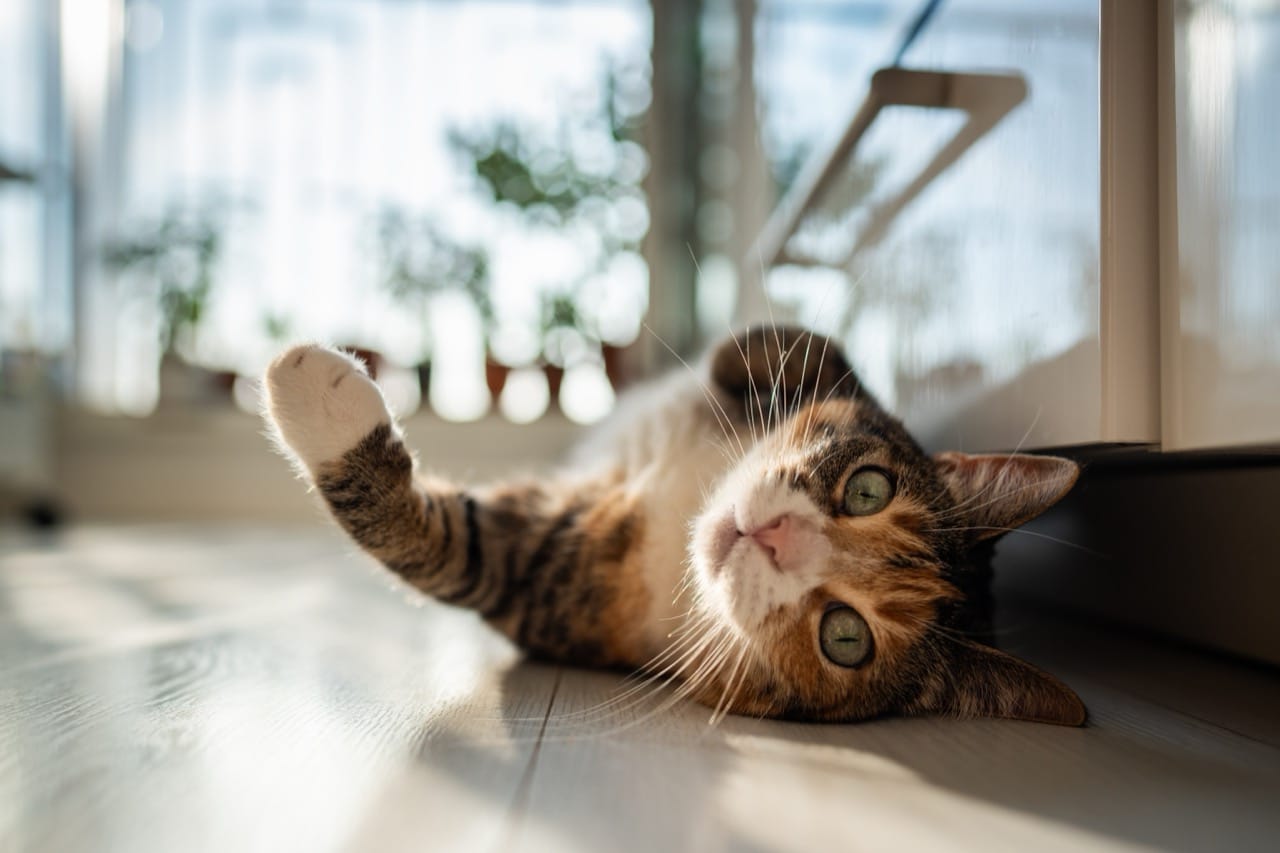
Whiskers are another built in superpower. These stiff hairs are not just decoration. They are connected to sensitive nerves and help cats judge spaces and track air currents. When a cat squeezes through a narrow gap or turns its head while stalking, whiskers provide rapid feedback about nearby surfaces. Whiskers can also reveal mood. Pushed forward often signals alert curiosity or excitement, while pulled back can indicate stress or defensiveness.
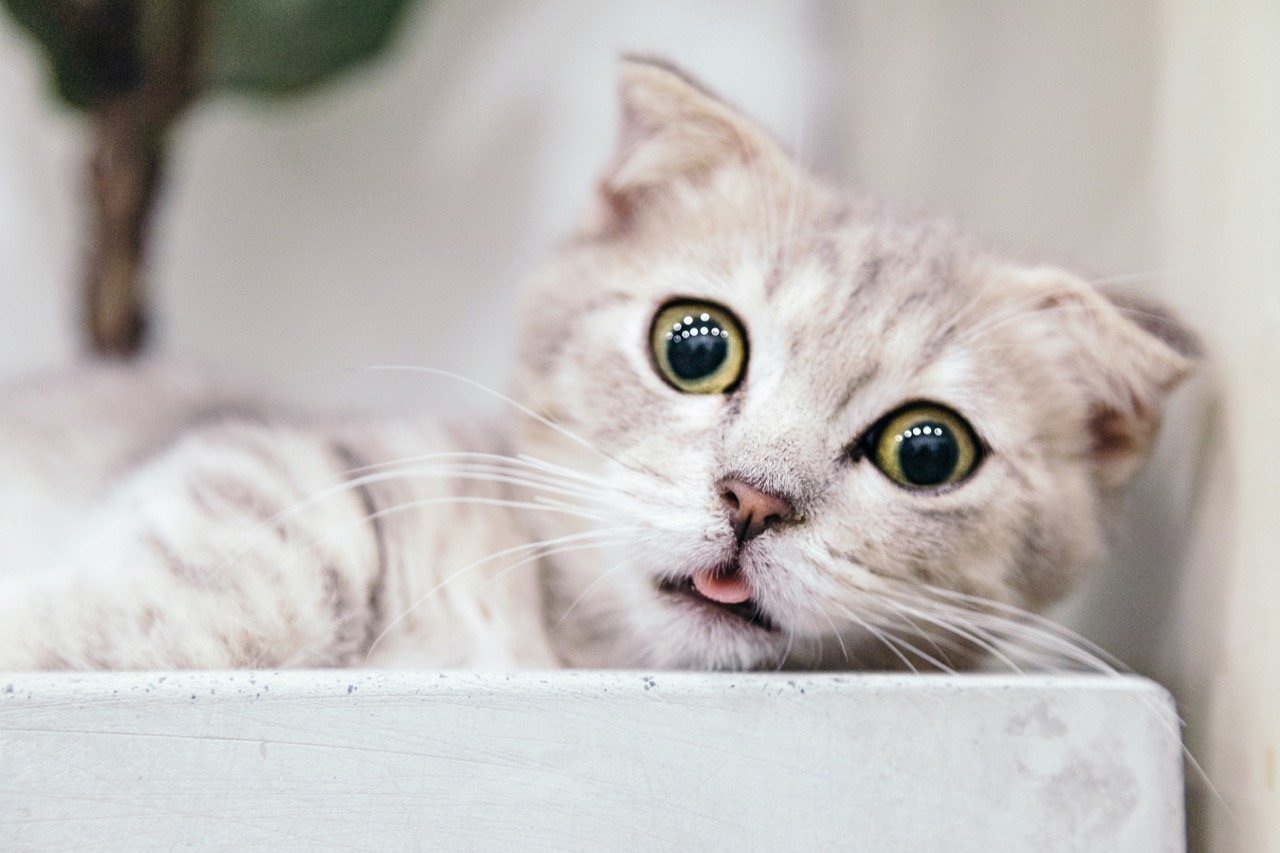
Scent is central to cat communication. Cats have scent glands on their cheeks, lips, forehead, paws, and tail base. When they rub their face on furniture or on you, they are depositing familiar scent cues that help them feel secure and mark a shared territory. Scratching does more than sharpen claws. It leaves both visible marks and scent from glands in the paws, basically a two part message to other cats. Cats also use a specialized organ in the roof of the mouth called the vomeronasal organ to analyze chemical signals. The open mouthed flehmen response, which can look like a dramatic grimace, is often a cat concentrating on a complex smell.
Purring is comforting, but it is not always a sign of happiness. Many cats purr when relaxed, yet they may also purr when anxious, injured, or seeking comfort. Scientists have proposed multiple explanations, including self soothing and communication. One intriguing idea is that purring vibrations may have benefits for healing, because the frequency range overlaps with vibrations used in some therapeutic settings. The truth may be that purring serves several purposes depending on context.
Then there are the zoomies, those sudden bursts of sprinting and sharp turns. Often this is normal energy release, especially in young cats or indoor cats with limited hunting outlets. It can also follow litter box use or occur at predictable times of day when cats are naturally more active. Providing play that mimics hunting, like short wand toy sessions with a final treat, can reduce frantic energy while satisfying instinct.
Cats may seem aloof, but their behavior is usually consistent once you read the signals. Slow blinking can be a friendly gesture. A tail held upright often signals confidence and social interest, while a twitching tail tip can mean rising arousal or irritation. Even the famous judgmental stare is often just focused observation.
Learning the science behind these everyday moments turns trivia into real understanding. The more you notice how your cat uses eyes, whiskers, scent, and sound, the more you can meet its needs and enjoy its quirks. With sharper instincts and better facts, you are ready for the Whisker Wisdom Challenge and for seeing your household companion in a whole new light.




.jpg "Truth or Tail Feline Mythbuster Quiz")