

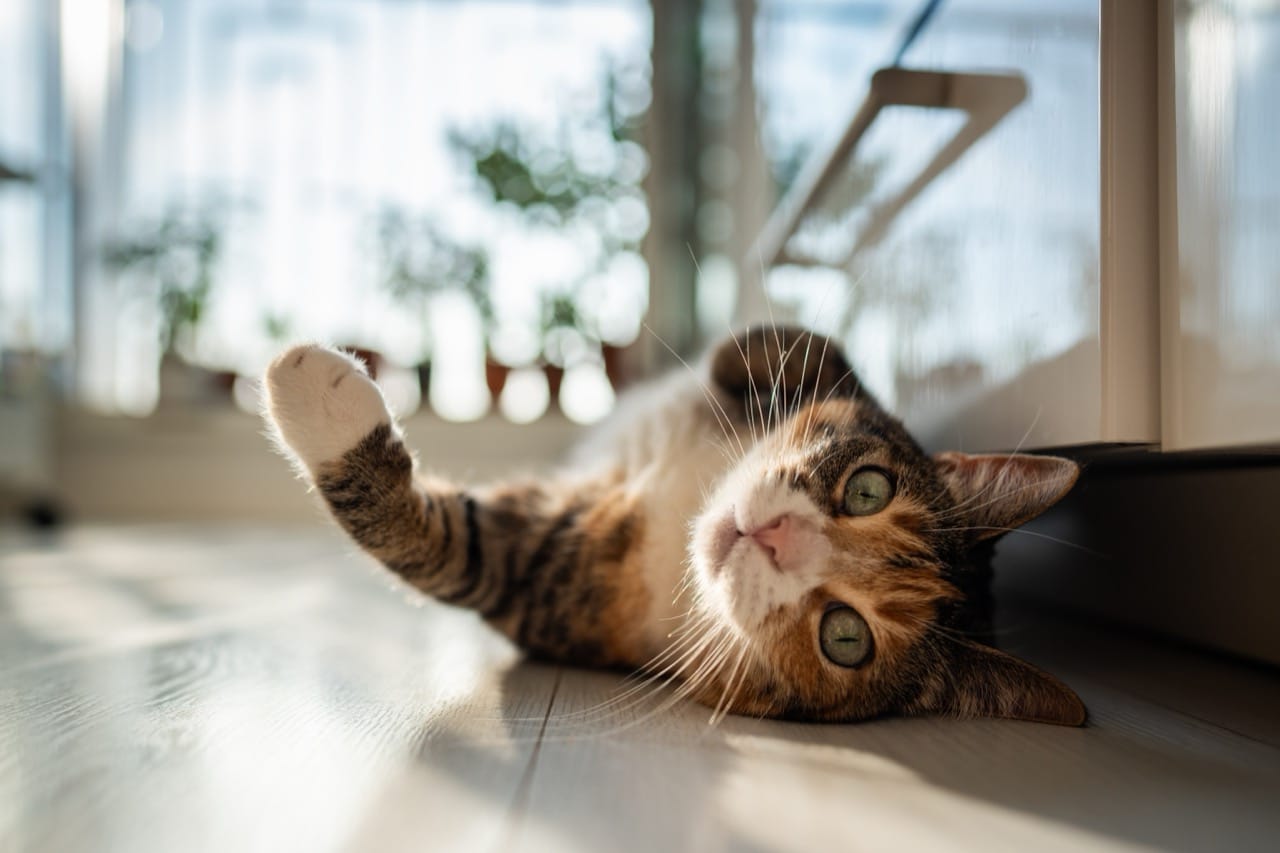
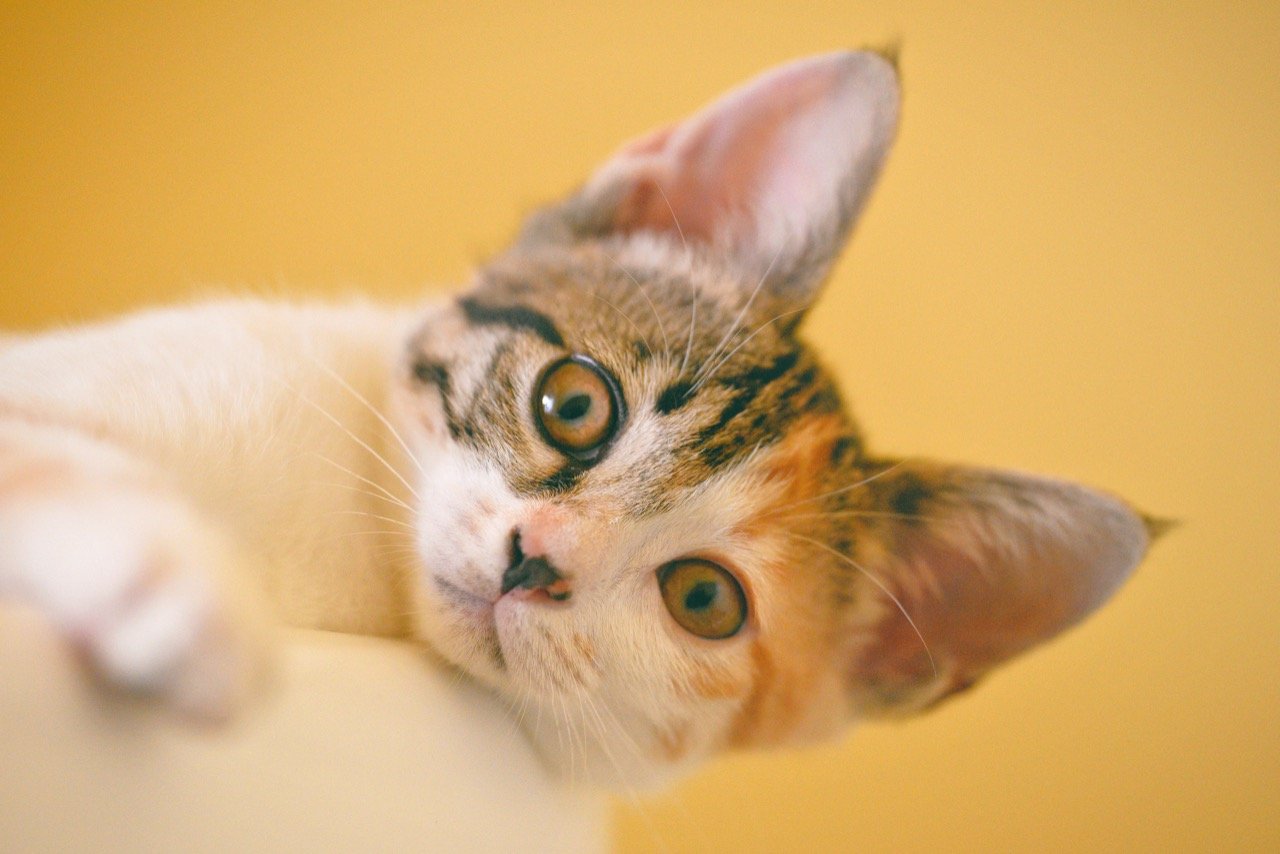
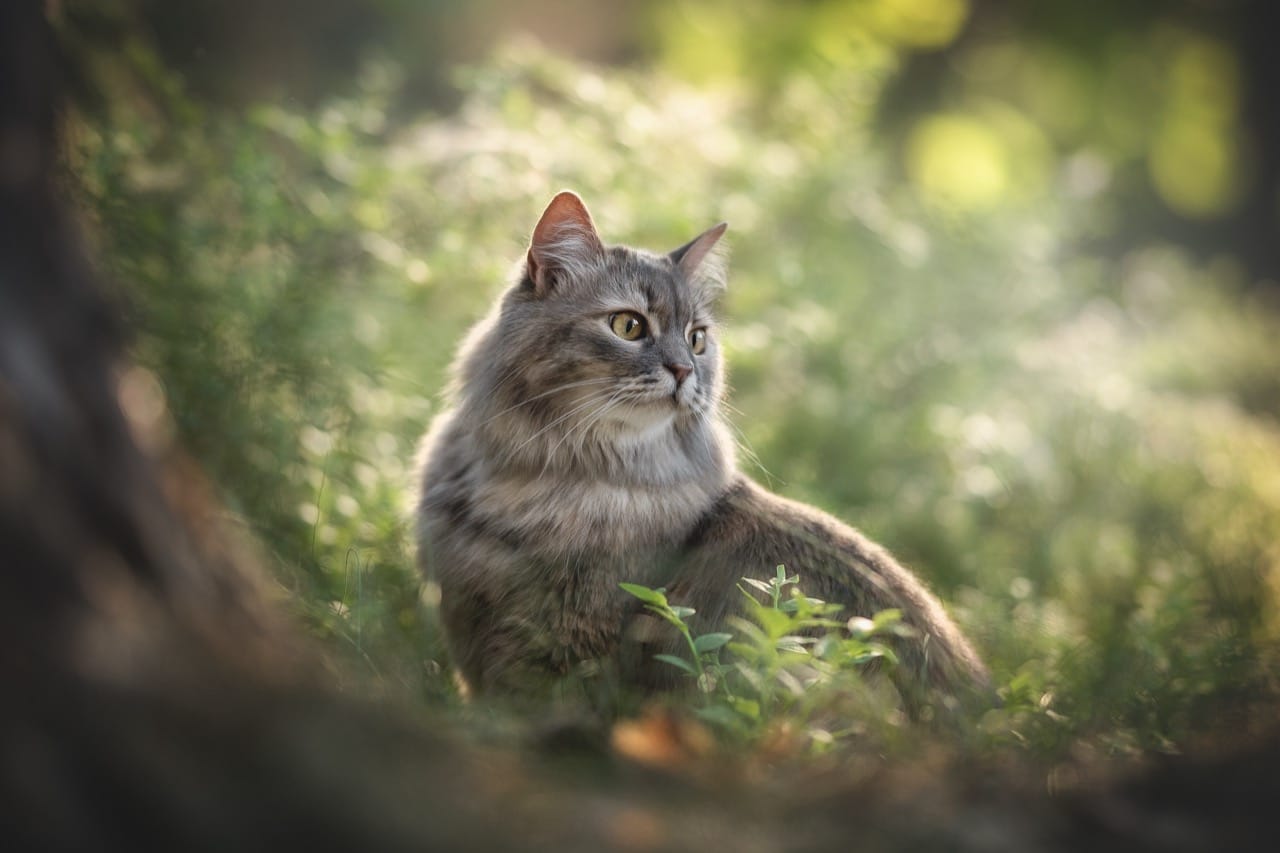
Introduction Cats move through our lives like quiet riddles: soft pawsteps, sudden bursts of speed, and an uncanny ability to make a cardboard box seem more valuable than any expensive bed. Behind the mischief and naps is an animal shaped by ancient partnerships with people, finely tuned senses, and a biology built for stealth. Understanding a few key facts about cats makes their everyday behaviors feel less mysterious and a lot more impressive.
Origins, seafaring, and royal respect Domestic cats likely began their close relationship with humans thousands of years ago, when early farming communities stored grain that attracted rodents. Wildcats that tolerated people gained easy hunting opportunities, and humans benefited from pest control. Over time, this loose alliance became companionship. Cats also traveled widely. Sailors valued them on ships for controlling rats and mice that threatened food supplies and ropes. A good ship cat was more than a mascot; it was practical protection. In some cultures, cats earned extraordinary status. Ancient Egypt is the most famous example, where cats were associated with protection and were treated with deep reverence. While the details can be romanticized, the broader truth stands: cats have long been woven into human society as both helpers and symbols.
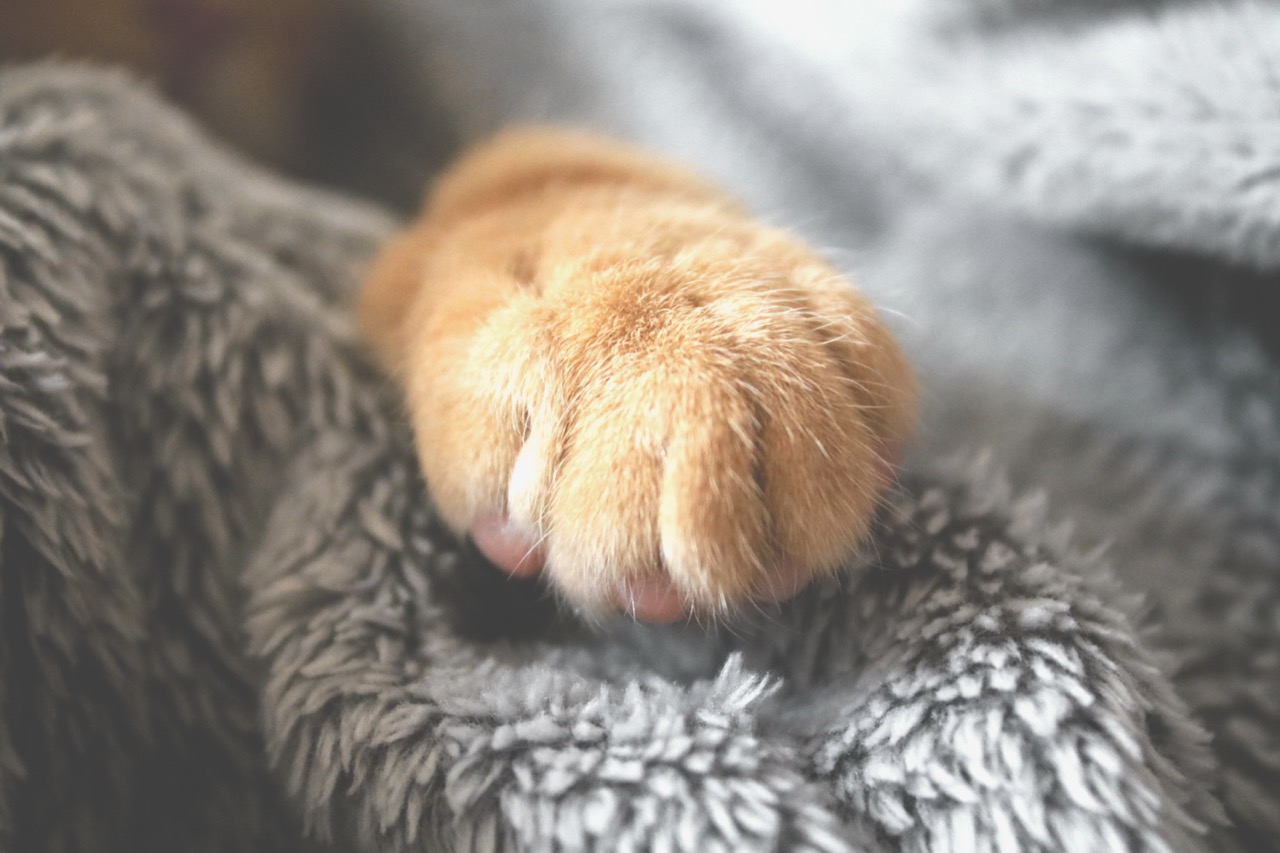
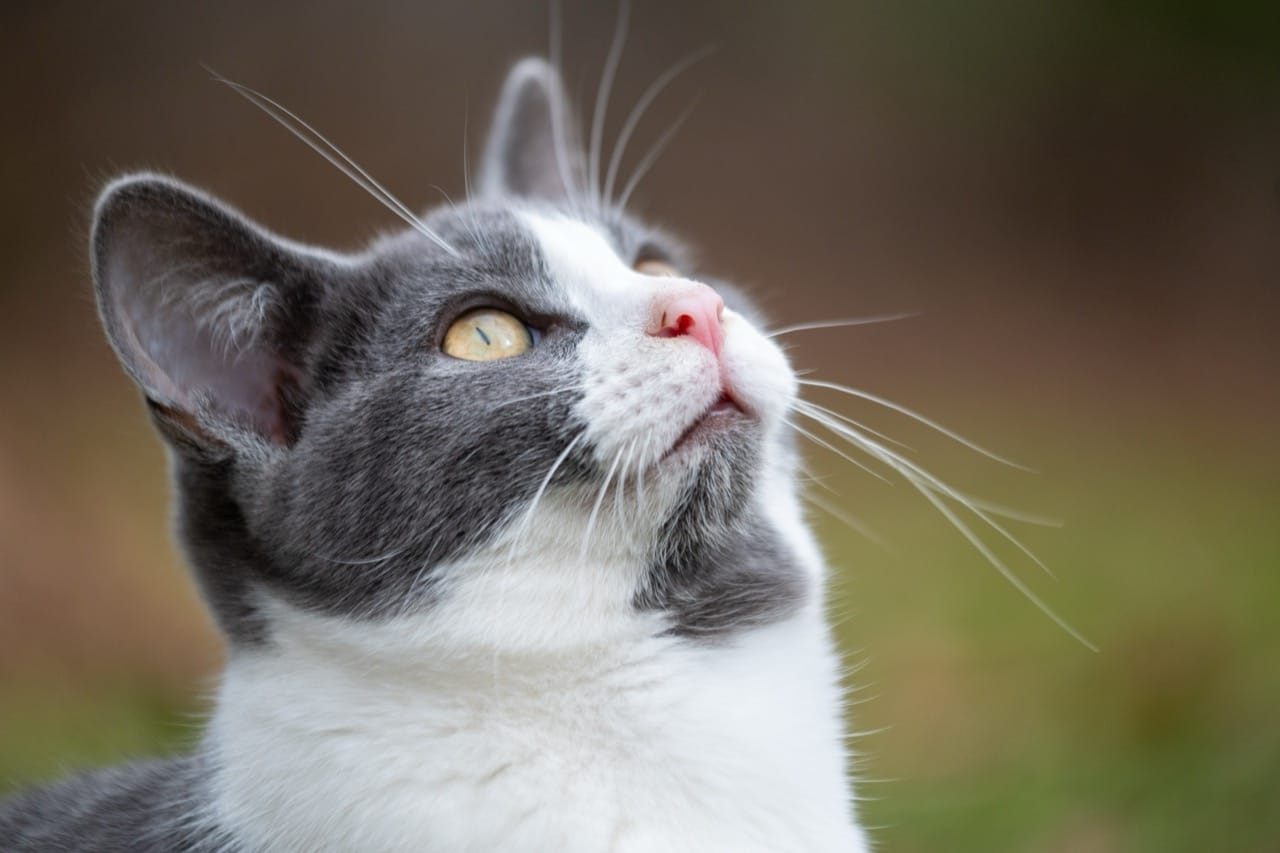
Built for night shifts: senses and hunting design A cat is a specialist predator. Their flexible spine and powerful hind legs enable sudden acceleration and high jumps. Retractable claws stay sharp because they are protected when not in use, and the rough tongue helps strip meat from bone and groom fur efficiently. Their senses are tuned for hunting. Cats see well in low light thanks to a reflective layer behind the retina that boosts available light, which is why eyes can seem to glow at night. Their hearing is highly sensitive, especially to high pitched sounds made by small prey. Whiskers are not just decoration; they are sensory tools that detect air movement and help estimate whether the cat can fit through a space. Even the whiskers on the legs can help sense the position of prey.
Communication: purrs, meows, and tail talk Cats communicate with a blend of scent, body language, and sound. Rubbing against furniture or people deposits facial pheromones, marking familiar territory and social bonds. Tail position, ear angle, and slow blinking can signal comfort, caution, or agitation. Meowing is especially interesting because adult cats rarely meow at each other; many reserve it for humans. Over time, cats may learn which vocal patterns get attention, food, or access to a favorite room. Purring is often linked to contentment, but cats may also purr when stressed, injured, or seeking comfort. It can function as a self soothing signal as much as a sign of happiness.
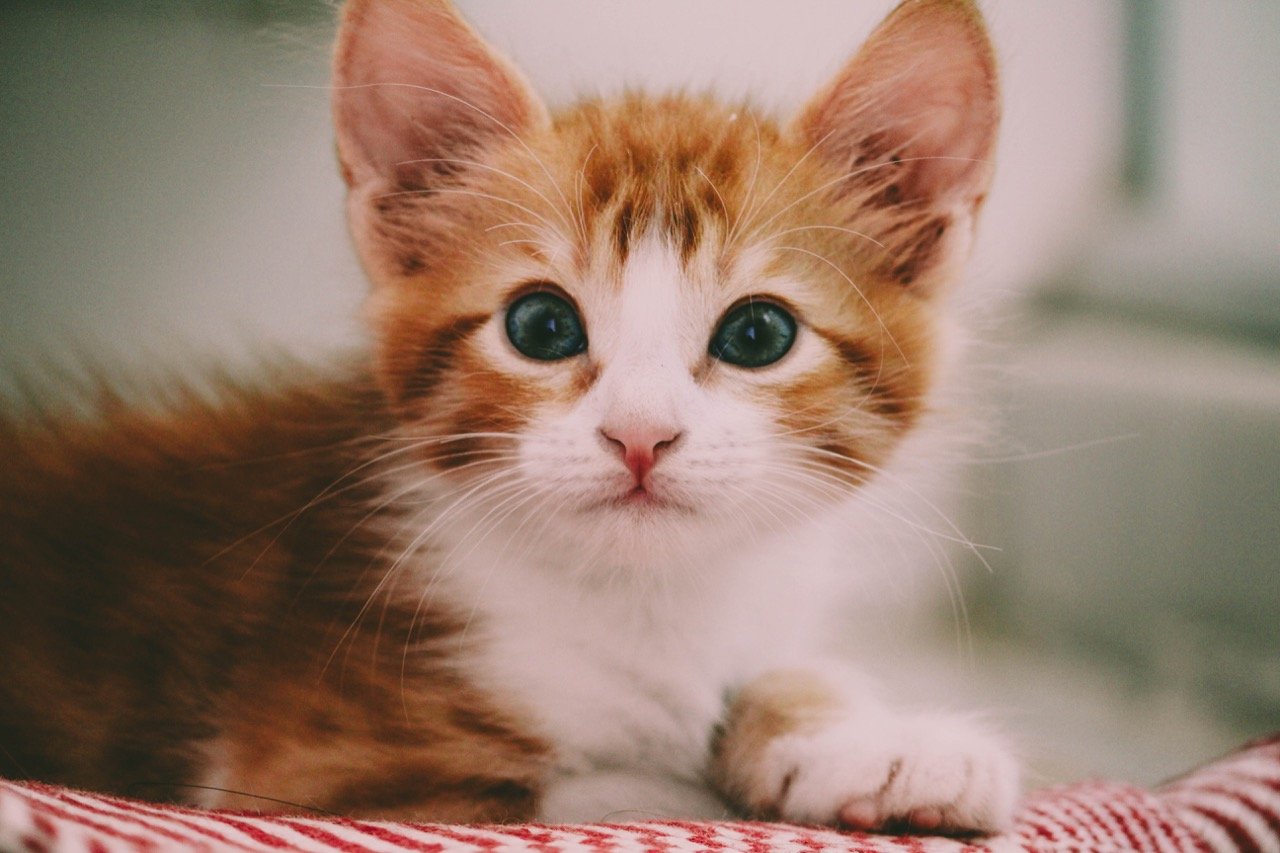
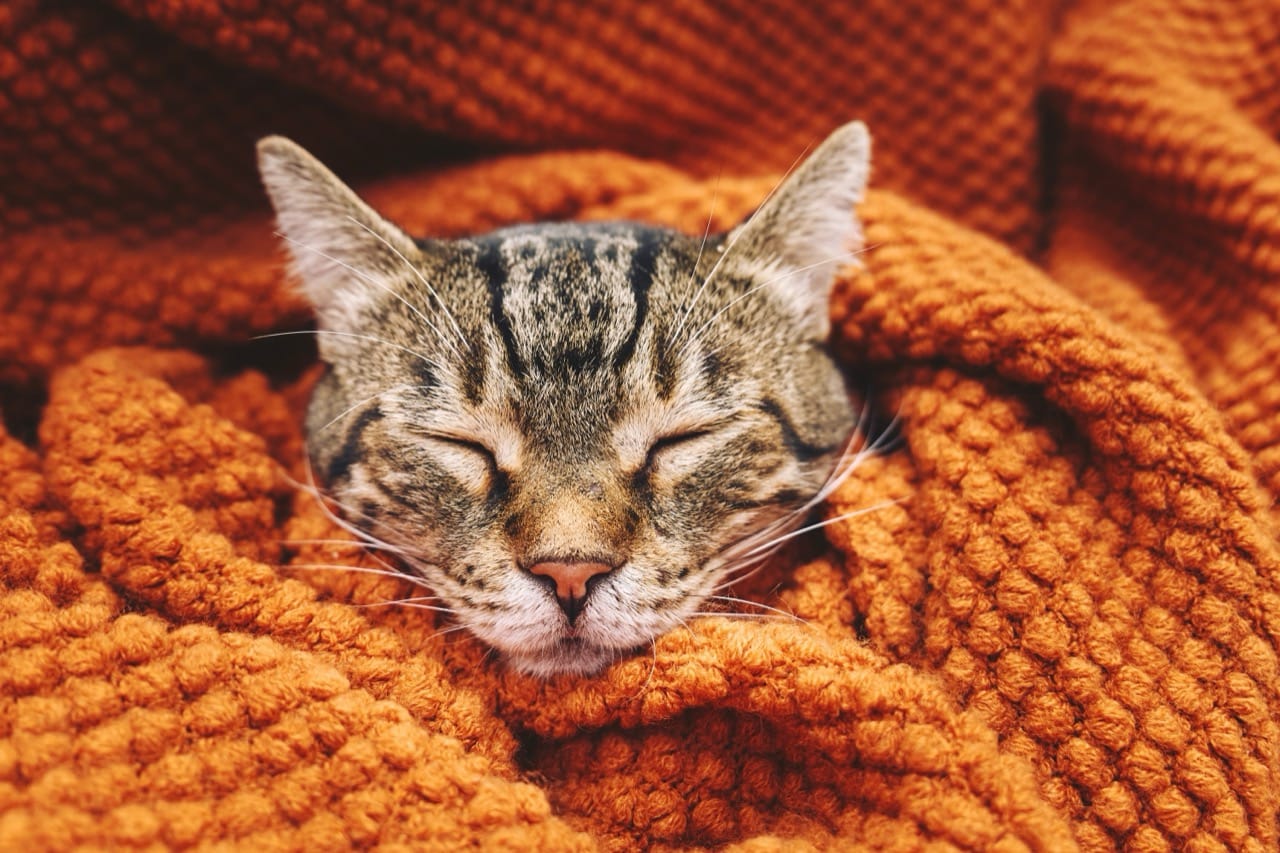
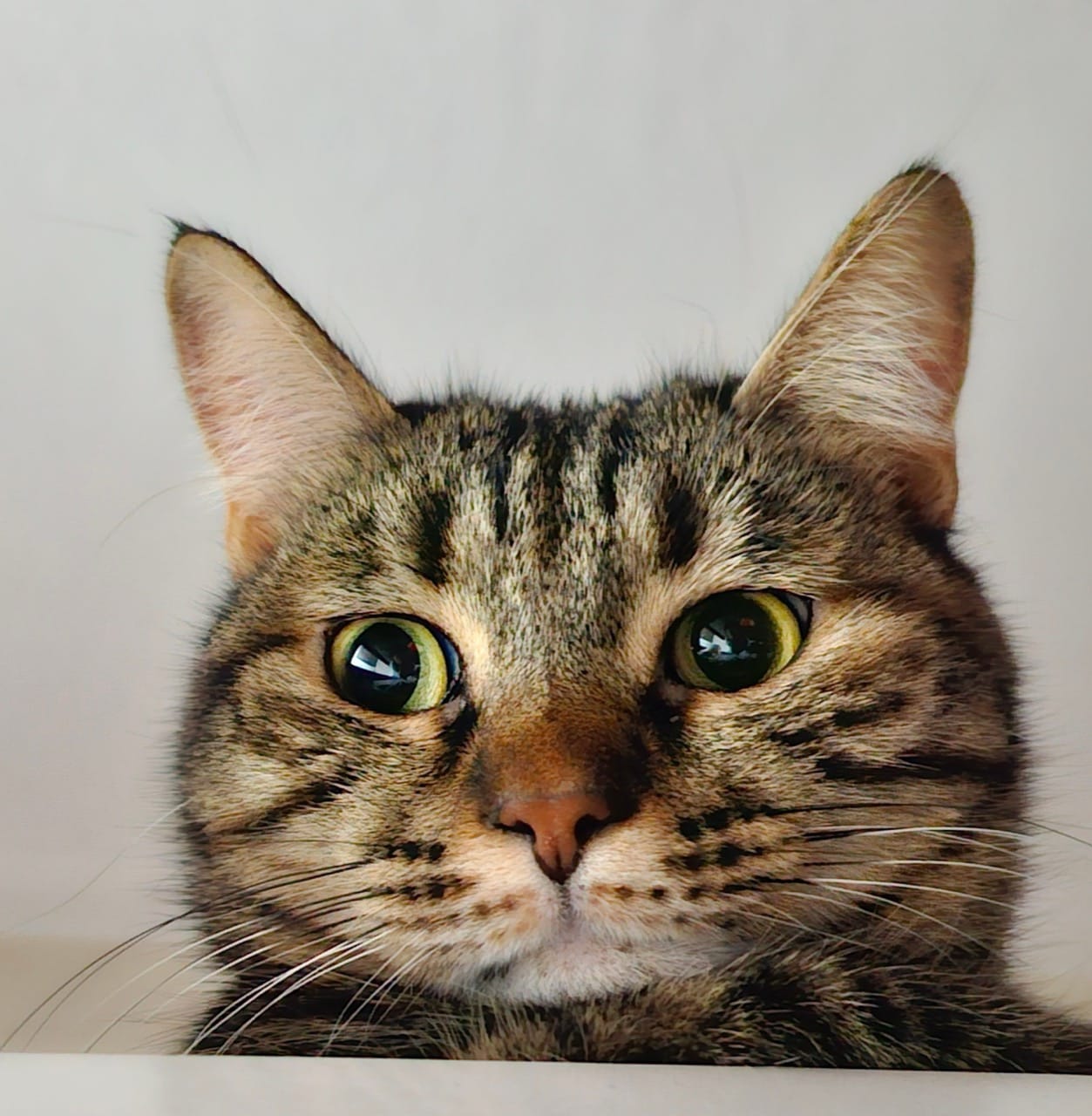
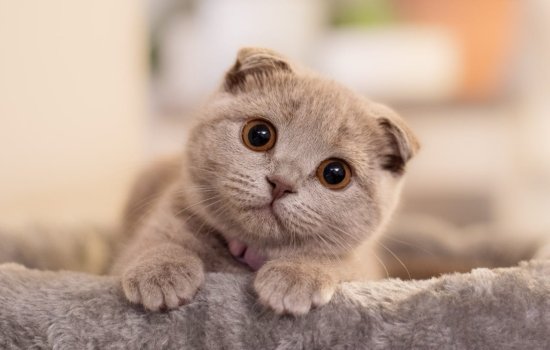
Coats, patterns, and selective breeding Coat colors and patterns are a living genetics lesson. Tabby patterns, for example, come in classic swirls, stripes, or spotted variations, influenced by how pigment is distributed along the hair. White fur can be linked to genes that reduce pigment, and in some cases it correlates with a higher likelihood of deafness, especially in blue eyed white cats. Selective breeding has produced distinctive looks and temperaments, from long haired coats to flat faces and unusual ear shapes. While breed variety can be fascinating, it also highlights the importance of responsible breeding. Extreme traits may come with health risks, so a cute appearance should never outweigh comfort and well being.
Record breakers and everyday oddities Cats set remarkable records, from extraordinary jumps to impressive ages, but their everyday feats are just as notable. The righting reflex helps many cats twist midair to land on their feet, although it is not a guarantee of safety. Their internal clock also explains why some become midnight athletes: a natural crepuscular tendency means they are often most active at dawn and dusk.
Conclusion Cats are more than elegant loungers and comedic troublemakers. They are skilled predators shaped by history, biology, and a long partnership with humans. The next time a cat turns a laundry basket into a throne or chirps at a window bird, you are seeing ancient instincts, sharp senses, and clever communication in action. Knowing the lore behind the whiskers makes every purr and pounce feel like part of a much bigger story.

.jpg "Truth or Tail Feline Mythbuster Quiz")