

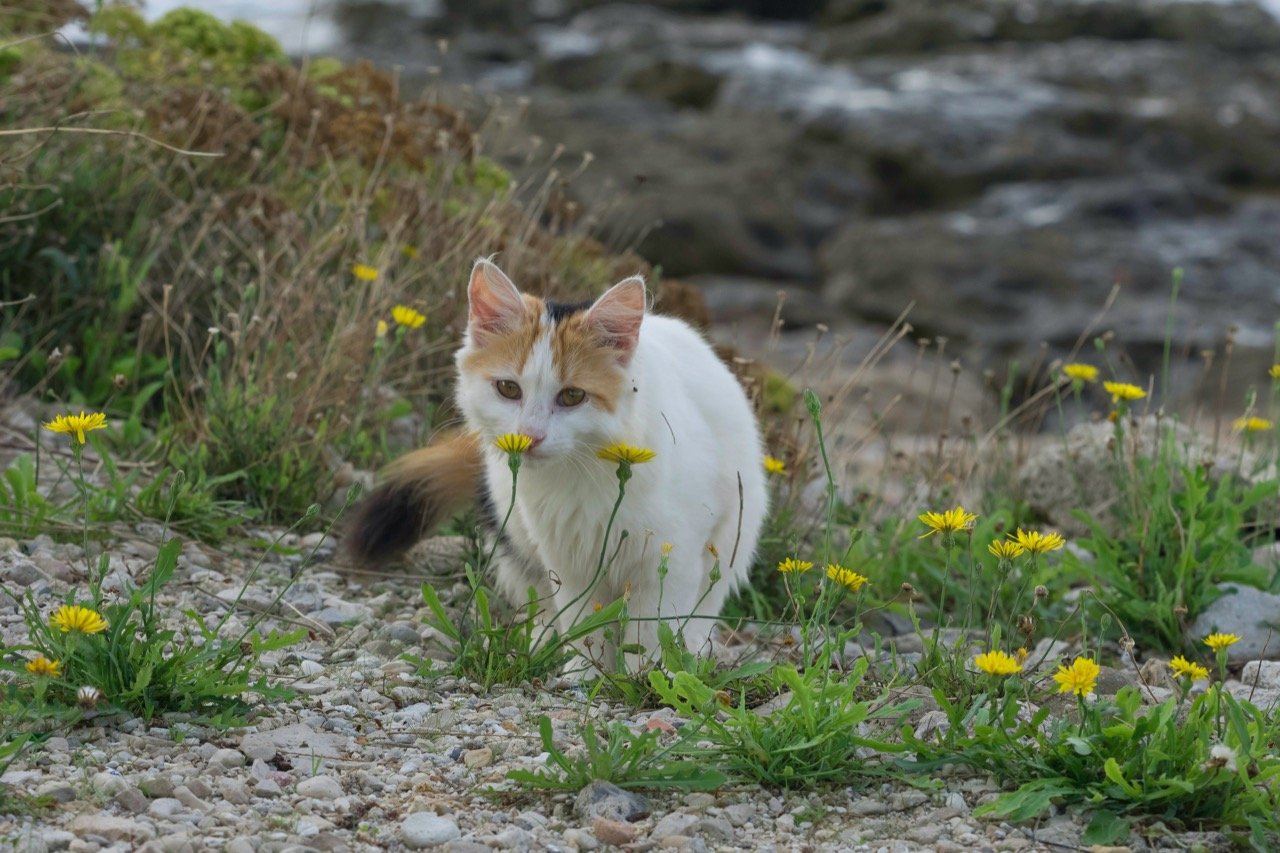

Introduction Cats often act like they are following a private handbook of rules, but many of their strangest behaviors have practical explanations rooted in evolution, anatomy, and a long history alongside humans. From glowing eyes to gravity-defying landings, the “mystery” of cats becomes even more interesting when you learn what is really going on.
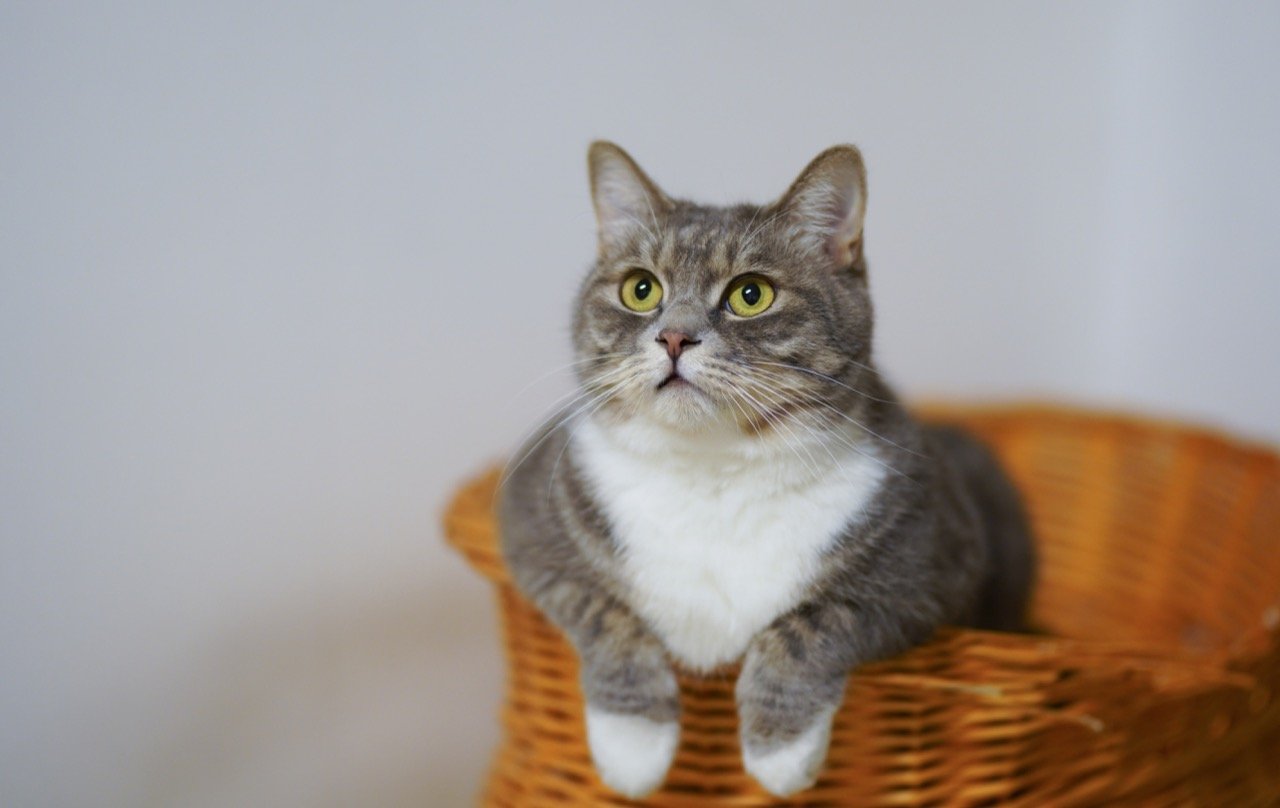
Night vision and the famous eye glow A cat’s eyes can appear to glow in the dark because of a reflective layer behind the retina called the tapetum lucidum. It works like a mirror, bouncing light back through the retina to give photoreceptor cells a second chance to detect it. This improves low-light vision, which helped their ancestors hunt at dawn and dusk. The tradeoff is that cats do not see fine detail as sharply as humans in bright light. Their pupils also widen dramatically, letting in more light when needed and narrowing to thin slits in daylight to protect the sensitive retina.
How cats land so gracefully Cats are not magically immune to falls, but they do have a remarkable righting reflex. When a cat begins to fall, its inner ear and body sense orientation. It can twist its spine in midair, rotating the front half and back half independently, then spread its legs to increase air resistance and slow the fall. This helps it land feet-first more often than not. Still, high falls can cause serious injury, and indoor cats can be hurt by “short” falls too, especially onto hard surfaces.
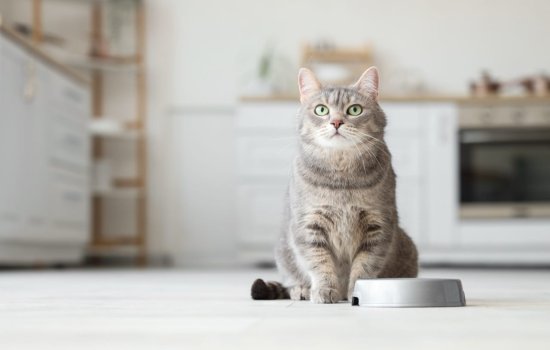
Whiskers as built-in measuring tools Whiskers are not just decorative. They are specialized hairs called vibrissae, embedded deeper in the skin and surrounded by sensitive nerve endings. When whiskers brush against objects or detect tiny air currents, they provide detailed information about nearby surfaces. This helps cats navigate in the dark, judge whether a space is wide enough to squeeze through, and track moving prey. Many cats dislike having their whiskers constantly pressed against a narrow bowl, which is why a wide, shallow dish can reduce “whisker fatigue” and make mealtimes calmer.
Communication, scent, and the social side of “independence” Cats communicate with more than meows. They use body posture, tail position, ear angles, and slow blinking. Scent is even more important. Cats rub their cheeks and bodies on people and furniture to deposit pheromones from facial glands, marking familiar territory and building a shared group scent. Scratching also leaves both a visible mark and a scent signature from glands in the paws. Even purring is complex: it can signal contentment, but cats may also purr when stressed or in pain, possibly as a self-soothing behavior.
Domestication history and surprising records Unlike many domestic animals, cats largely domesticated themselves. Early agricultural societies attracted rodents, and wildcats that tolerated humans gained an easy food source. Over time, the friendliest and least fearful cats thrived near people. This partnership spread widely, and cats became valued for pest control as well as companionship. Modern cat culture includes some fun extremes, from impressive jumping ability to record-breaking longevity, but the most important “superpower” is adaptability: cats can thrive in many environments when their needs for safety, enrichment, and routine are met.
Conclusion Cats are not mysterious so much as finely tuned. Their glowing eyes, acrobatic landings, and whisker-guided prowling are solutions shaped by hunting, navigation, and social living. The more you learn about their biology and history, the more their quirks make sense and the more rewarding it becomes to share a home with an animal that is both wild at heart and perfectly suited to living alongside us.
.jpg "Truth or Tail Feline Mythbuster Quiz")