
Introduction Cats have a talent for looking calm while doing astonishing things. One moment they are a quiet lump of fur on the sofa, and the next they are sprinting down a hallway or landing neatly on a narrow ledge. Behind that cool confidence is a bundle of biology, history, and subtle communication that humans are still learning to read. Understanding a few key details, from whiskers to genetics, makes everyday cat behavior feel like a guided tour through a small museum of wonders.
Ancient companions with a complicated reputation The domestic cat likely began its partnership with people when early farming communities attracted rodents, and wildcats that tolerated humans gained a steady food supply. In ancient Egypt, cats were admired for protecting grain stores and took on religious importance, with laws and art reflecting their status. In medieval Europe, their image shifted dramatically, sometimes tied to superstition and fear. Yet even in places where cats were viewed with suspicion, their practical value as hunters kept them close. That long history helps explain why cats are both social enough to live with us and independent enough to seem like they are doing us a favor.
Built for stealth and sudden speed Cats are designed for ambush. Their flexible spine and powerful hind legs act like springs, letting them accelerate quickly and leap many times their body length. A key curiosity is the righting reflex. By using their inner ear for balance and twisting their spine, cats can rotate their body midair to land on their feet in many falls. It is not magic and it is not guaranteed at very low heights, but it is a remarkable combination of anatomy and reflexes.
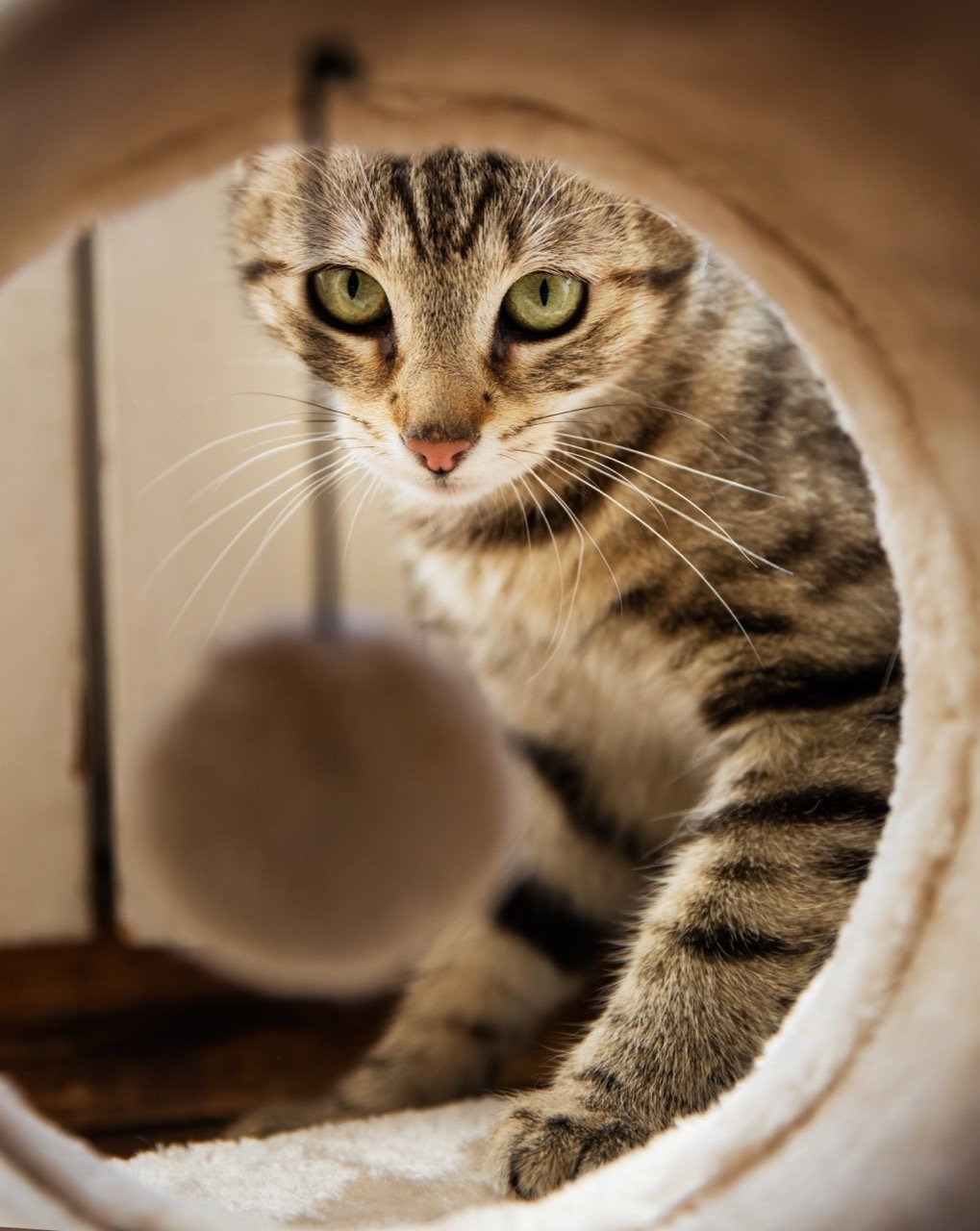
Whiskers, senses, and the hidden map of a room Whiskers are not just long hairs. They are specialized sensory tools connected to nerves and muscles, helping cats detect air currents and judge spaces. This is why trimming whiskers can make a cat seem hesitant or clumsy. Cats also have excellent low light vision thanks to a reflective layer in the eye, but they do not see in total darkness and their color vision is more limited than ours. Their hearing is a standout feature, tuned to higher frequencies, which helps them detect small prey. Smell matters too, including a special organ in the roof of the mouth that reads chemical signals, which is why cats sometimes make a funny open mouthed face when investigating a scent.
Communication in small gestures A slow blink is often a sign of comfort and trust, not sleepiness. Many cats respond positively if you return a slow blink, because it resembles relaxed social behavior. Purring is another famous signal, but it is not always a sign of happiness. Cats may purr when stressed, injured, or seeking comfort. Tail position, ear angle, and whisker posture often tell you more than a meow. Interestingly, adult cats rarely meow at each other. Many reserve meowing for humans, as if they have learned that we respond better to vocal cues than to scent and body language.
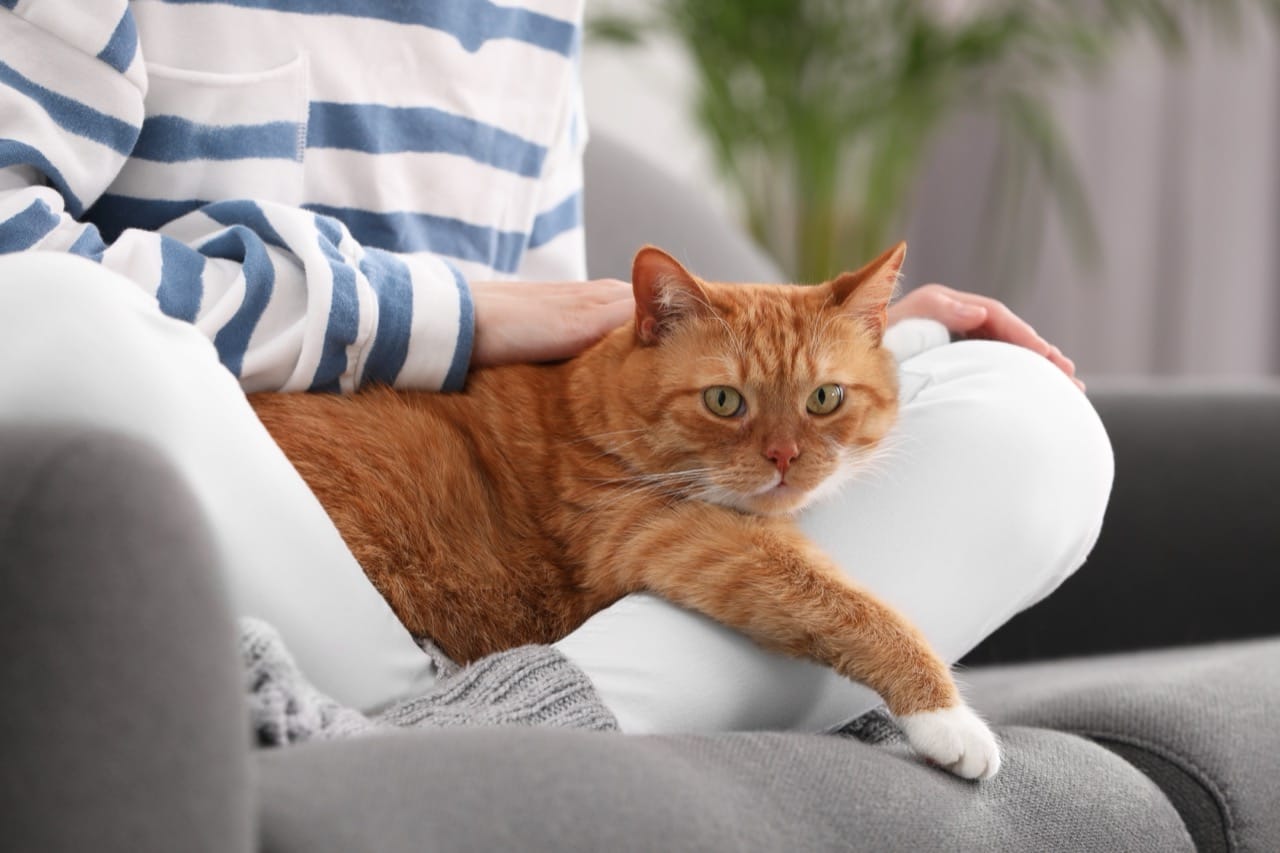
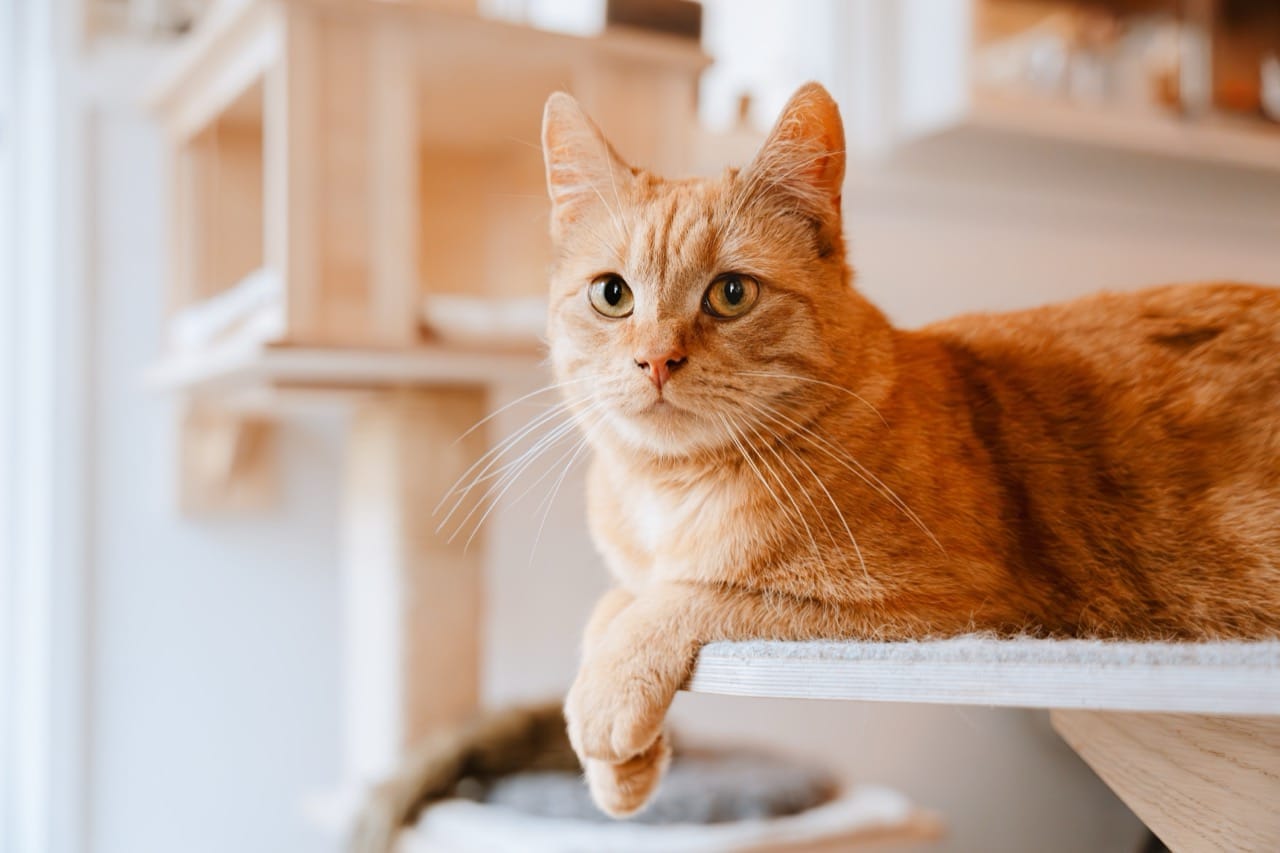
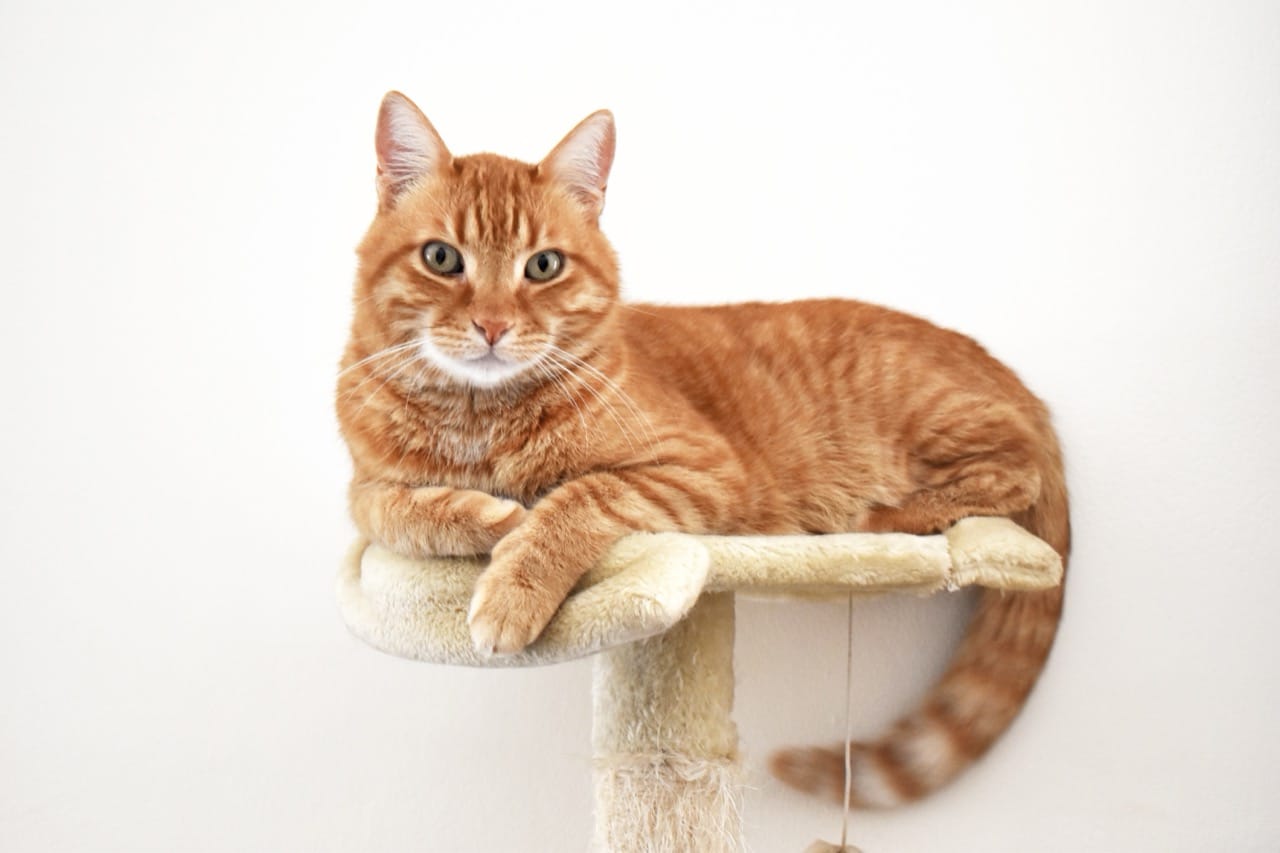
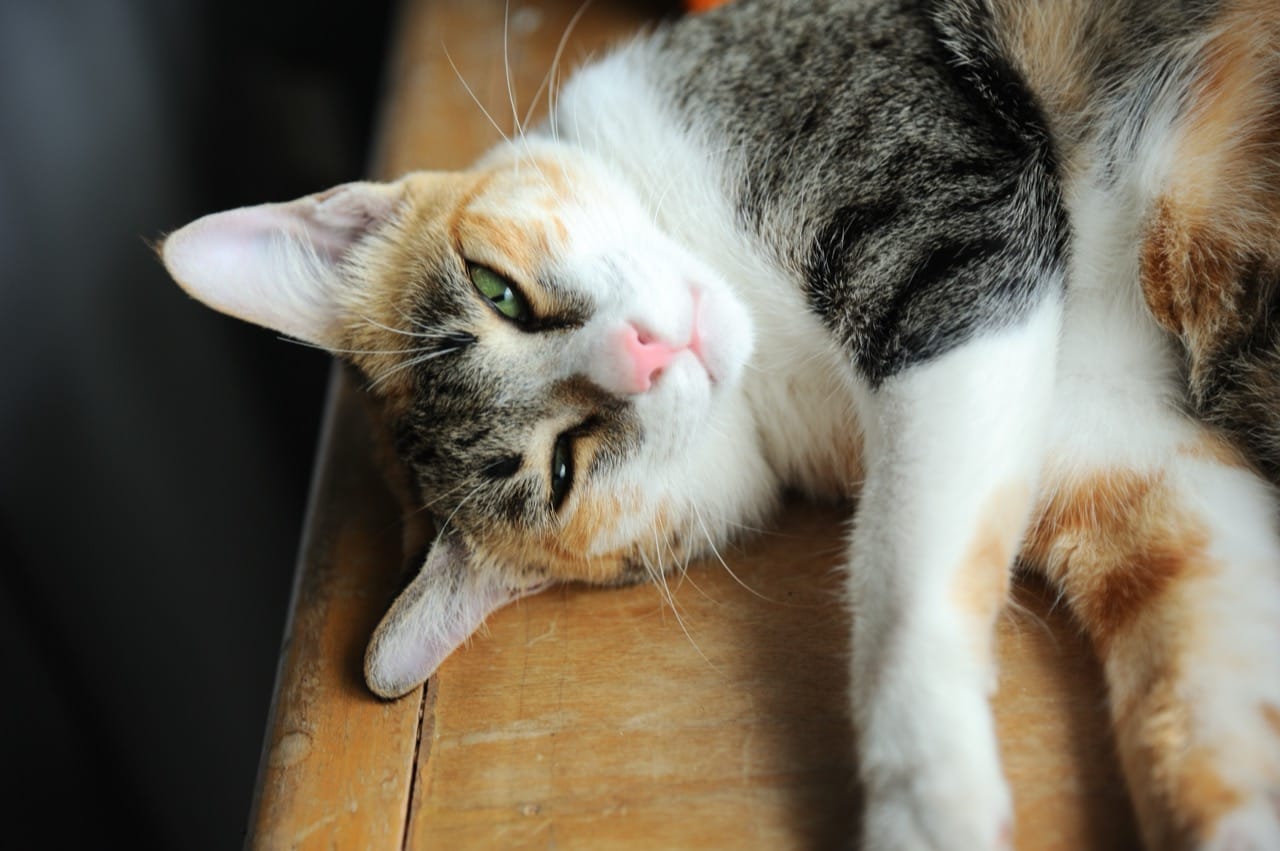
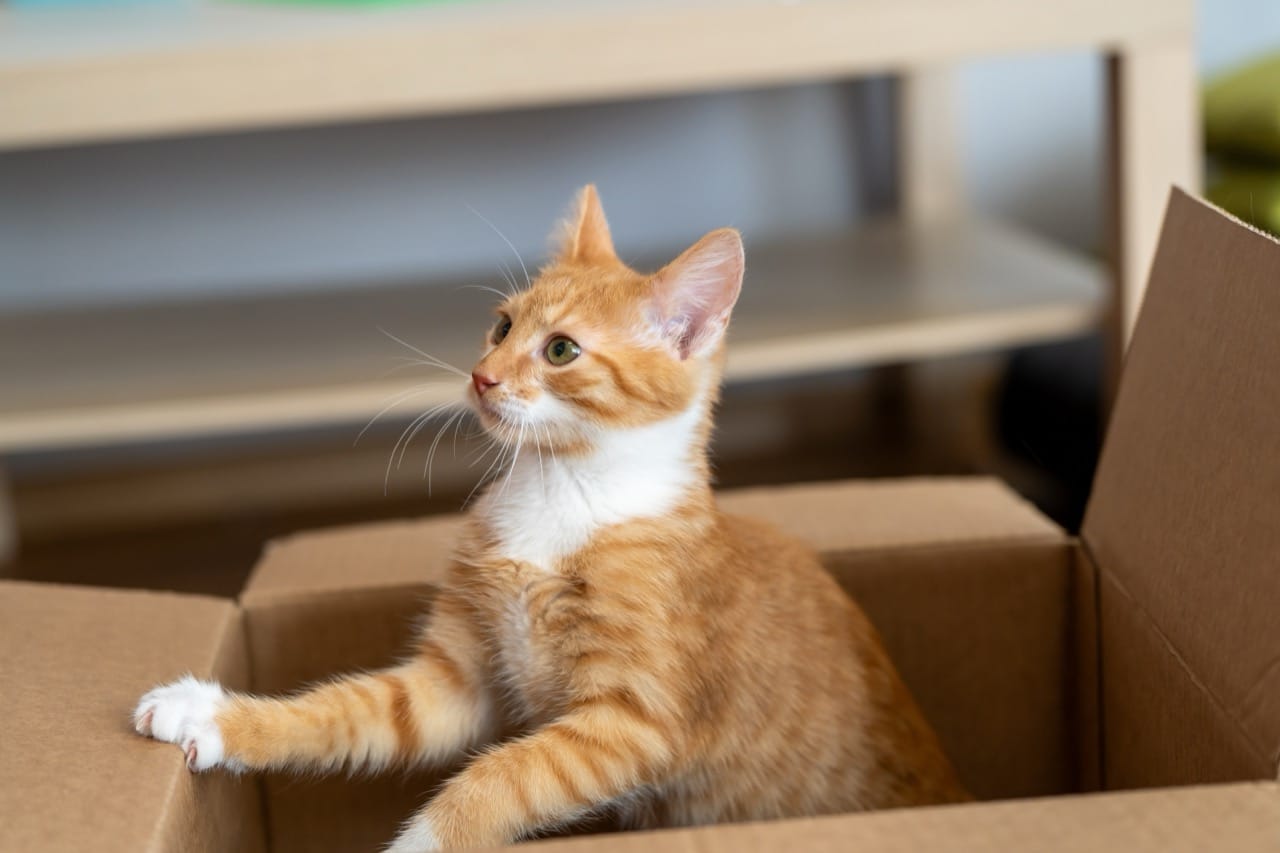
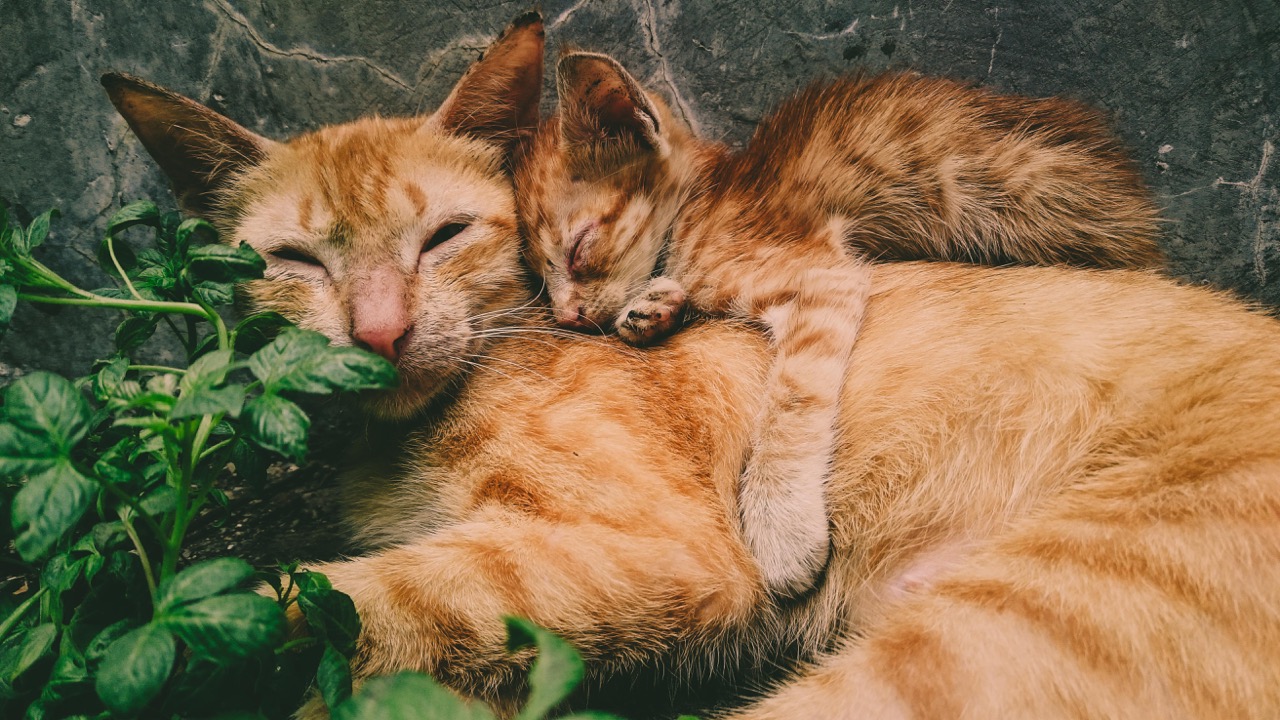
Breeds, genetics, and famous felines Many people assume a cat breed predicts personality the way dog breeds can, but cats show wide individual variation. Coat color and patterns come from a mix of genes, including those that control pigment distribution and hair length. Most orange cats are male due to how the color gene is linked to sex chromosomes, while calico and tortoiseshell patterns are more common in females for the same reason. As for famous felines, history is full of them, from cats that lived in libraries and ship crews to modern internet celebrities. Their fame often highlights a truth: humans shape cat lives through selective breeding, indoor living, and the environments we create, for better and sometimes for worse.
Conclusion Cats are not mysterious because they are unknowable. They are mysterious because they are subtle, finely adapted, and full of elegant solutions to survival. When you notice the twitch of a whisker, the meaning of a slow blink, or the physics behind a midair twist, an ordinary day with a cat becomes more interesting. The next time you hear those quiet pawsteps, you will be listening to a small marvel at work.
.jpg "Truth or Tail Feline Mythbuster Quiz")