
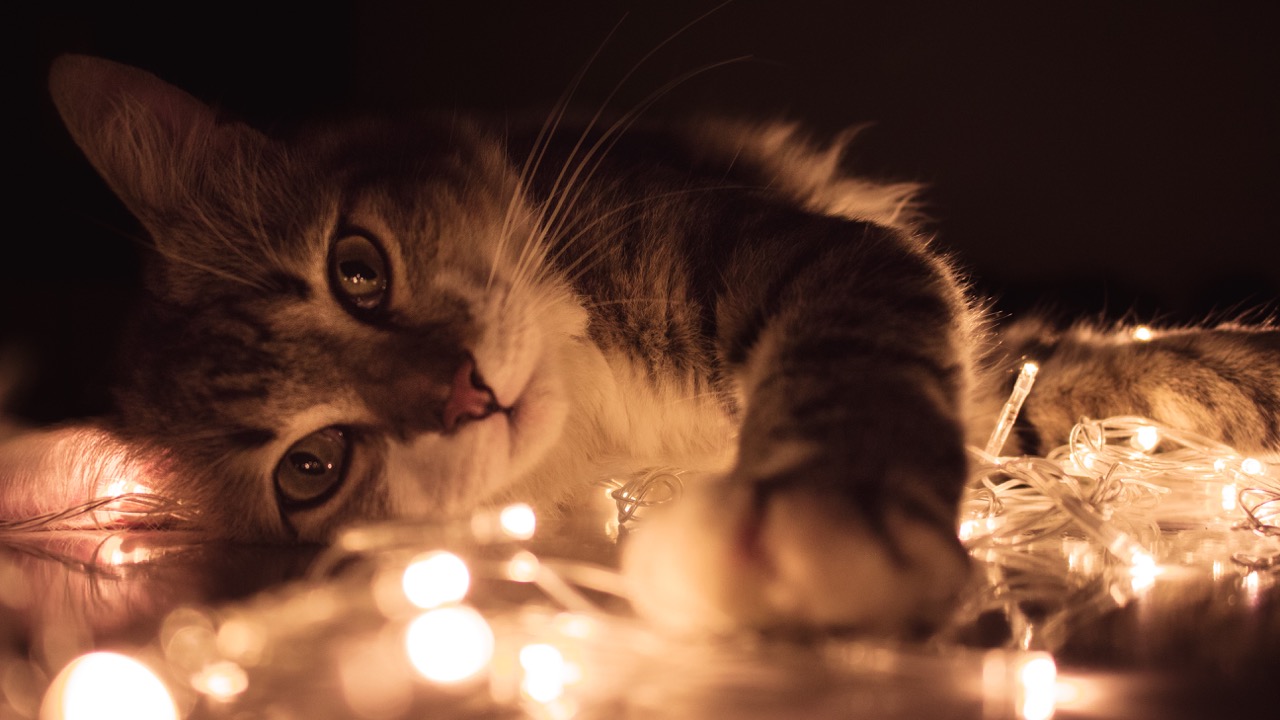
Introduction Cats have a special way of making everyday life feel like a puzzle. One minute they are peacefully curled up, and the next they are staring at the sofa as if it has secrets. These moments are not just random weirdness. Many common cat behaviors have roots in evolution, communication, and the unique way cats sense the world. Understanding a few basics can make their quirks feel less mysterious and even more fascinating.
Where house cats came from Modern house cats trace most of their ancestry to the African wildcat. Thousands of years ago, wildcats were drawn to early farming settlements where rodents gathered around stored grain. Cats that tolerated humans had an advantage, and humans benefited from natural pest control. Over time, this loose partnership turned into domestication, though cats kept much of their independent, solitary hunting style. That is why many pet cats still behave like small predators even when their food arrives in a bowl.
Kneading, purring, and comfort signals Kneading, the rhythmic pressing of paws into blankets or laps, begins in kittenhood. Kittens knead their mother to stimulate milk flow, and many adult cats keep the habit as a comfort behavior. It can also be a way of marking territory, because cats have scent glands in their paws. Purring is another classic mystery. Cats often purr when content, but they can also purr when stressed, injured, or trying to soothe themselves. The vibrations may help with relaxation, and some research suggests purring frequencies could support healing, though the science is still developing. In daily life, purring is best read alongside body language: relaxed posture and slow blinking usually mean calm, while tense muscles or flattened ears suggest something else.
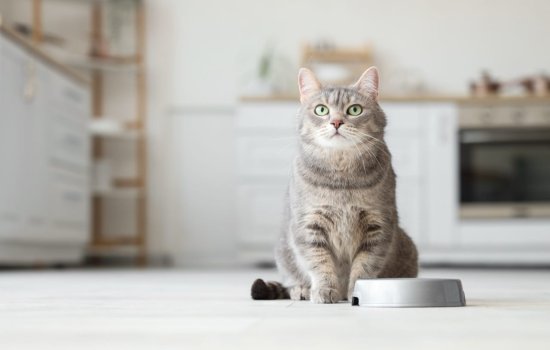
Whiskers, vision, and the unseen world Whiskers are not just long hairs. They are specialized sensory tools that detect tiny air movements and help a cat judge spaces. A cat using whiskers to measure whether it can fit through a gap is not being dramatic; it is gathering information. Overstimulation of whiskers can be uncomfortable, which is why some cats dislike deep, narrow food bowls. Cats also see differently than humans. They are built for low light hunting, with eyes that gather light efficiently. They do not see total darkness, but they see well at dawn and dusk. Their hearing is especially sharp, helping them detect high pitched sounds made by small prey.
Why cats chatter at birds and sprint at night That rapid chattering sound some cats make while watching birds may be a mix of excitement and frustration. One idea is that it is a predatory response as the cat prepares to pounce. Another possibility is that it mimics the quick bite a cat uses to dispatch prey. Whatever the exact cause, it often appears when a cat is highly stimulated by something it cannot reach. The famous 2 a.m. hallway sprint is also not random. Cats are naturally crepuscular, meaning they are most active around sunrise and sunset. Indoor life can shift that energy into odd hours, especially if a cat naps all day. Short bursts of running, jumping, and ambushing toys are normal ways to practice hunting skills and burn energy.
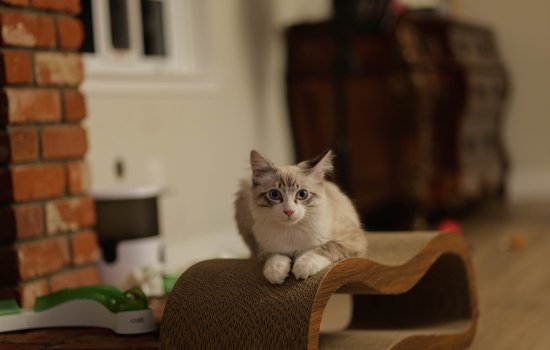
Claws, scratching, and cat communication Scratching is not spite. It maintains claw health by shedding outer layers, stretches the body, and leaves both visual marks and scent. Cats have scent glands in their paws, so a scratched surface becomes a message board that says this is part of my territory. Providing sturdy scratching posts in key locations can prevent damage and reduce stress. Cats communicate with a combination of tail position, ear angle, posture, and vocal sounds. Meowing is used more with humans than with other cats, suggesting cats learned it works as a social tool. Slow blinking can signal trust, and a tail held upright often indicates friendly confidence.
Conclusion Cats may look like tiny enigmas, but many of their strangest habits make sense once you view them as skilled hunters and sensitive observers. Kneading, purring, whisker sensing, nighttime zoomies, and scratching all reflect a blend of instinct and adaptation to life with people. The next time your cat stares at the sofa or chatters at a bird, you can enjoy the moment as a glimpse into an ancient, finely tuned animal living in a modern home.
.jpg "Truth or Tail Feline Mythbuster Quiz")