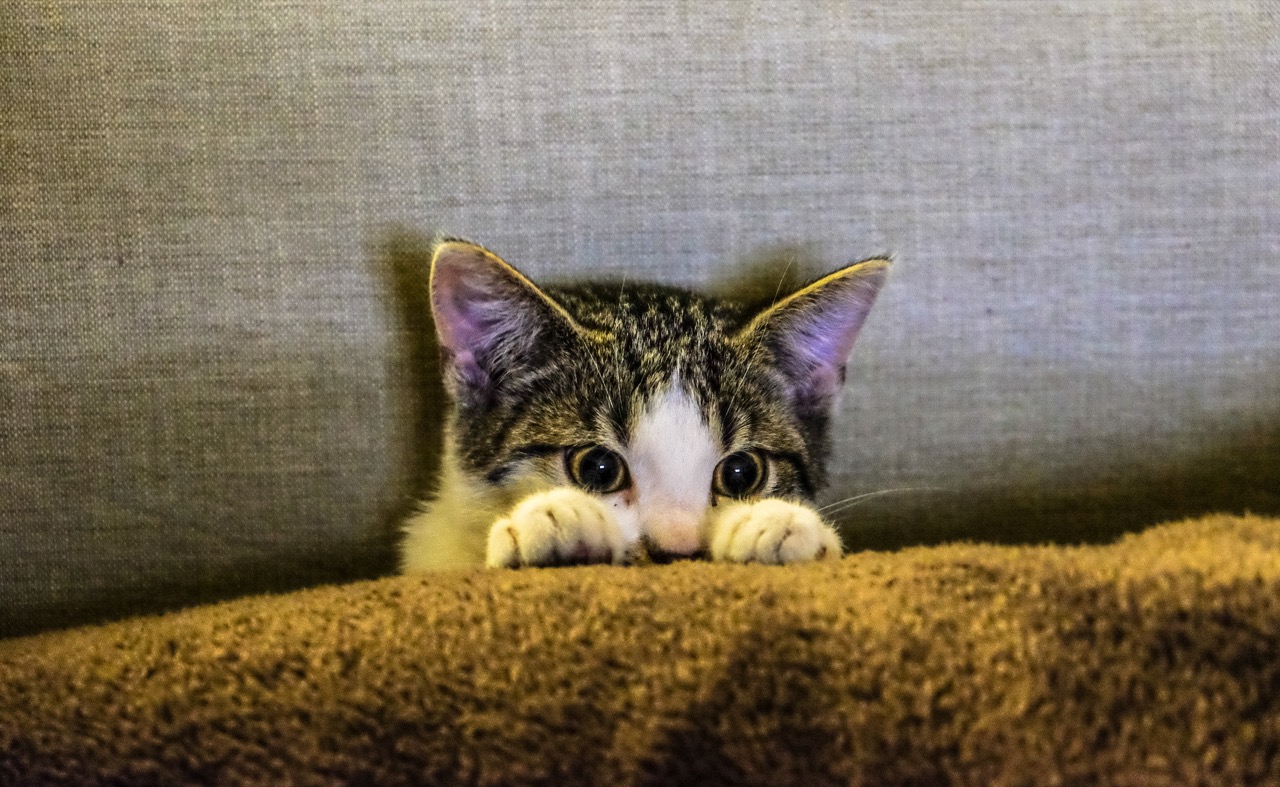













Introduction Cats have shared our homes, barns, and imaginations for thousands of years. Their quiet confidence, sudden bursts of energy, and seemingly psychic awareness make them feel both familiar and mysterious. Learning how cats evolved, how they sense the world, and what their behaviors really mean can turn everyday moments, like a slow blink or a midnight dash down the hallway, into something more understandable and even more fascinating.
Ancient origins and cultural connections Domestic cats trace much of their story to the Near East, where wildcats began living near early farming communities. Grain stores attracted rodents, rodents attracted cats, and a useful partnership formed. Over time, cats became valued not only for pest control but also for their symbolic power. In ancient Egypt they were linked with protection and the divine, while in other places they were admired, feared, or surrounded by superstition. Even today, cats appear in folklore as lucky companions, mysterious night travelers, or clever tricksters.
Built for hunting A house cat may nap for most of the day, but its body is designed for ambush. Flexible spines and powerful hind legs support sudden leaps. Retractable claws stay sharp because they are tucked away when not needed. Their teeth are shaped for gripping and slicing meat, reflecting their identity as true carnivores. Many behaviors that look playful, like stalking a toy or pouncing on a moving shadow, are practice runs for hunting skills.
The science of feline senses Cats experience the world differently than humans. Their hearing is especially impressive, tuned to high frequencies used by small prey. Their night vision is strong, helped by a reflective layer in the eye that boosts low light. This does not mean they see perfectly in total darkness, but they can navigate dim spaces far better than we can. Whiskers are another key sensory tool. These stiff hairs are connected to sensitive follicles that detect tiny changes in air movement and help cats judge spaces. A cat brushing whiskers against an object is gathering information, not just touching it. Some cats appear whiskerless due to genetics, injury, or grooming habits, but even then they rely on other touch receptors and their excellent hearing and vision.
Communication and body language Cats communicate with a mix of posture, facial expression, scent, and sound. A tail held high often signals confidence or friendly intent, while a puffed tail and arched back usually indicate fear or alarm. Slow blinking is commonly a sign of comfort and trust. Ears are especially revealing: forward suggests interest, sideways can mean uncertainty, and flattened back often signals stress. Meowing is mostly aimed at humans. Adult cats rarely meow to each other the way they do to people, and many learn which sounds get results. Scent marking, such as rubbing cheeks on furniture, is another form of communication, leaving behind information-rich chemicals that help a cat feel secure in its environment.
Purring and the surprises behind it Purring is often associated with contentment, but it is not always a happiness signal. Cats may purr when they are anxious, in pain, or seeking comfort. Some researchers think purring can be self-soothing, and the vibrations may even support healing. Context matters: a relaxed body, soft eyes, and kneading paws suggest comfort, while tense posture or hiding suggests something else.
Breeds, behavior, and the famous zoomies Different breeds can have different tendencies, from highly social lap-seekers to more independent explorers, but personality varies widely within any breed. The famous zoomies, those sudden sprints and acrobatics, often happen when a cat releases stored energy or responds to excitement. Providing climbing spaces, puzzle feeders, and interactive play can help channel that energy in healthy ways.
Conclusion Cats are not just cute companions; they are finely tuned hunters with complex social signals and a long history alongside humans. Understanding their senses, body language, and the many meanings behind behaviors like purring can deepen your appreciation and improve how you care for them. The more you learn, the more every mysterious stare and stealthy pawstep becomes a clue to a remarkable animal living right beside you.





.jpg "Truth or Tail Feline Mythbuster Quiz")