








Introduction Cats have a talent for looking self assured while doing the strangest things, from sprinting down a hallway for no reason to staring at a wall like it is telling secrets. That mix of elegance and mystery makes cat facts especially fun, because many everyday behaviors have practical biological explanations. Understanding how cats sense the world, communicate, and evolved alongside humans turns familiar quirks into satisfying answers.
Senses built for a crepuscular hunter Cats are most active at dawn and dusk, and their senses reflect that schedule. Their eyes are tuned for low light, with a reflective layer behind the retina that boosts available light and produces the well known eye shine. They do not see in total darkness, but they can make excellent use of dim conditions. Color vision exists, yet it is more limited than in humans, so movement and contrast matter more than bright hues. Hearing is where cats become truly impressive. They can detect higher pitched sounds than people can, which helps them locate small prey. Their ears rotate with fine control, allowing them to pinpoint a noise quickly without moving their whole body.
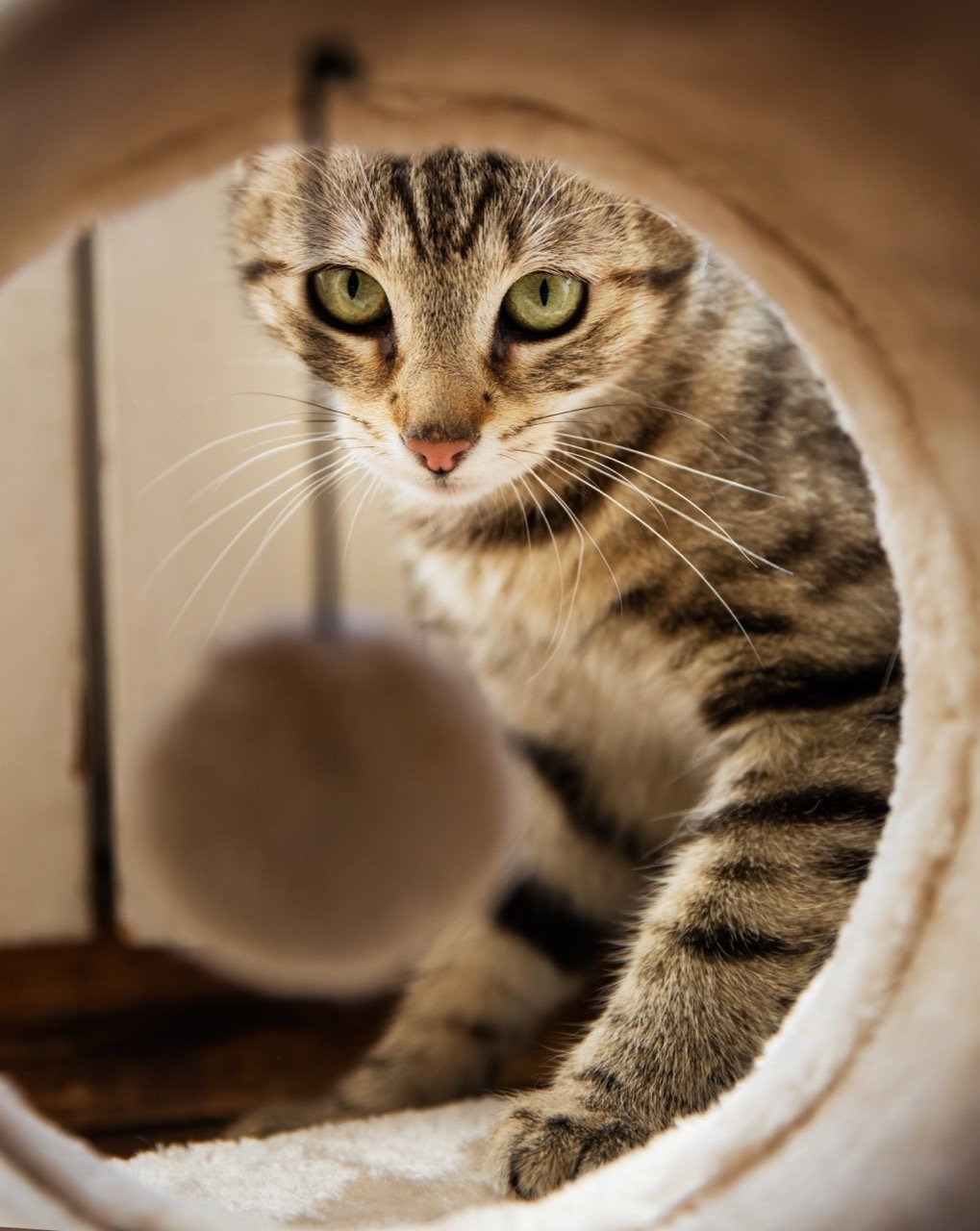
Whiskers, paws, and athletic physics Whiskers are not just decoration. They are sensitive touch receptors that help a cat judge openings, detect air currents, and coordinate precise movement in tight spaces. Whiskers on the face, above the eyes, and even on the legs contribute to a three dimensional map of nearby objects. This sensory system pairs with a flexible spine and powerful hind legs, which is why cats can accelerate fast and jump high. Their righting reflex, developed early in kittenhood, helps them orient midair by twisting the torso and adjusting the tail and legs. It is effective, but not magical, and falls from very high places can still cause serious injury.
Communication and the meaning of kneading Cats communicate subtly. A slow blink can signal relaxation. An upright tail often indicates friendly confidence, while a puffed tail signals fear or arousal. Ear position is a quick mood indicator, with forward ears showing interest and flattened ears warning of stress. Meowing is especially interesting because adult cats rarely meow to each other; many reserve it for humans, as if they have learned a shared language for getting attention. Kneading, the rhythmic pressing of paws, is commonly linked to kittenhood, when nursing kittens knead to stimulate milk flow. In adults it can signal comfort, self soothing, or marking territory, since scent glands in the paws leave a personal signature.
Domestication, myths, and famous varieties Domestic cats likely began their partnership with humans when early farming settlements attracted rodents, and wildcats that tolerated people gained a steady food source. Over time, cats that were calmer around humans fit into households, yet they retained strong hunting instincts. That history helps explain why many cats enjoy play that mimics stalking and pouncing. Common myths deserve a reality check. Cats do purr when content, but they may also purr when anxious or in pain. Cats are not always aloof; many form strong social bonds, just on their own terms. Breed differences can be striking, from the sleek Siamese known for vocal interaction to the sturdy Maine Coon adapted to colder climates. Hairless breeds are not truly hairless, and they still need warmth and skin care.
Conclusion Cats are not tiny enigmas so much as finely tuned animals with senses and behaviors shaped by hunting, comfort, and coexisting with humans. When you notice a tail flick, a kneading session, or a perfectly chosen sunny nap spot, you are watching practical biology at work. The more you learn, the more those everyday moments become clues in a delightful cognition conundrum.




.jpg "Truth or Tail Feline Mythbuster Quiz")