









Introduction Household cats can seem like small, familiar companions, yet their daily routines are built on finely tuned biology and a long history of living alongside people. The quiet stare from across the room, the sudden burst of speed at midnight, and the uncanny ability to appear exactly when food is involved all have explanations rooted in anatomy, behavior, and evolution. Understanding a few key facts can make cats even more fascinating and can also help owners respond to them more thoughtfully.
Senses and anatomy: built for precision A cat’s body is designed for stealth and quick decision making. Their eyes are adapted for low light, which is why many cats become more active at dawn and dusk. While they do not see in total darkness, they make excellent use of dim light and are highly sensitive to movement. Their hearing is equally impressive, helping them detect high pitched sounds associated with small prey. Whiskers, often called tactile hairs, are not just decoration. They act like sensors that help cats judge spaces and detect subtle air currents. That is one reason a cat may hesitate before squeezing through a narrow gap or may seem to “measure” an opening with its face.
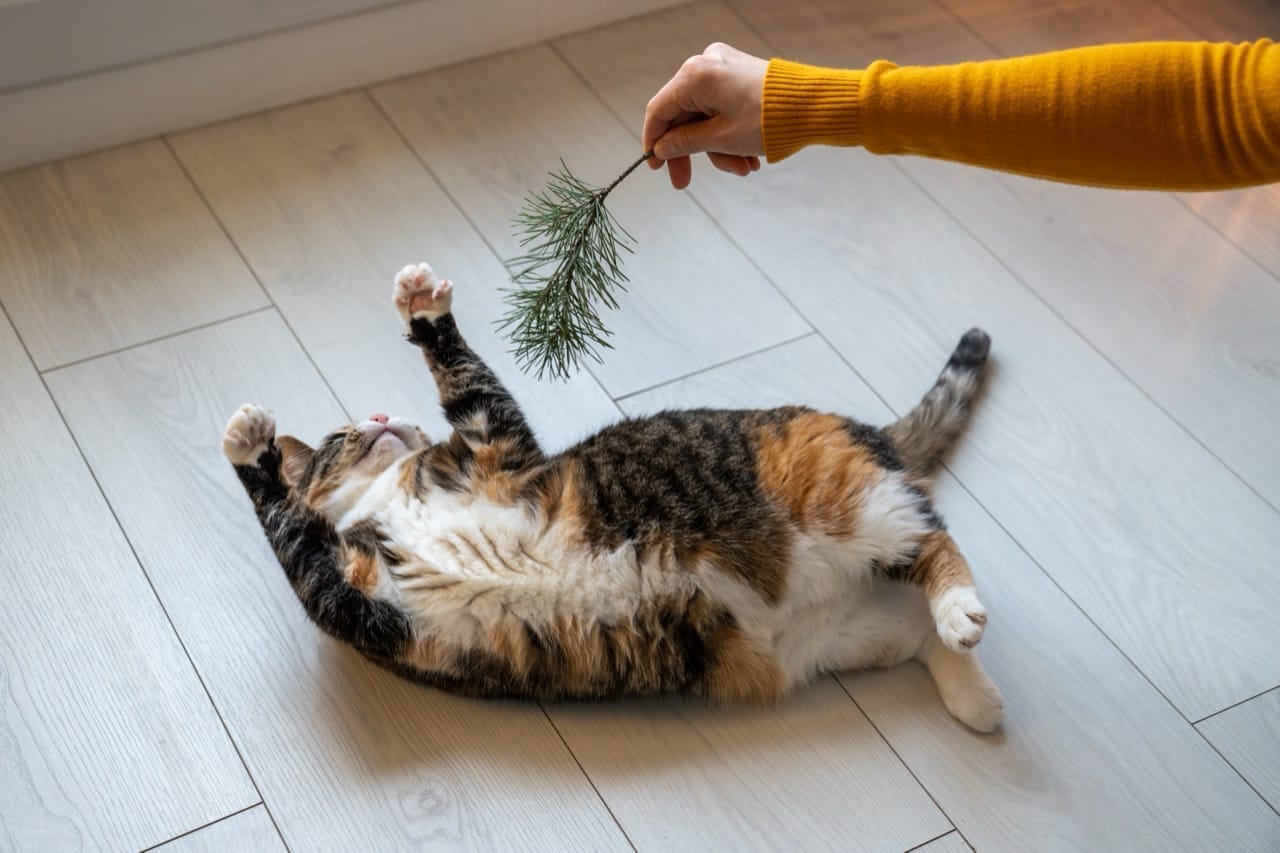
Behavior and play: the hunter at home Many behaviors that look quirky are actually hunting practice. Stalking a toy, pouncing on a moving string, or ambushing ankles from behind a chair echo the sequence of hunt behaviors. The famous “zoomies” can be a release of stored energy, especially for indoor cats that do not have long stretches of active exploration. Scratching is another common point of confusion. It is not spite. Scratching maintains claw condition, stretches the body, and leaves both visual marks and scent signals from glands in the paws.
Communication: a language of subtle signals Cats communicate with a mix of posture, facial cues, scent, and sound. A slow blink often signals comfort and trust, while a puffed tail and arched back are defensive displays meant to look larger. Purring is usually linked to contentment, but it can also appear during stress or pain, possibly as a self soothing signal. Meowing is especially interesting because adult cats rarely meow to other adult cats. Many reserve meows for humans, learning which sounds reliably get attention, food, or a door opened. In multi cat homes, scent is a major social tool. Rubbing against furniture or people is not only affection but also a way to mix scents and create a familiar, secure environment.
Food preferences and the science of pickiness Cats are obligate carnivores, meaning they rely on nutrients found in animal tissue. This shapes their taste and appetite. Many cats are less interested in sweet flavors than humans are, and they can be sensitive to changes in texture, temperature, and smell. Their strong sense of smell means a slightly stale bowl or a new formula can be a bigger deal than it seems. Routine matters too. Some cats prefer predictable feeding patterns and may use persuasive behaviors, like vocalizing or leading you to the kitchen, to reinforce them.
Cats in history: from legends to living rooms Across cultures, cats have carried symbolic weight. They have been admired for pest control, associated with luck in some traditions, and misunderstood in others. Their ability to live closely with humans while remaining independent helped shape the idea of the cat as both companion and mystery. Today, that blend of closeness and autonomy is part of their appeal.
Conclusion Cats are not random bundles of attitude. Their senses, movements, and habits reflect a highly specialized predator adapted to living in our homes. Knowing why they sprint at night, communicate with subtle signals, and care so much about routine can turn everyday moments into insights. The more you observe your feline roommate, the more you will notice that even the oddest behaviors usually have a practical story behind them.



.jpg "Truth or Tail Feline Mythbuster Quiz")