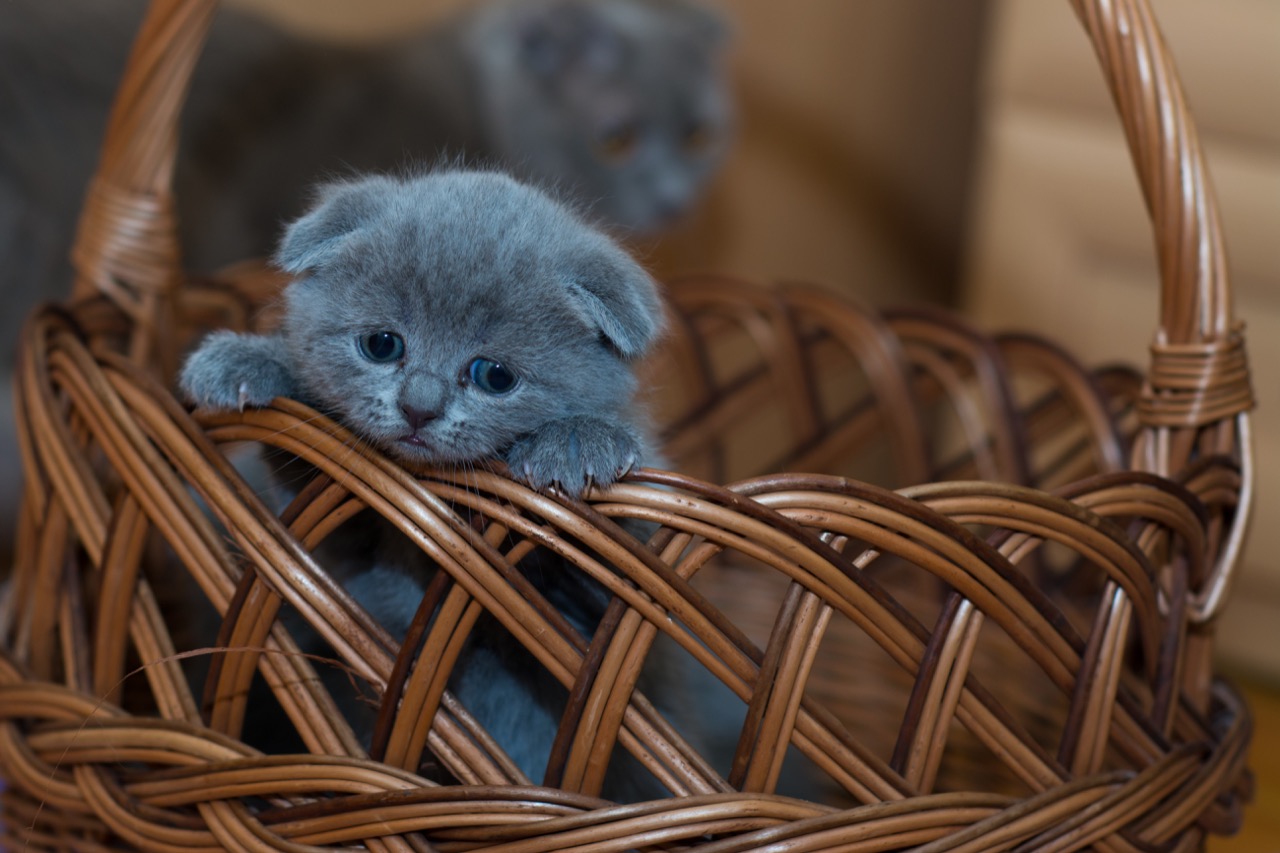
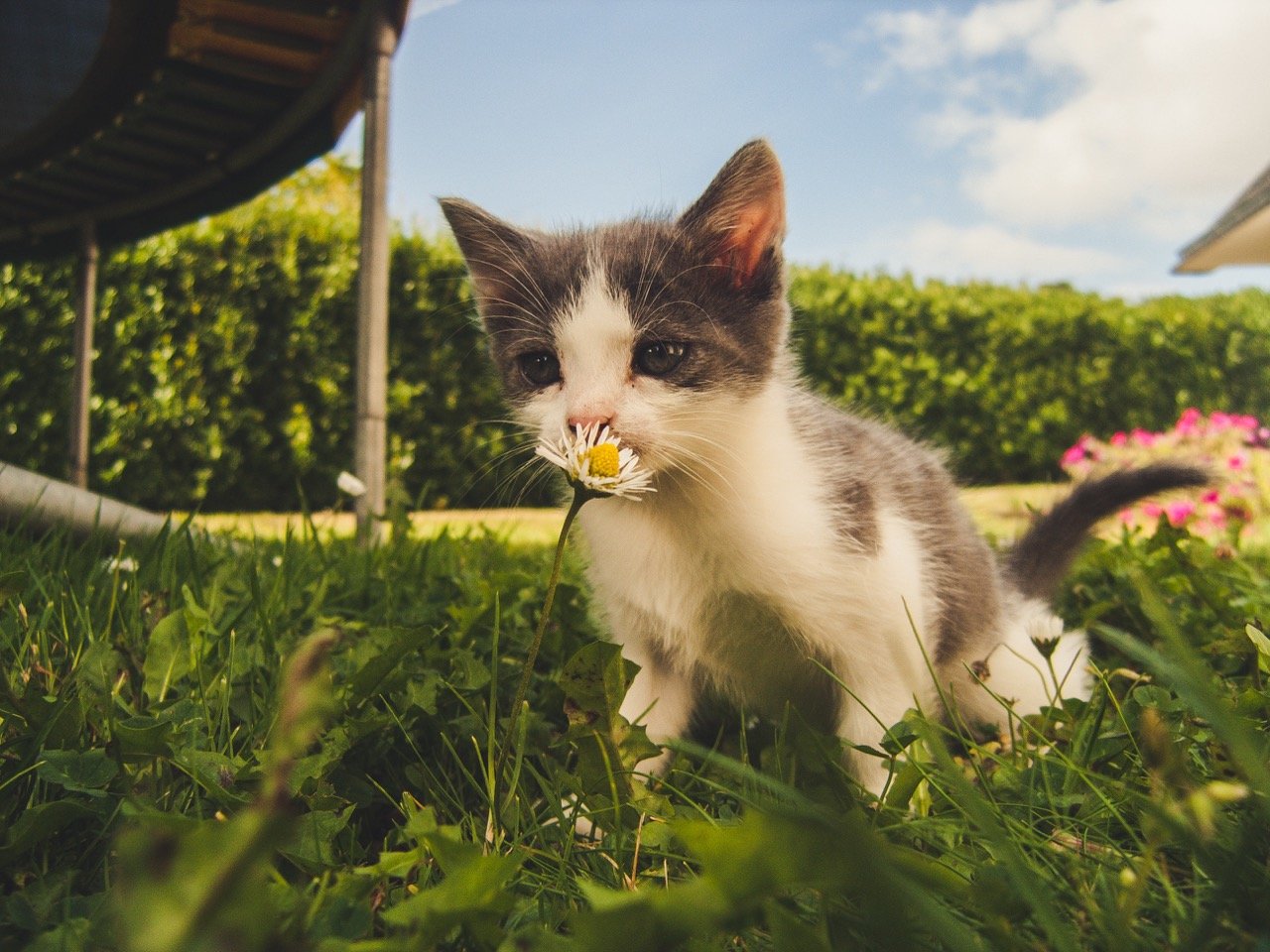

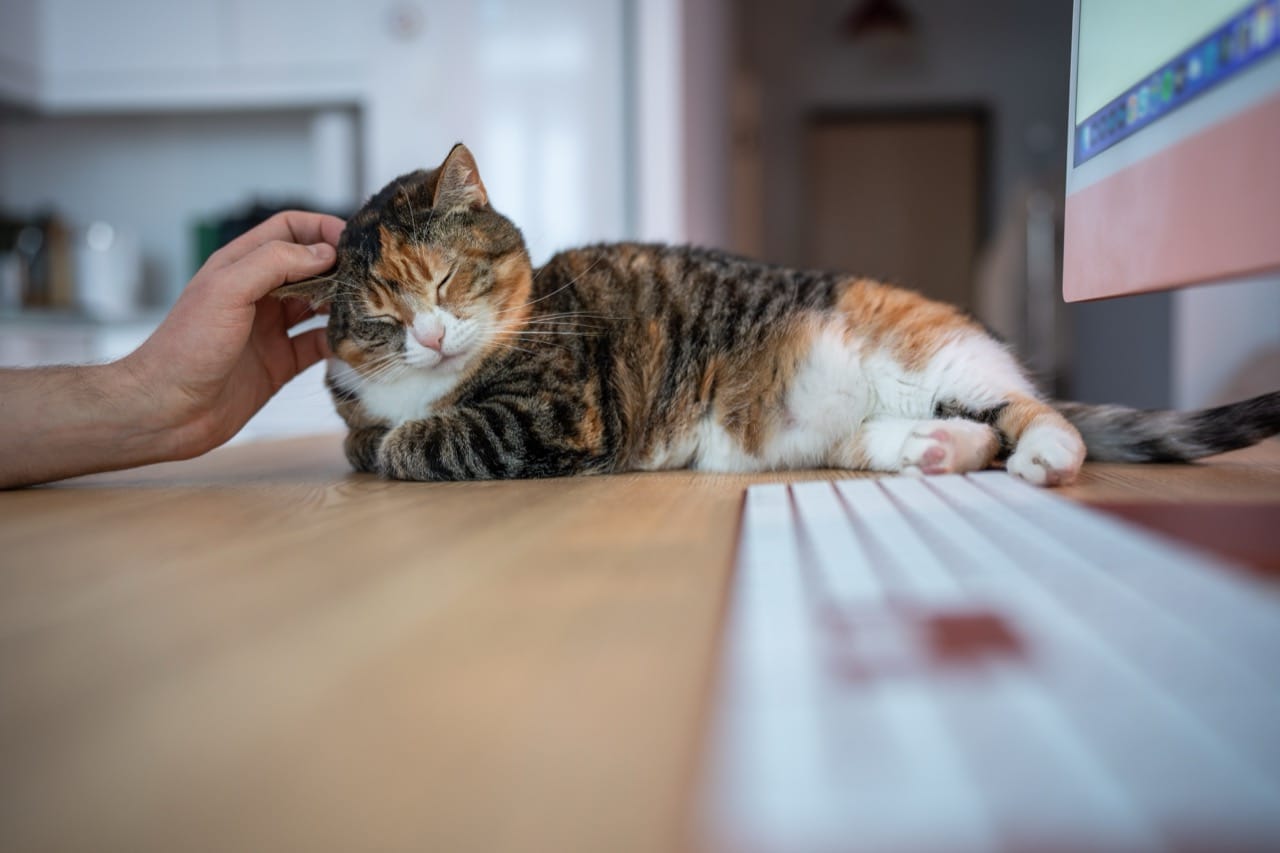
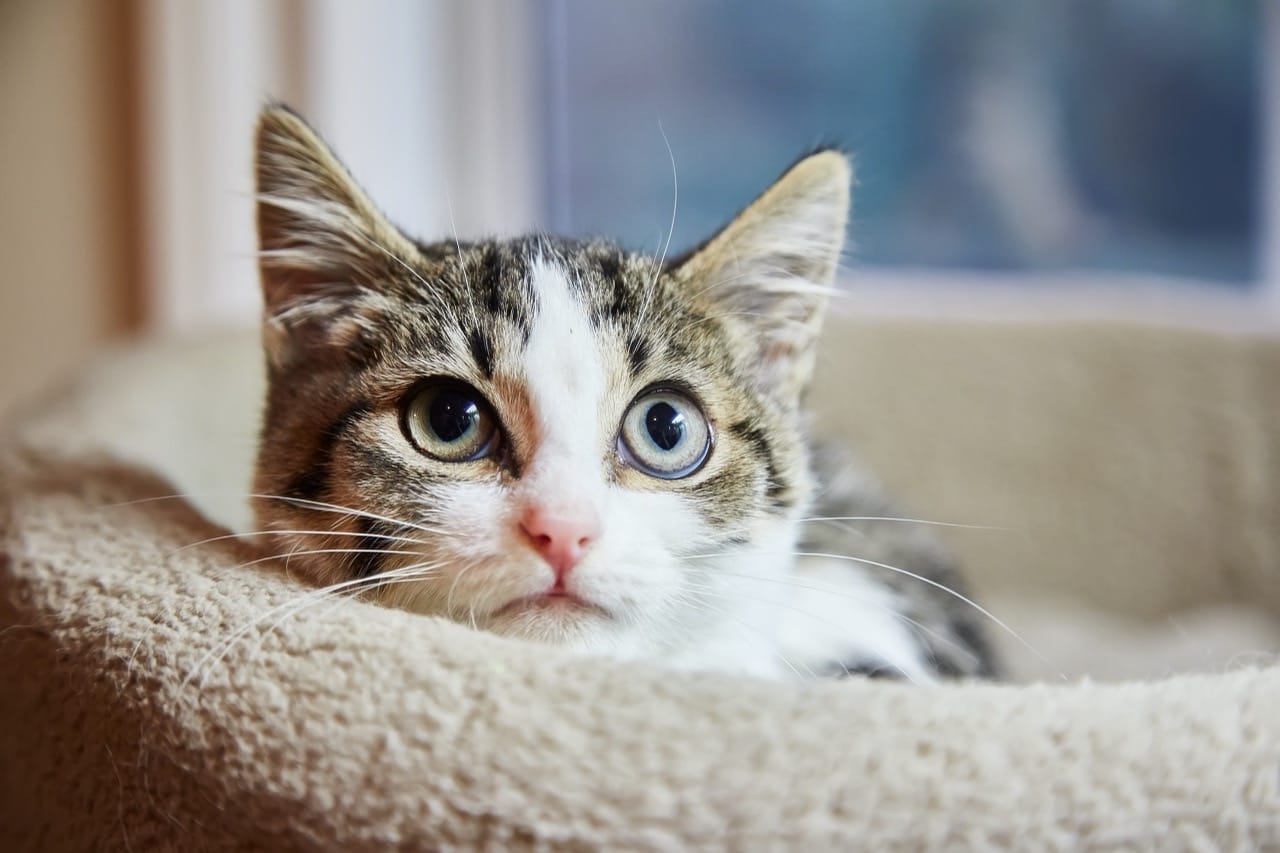

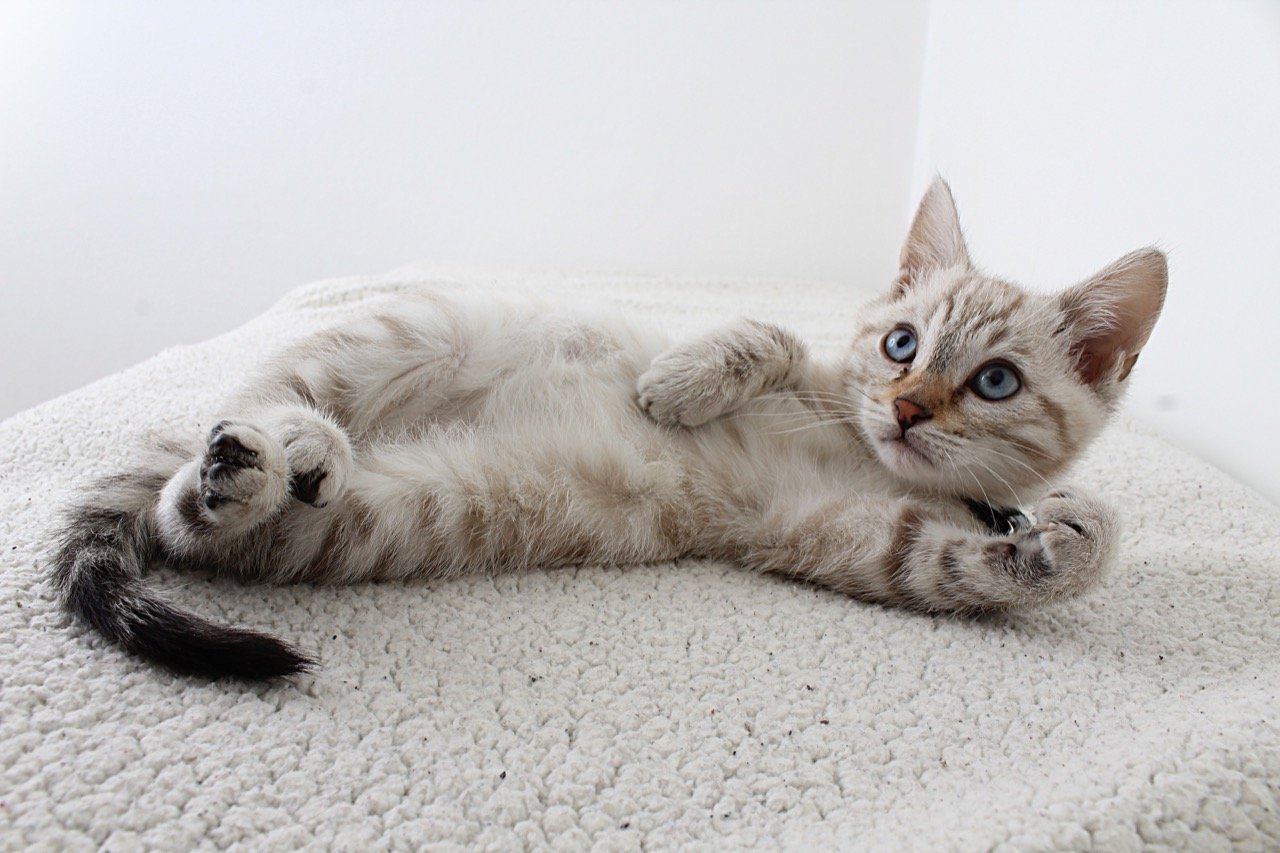


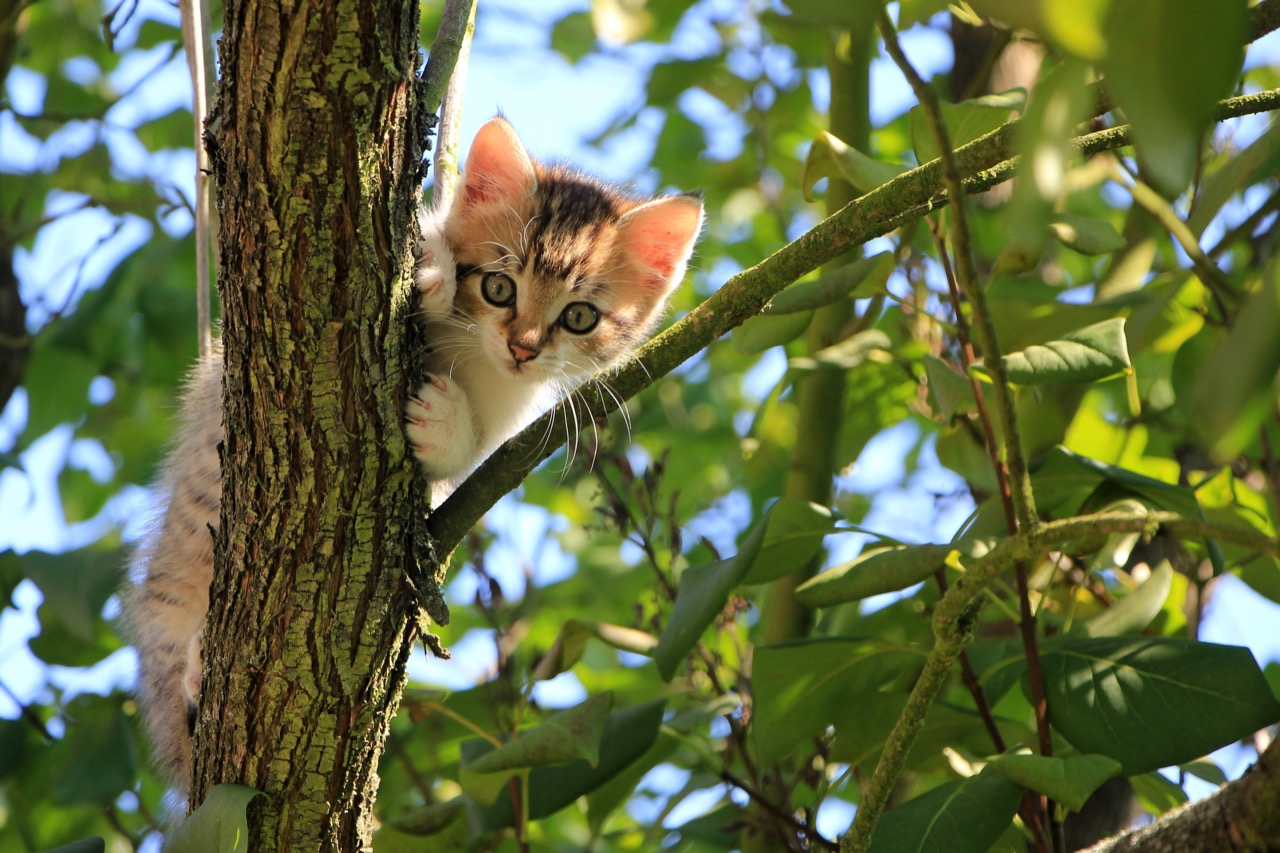
Cats have a way of turning ordinary moments into mysteries. One minute they are silent shadows under the table, the next they are sprinting down a hallway as if chased by invisible ghosts. Their calm stare can feel like a verdict, yet they also curl up beside us with a warmth that makes them beloved companions. Understanding what drives these behaviors makes cat trivia more than a game. It becomes a guided tour through biology, evolution, and the subtle language of a species that lives comfortably between wild instincts and domestic life.
A cat is built for precision. Their flexible spine and powerful hind legs support quick bursts of speed and impressive leaps, while retractable claws protect the tips during walking and provide sharp traction when climbing or pouncing. Whiskers, often called vibrissae, are not just decorative. They are specialized sensory hairs connected to nerve-rich follicles that help cats judge spaces and detect air currents. Even whisker position can hint at mood: pushed forward during curiosity or hunting, pulled back when anxious or overstimulated.
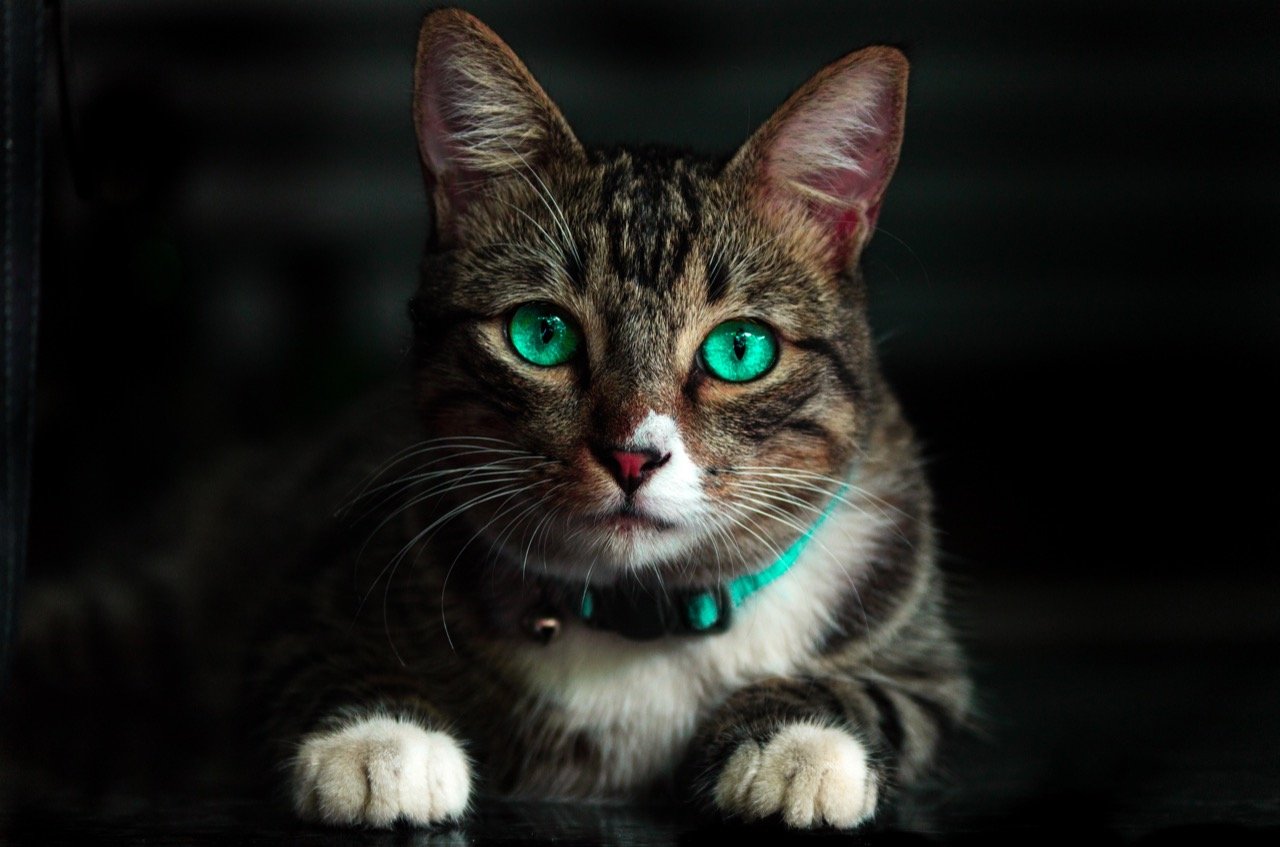
The feline sensory world is different from ours. Cats see well in low light thanks to a reflective layer behind the retina, which boosts available light and creates the familiar eye shine. Their color vision is more limited than a human’s, but motion detection is excellent, which suits a predator that targets quick, small prey. Hearing is another superpower. Cats can detect high-frequency sounds made by rodents, and their ears rotate to pinpoint the source with remarkable accuracy. Smell matters too, aided by the vomeronasal organ, which interprets chemical signals often delivered through the open-mouthed flehmen response.
Communication is a mix of body language, scent, and sound. The slow blink is widely seen as a friendly signal, while a twitching tail can indicate excitement or irritation depending on context. Purring is often linked to contentment, but cats may also purr when stressed, injured, or seeking comfort. Scent marking through cheek rubbing or scratching is not misbehavior; it is a way of labeling territory and familiarizing shared spaces with a group scent.
Many everyday quirks trace back to hunting instincts. Cats are crepuscular by nature, most active at dawn and dusk, which aligns with prey movement. They may play with toys in ways that mimic stalking, chasing, and delivering a final bite. Even well-fed cats may hunt, because the behavior is rewarding on its own. Sleep is another evolutionary tool. Cats can sleep 12 to 16 hours a day, conserving energy for short, intense activity. Much of that rest is light sleep, allowing them to wake quickly if something changes.
Selective breeding has shaped a wide range of appearances and temperaments, from long-haired coats to hairless varieties. Genetics also influences coat color patterns, including the distribution of orange and black pigments. Nutrition is equally important to their health: cats are obligate carnivores, meaning they require nutrients found naturally in animal tissue, such as taurine and preformed vitamin A. A diet that ignores these needs can lead to serious problems.
The more you learn about cats, the more their behavior makes sense. Their independence is not aloofness so much as a different social strategy, one rooted in solitary hunting but flexible enough for companionship. A trivia challenge about cats rewards careful observation and a bit of science-minded thinking. Behind every sudden sprint and judging stare is a finely tuned animal with a long history of living alongside humans while never entirely giving up the wild.



.jpg "Truth or Tail Feline Mythbuster Quiz")