









Introduction Cats have shared our homes and barns for thousands of years, but they still feel a little mysterious. Part of that is because their senses and body language are tuned for a different lifestyle than ours. If you have ever wondered why your cat stares into darkness, ignores a treat you thought was irresistible, or suddenly rockets down the hallway at midnight, the answers are often rooted in biology. Understanding a few key facts about how cats taste, balance, see, and communicate can make their everyday quirks feel like clues rather than chaos.
Senses that shape a predator Cats do not experience flavor the way humans do. One of the most surprising facts is that domestic cats cannot taste sweetness. They lack a working sweet taste receptor, which is one reason many cats show little interest in sugary foods. Instead, their taste system is geared toward detecting amino acids, which makes sense for an animal built to thrive on meat. Smell does much of the heavy lifting in what a cat considers appetizing, and their vomeronasal organ adds another layer. You may notice a cat making a funny open mouthed face after sniffing something. That behavior, called the flehmen response, helps draw scent molecules toward this special organ so the cat can analyze chemical information, including social and reproductive cues.
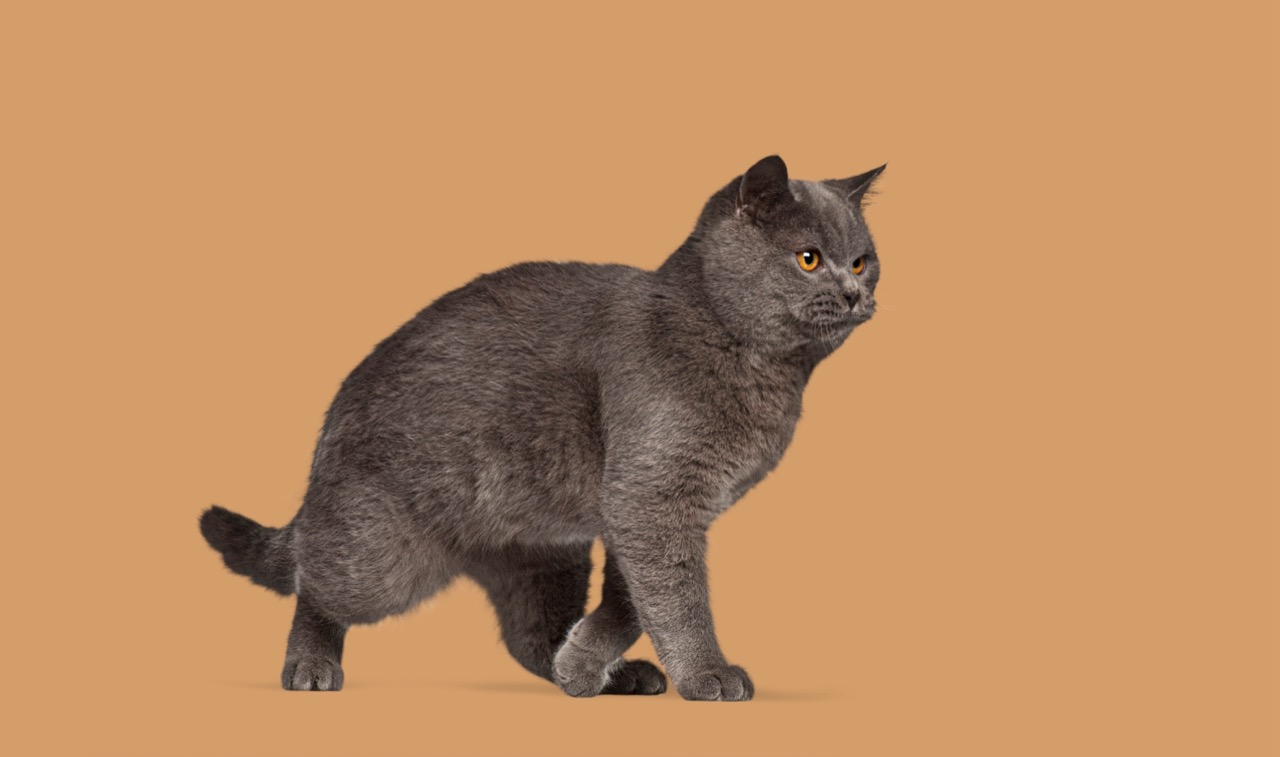
Balance, agility, and the inner ear A cat’s balancing ability is not just about flexible spines and quick reflexes. The inner ear contains structures that detect motion and orientation, feeding constant updates to the brain. This system works with vision and touch to keep the body stable during leaps and tight turns. Whiskers also play a role. They are not just decorative hairs but sensitive tools that detect air movement and nearby surfaces. Whiskers can help a cat judge whether it can squeeze through an opening and navigate in low light. Add in a tail that acts like a counterbalance, and you get an animal that can land precisely on narrow ledges and make sudden changes in direction.
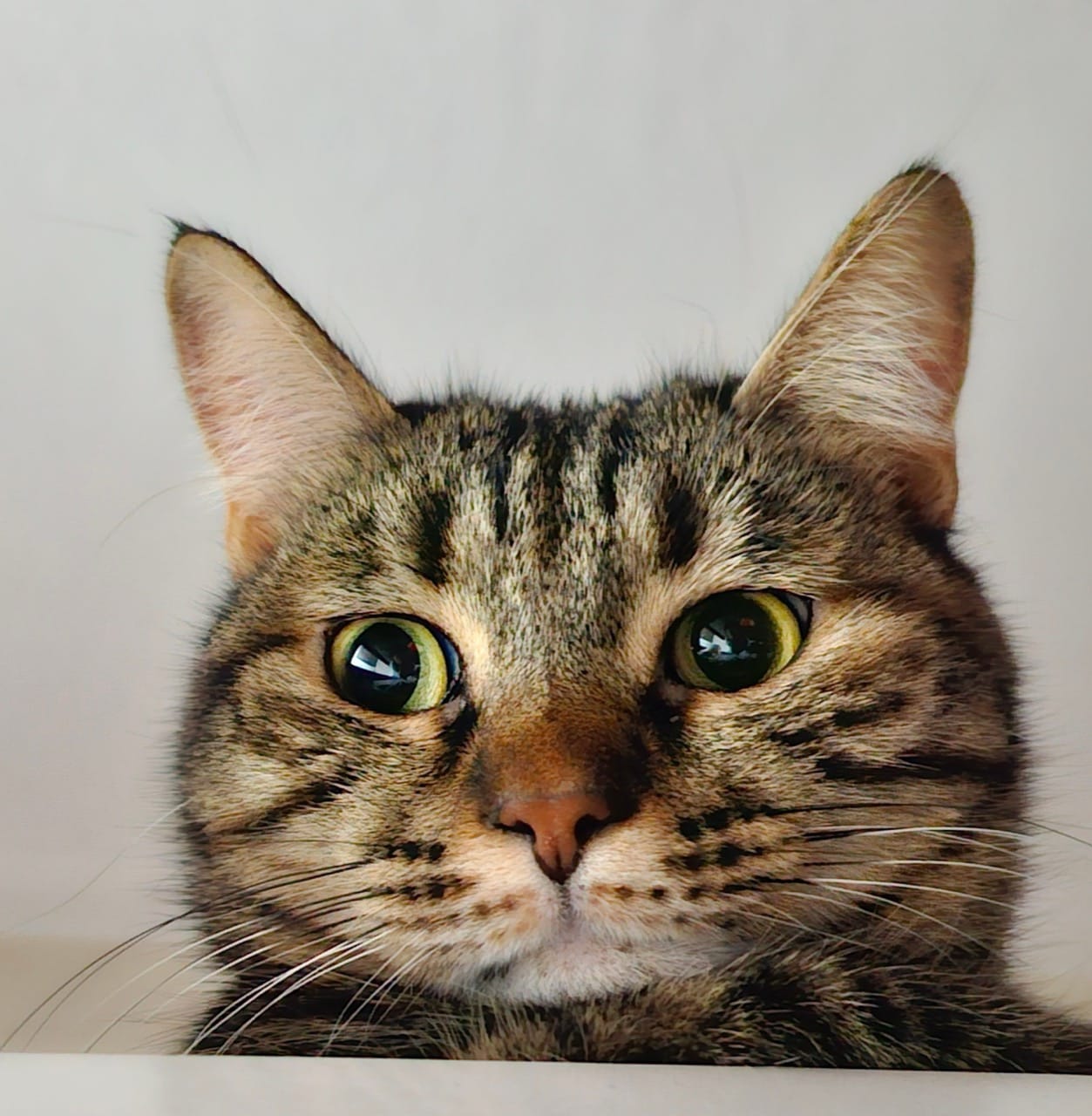
Why eyes glow at night That eerie shine you see when light hits a cat’s eyes is caused by a reflective layer behind the retina called the tapetum lucidum. It bounces light back through the retina, giving photoreceptors a second chance to capture it. This boosts vision in dim conditions, which is useful for dawn and dusk hunting. Cats still cannot see in total darkness, but they do far better than humans in low light. Their pupils can widen dramatically to let in more light, and their eyes are especially good at detecting motion, even if fine detail is less sharp than what we see in bright daylight.
Body language: the real conversation Cats communicate with a mix of posture, facial expression, and movement. A slow blink is often a sign of comfort and trust, not sleepiness. Many people return a slow blink to reassure a cat. Tail signals are more complex than a simple wag. A tail held upright can mean friendly confidence, while a tail that flicks sharply may indicate irritation or intense focus. Ears that swivel back and forth can show a cat is tracking sounds, but ears pinned back often signal fear or agitation. Even purring is not always pure happiness. Cats may purr when relaxed, but they can also purr to self soothe when stressed or in pain.
Conclusion The more you learn about cat biology and behavior, the more their strange habits start to look like practical adaptations and subtle messages. From a missing sweet tooth to night enhanced vision and a finely tuned balance system, cats are engineered for stealth and precision. Paying attention to small signals like whisker position, ear angle, and tail movement can turn you into a better cat interpreter. With a little whisker wisdom, every slow blink and sudden zoomie becomes one more clue in the ongoing mystery of the cat.





.jpg "Truth or Tail Feline Mythbuster Quiz")