.jpg)
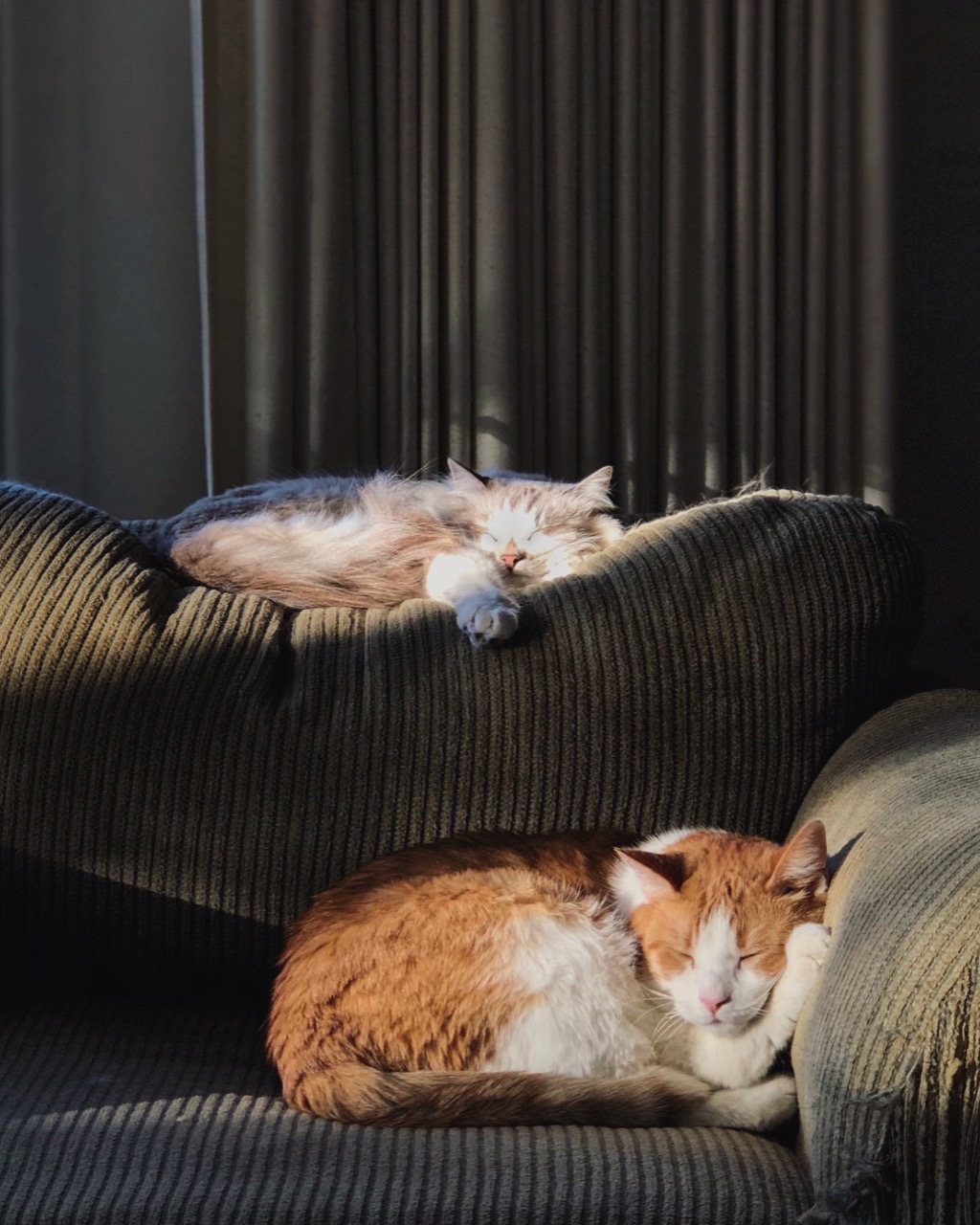
Cats have a talent for acting like they are in charge while still charming humans into providing food, warmth, and admiration. The Whiskerless Wonders Quiz celebrates that mix of mystery and familiarity. Behind the silent pawsteps and sudden bursts of speed is a finely tuned predator with senses and social signals that can be surprisingly subtle. Understanding a few basics makes everyday cat moments feel like clues in an ongoing conversation.
A cat’s body is built for stealth and precision. Their flexible spine and powerful hind legs help them spring into action, which explains the dramatic zoomies that often happen at dawn or dusk, the times when their ancestors would have hunted most actively. Their hearing is especially impressive, tuned to high frequencies that small prey animals make. Vision is also adapted for low light, thanks to a reflective layer in the eye that boosts available light, creating that familiar nighttime shine. Whiskers, though not actually required for every cat to thrive, are important sensory tools for most. They help detect air currents and judge spaces, acting like built in measuring devices when squeezing through tight gaps.
Communication is where cats often confuse people, because much of it is quiet and visual. A slow blink is a friendly signal, sometimes described as a cat version of a smile. Returning a slow blink can be a gentle way to show trust. Tail position matters too: a tail held upright often signals confidence and friendliness, while a puffed tail is a classic sign of fear or excitement. Ears are another giveaway; forward ears suggest curiosity, while flattened ears warn that the cat feels threatened or overstimulated.
Purring is one of the most debated cat behaviors. Many cats purr when content, such as during petting or nap time, but they can also purr when stressed, injured, or seeking comfort. Scientists think purring may have multiple functions, including social bonding and self soothing. The low frequency vibrations have even been studied for possible links to healing, though it is best to treat that as an intriguing idea rather than a proven medical tool.
Cats also have habits that look odd until you consider their instincts. Kneading with their paws traces back to kittenhood, when nursing kittens knead to stimulate milk flow. Adult cats may knead when relaxed, marking a favorite spot with scent glands in their paws. Scratching serves several purposes: it removes old claw layers, stretches muscles, and leaves both visible marks and scent signals. Providing scratching posts in key locations is often more effective than trying to stop the behavior entirely.
Human cat history is full of practical partnerships. Cats likely became close to people as agriculture spread, because stored grain attracted rodents and rodents attracted cats. Over time, tolerance turned into companionship. Seafaring cats became famous for keeping ships free of rats and protecting supplies, and they also provided sailors with a bit of comfort during long voyages. Today, cat breeds range from sleek short haired athletes to long haired loungers, and some cats are even born with very short tails or reduced fur due to natural genetic variation.
In the end, cats are both wild at heart and deeply adapted to living with humans. Their quirks are rarely random; they are echoes of hunting, social bonding, and survival. The more you learn, the more that couch dwelling predator becomes a fascinating roommate with a rich history and a language all its own.
.jpg "Truth or Tail Feline Mythbuster Quiz")