




Introduction Cats often feel like tiny roommates with strong preferences and a private rulebook. One minute they are affectionate, the next they are judging your life choices from a windowsill. The fun part is that much of their behavior and many of their odd quirks have solid biological reasons. Learning a few key facts can make cats seem less mysterious and even more impressive.
Senses: built for a different world A cat’s senses are tuned for hunting, not for sharing snacks. One surprising fact is that cats cannot taste sweetness the way humans do. Their sweet taste receptor is nonfunctional, which helps explain why many cats ignore sugary foods while being extremely interested in meat and fat.
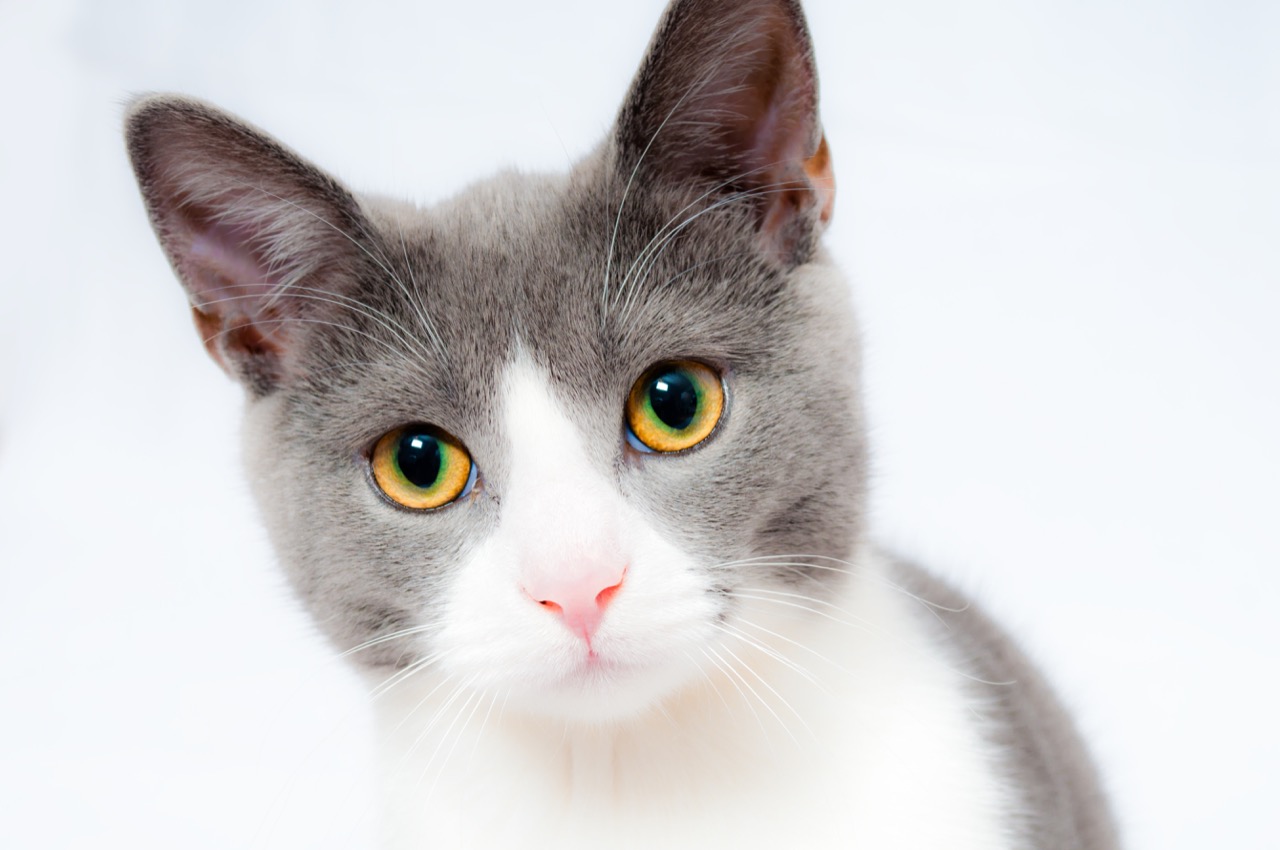
Vision is another area where cats seem almost magical. Their eyes shine in the dark because of a reflective layer behind the retina called the tapetum lucidum. It bounces light back through the retina, giving their light sensitive cells a second chance to detect it. This helps cats see in low light, though it does not mean they see perfectly in total darkness.
Hearing may be their most impressive sense. Cats can detect higher pitched sounds than humans, which is useful for locating tiny prey. Their ears also rotate to pinpoint a sound’s direction with remarkable accuracy. Whiskers add another layer of sensory input. These stiff hairs are embedded deeply and connect to nerves that help cats judge spaces, detect airflow changes, and navigate in close quarters.
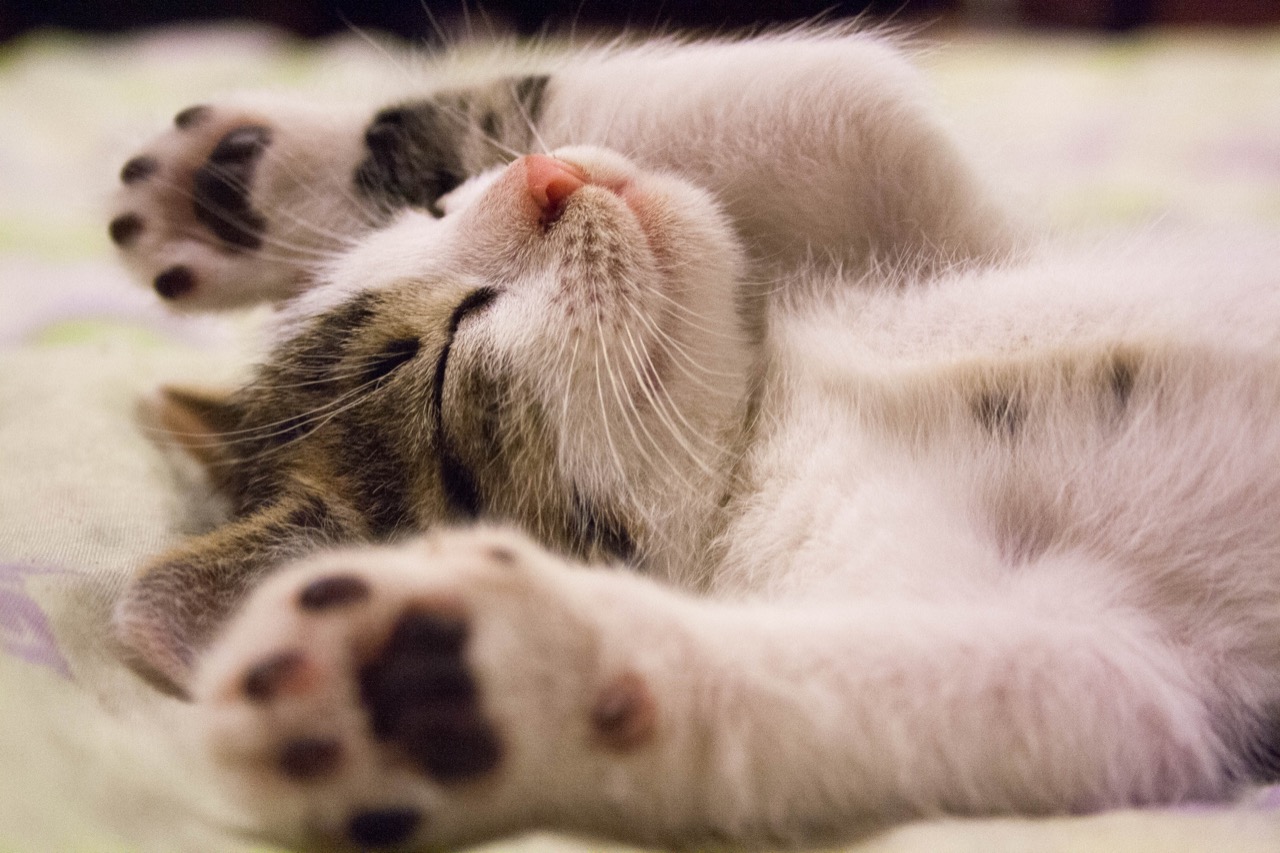
Bodies designed for quiet athleticism Cats are built for stealth. Their flexible spine and powerful hind legs create that spring loaded leap that looks effortless. Many cats can jump several times their own height, especially from a standstill. Their paws contribute to quiet movement: soft pads muffle footsteps, and their claws retract to stay sharp and silent until needed.
The tongue is another specialized tool. It is covered in tiny backward facing spines called papillae that act like a built in comb. This makes grooming efficient, helps remove loose fur, and spreads saliva that can cool them as it evaporates. Grooming also serves social and emotional roles, which is why stressed cats may overgroom.
Behavior: communication and habits with logic Purring is often associated with contentment, but cats also purr when nervous, injured, or seeking comfort. Researchers think purring may have multiple functions, including self soothing and encouraging social contact.
Kneading, the rhythmic pressing of paws, is commonly linked to kittenhood. Kittens knead to stimulate milk flow while nursing, and many adults keep the habit as a sign of comfort. Scratching is not just about sharpening claws. It stretches muscles, removes old claw sheaths, and leaves both visible marks and scent signals from glands in the paws.
Culture, history, and science: cats leave pawprints everywhere Cats have traveled alongside humans for a long time, likely spreading with trade and seafaring because they were excellent at controlling rodents. Over centuries, different populations and selective breeding helped shape familiar breeds, but most domestic cats still share a relatively recent common ancestry compared with many dog breeds.
Modern genetics has also revealed why coat colors and patterns vary so widely, from tabby stripes to solid coats. Many traits are influenced by multiple genes, and some patterns are tied to sex linked genetics, which is why certain color combinations are more common in one sex than the other.
Conclusion Cats are mysterious, but not random. Their senses, bodies, and behaviors are finely tuned for survival, even when their biggest daily challenge is deciding where to nap. Knowing that cats cannot taste sweet, that their eyes reflect light for night vision, and that their athletic build supports silent movement can make everyday cat moments feel like small scientific marvels. The more you decode, the more fascinating your feline roommate becomes.


.jpg "Truth or Tail Feline Mythbuster Quiz")