Introduction Cats feel familiar because they share our homes, yet they remain full of surprises. A quiet stalk across the hallway, a sudden burst of speed, or a slow blink that seems like a private message all point to a predator built for precision and a companion shaped by history. Understanding how cats sense the world and why they act the way they do turns everyday moments into clues about evolution, anatomy, and behavior.
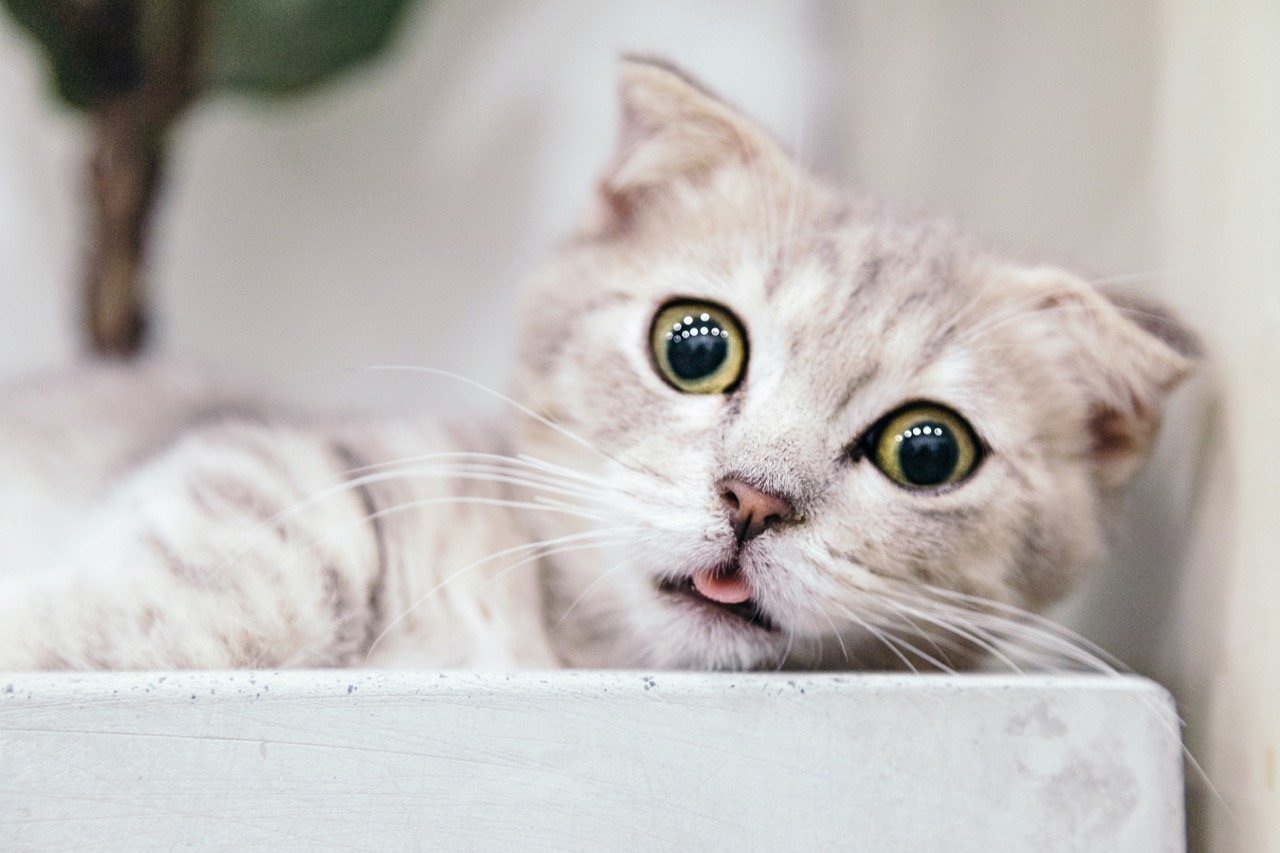
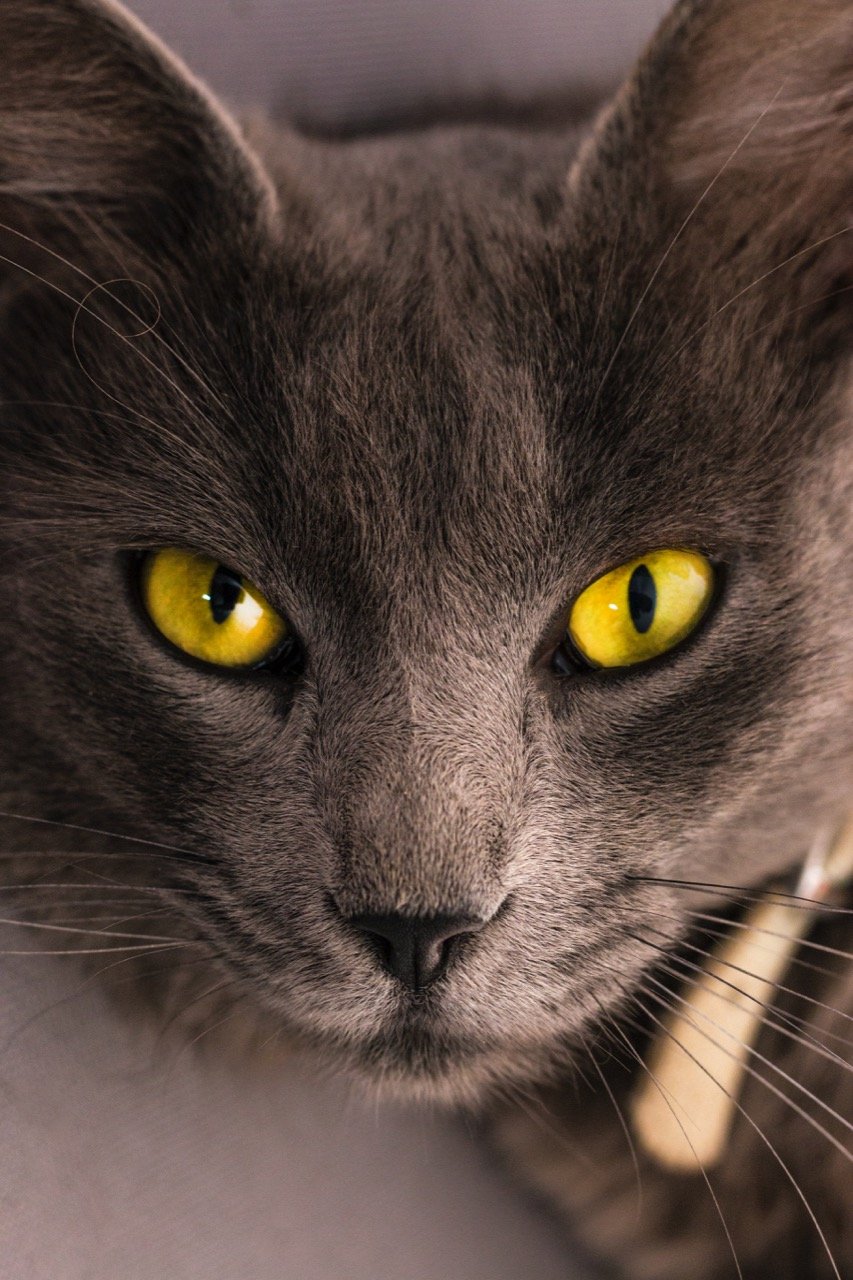
Senses built for twilight hunting A cat’s eyes are designed for low light. They have a reflective layer behind the retina that boosts available light, which is why eyes can shine in the dark. Cats also excel at detecting motion, helping them spot quick prey, though their close up focus is not as sharp as ours. Their hearing is even more impressive: cats can detect high pitched sounds that many rodents make, and their ear shape helps pinpoint direction with fine accuracy. Smell plays a major role too, not only through the nose but through a special organ in the roof of the mouth called the vomeronasal organ. When a cat opens its mouth slightly and seems to grimace, it may be sampling scent chemicals for extra information.
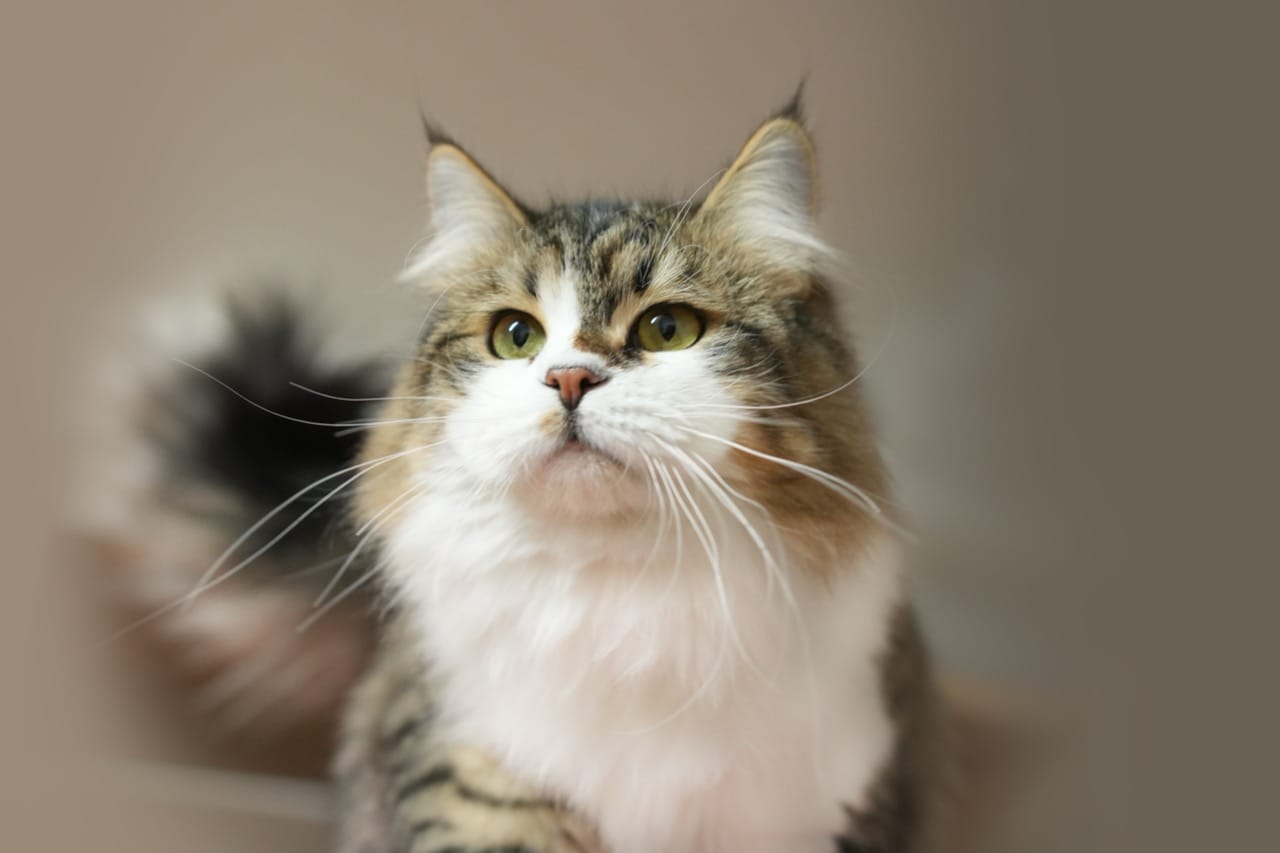
Bodies made for stealth and spring The classic cat “zoomies” are powered by a flexible spine, strong hind legs, and a gait that conserves energy until it is time to explode into action. Their collarbones are not rigidly attached like ours, allowing the shoulders to slip through narrow spaces. Retractable claws protect the sharp tips for climbing and grabbing, while paw pads soften footfalls. Whiskers, despite the quiz title’s joke, are not just decoration: they are sensitive tactile tools that help a cat judge openings and detect air currents. Even the tail is a balancing aid, especially during quick turns.
Communication: slow blinks, scent, and sound Cats communicate with a mix of subtle signals. A relaxed posture, upright tail, and gentle head bunts often indicate comfort and friendly intent. The slow blink is widely considered a sign of trust; returning it can be a calm way to interact. Purring is commonly linked to contentment, but cats may purr when stressed or in pain, possibly as a self soothing behavior. Meows are especially interesting because adult cats rarely meow at each other; many meows are tuned for human attention. Scent marking is also central. Cats leave pheromones by rubbing their cheeks, scratching, and sometimes spraying, creating a familiar map of “safe” territory.
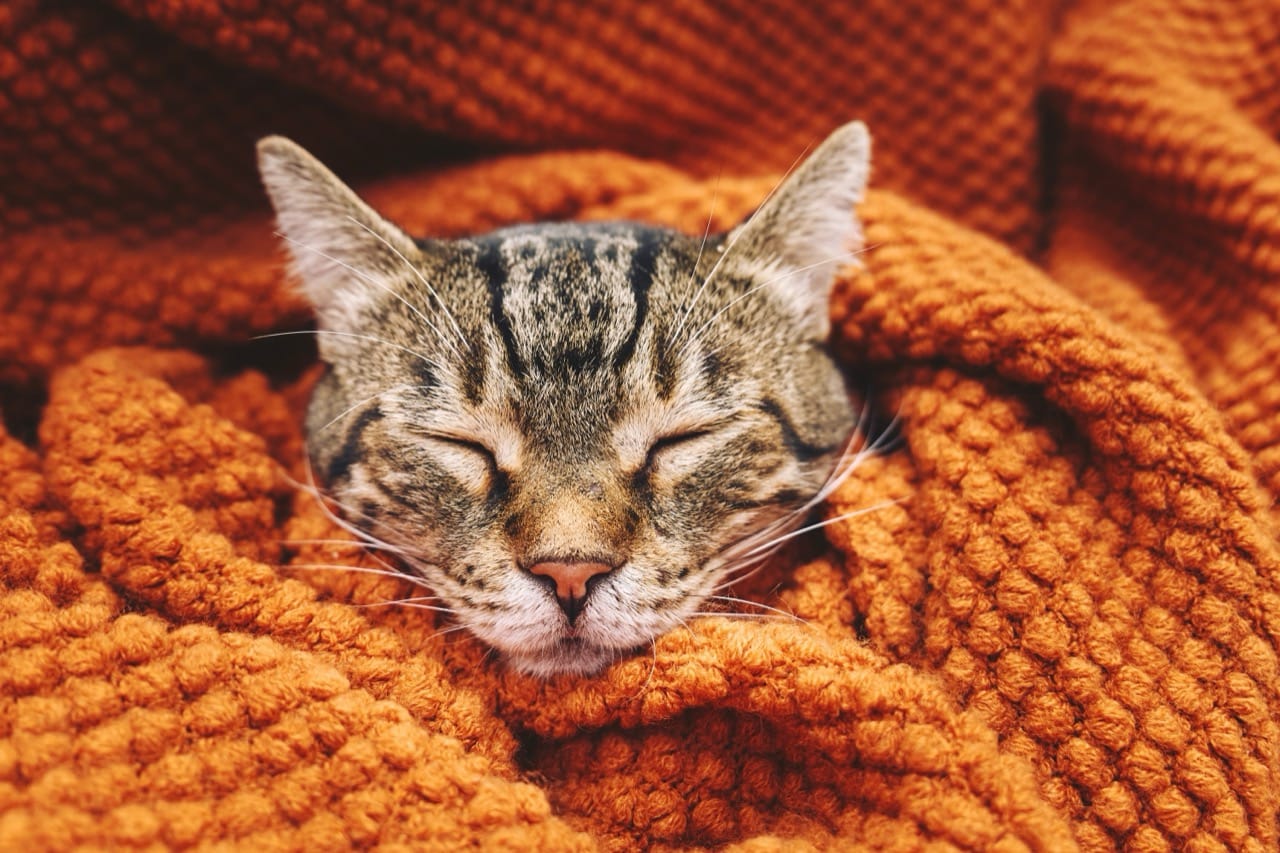
Daily rhythms and quirky habits Cats are often described as nocturnal, but many are actually crepuscular, meaning most active at dawn and dusk, when small prey is naturally on the move. Kneading with the paws may trace back to kittenhood, when nursing kittens knead to stimulate milk flow. Chattering at birds can reflect excitement and frustration, or even a hunting focused jaw movement. And the famous “gift” of a dead insect or mouse is not spite; it can be an instinctive behavior linked to hunting and social sharing.
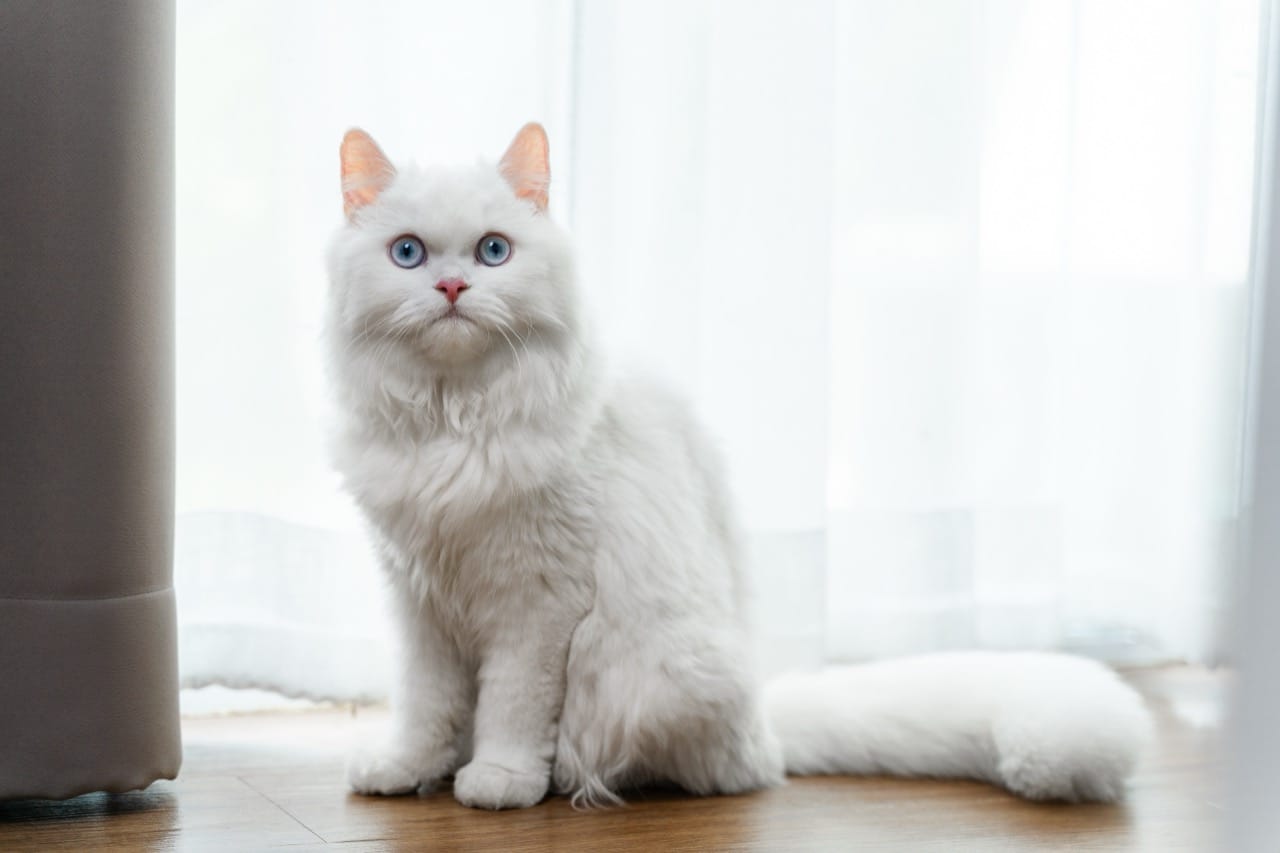
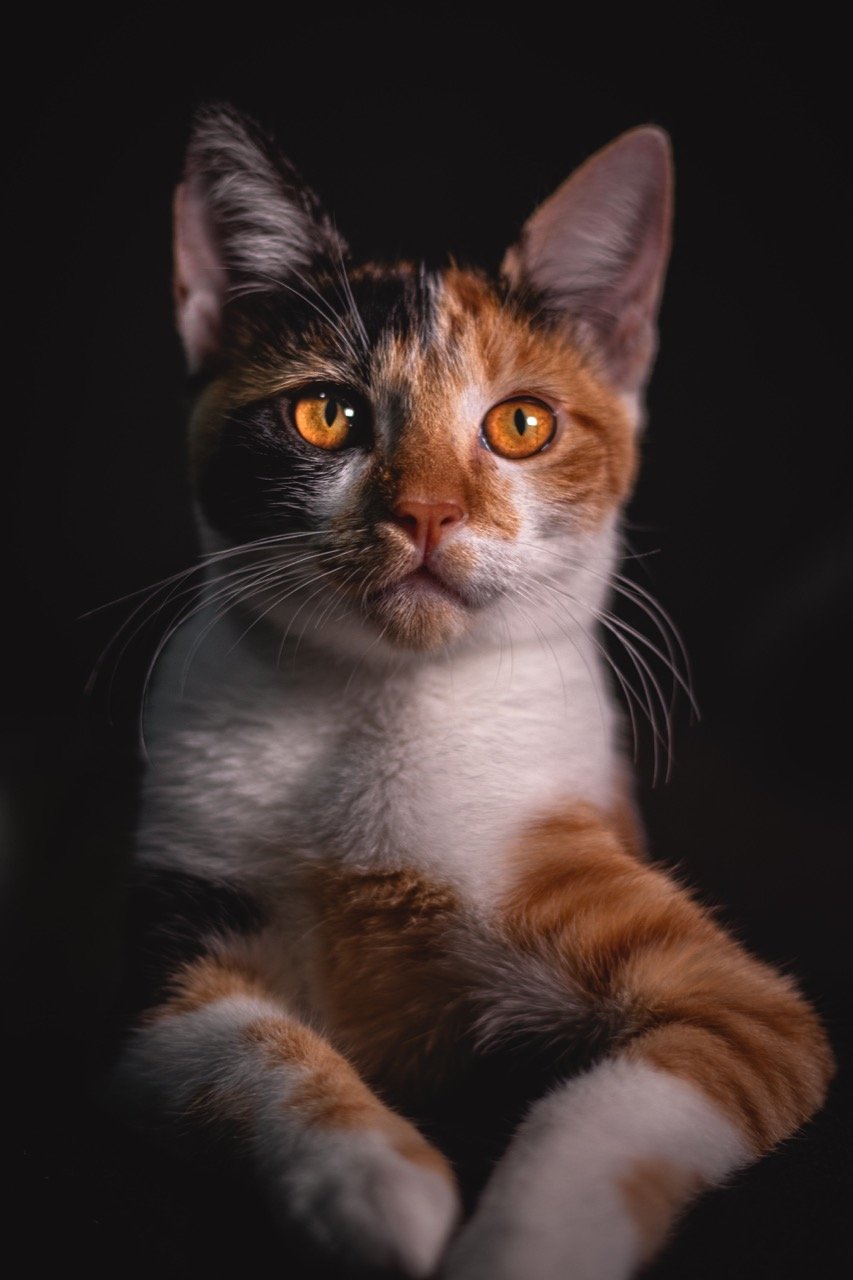
Breeds, myths, and record setters Selective breeding has produced striking variety, from long haired fluff to near hairless coats, and from compact builds to very large frames. Yet breed differences are often smaller than personality differences shaped by early socialization and environment. Common myths deserve retirement: cats do not always land safely, and falls can cause serious injury. Milk is not a universal treat either, since many adult cats are lactose intolerant. As for feats, cats can reach impressive speeds in short bursts and can leap several times their own body length, though their true superpower may be efficiency: conserving energy, observing quietly, then acting with perfect timing.
Conclusion Cats are small predators living alongside humans, carrying ancient instincts into modern living rooms. Their senses, bodies, and behaviors make more sense when viewed through the lens of survival and communication. The next time you see a slow blink, a midnight sprint, or a careful sniff followed by that funny open mouthed face, you are watching biology and history in action. Knowing the reasons behind these quirks makes the purring universe even more fascinating.
.jpg "Truth or Tail Feline Mythbuster Quiz")