Introduction Cats have a talent for acting like they know something we do not. They can nap for hours, then suddenly launch into a full speed sprint as if responding to an invisible signal. Behind those mysterious habits are real biological tools and a long history of living alongside humans. Understanding a few key cat facts makes their everyday quirks feel less random and a lot more impressive.
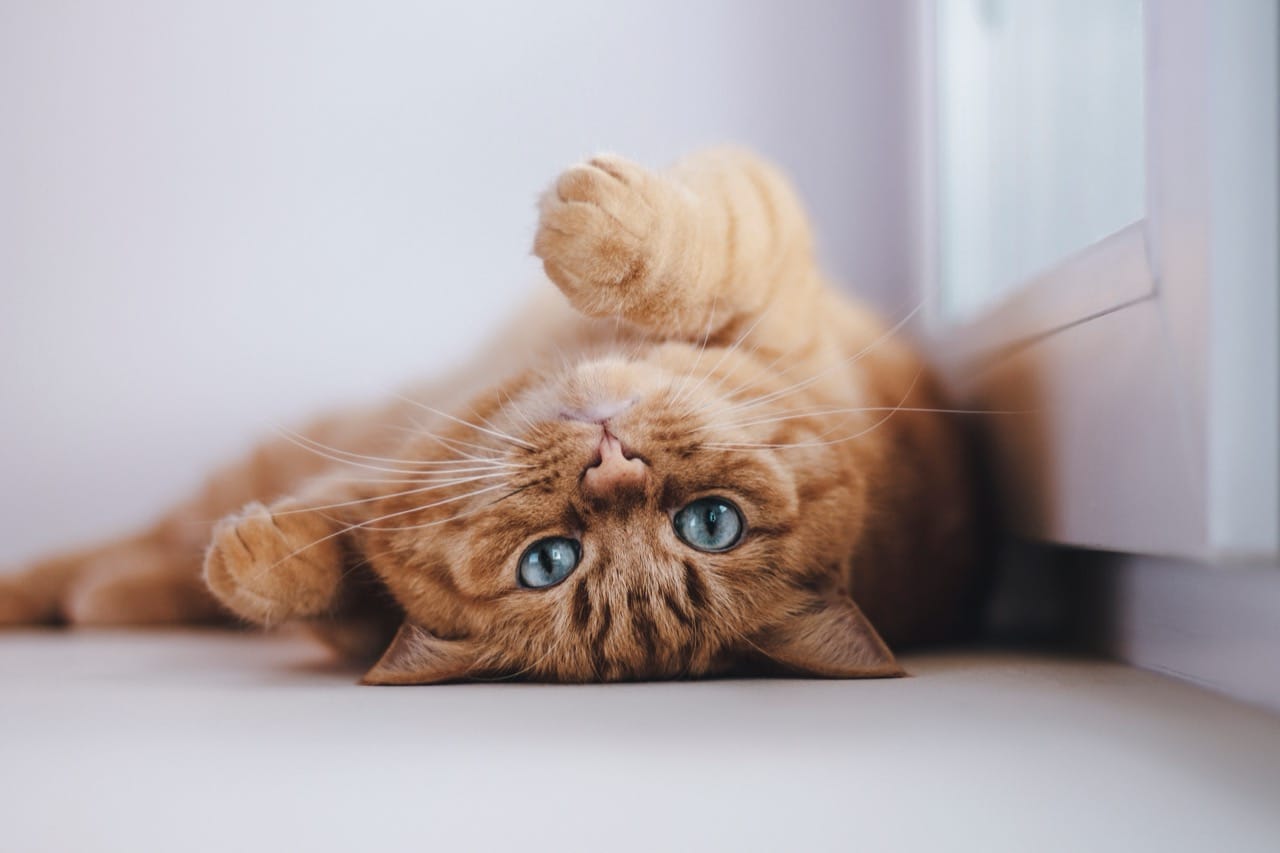
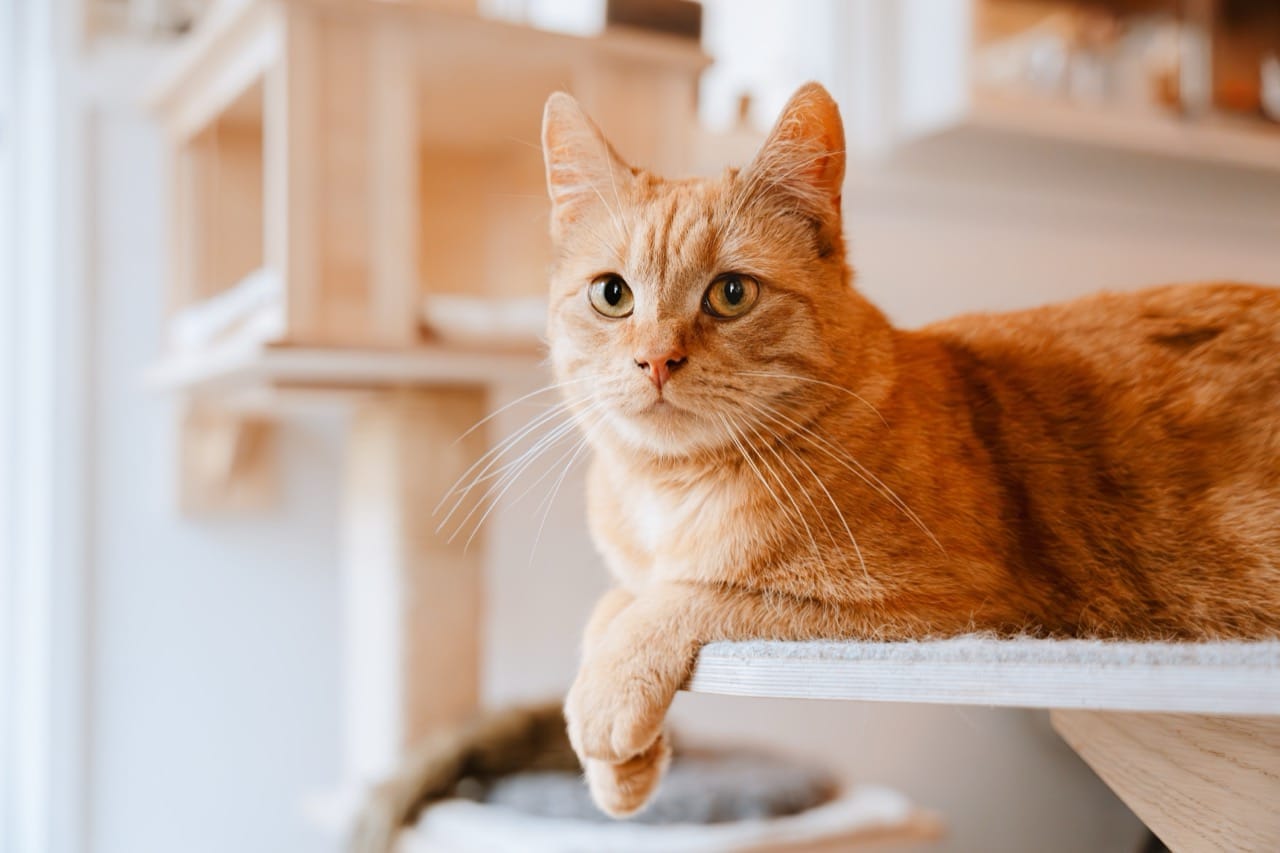
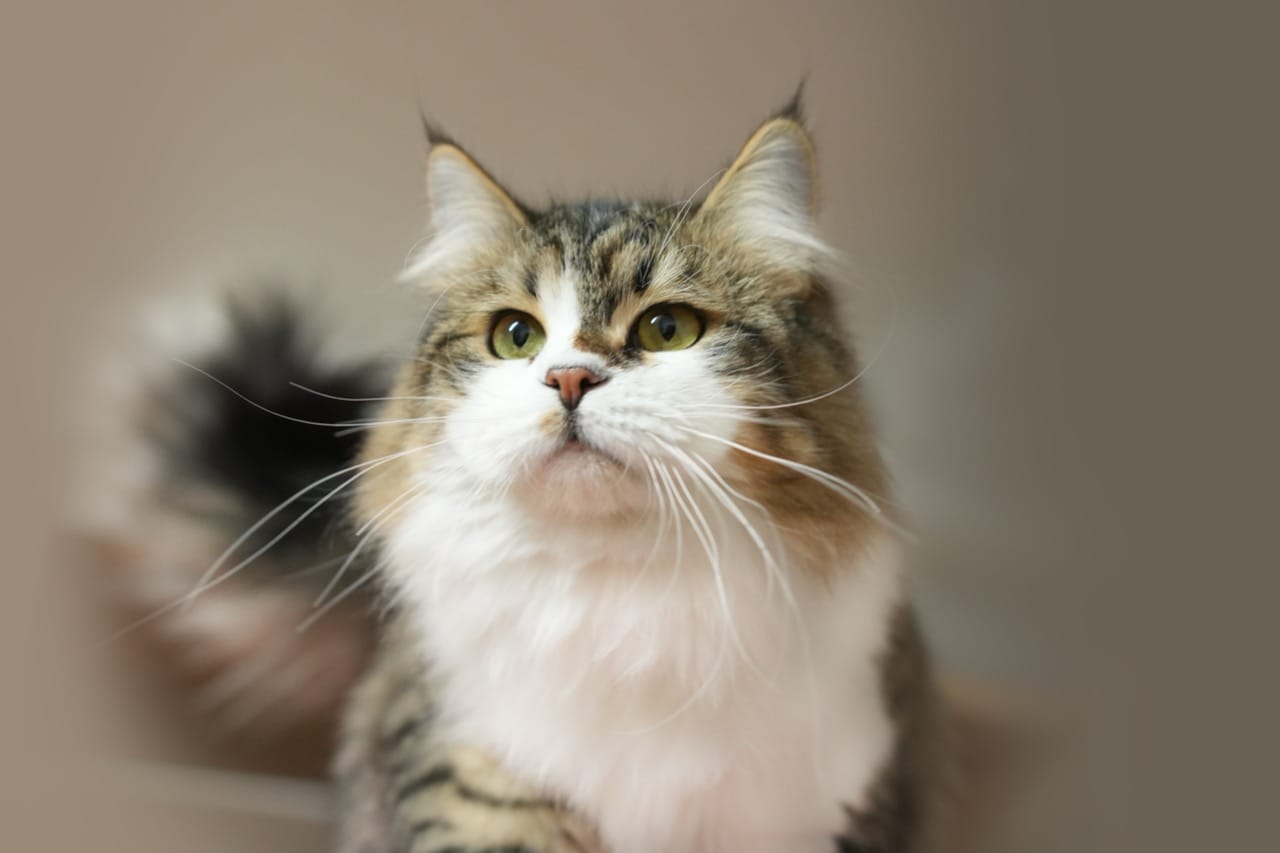
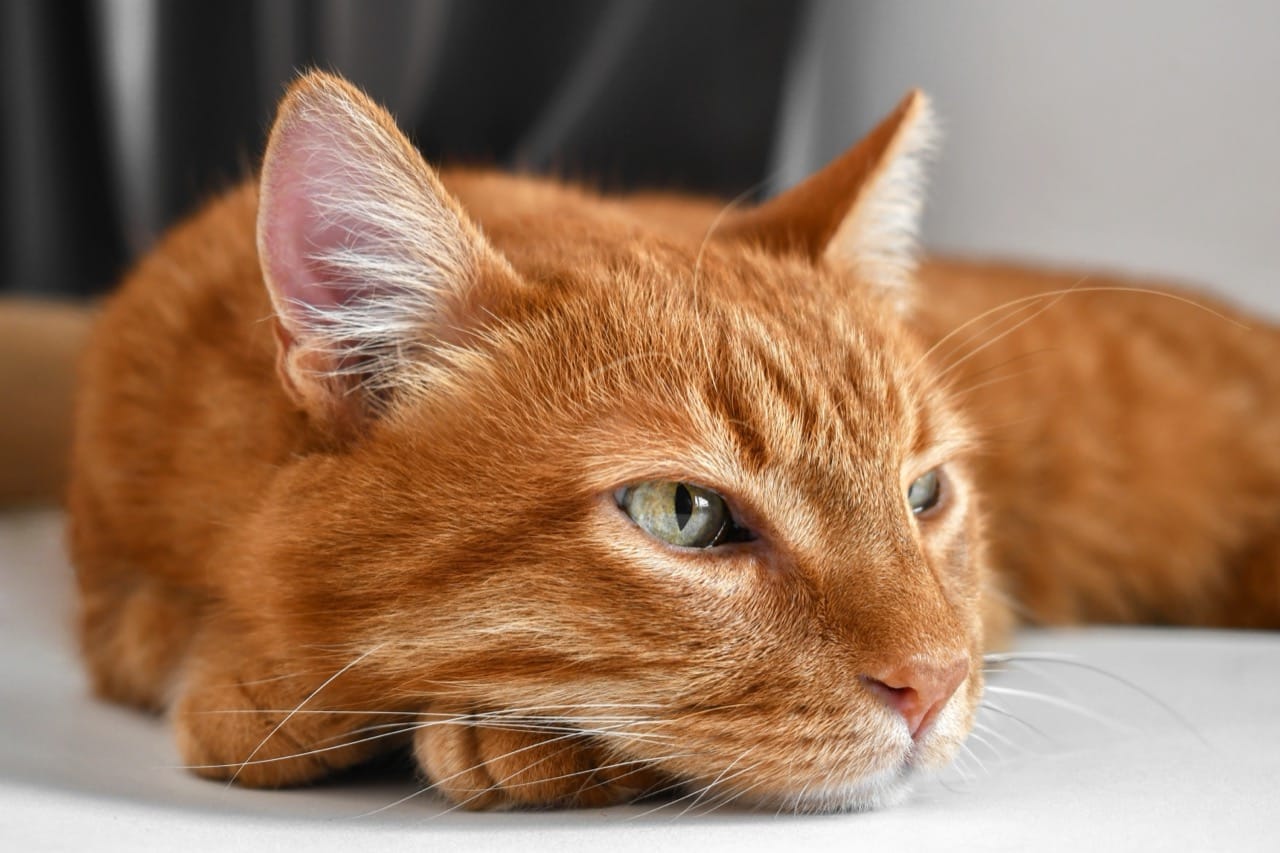
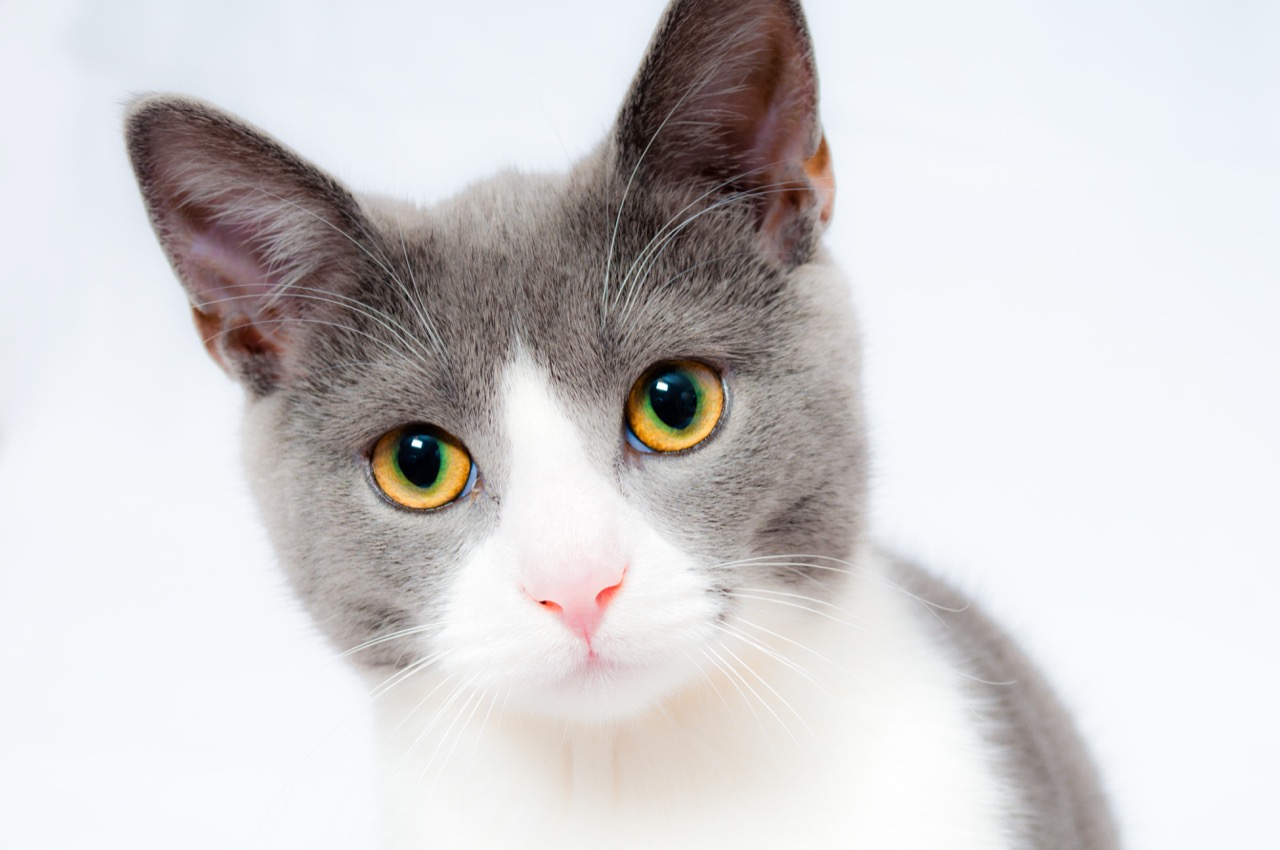
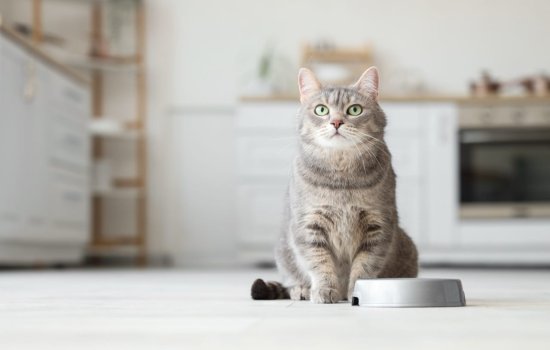
Built for Sensing: Whiskers, Paws, and Super Hearing A cat’s whiskers are not just decoration. They are specialized sensory hairs connected to nerves that help a cat judge space and detect subtle air currents. This is why whiskers matter in tight spaces and why some cats dislike narrow food bowls that press against them, a discomfort often called whisker fatigue. Paws are also sensory hubs. Cats have nerve endings in their paw pads that help them feel texture and vibration, and they also have scent glands between the toes. Scratching is not only about sharpening claws, it is also a way to leave a visual mark and a scent message. Hearing is another feline advantage. Cats can detect higher pitched sounds than humans, which helps them track small prey. Their ears rotate to pinpoint sound sources, and that famous treat bag crinkle can stand out even in a noisy home. Their night vision is strong too, thanks to a reflective layer in the eye that boosts low light sensitivity, though they still need some light to see.
Communication: Purrs, Meows, and the Slow Blink Cats communicate with a mix of body language, scent, and sound. Meowing is especially interesting because adult cats do not rely on it much with other cats, but many use it frequently with humans. Over time, cats seem to have learned that people respond to vocal cues. Purring is often linked to contentment, yet cats may also purr when stressed or in pain. One theory is that purring can be self soothing, and the vibrations may even support healing, though researchers continue to study these effects. If you want a friendly cat signal, try the slow blink. Many cats interpret a relaxed, half closed gaze as nonthreatening. Tail position, ear angle, and whisker direction also matter. A twitching tail tip can signal excitement or irritation, and flattened ears are a clear sign a cat wants space.
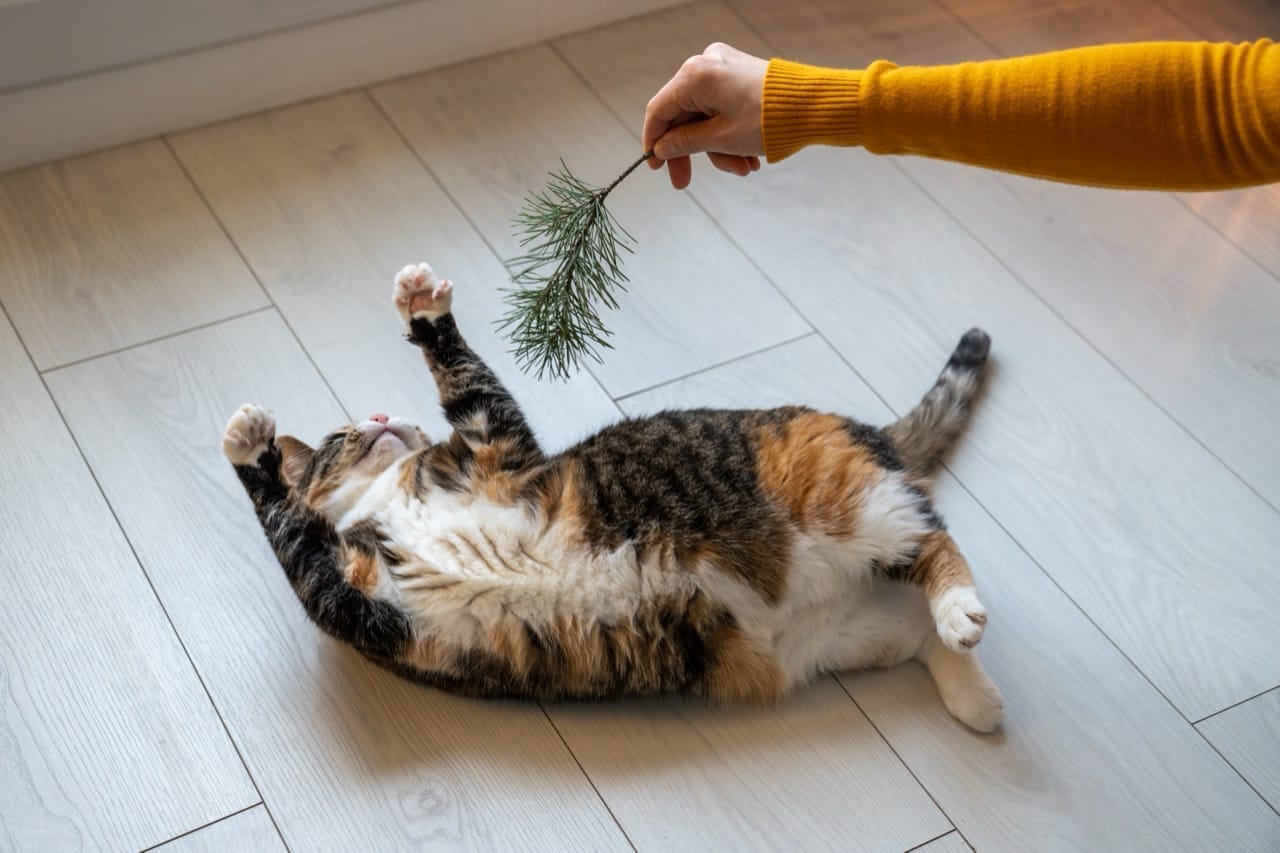
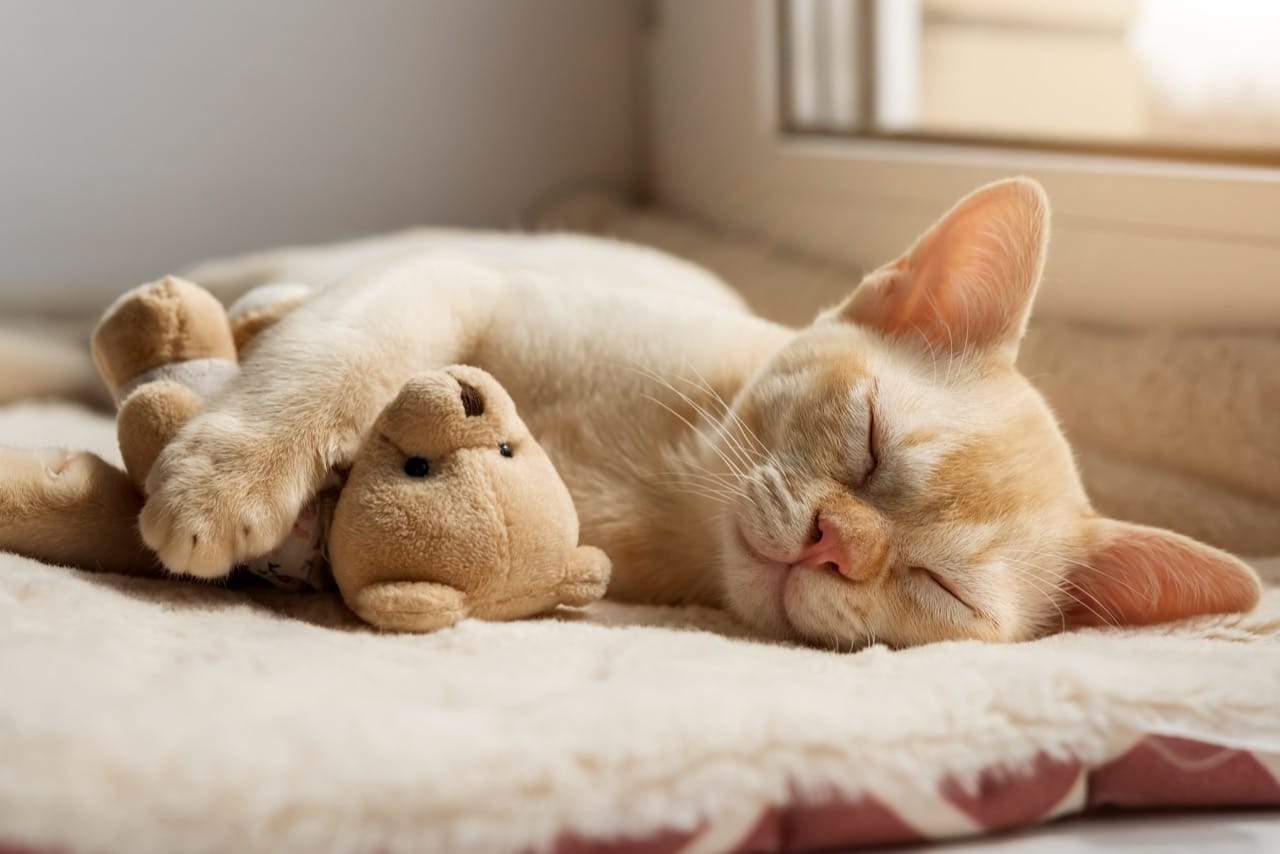
From Granaries to Living Rooms: Domestication and Personality Domestic cats likely began their partnership with humans thousands of years ago, drawn to rodents around early farms and grain stores. Unlike dogs, cats were not bred for specific jobs as early or as intensively, which may help explain why they often keep a strong independent streak. Even so, they are social in their own way. Many form strong bonds, learn routines quickly, and can recognize familiar voices. Kneading, the rhythmic pushing of paws into blankets, is a behavior that starts in kittenhood to stimulate milk flow. In adults it can be a comfort behavior, sometimes paired with purring. The sudden hallway sprint, often called the zoomies, can be a release of pent up energy, especially in indoor cats that need more structured play.
Conclusion Cats may look like tiny roommates with strange schedules, but their behavior is shaped by powerful senses, subtle communication, and a long history of coexisting with people. The more you learn about whiskers, paws, purrs, and instincts, the more each odd habit starts to make sense. Keep those facts in mind as you take the quiz, and you may find that the real challenge is deciding which cat superpower is most impressive.

.jpg "Truth or Tail Feline Mythbuster Quiz")