

Introduction Cats can look like they are doing nothing while quietly running the room. One moment they are statues with judgmental eyes, the next they are a blur of paws and furniture vaults. Behind the mystery is a highly specialized animal shaped by evolution, history, and a surprisingly rich social toolkit. Understanding how cats sense, move, and communicate makes everyday quirks feel less random and a lot more fascinating.
From temples to living rooms Domestic cats likely began their partnership with humans thousands of years ago, drawn to early farming communities where rodents gathered around stored grain. In ancient Egypt, cats became symbols of protection and grace, appearing in art and linked to deities such as Bastet. Over time they spread along trade routes, valued as pest control on ships and in cities. Today they are also cultural icons, starring in paintings, memes, and viral videos that showcase their expressions and athletic antics.
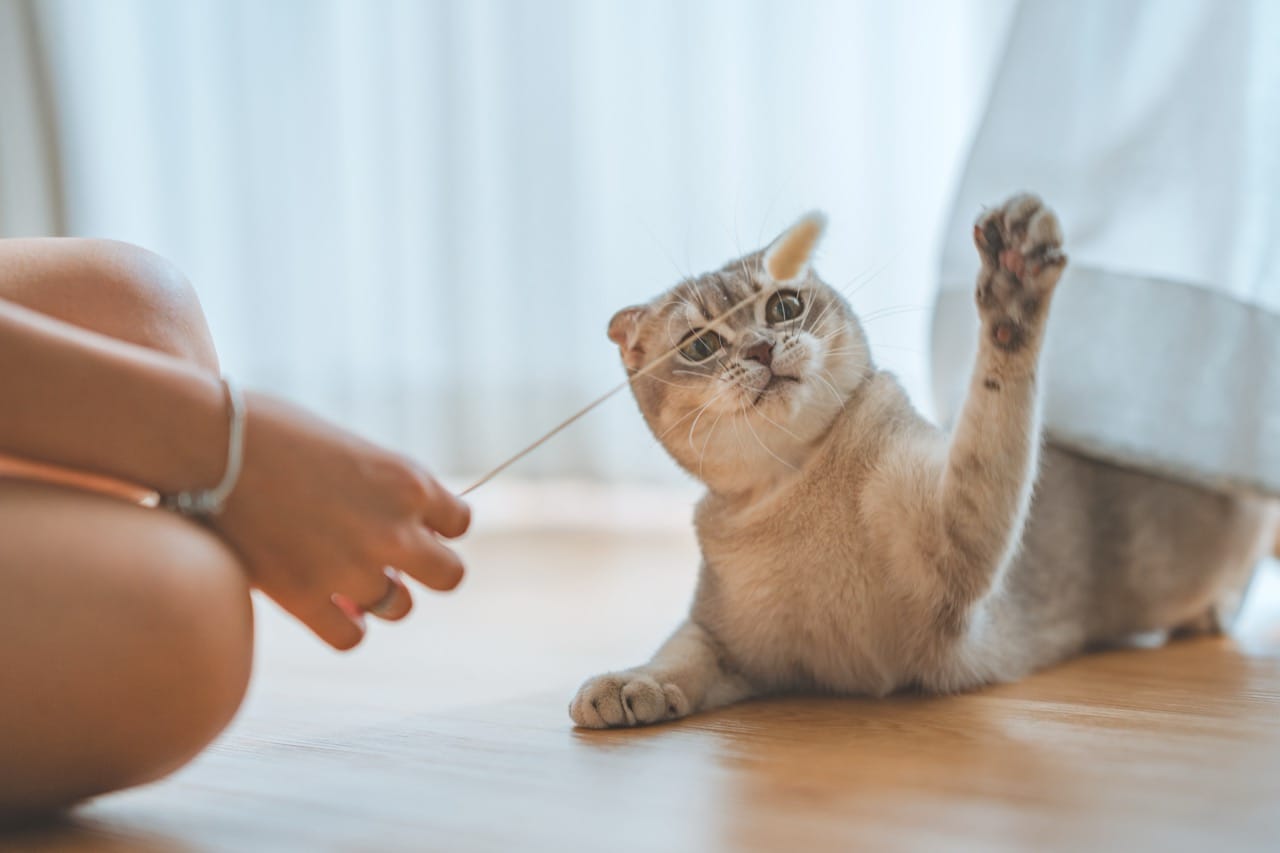
Built for stealth and sudden speed A cat’s body is a blueprint for efficient hunting. Their flexible spine acts like a spring, allowing powerful leaps and those famous zoomies. Retractable claws stay sharp because they are protected when walking, then extend for grip and capture. Their whiskers, though often overlooked, are sensory tools that help measure openings and detect air currents. Even the tail is functional, serving as a counterbalance during tight turns.
The righting reflex and the art of landing Cats are known for landing on their feet, but it is not magic and it is not a guarantee of safety. The righting reflex uses the inner ear for balance and a quick sequence of body rotations. A cat can twist the front half and back half independently, aligning paws downward during a fall. This works best from moderate heights that give enough time to rotate. Higher falls can still cause serious injuries, so windows and balconies should be secured.
Senses tuned like precision instruments Cats see well in low light thanks to a reflective layer behind the retina that boosts available light. Their hearing reaches higher frequencies than humans, useful for detecting small prey. Smell also matters, and cats have an extra scent system called the vomeronasal organ, which helps them interpret chemical signals. You may notice a cat making a funny open mouthed face after sniffing something intensely. This is called the flehmen response, and it is basically deep analysis mode.
Sandpaper tongues and other biological surprises A cat’s tongue feels rough because it is covered in tiny backward facing spines called papillae. These help scrape meat from bones, groom fur efficiently, and pull loose hair into the mouth. Grooming is not just vanity. It regulates temperature, spreads scent, and can be a stress reliever. It also explains hairballs, which happen when swallowed fur accumulates and needs to exit somehow.
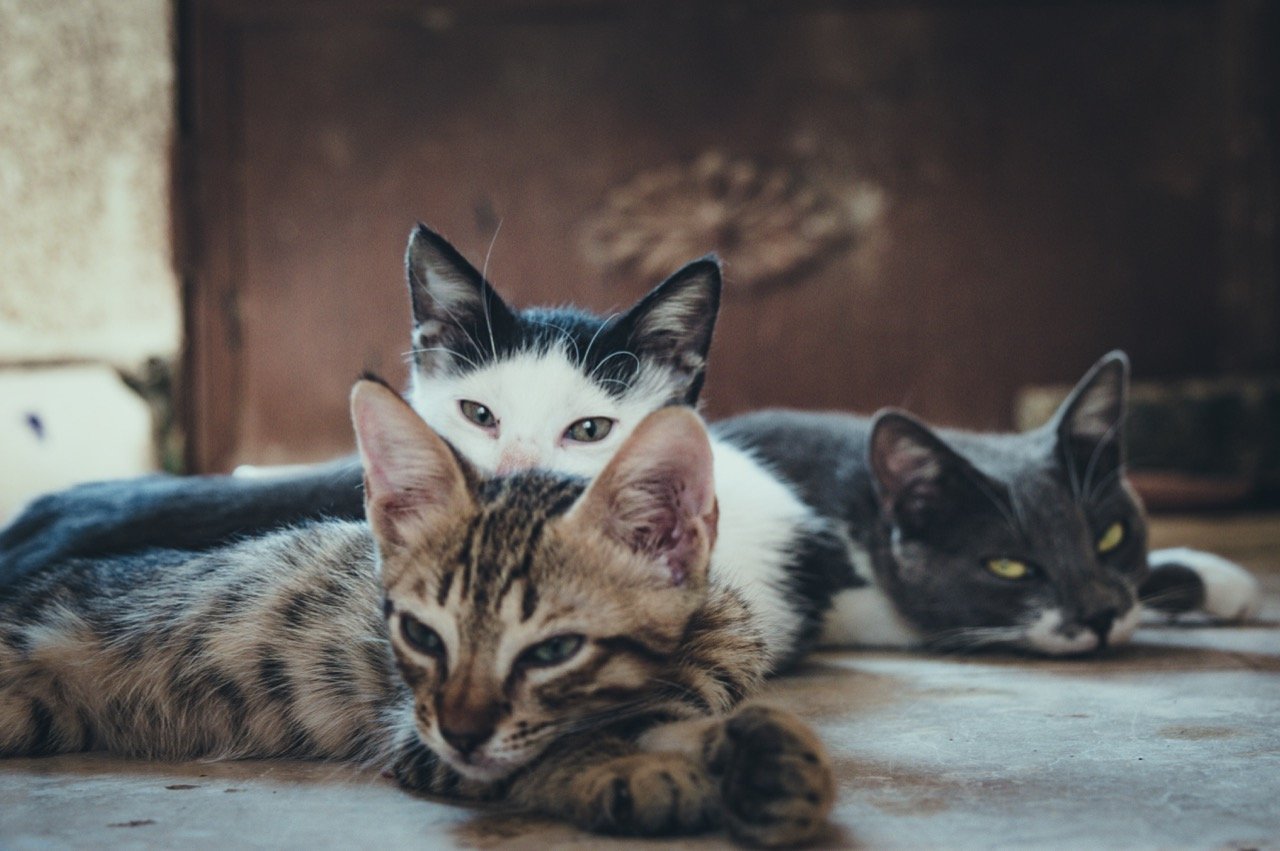
Social lives and secret conversations Cats are not simply solitary loners. They can form strong bonds with people and with other cats, especially when resources are stable. Communication is subtle but readable. Slow blinks are often friendly signals. Tail position and flicking can show excitement, irritation, or focus. Purring can mean contentment, but it can also appear when a cat is anxious or in pain, possibly as self soothing. Adult cats rarely meow at each other; many reserve meows for humans, as if they have learned our language preferences.
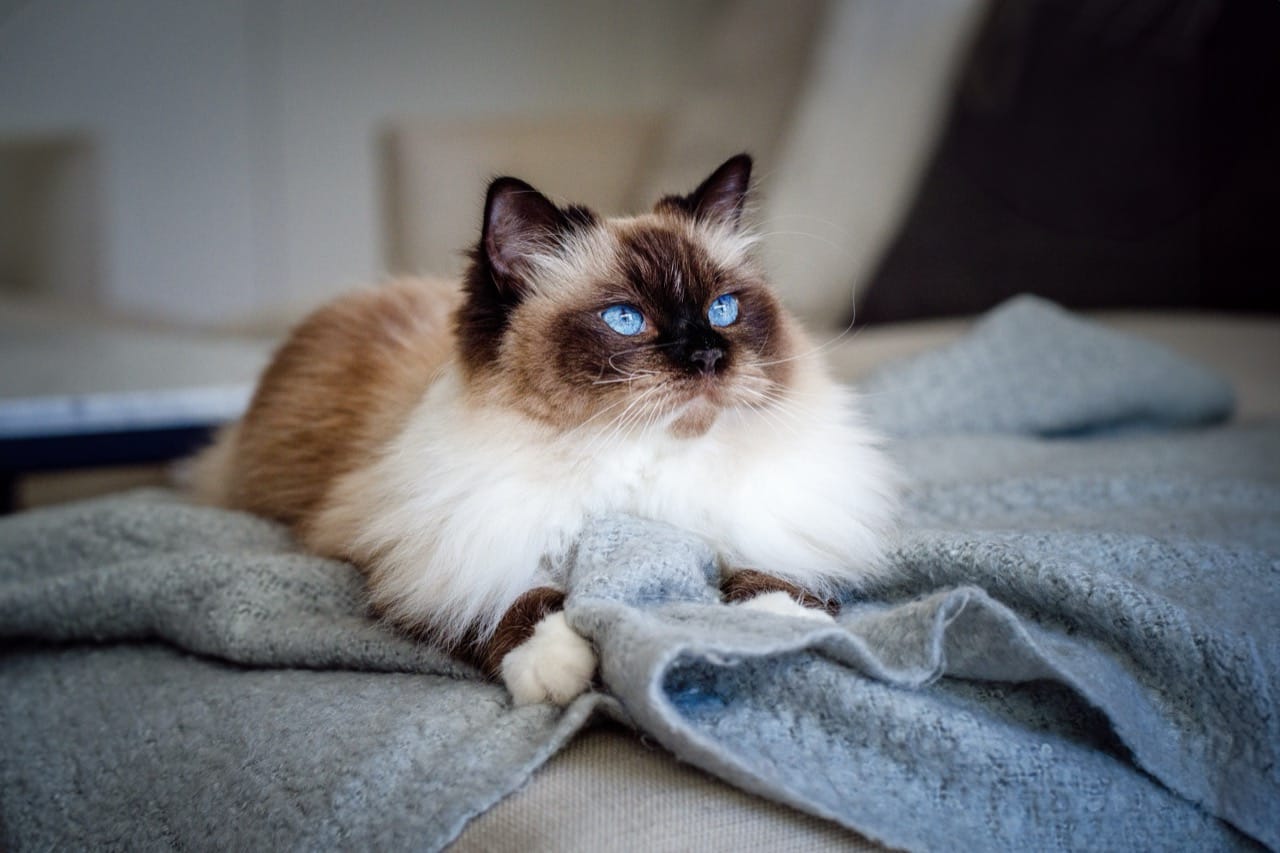
Breeds and personalities Different breeds highlight different traits, from the talkative Siamese to the plush coated Persian to the large, sociable Maine Coon. Still, individual personality, early experiences, and environment often matter more than breed. A confident cat may explore new rooms quickly, while a cautious one prefers predictable routines.
Conclusion Cats are equal parts athlete, sensory expert, and social strategist. Their history with humans is long, their biology is full of clever engineering, and their behaviors often make perfect sense once you know what to look for. The next time your cat chirps at a bird, slow blinks from the couch, or launches into a midnight sprint, you will be watching a small, elegant predator adapted to our homes and our hearts.
.jpg "Truth or Tail Feline Mythbuster Quiz")