



Introduction Cats have lived alongside people for thousands of years, but they have also lived in our stories, temples, and superstitions. Few animals can switch roles so easily: a household helper one moment, a divine protector the next, and a suspicious omen after that. The meanings attached to cats change dramatically across time and place, revealing as much about human hopes and fears as they do about the animal itself.
Sacred guardians and divine companions One of the most famous sacred cats comes from ancient Egypt, where cats were admired for their hunting skill and their calm authority. They protected grain stores by controlling rodents and snakes, which made them practical allies in daily life. Over time, that usefulness blended with religious meaning. The goddess Bastet is often associated with cats and was linked to protection, fertility, and the home. Her imagery could be fierce or gentle, reflecting the cat’s own dual nature: affectionate and domestic, yet capable of sudden ferocity. Egyptian reverence for cats helped cement the idea that cats could stand close to the boundary between ordinary life and the sacred.
Lucky charms and warning signs In Japan, the beckoning cat figure, the maneki-neko, is a familiar symbol of good fortune. You often see it in shop windows, inviting customers and prosperity. Details matter: different paw positions and colors can suggest different kinds of luck, such as wealth, protection, or success in business. This shows how cat symbolism can become a visual shorthand, a small object that carries a big wish. Yet cats can also signal danger in folklore. Sailors’ tales, rural legends, and urban superstitions have all used cats as messengers of the unknown. Their quiet movement at night, reflective eyes, and independence can make them seem mysterious. In some traditions, a cat crossing your path is a warning, while in others it is a blessing. The same behavior can be read in opposite ways depending on local beliefs.
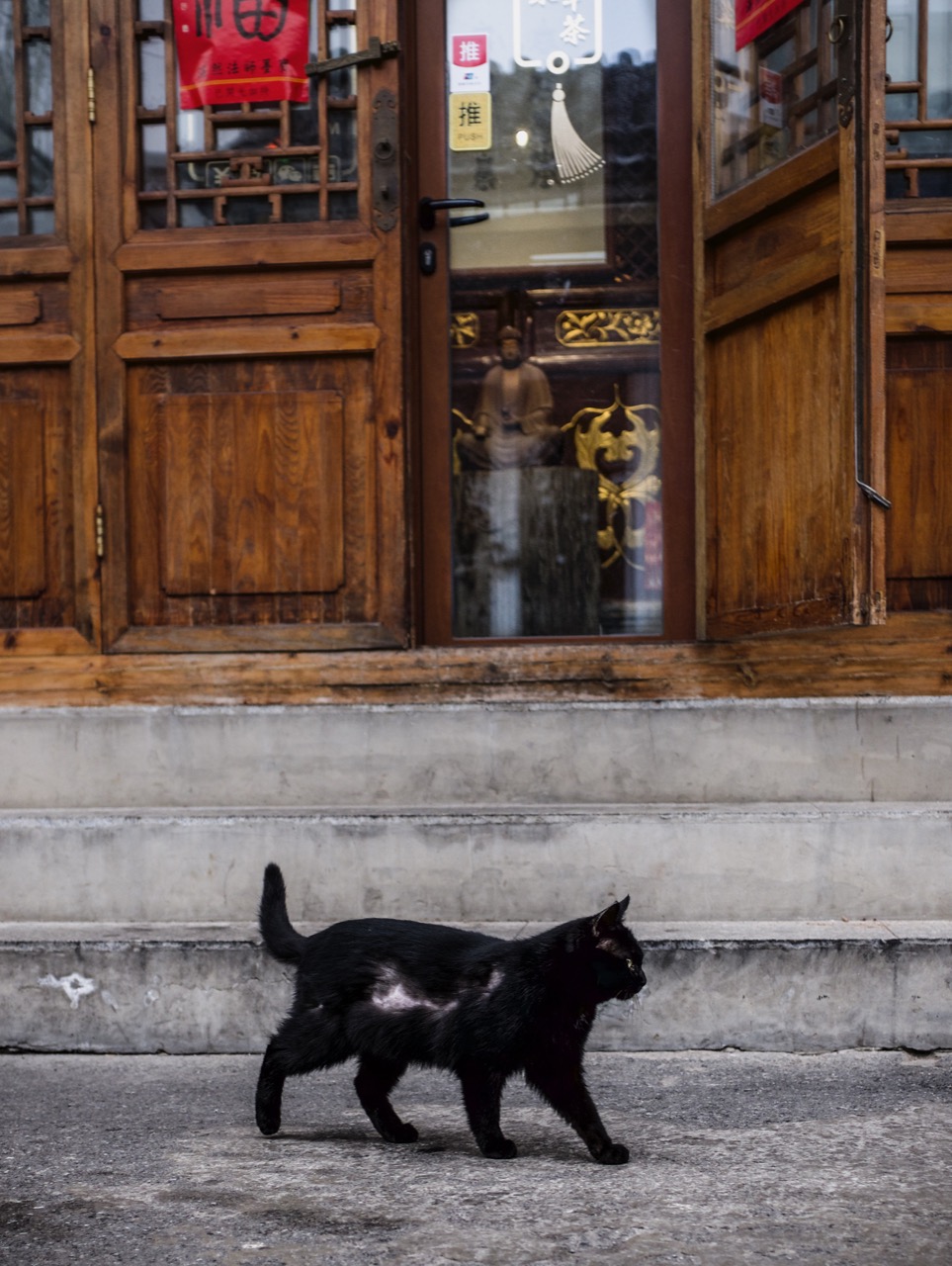
Why black cats mean different things Black cats are the clearest example of cultural contrast. In some places, black cats have been treated as unlucky, tied to ideas about darkness, witchcraft, or bad omens. In other cultures, they are considered fortunate or protective. Even within the same region, beliefs have shifted over time. These differences often reflect broader social anxieties, such as fear of the unknown, suspicion of outsiders, or moral panics that look for symbols to blame. The black cat becomes a screen onto which communities project their worries or their hopes.
Cats in art and literature Artists and writers use cats to communicate mood and meaning quickly. A cat in a painting might suggest domestic comfort, quiet observation, or personal independence. In stories, cats can be clever tricksters, loyal companions, or eerie figures that hint at hidden forces. Because cats choose when to approach and when to retreat, they are often used to symbolize autonomy. At the same time, their nighttime activity and silent movement make them ideal for tales of mystery. In some European traditions, cats became linked with witches, not because of anything cats did, but because they fit the atmosphere of secrecy and the supernatural.
Conclusion Across temples, shops, ships, and storybooks, cats have carried an extraordinary range of meanings. They can represent protection and prosperity, independence and mystery, comfort and suspicion. The most interesting part is not deciding which belief is correct, but noticing how each culture uses the cat to express what it values or fears. The next time you see a cat in art, a lucky figurine on a counter, or a superstition about a midnight visitor, you are seeing a small predator that became a big idea in the human imagination.
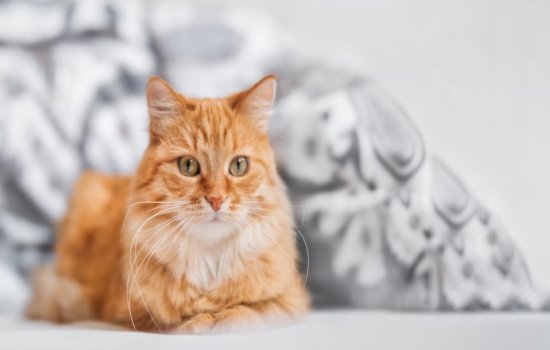


.jpg "Truth or Tail Feline Mythbuster Quiz")