

Cats can look at you like they are holding a secret, and in a way, they are. The modern housecat is a bundle of ancient history, specialized biology, and clever behavior that often gets misunderstood. If you have ever wondered why your cat sprints down the hallway at midnight, chirps at a bird, or slow blinks like a tiny hypnotist, you are already on the trail of the clues.
First, the origin story. Domestic cats largely trace back to the African wildcat, a small predator that began hanging around early farming communities thousands of years ago. Grain stores attracted rodents, rodents attracted wildcats, and humans tolerated the hunters that kept pests down. Unlike many domestic animals, cats were never bred into complete dependence. That independent streak is not stubbornness so much as a reminder that cats domesticated themselves by choosing the benefits of human proximity.
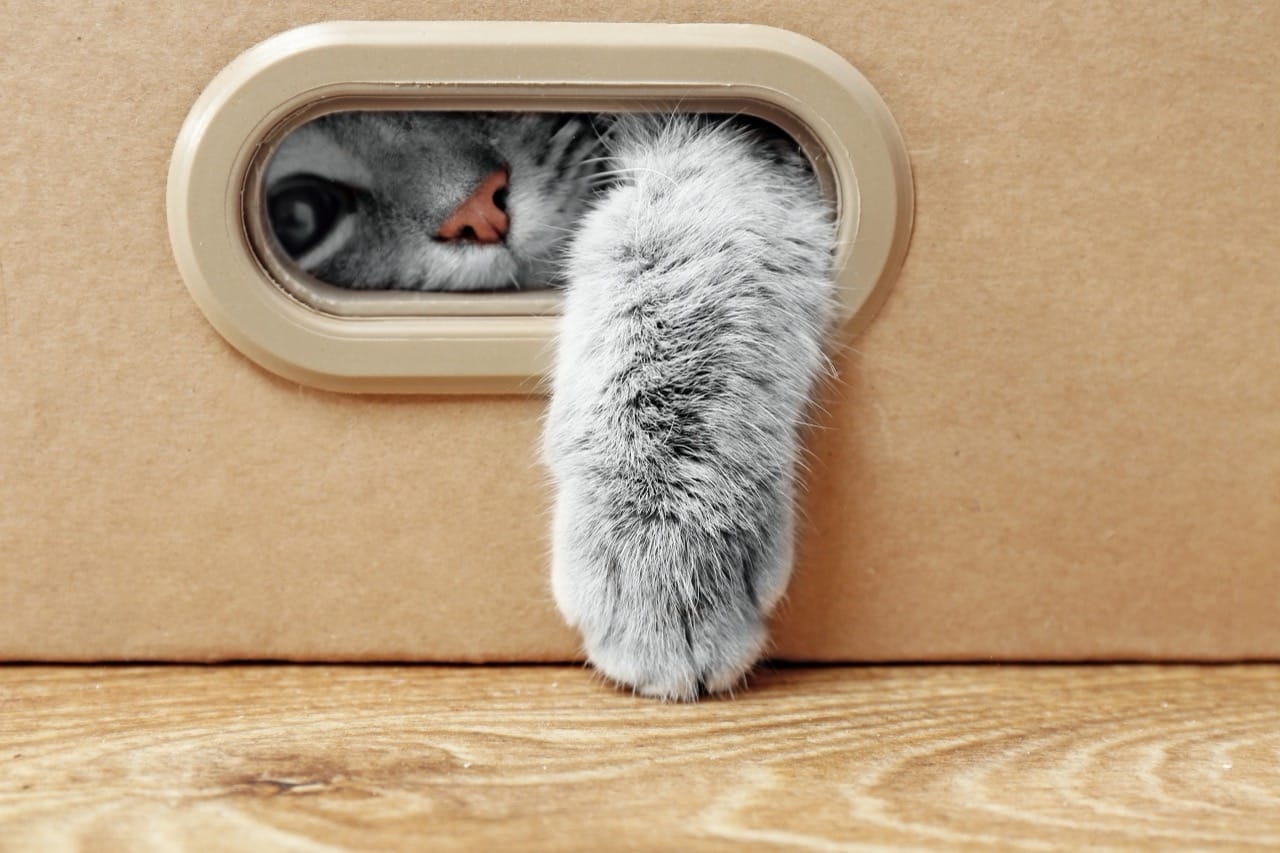
Next, the senses that make cats feel almost supernatural. A cat’s hearing is tuned for high frequencies, which helps them detect the squeaks and rustles of prey. Their eyes are built for low light, with a reflective layer behind the retina that boosts nighttime vision. This does not mean cats see perfectly in total darkness, but they do far better than humans at dawn and dusk, the prime hunting hours. Whiskers add another layer of perception. They are not just fancy facial hair. They are sensitive tools that detect air currents and help a cat judge openings and nearby movement, which is why trimming whiskers can be genuinely disorienting.
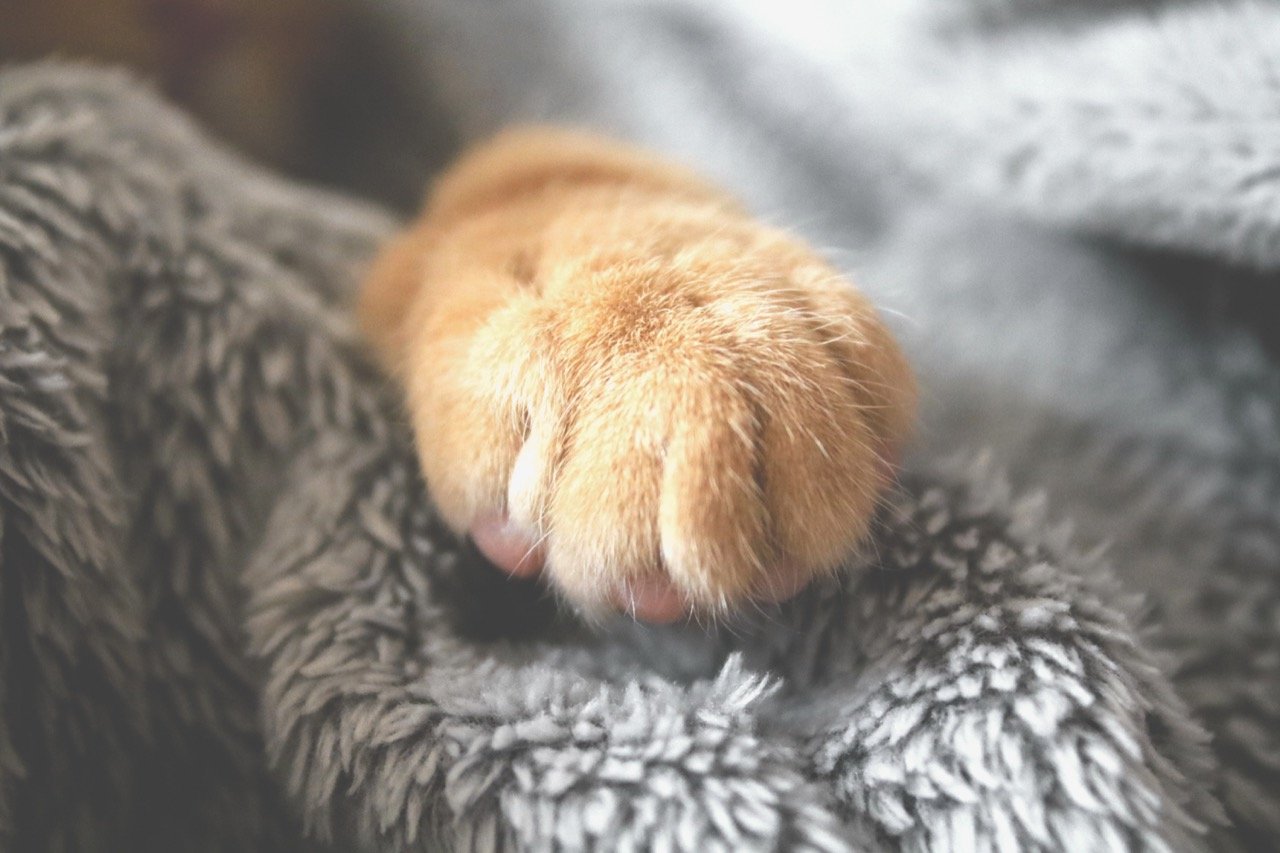
Now for body features and oddities. Cats have a flexible spine and powerful back legs, built for short bursts of speed and sudden leaps. Their collarbone is not fixed like ours, allowing them to squeeze through tight spaces if their head fits. The rough tongue, covered in tiny backward facing hooks, is a multipurpose instrument for grooming and stripping meat from bones. Those hooks also explain why cat tongues can feel like sandpaper and why long haired cats are prone to hairballs.
Behavior is where the mystery deepens. The slow blink is often a sign of relaxation and trust, not a trick. Tail language is more nuanced than many people think. A tail held upright usually signals friendly confidence, while a twitching tip can mean intense focus or rising irritation. Purring is not only for happiness. Cats may purr when stressed, injured, or seeking comfort, possibly because the vibration helps them self soothe. And the famous midnight zoomies are often a release of pent up energy, especially for indoor cats who do not get enough play that mimics hunting.
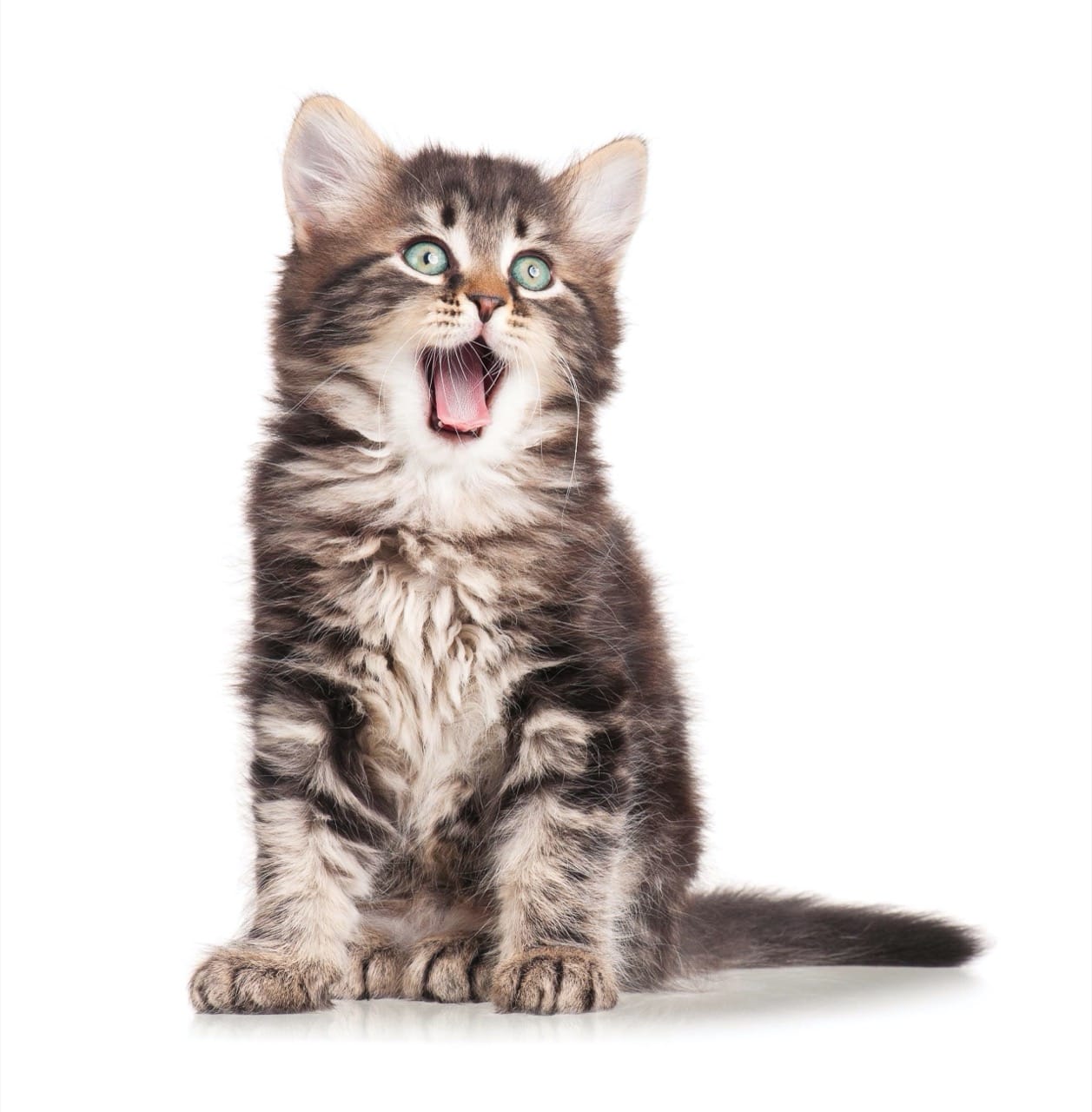
Cats also communicate with surprising sounds. Meowing is largely a cat to human language, refined because it works on us. Adult cats rarely meow at each other the way they do at people. The chirp or chatter you hear at windows is thought to be a mix of excitement, frustration, and hunting instinct.
To close the case, cats are not tiny humans in fur coats. They are specialized predators with a long history of living alongside us on their own terms. Watching your cat with a detective’s eye can turn everyday moments into evidence of deep instincts and clever adaptation. The next time you see a slow blink, a flicking tail, or a sudden sprint, you will have a few more clues about what makes cats tick.
.jpg "Truth or Tail Feline Mythbuster Quiz")