



Introduction Cats can seem like small mysteries living in plain sight. One minute they are silent shadows, the next they are racing through the hallway as if chasing invisible prey. Their mix of independence and affection has fueled legends, scientific research, and endless jokes. Understanding what is going on behind those steady eyes and twitching tails makes their behavior even more fascinating, and it can also help people live with them more happily.
Bodies built for stealth and sudden speed A cat’s body is designed for hunting in short, explosive bursts. Their flexible spine and powerful hind legs help them spring and change direction quickly. The loose skin and fur are not just for softness; that extra give can help protect them during scuffles. Even their paws contribute to stealth. Most of the time their claws stay sheathed, which keeps them sharp and allows quiet movement. When they do extend claws, it is not only for defense but also for climbing, gripping, and marking territory through scent glands in the feet.
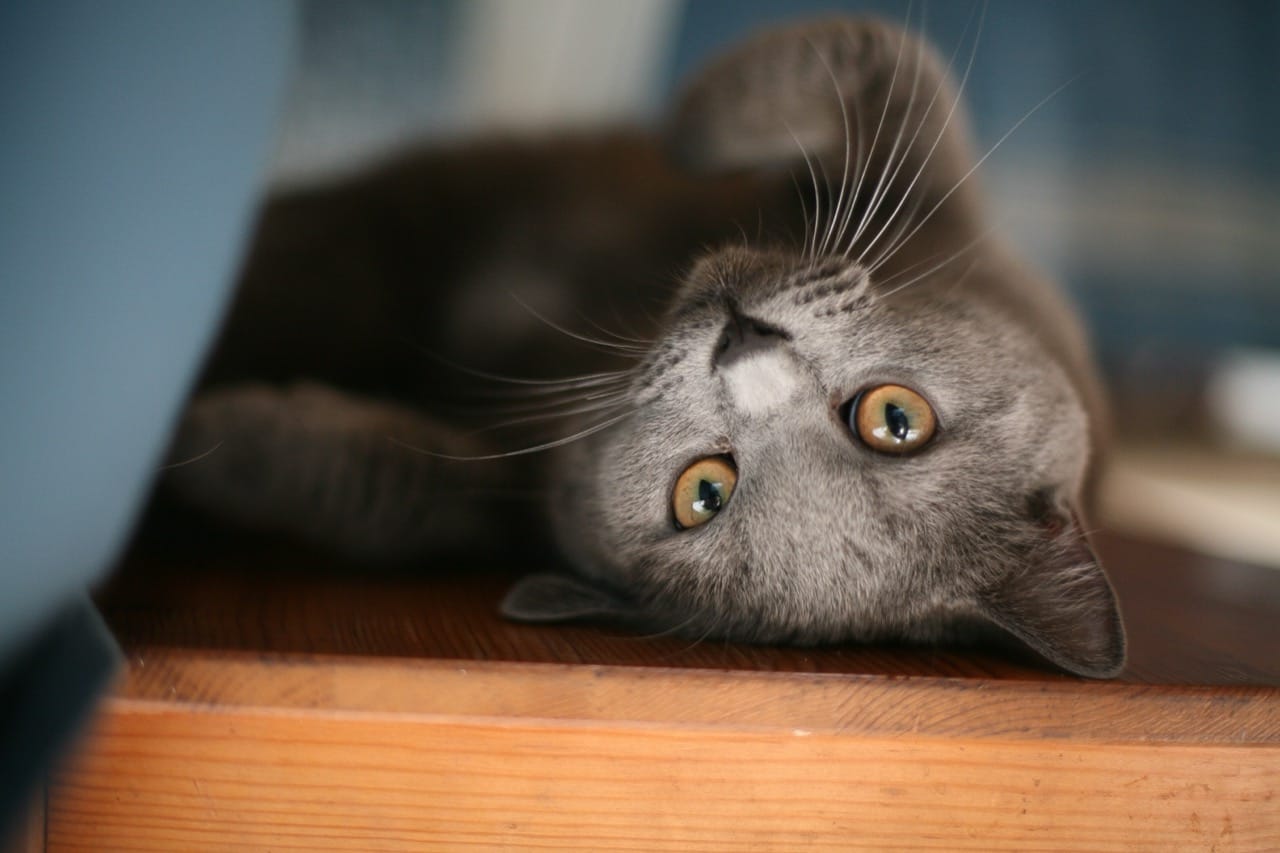
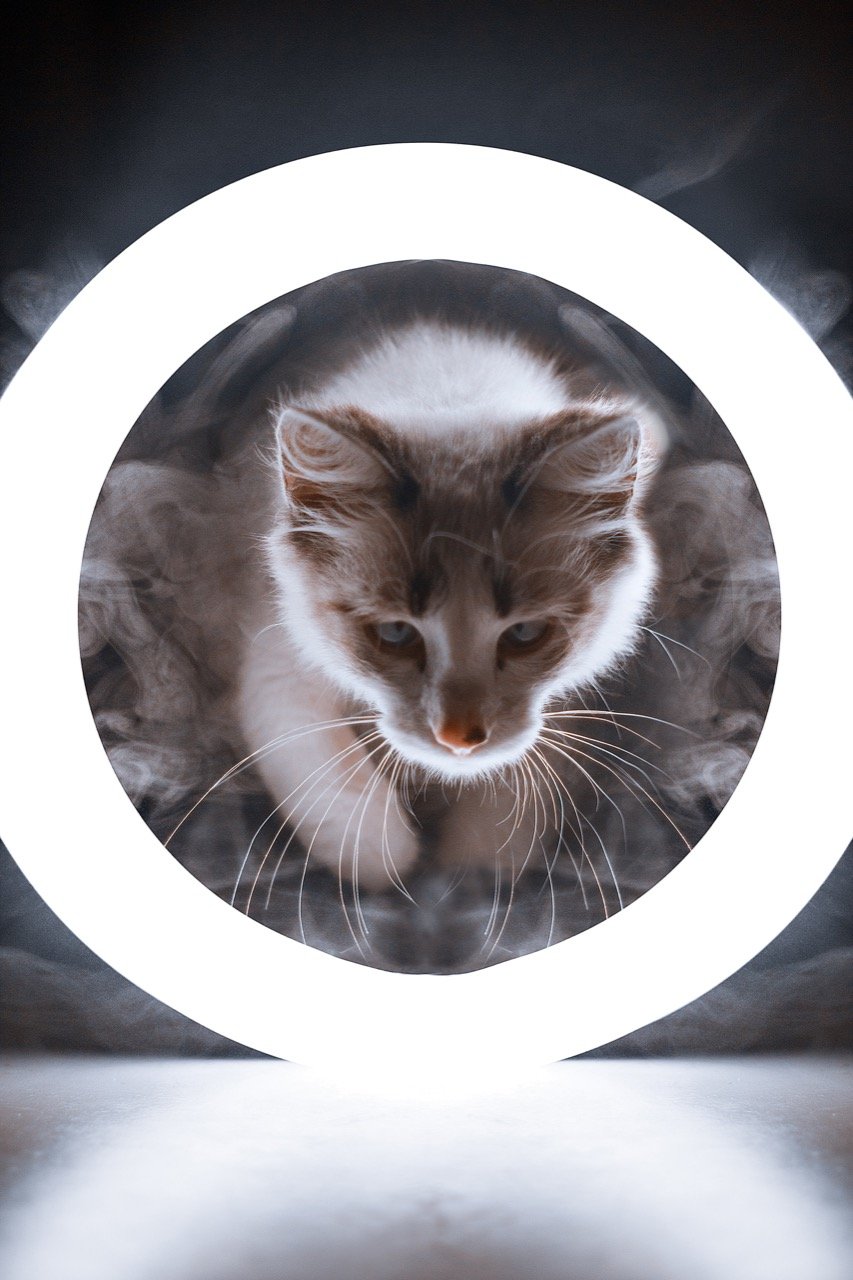
Senses that feel almost supernatural Cats are famous for seeing in dim light, but they do not see in complete darkness. Their advantage comes from large pupils and a reflective layer behind the retina called the tapetum lucidum, which bounces light back through the eye. That is why their eyes seem to shine at night when light hits them. Hearing is another superpower. Cats can rotate their ears to help locate sounds precisely, and many can detect higher frequencies than humans can, which is useful for tracking small prey. Their whiskers add another layer of perception. Whiskers are sensitive tools that detect air movement and help judge whether a cat can fit through a tight space.
Communication: more than meows Cats communicate with a full-body language that many people only partly notice. A slowly blinking cat is often signaling comfort and trust. Tail position matters too: a tail held high can suggest confidence or friendly intent, while a puffed tail is a sign of fear or excitement. Head bunting and cheek rubbing are not random affection; cats have scent glands on the face, and rubbing helps mark familiar people and objects as safe and part of their social world. Purring is usually linked to contentment, but cats may also purr when stressed or in pain, possibly as a self-soothing mechanism.
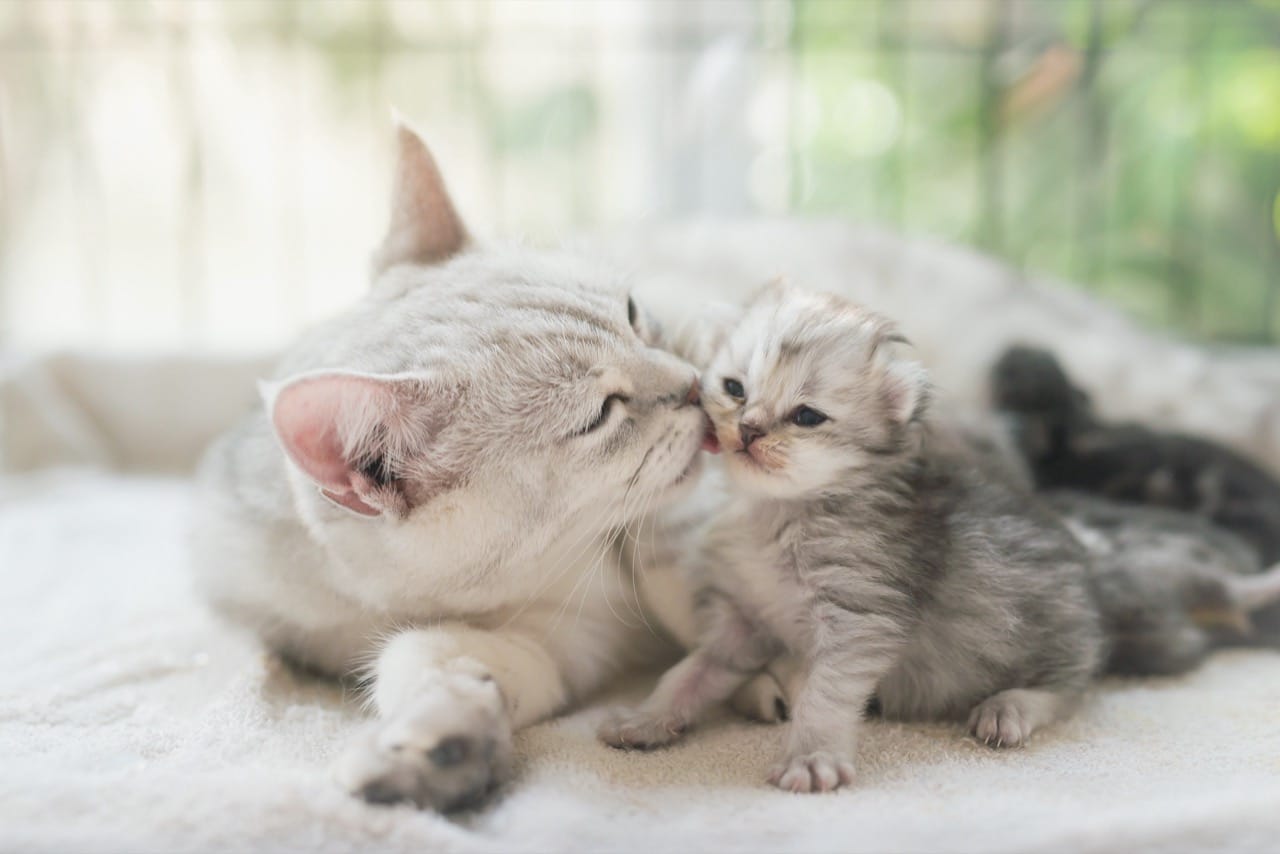
Everyday habits with hidden purposes Kneading, the rhythmic pushing of paws into a blanket or lap, begins in kittenhood as a way to stimulate milk flow while nursing. Many adult cats keep the behavior as a comforting habit. Scratching is often misunderstood as misbehavior, but it is normal maintenance and communication. It removes old claw layers, stretches the body, and leaves both visible marks and scent signals. Sudden zooms can be a release of pent-up energy, especially for indoor cats that do not get enough play that mimics hunting.
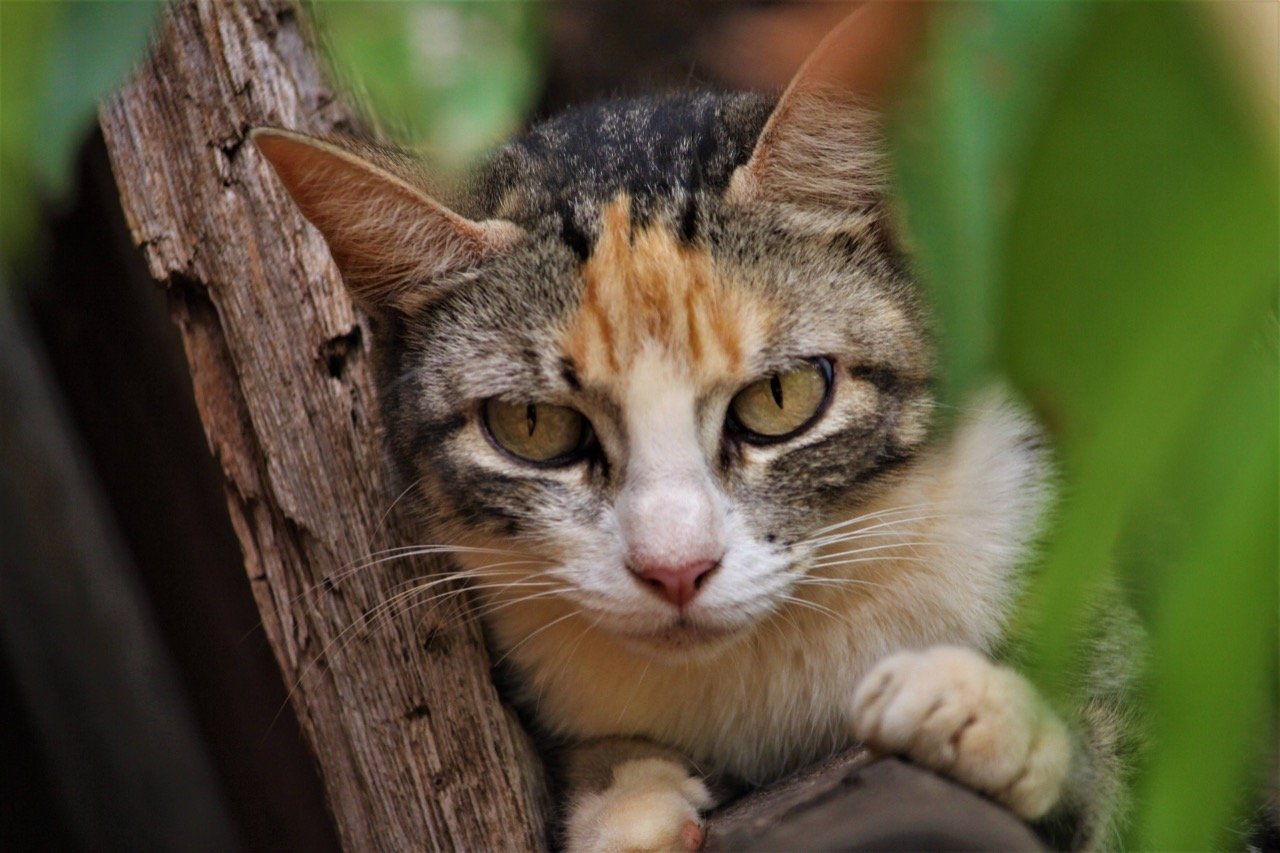
From ancient myths to modern genetics Cats have lived alongside humans for thousands of years, likely drawn to early farming communities where rodents gathered around stored grain. In some ancient cultures they were revered, while in others they were feared or linked to superstition. Modern science shows that coat colors and patterns are shaped by genetics, and selective breeding has created a wide range of body types and temperaments. Even so, many traits in household cats still reflect their origins as efficient, solitary hunters.
Conclusion Cats are not just cute companions; they are finely tuned animals with remarkable senses, expressive communication, and behaviors rooted in survival and social bonding. Learning the meaning behind a stare, a tail flick, or a kneading session turns everyday encounters into clues about how cats experience the world. With that knowledge, the Whiskerless Wisdom Challenge becomes more than trivia. It becomes a fun way to see your household mystery with clearer eyes.

.jpg "Truth or Tail Feline Mythbuster Quiz")