


Introduction Cats have a talent for feeling both familiar and mysterious at the same time. One moment they are curled up like a warm loaf, and the next they sprint across the room as if chased by invisible gremlins. That mix of elegance, unpredictability, and quiet intelligence is exactly why cat trivia is so satisfying. Understanding what makes cats tick turns everyday moments like a slow blink or a tail flick into clues about a finely tuned predator that also happens to share our couches.
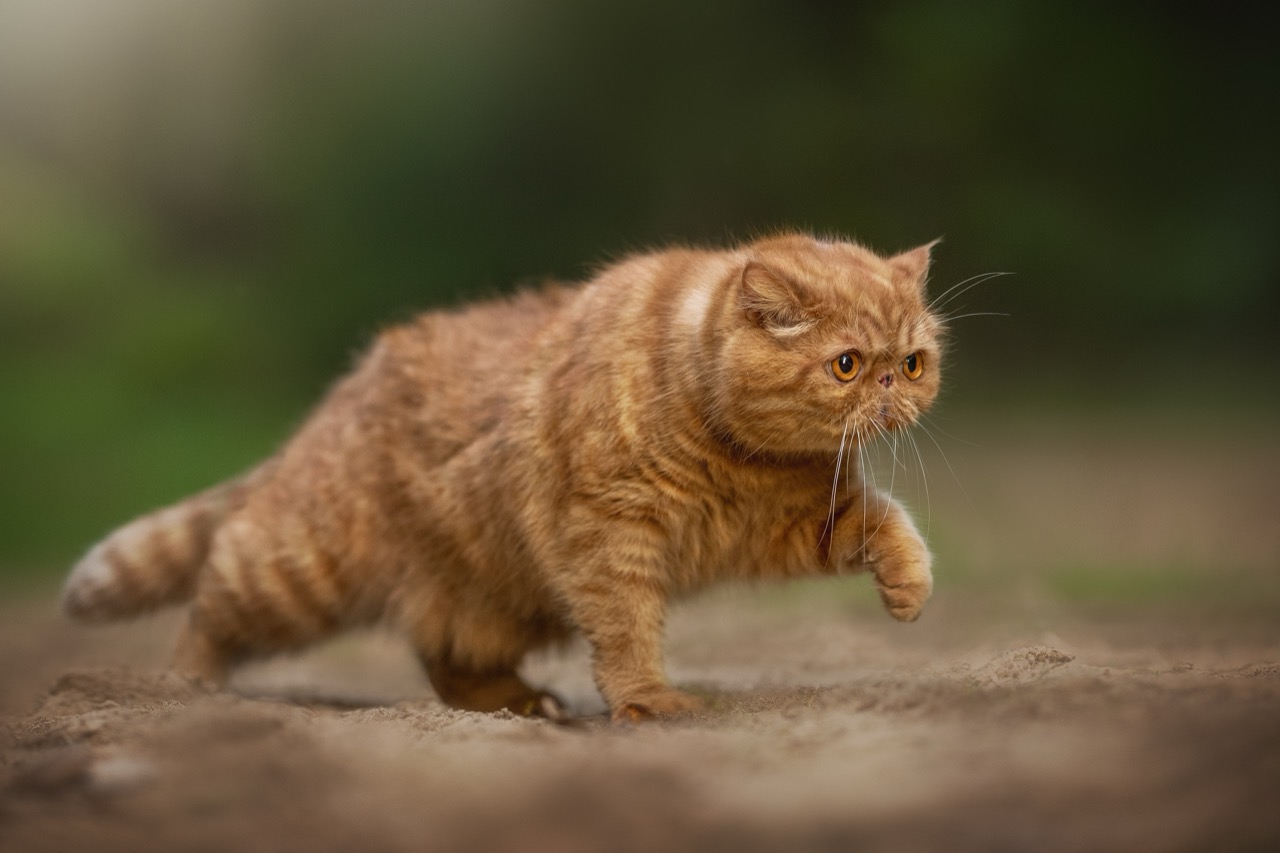
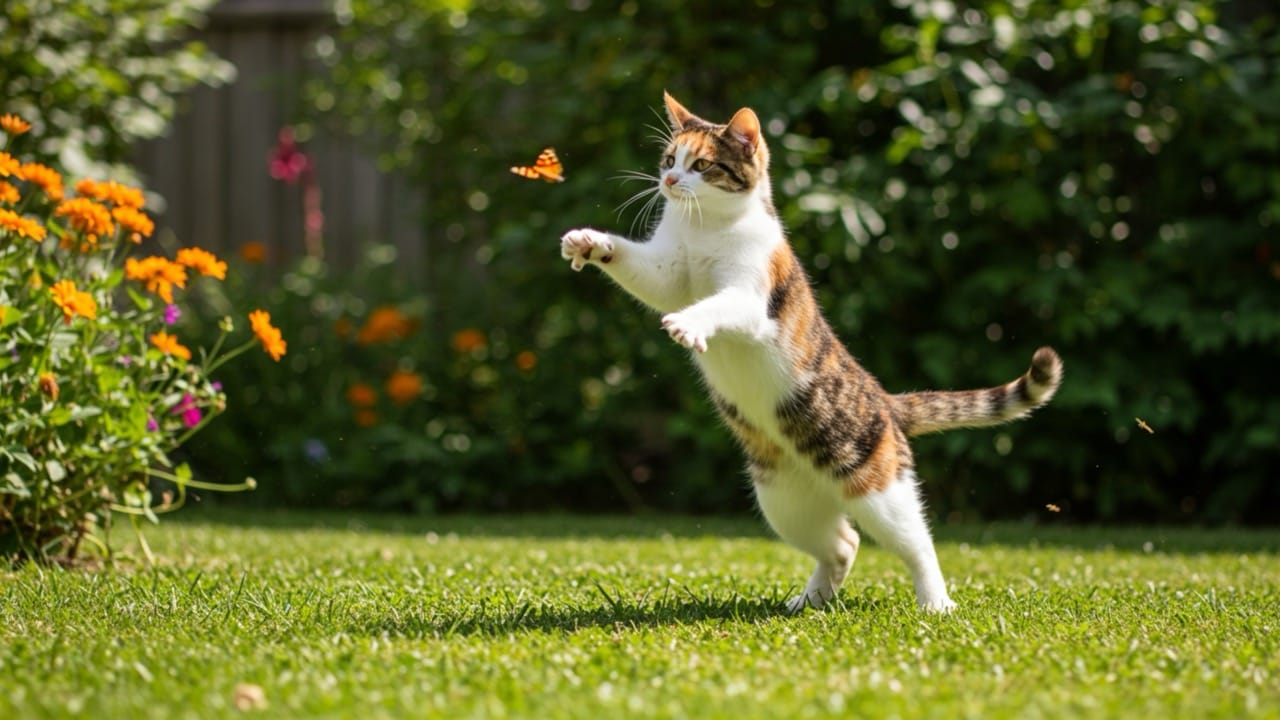
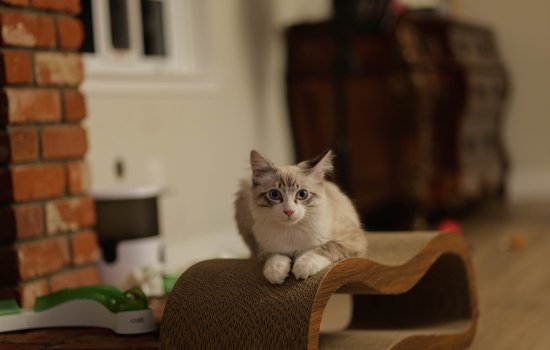
Behavior and those sudden zoomies The famous zoomies often happen in the evening because cats are naturally crepuscular, meaning they are most active around dawn and dusk. Even indoor cats carry instincts shaped by hunting small prey during low light. Play that looks chaotic is often practice for stalking, pouncing, and chasing. If your cat ambushes a toy from behind a chair, it is not being dramatic for no reason; it is rehearsing a strategy. Scratching is another behavior people misread. It is not just about sharpening claws. Scratching also stretches the body and leaves both visual marks and scent signals from glands in the paws.
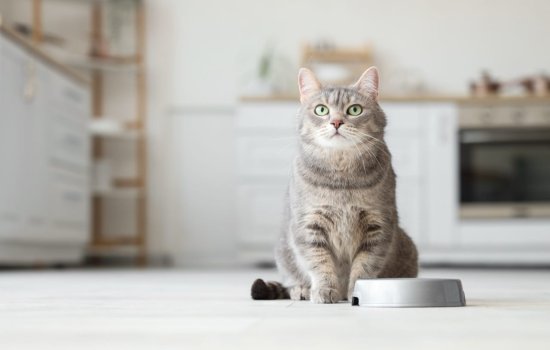
Senses built for stealth Cats experience the world through senses designed for precision. Their night vision is strong because their eyes have many rod cells and a reflective layer called the tapetum lucidum, which helps them use low light efficiently. They still need some light, but far less than humans. Their hearing reaches higher frequencies than ours, which helps them detect tiny movements and high pitched squeaks. Whiskers are not just cute accessories. They are sensitive touch sensors that help cats judge spaces and detect air currents. If whiskers are overstimulated, such as by a narrow bowl pressing against them, some cats may eat less comfortably.
Communication: more than meows Adult cats rarely meow to each other; many meows are aimed at humans. Cats also communicate with tail position, ear angle, posture, and facial expressions. A slow blink is often a sign of trust and relaxation, and many cats will slow blink back if you do it gently. Purring usually signals contentment, but it can also appear when a cat is anxious or in pain, possibly as a self soothing mechanism. Scent is a major part of cat social life. Rubbing against your legs deposits familiar scent, marking you as part of their safe territory.
History, domestication, and famous feats Domestic cats likely began their relationship with humans when early farming communities attracted rodents, and wildcats that tolerated people gained an advantage. Over time, the partnership grew from practical pest control to companionship. Today, cat breeds vary widely, but all domestic cats share a similar body plan optimized for agility. Record breaking feats can be surprising: some cats are known for exceptional jumping ability, unusual coat patterns, or impressive longevity. While trivia loves extremes, everyday cats are already athletic, with flexible spines, powerful hind legs, and fast reflexes that help them land on their feet in many situations.
Conclusion Cat knowledge is a blend of biology, history, and careful observation. The more you learn, the more those quiet stares and sudden bursts of speed make sense. Whether you are taking a trivia sprint or simply living with a feline roommate, understanding their senses and signals can make the relationship more fun and more respectful. Cats may never explain themselves, but the clues are everywhere if you know how to read them.

.jpg "Truth or Tail Feline Mythbuster Quiz")