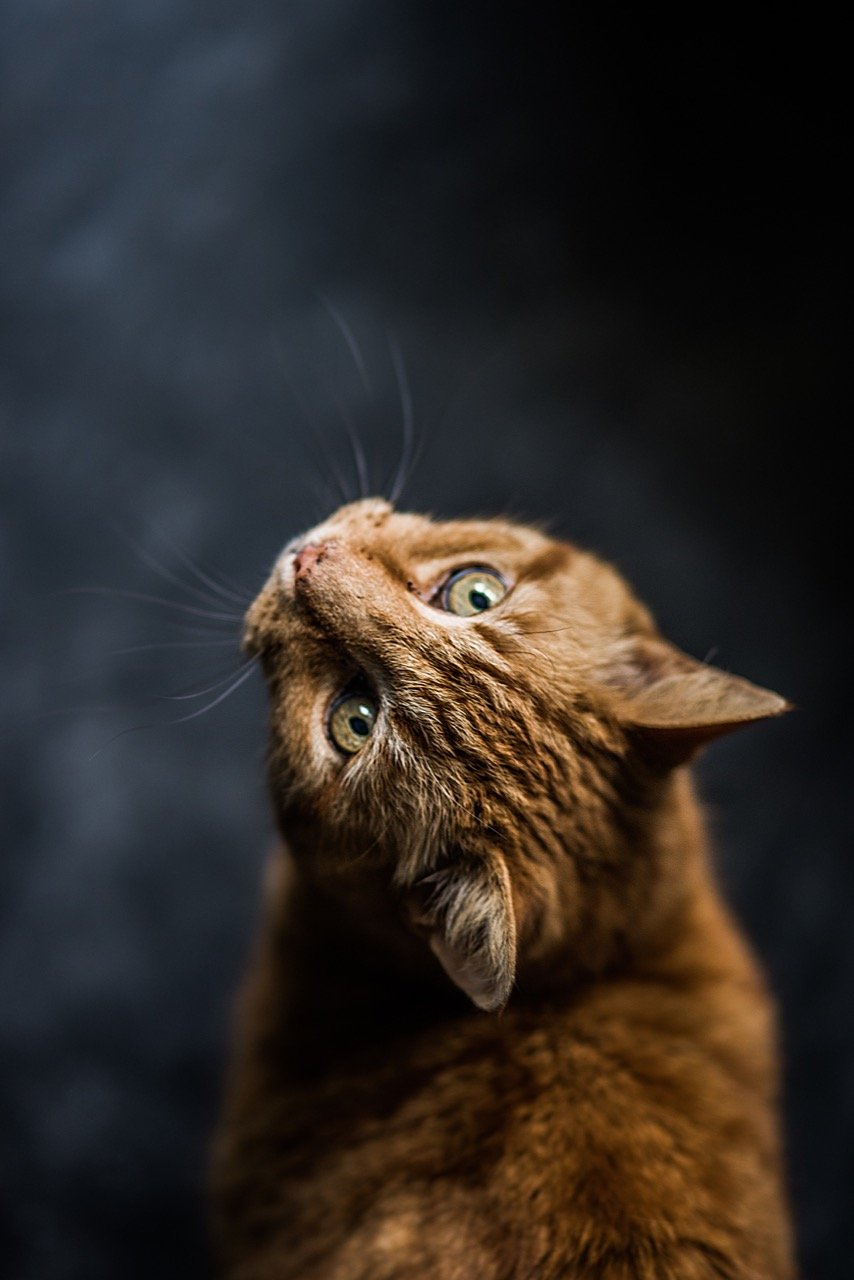
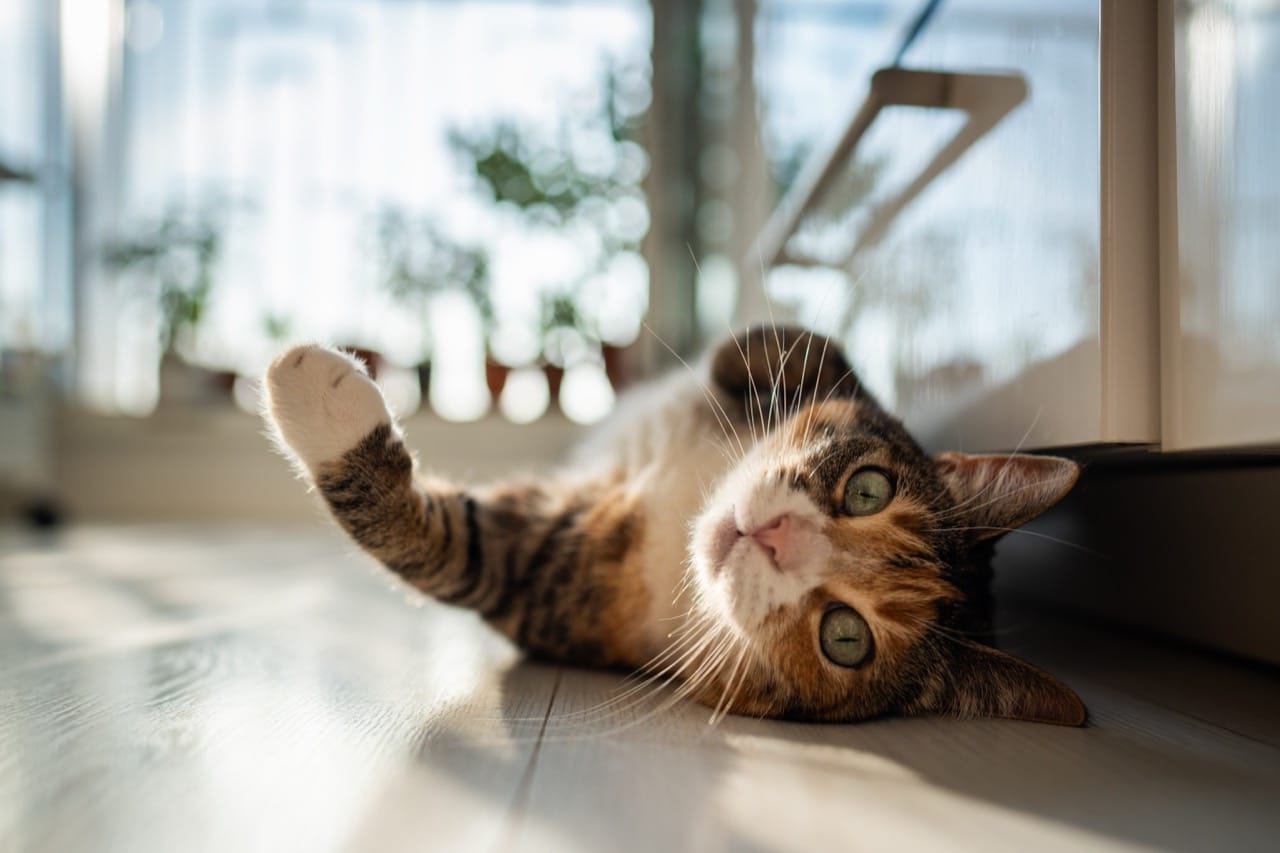
Introduction Cats have a talent for turning ordinary rooms into theaters of mystery. One moment they are silent shadows, the next they are sprinting down a hallway as if chasing an invisible rival. Their habits can seem puzzling, yet many of these behaviors are rooted in biology, communication, and a long shared history with humans. Understanding why cats knead blankets, chirp at birds, or stare from across the room adds a new layer of appreciation to the trivia-worthy details of feline life.
Ancient origins and the rise of the house cat The domestic cat traces much of its ancestry to the African wildcat. Unlike many domesticated animals shaped by intensive human breeding for work, cats largely domesticated themselves. Early farming communities stored grain, grain attracted rodents, and wildcats that tolerated people gained a reliable food source. Over time, the most human-friendly cats thrived near settlements. Cats became woven into culture as well. In ancient Egypt, they were associated with protection and were valued for controlling pests. Across other regions, they appeared in folklore as omens, guardians, or clever tricksters, reflecting how strongly their independent nature captures human imagination.
Built-in superpowers: senses and anatomy A cat’s senses are tuned for hunting. Their vision is adapted for low light, which helps explain why they can navigate dim rooms with confidence. Their hearing is especially impressive, detecting high-frequency sounds made by small prey. Many cats can swivel their ears to pinpoint where a sound comes from, which is why a tiny noise can trigger instant alertness.
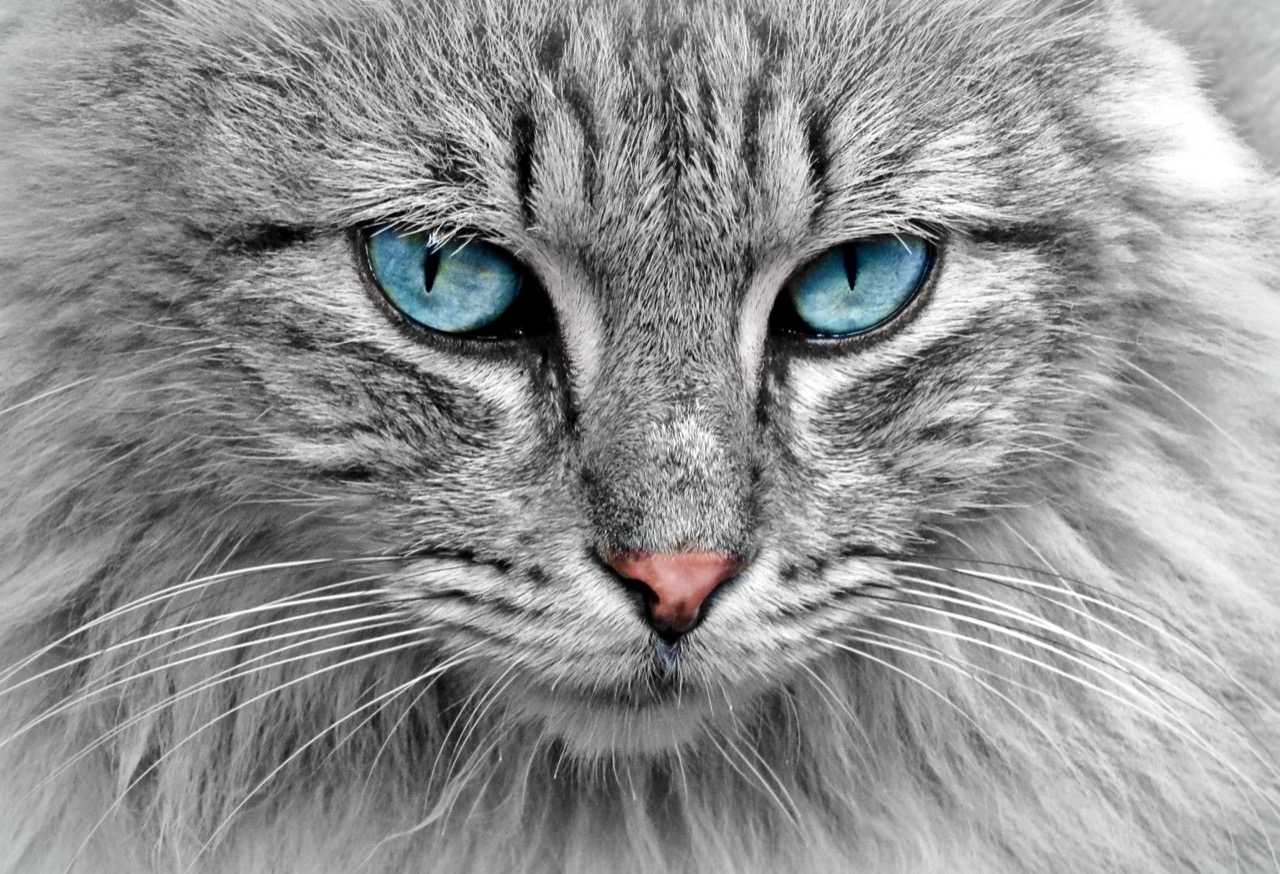
Whiskers are another specialized tool. They are not just decorative hairs but sensitive touch receptors that help cats judge spaces and detect subtle air movements. Even though a quiz might tease the idea of “whiskerless wonders,” real whiskers are crucial for navigation and confidence, and trimming them can cause disorientation.
Purring is one of the most famous feline traits, yet it is more complex than simple happiness. Cats often purr when relaxed, but they may also purr when stressed, injured, or seeking comfort. Some researchers suggest purring may help with self-soothing or even support healing through vibration, though it is best understood as a flexible signal rather than a single emotion.
Body language: the secret code in plain sight Cats communicate constantly through posture, tail motion, and facial cues. A tail held upright often signals friendly confidence, especially when paired with a relaxed body. A rapidly lashing tail can mean agitation or overstimulation, which is why petting sessions sometimes end abruptly with a swat. Slow blinking is widely recognized as a sign of trust; many cats respond positively when humans slow blink back.
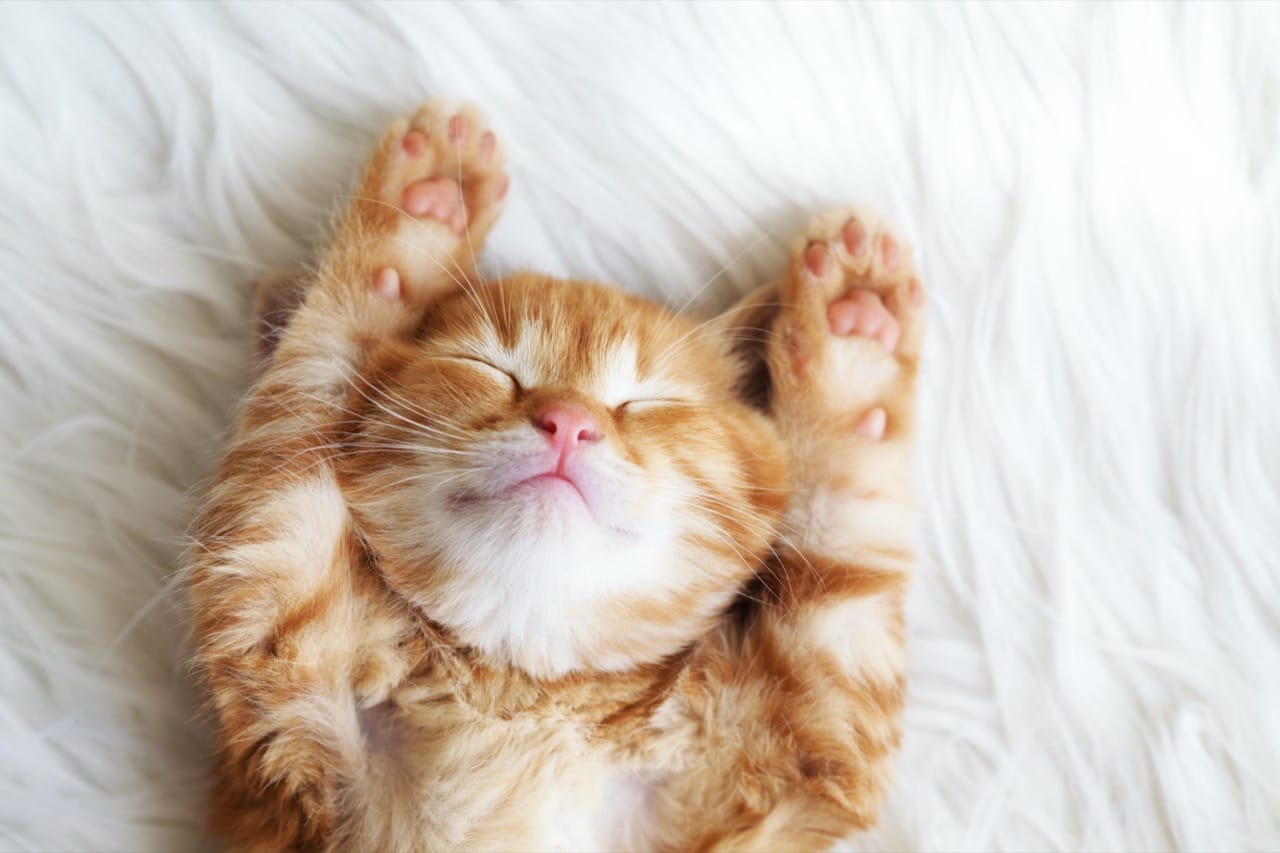
Kneading, the rhythmic pushing of paws into soft surfaces, is a behavior that begins in kittenhood to stimulate milk flow. In adults it can signal comfort, bonding, or a desire to mark territory. Cats have scent glands in their paws, so kneading can leave a familiar scent behind.
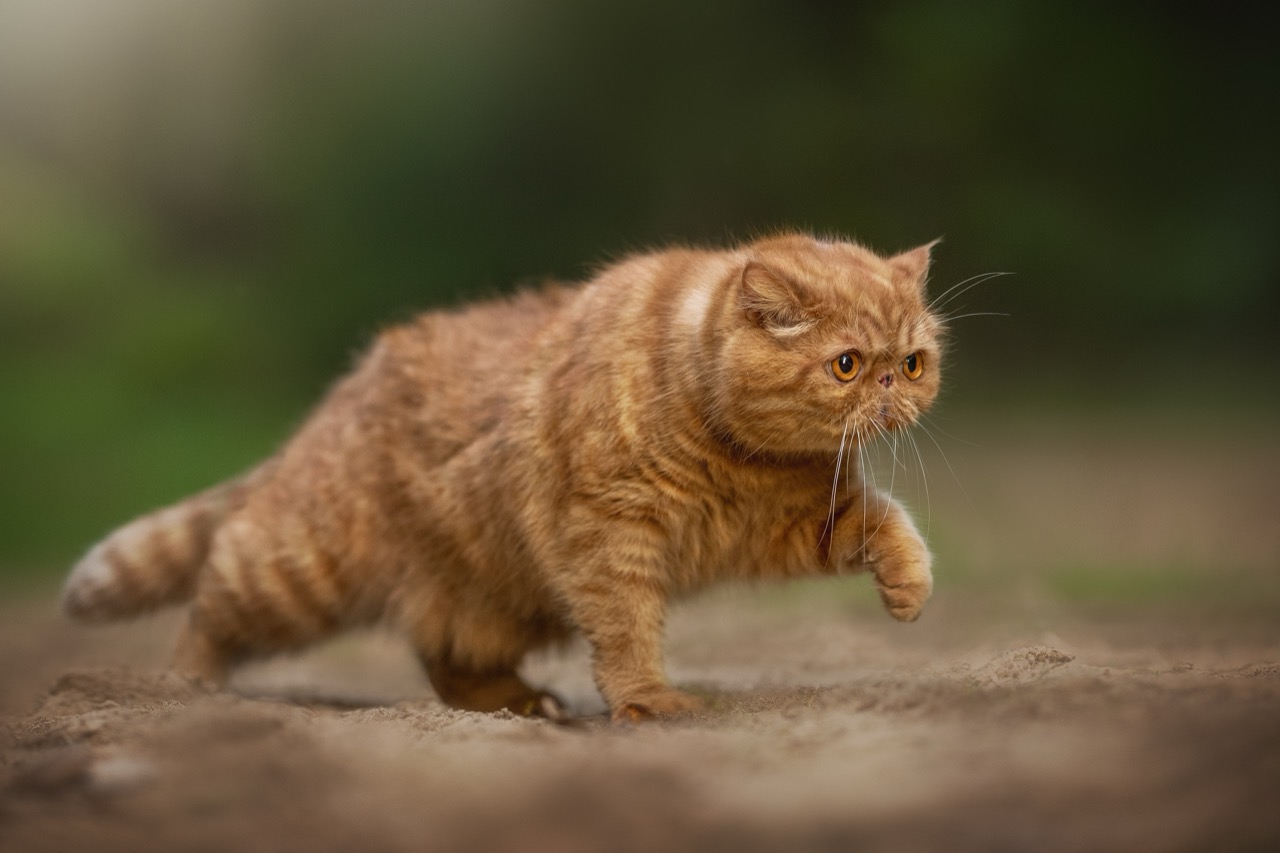
Zoomies and chirps: everyday antics with real explanations Sudden bursts of energy, often called zoomies, can be a normal release of pent-up excitement, especially in indoor cats with limited hunting outlets. Short play sessions, climbing opportunities, and puzzle feeders can help channel that energy.
Chirping or chattering at birds and squirrels is another common curiosity. It may reflect excitement, frustration, or an instinctive hunting response. Some theories suggest it mimics the sounds of prey or represents a high-arousal state when the cat can see a target but cannot reach it.
Conclusion Cats are both familiar companions and endlessly surprising creatures. Their odd habits make more sense when seen as the result of finely tuned senses, ancient survival strategies, and subtle communication. Whether you are decoding a tail flick, listening for the meaning behind a purr, or watching a midnight sprint across the living room, each detail offers a clue to how cats experience the world. With a little knowledge, the trivia becomes more than a game: it becomes a window into one of nature’s most captivating housemates.
.jpg "Truth or Tail Feline Mythbuster Quiz")