


.jpg)
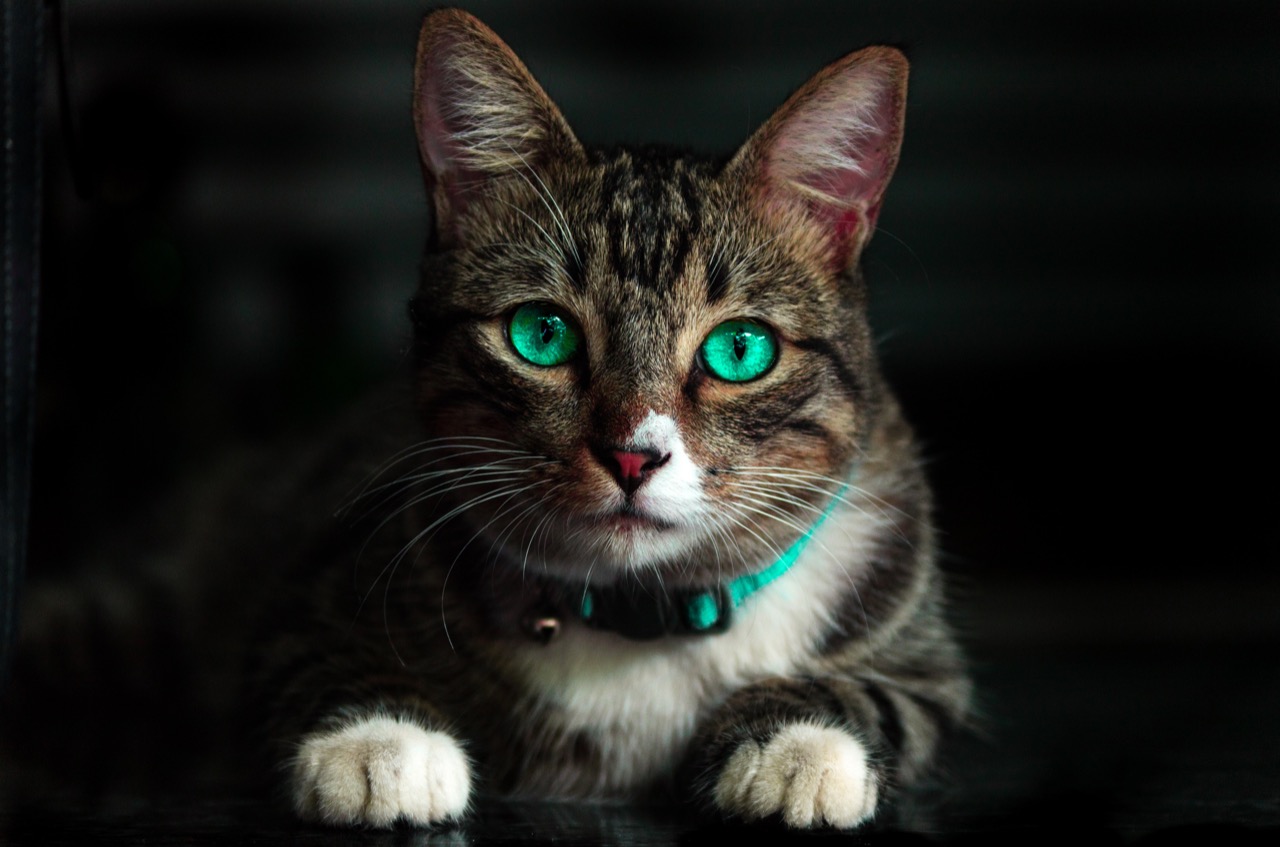
Introduction Cats have a talent for switching roles in an instant. One moment they are a warm, purring nap companion, and the next they are stalking a dust mote like it is serious prey. That blend of comfort and wildness is not just cute, it is a window into how cats are built and how they think. Understanding a few core facts about their bodies and signals can make living with them more rewarding and can help you spot what they need.
Built for stealth and sudden speed Domestic cats share many traits with their wild relatives. Their flexible spine and powerful back legs allow quick bursts of acceleration and impressive leaps. The collarbone is not rigidly attached like in humans, which helps them squeeze through narrow openings as long as the head fits. Their paws are designed for quiet movement, with soft pads that muffle sound and retractable claws that stay sharp because they are protected when not in use.
A cat’s senses are tuned for hunting. Their hearing is especially sensitive to high pitched sounds, which helps them detect small prey. Whiskers are not just decoration, they are specialized touch sensors that detect air currents and nearby objects, helping cats navigate in dim light and judge whether a gap is passable. Vision is adapted for low light, though cats do not see detail as sharply as humans at a distance. They also have a reflective layer behind the retina that boosts night vision, which is why their eyes can shine in headlights.
Communication: more than meows Cats communicate with a mix of body language, scent, and sound. Interestingly, many adult cats rarely meow at other cats. Meowing is often a strategy aimed at humans, and cats learn which sounds get results. A short, high meow might be a greeting, while repeated or drawn out sounds often signal urgency.
The tail is a mood barometer, but context matters. A tail held upright usually signals confidence or friendly intent. A puffed tail is a sign of fear or agitation, making the cat look bigger. Slow blinking is commonly a relaxed, affiliative gesture, sometimes called a cat smile. Ears also tell a story: forward means interest, sideways can mean uncertainty, and pinned back often means the cat feels threatened.
Purring is usually associated with comfort, but it can also appear when a cat is stressed or in pain. Some researchers think purring may have a self soothing function, and the vibrations may even support healing, though the science is still developing. If a cat is purring while hiding, not eating, or acting unusually, it is worth paying attention.
Everyday science surprises Cats spend a large portion of the day sleeping, but that does not mean they are lazy. They are wired for short, intense activity, and rest helps them conserve energy. Many cats also show crepuscular behavior, meaning they are most active at dawn and dusk, which matches the activity patterns of common prey.
Grooming is another multipurpose behavior. Licking keeps the coat clean, helps regulate temperature, and spreads scent. It can also be a stress response, which is why some cats overgroom when anxious. And that famous kneading motion, often done on soft blankets, is a leftover kitten behavior linked to nursing and comfort.
Conclusion The more you learn about cats, the more their odd little habits start to make sense. Their bodies are built for stealth, their senses are tuned for hunting, and their communication is subtle but readable once you know what to watch for. Whether your cat is a lap warmer or a couch panther in training, a bit of cat trivia can turn everyday moments into clues about how your sharp eared roommate experiences the world.





.jpg "Truth or Tail Feline Mythbuster Quiz")