
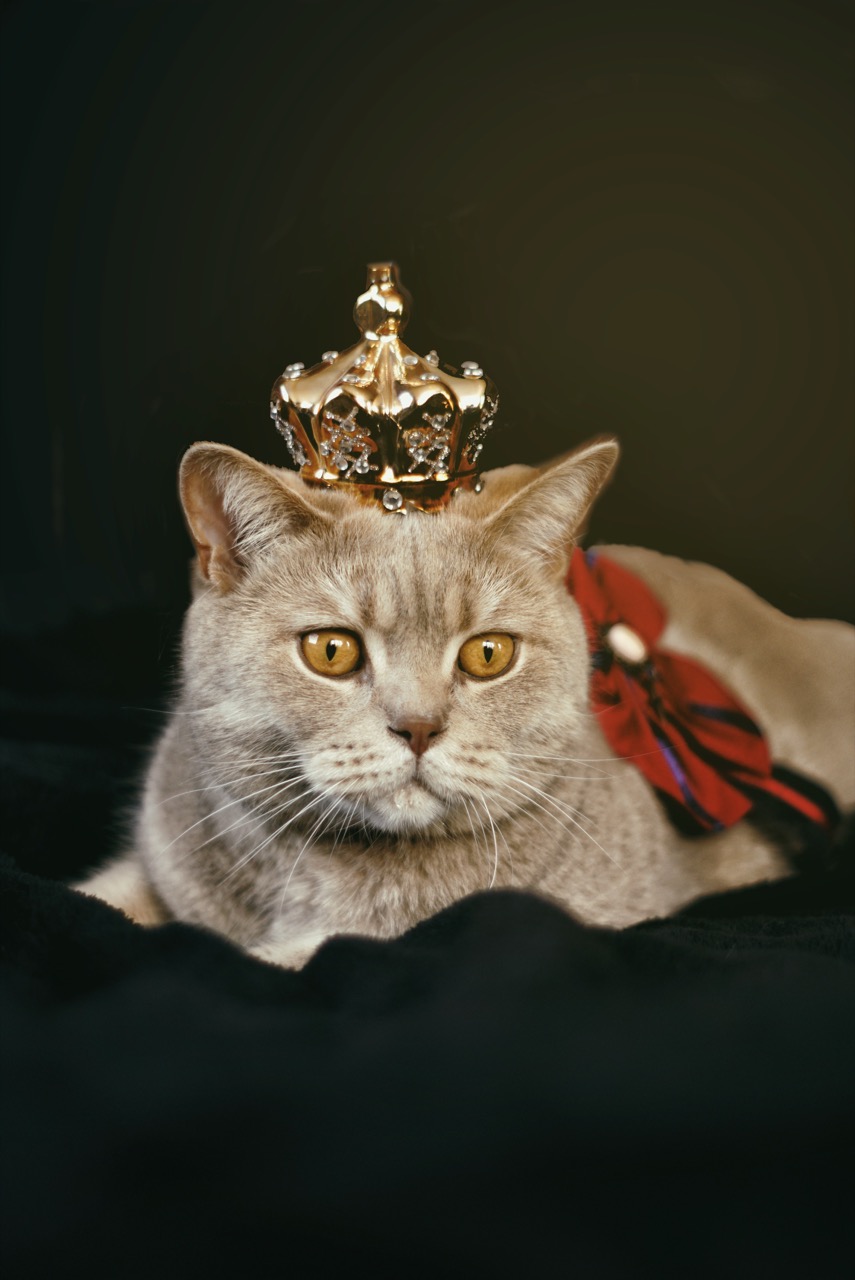
Introduction Cats have a way of looking calm while secretly running a complex operation of senses, signals, and instincts. One moment they are silent shadows in a dim hallway, the next they are sprinting across the room as if chased by invisible fireworks. Understanding what drives these behaviors makes cats even more fascinating, and it can also help people care for them better.
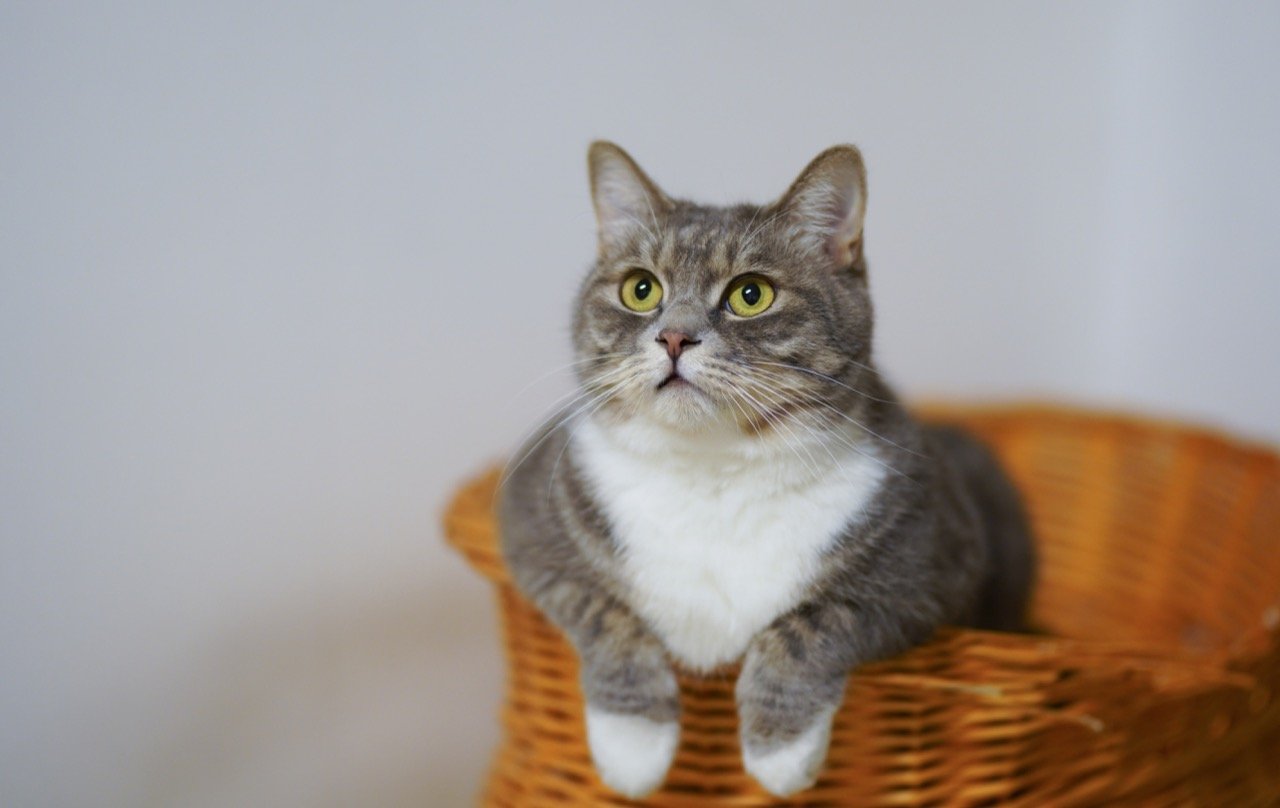
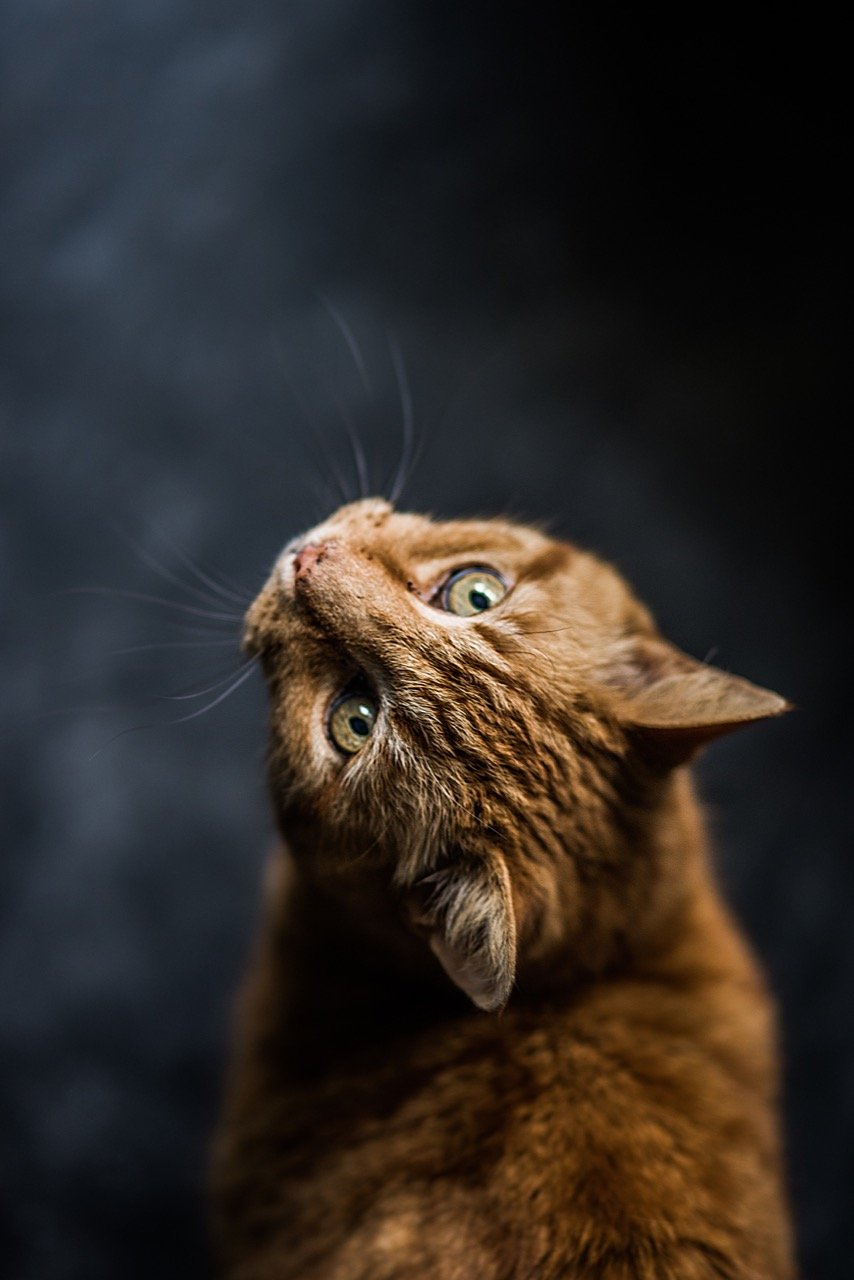
Senses and anatomy: built for stealth A cat’s world is tuned for hunting in low light. Their eyes have a reflective layer that boosts available light, which is why they seem to glow in the dark. They also excel at detecting motion, a useful skill for spotting prey. Hearing is another superpower: cats can pick up high pitched sounds that many humans cannot, and their swiveling ears help pinpoint where a noise comes from.
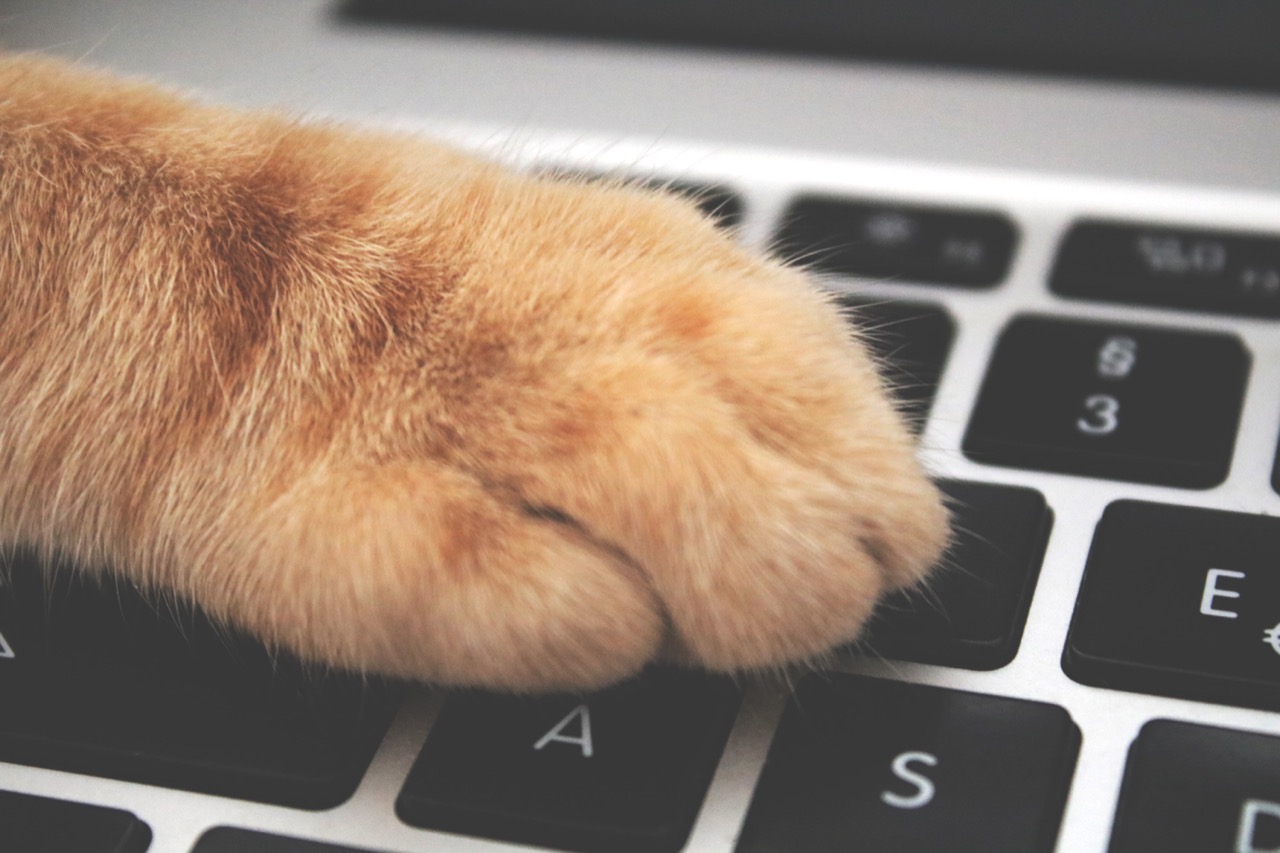
Whiskers are not just decoration. They are sensitive tools that help cats judge spaces, detect air currents, and navigate close up. Even their paws contribute to stealth. Soft paw pads reduce noise, and retractable claws stay sharp for climbing and grabbing. Add a flexible spine and powerful hind legs, and you get an animal designed for quick bursts of speed and impressive leaps.
Communication: the language of tails and ears Cat body language is a rich, subtle system. A gently upright tail often signals friendly confidence, while a puffed tail can mean fear or excitement. Tail flicking is frequently misunderstood; it often indicates agitation or intense focus rather than happiness. Ears also tell a story. Forward ears suggest curiosity, sideways ears can mean uncertainty, and flattened ears are a warning sign that a cat feels threatened.
Vocal behavior is equally interesting. Adult cats rarely meow to other adult cats; many meows are aimed at humans, shaped over time by what gets results. Purring is commonly linked to contentment, but cats may also purr when stressed or in pain, possibly as a self soothing mechanism.
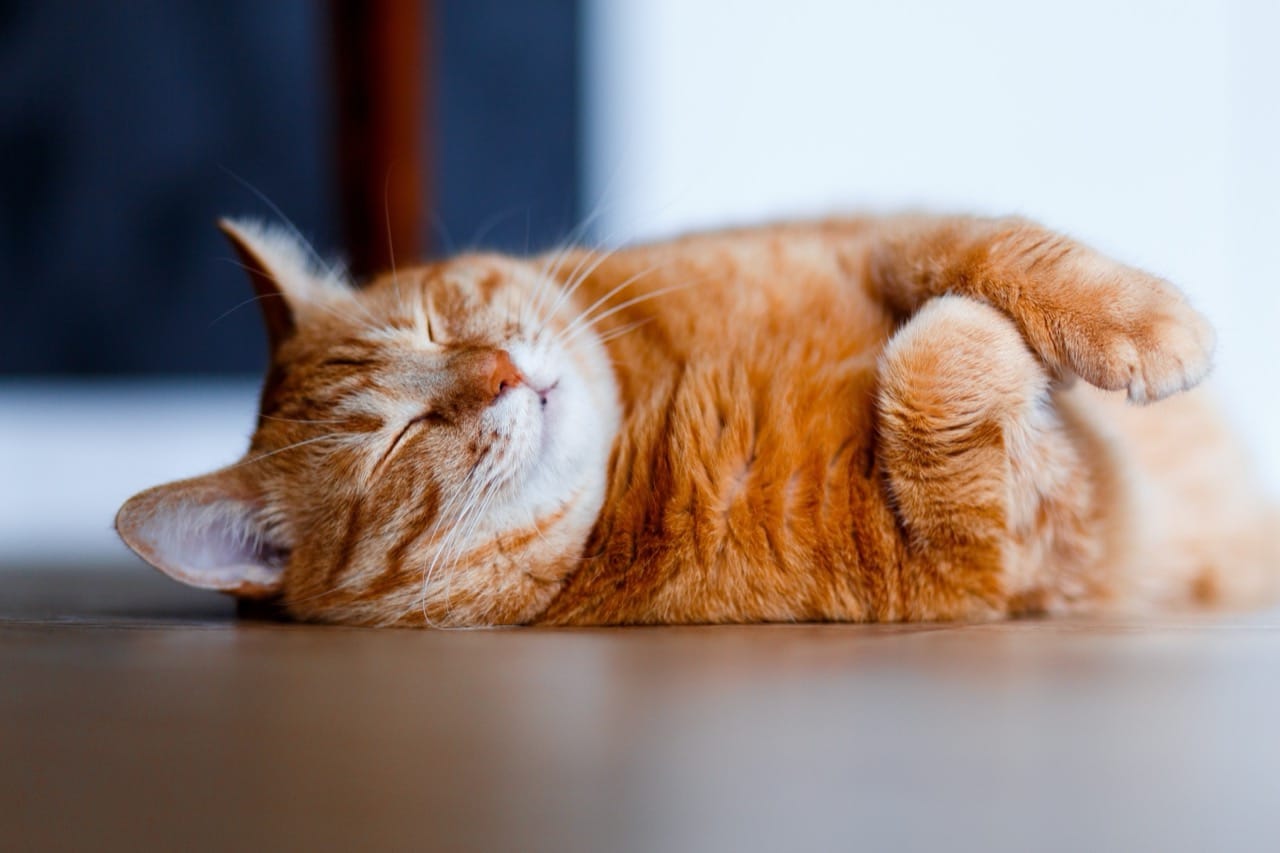
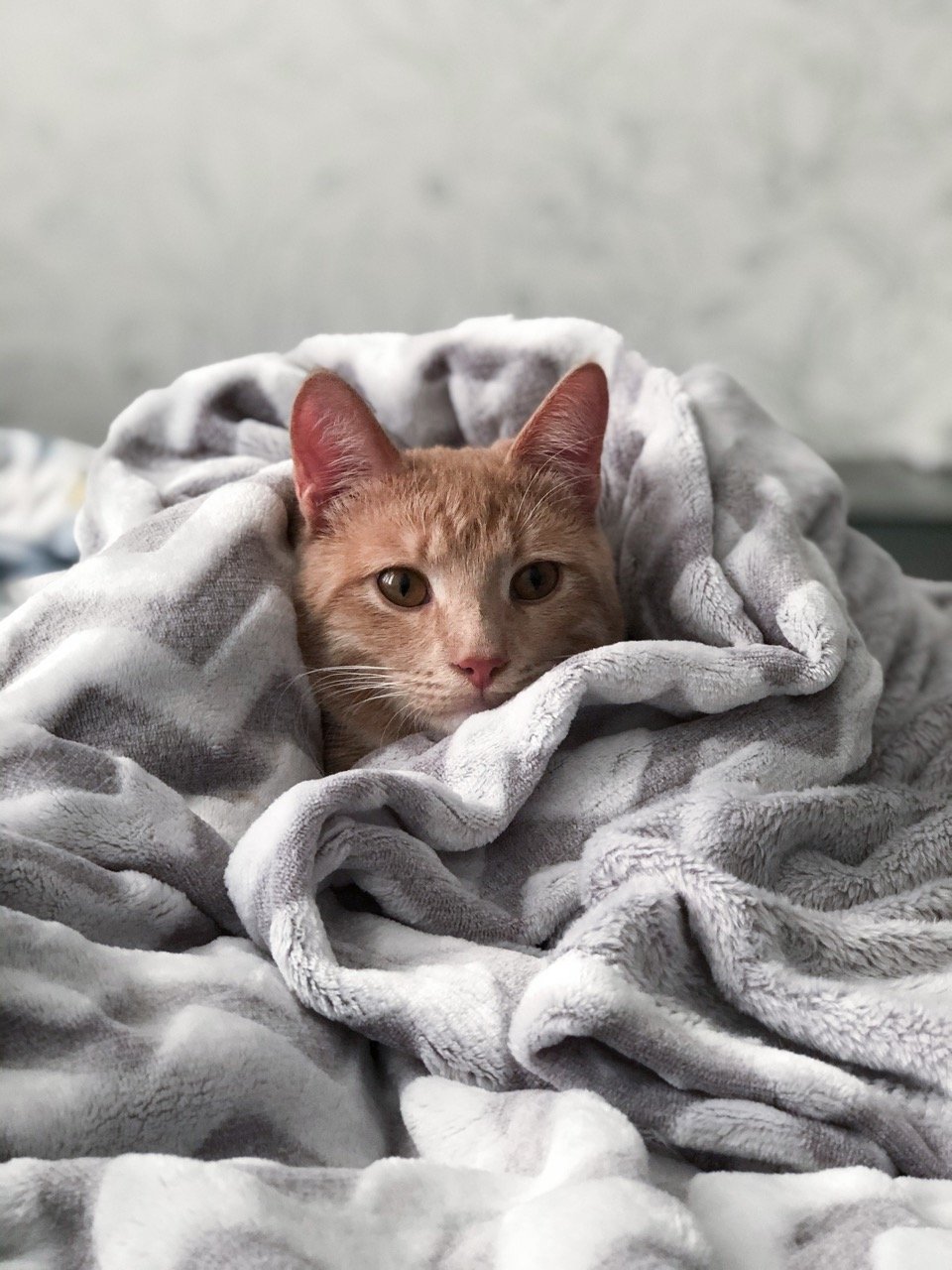
Behavior and instincts: kneading, zoomies, and stalking Kneading soft blankets with rhythmic paws is a leftover kitten behavior associated with nursing and comfort, and many cats keep it as a calming habit. The famous zoomies often happen when a cat has stored energy and needs an outlet, especially in indoor environments with limited hunting opportunities.
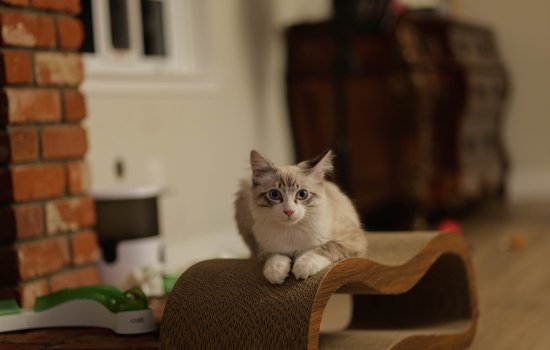
Even well fed cats may stalk toys, ankles, or moving shadows because the hunting sequence is hardwired. Play that mimics prey movement helps satisfy this instinct and can reduce problem behaviors. Scratching is another natural need, not spite. It maintains claws, stretches muscles, and marks territory through scent glands in the paws.
History and genetics: from granaries to living rooms Domestic cats likely became close to humans when early farming communities attracted rodents. Cats that tolerated people had better access to food, and a long partnership formed. Unlike some domesticated animals, cats retained a strong independent streak, which is why enrichment and choice matter so much in their care.
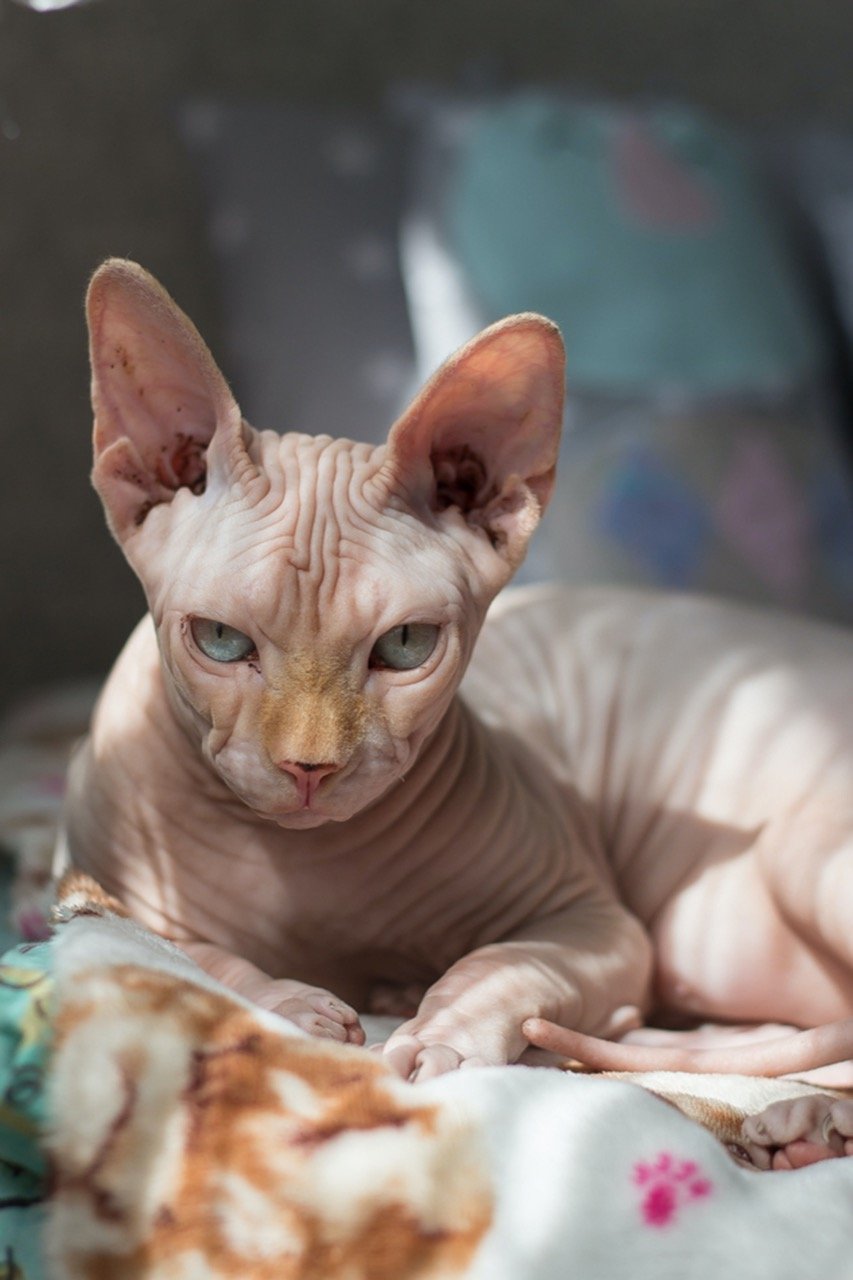
Genetics contributes to coat colors, patterns, and some health risks. For example, certain purebred lines can have higher rates of inherited conditions. This is one reason responsible breeding and regular veterinary care are important.
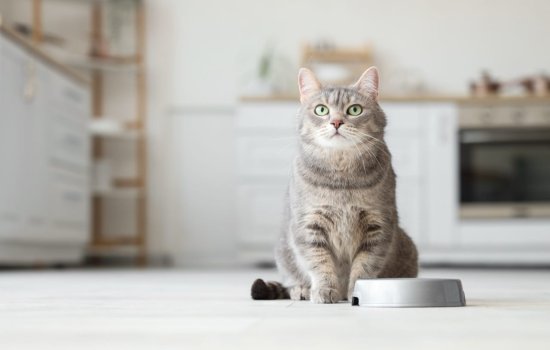
Care and common myths: feeding, enrichment, and wellbeing Cats are obligate carnivores, meaning they require nutrients found naturally in animal tissue. Balanced commercial diets are formulated to meet these needs, while homemade diets must be carefully planned to avoid deficiencies. Water intake matters too; many cats prefer fresh, moving water, which is why fountains can help.
Enrichment is not optional. Provide vertical spaces, hiding spots, scratching posts, and daily interactive play. Litter box comfort also affects behavior; many cats prefer a clean box in a quiet location. A common myth is that cats are low maintenance. In reality, they thrive on routine, mental stimulation, and gentle social interaction on their own terms.
Conclusion Cats may act mysterious, but their behavior usually has a practical reason rooted in biology and history. When you learn to read the tail flicks, ear swivels, and sudden bursts of energy, you start to see a clever, sensory driven hunter adapting to a human home. That knowledge makes any trivia quiz more fun and makes life with cats more rewarding.
.jpg "Truth or Tail Feline Mythbuster Quiz")