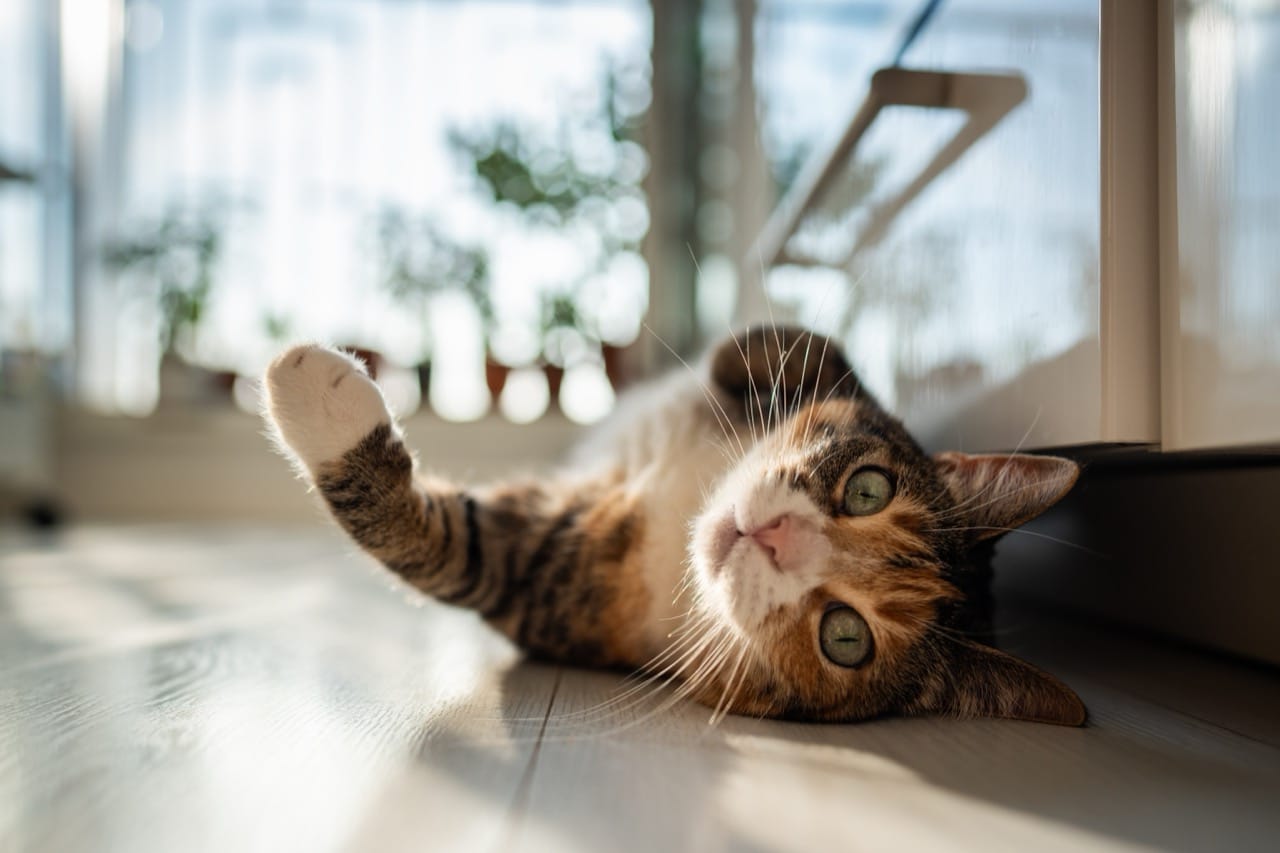




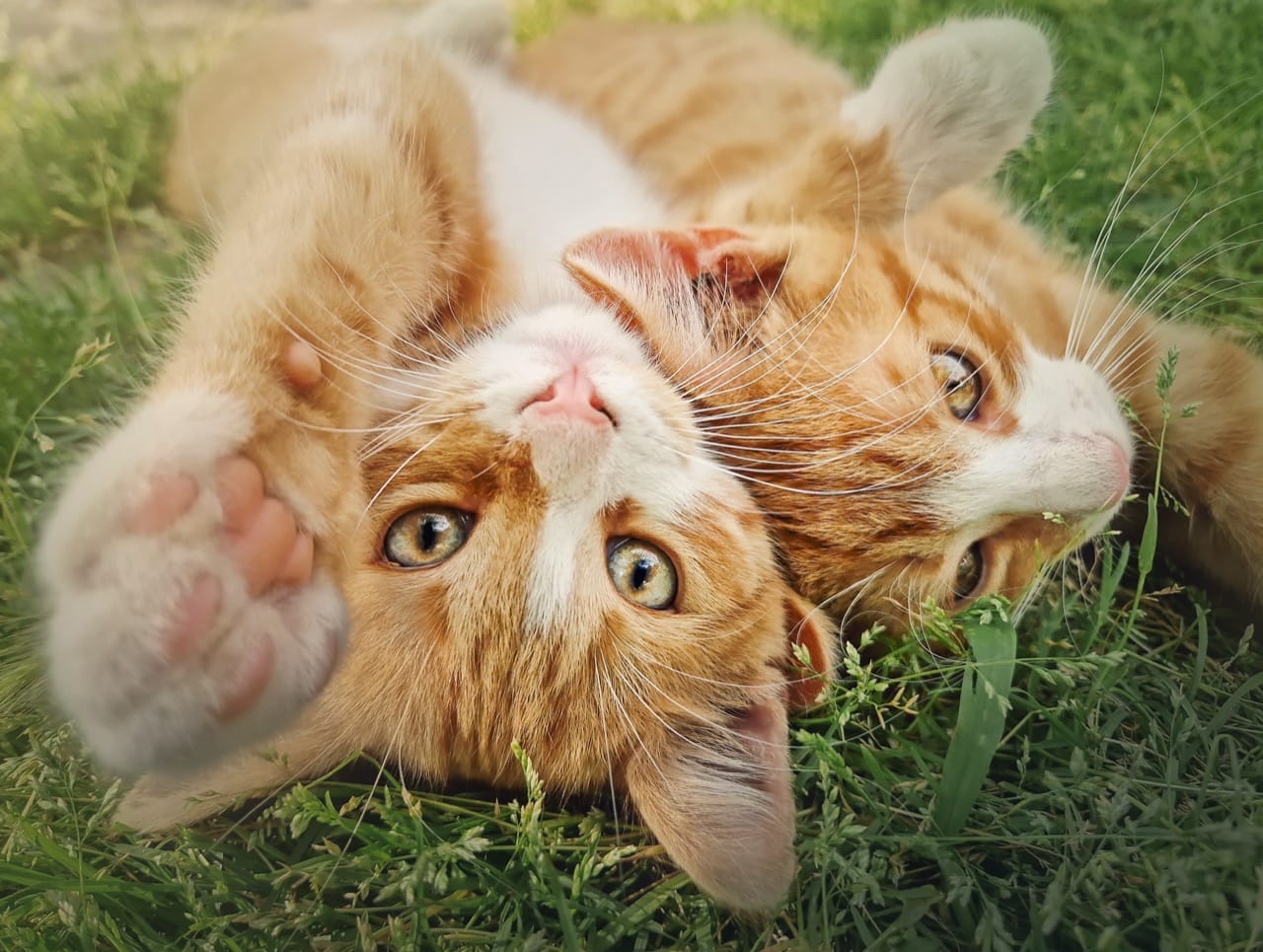
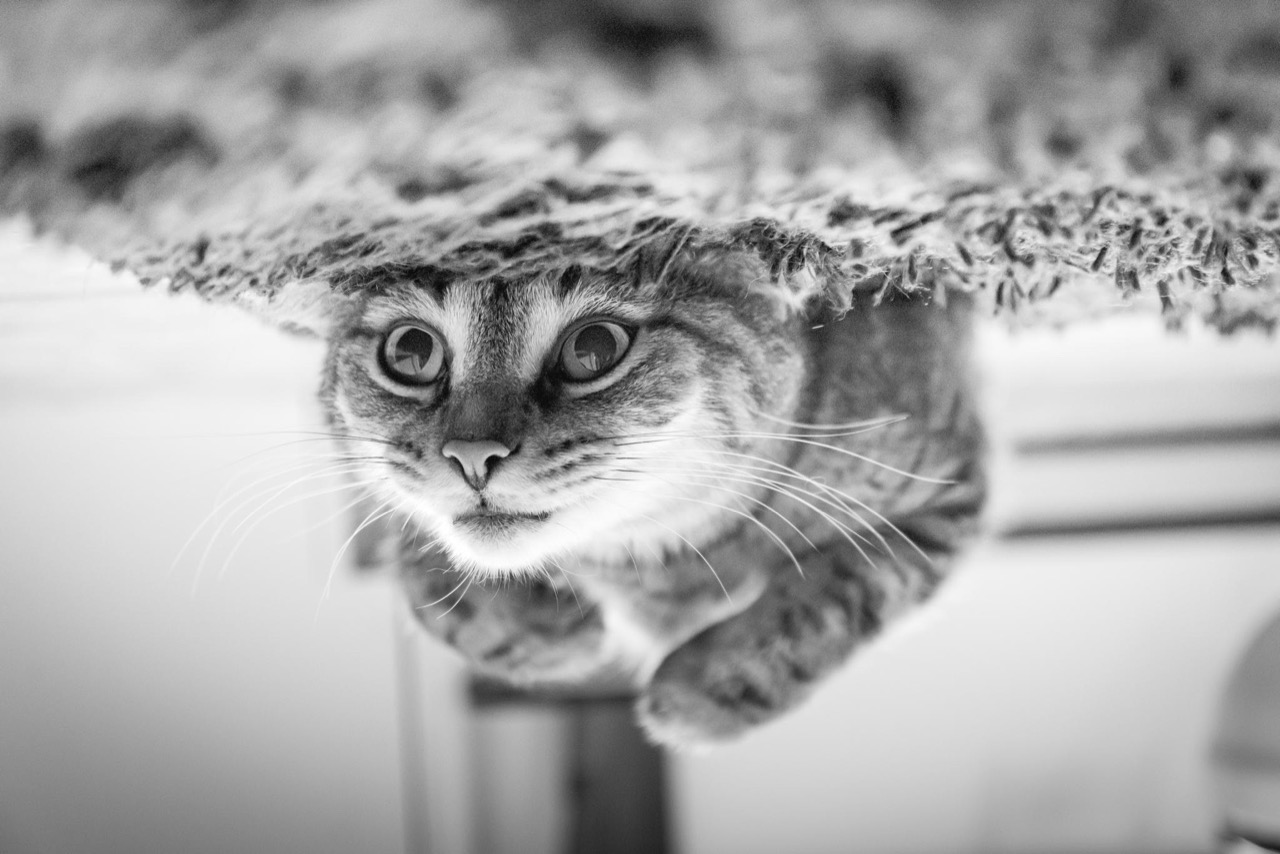
Cats have padded quietly through human history with an air of confidence that makes them seem both familiar and unknowable. Whether they are curled on a sofa or staring into space as if tracking invisible signals, feline companions invite curiosity. Behind the purr and the fluff is a mix of biology, evolution, and culture that explains many of their most puzzling behaviors.
Long before the modern housecat became a global pet, cats earned a special place in ancient societies. In ancient Egypt, cats were associated with protection and were linked to the goddess Bastet. Killing a cat could carry severe punishment, and cats were sometimes mummified, showing how deeply they were valued. Their practical role mattered too: cats helped control rodents, protecting grain stores and reducing disease risks. This partnership likely helped cats spread alongside people as trade networks expanded.
A cat’s body is built for stealth and speed. Their flexible spine and powerful hind legs allow quick bursts of acceleration and impressive jumps. Retractable claws stay sharp because they are protected when not in use, and the rough tongue, covered in tiny backward facing spines, acts like a comb for grooming and helps strip meat from bones. Whiskers are not just decoration. They are specialized sensory hairs that detect subtle air currents and help cats judge spaces and movement. Trimming whiskers can disorient a cat, even though it does not hurt in the way cutting skin would.
Feline senses are tuned for hunting, especially at dawn and dusk. Cats see well in low light thanks to a reflective layer behind the retina that bounces light back through the eye, boosting sensitivity. Their hearing is even more remarkable: they can detect higher pitched sounds than humans, including the tiny squeaks of prey. Smell is also crucial, and cats use a special organ in the roof of the mouth to analyze chemical signals. When a cat opens its mouth slightly after sniffing something, it is performing a flehmen response, essentially taking a deeper chemical reading.
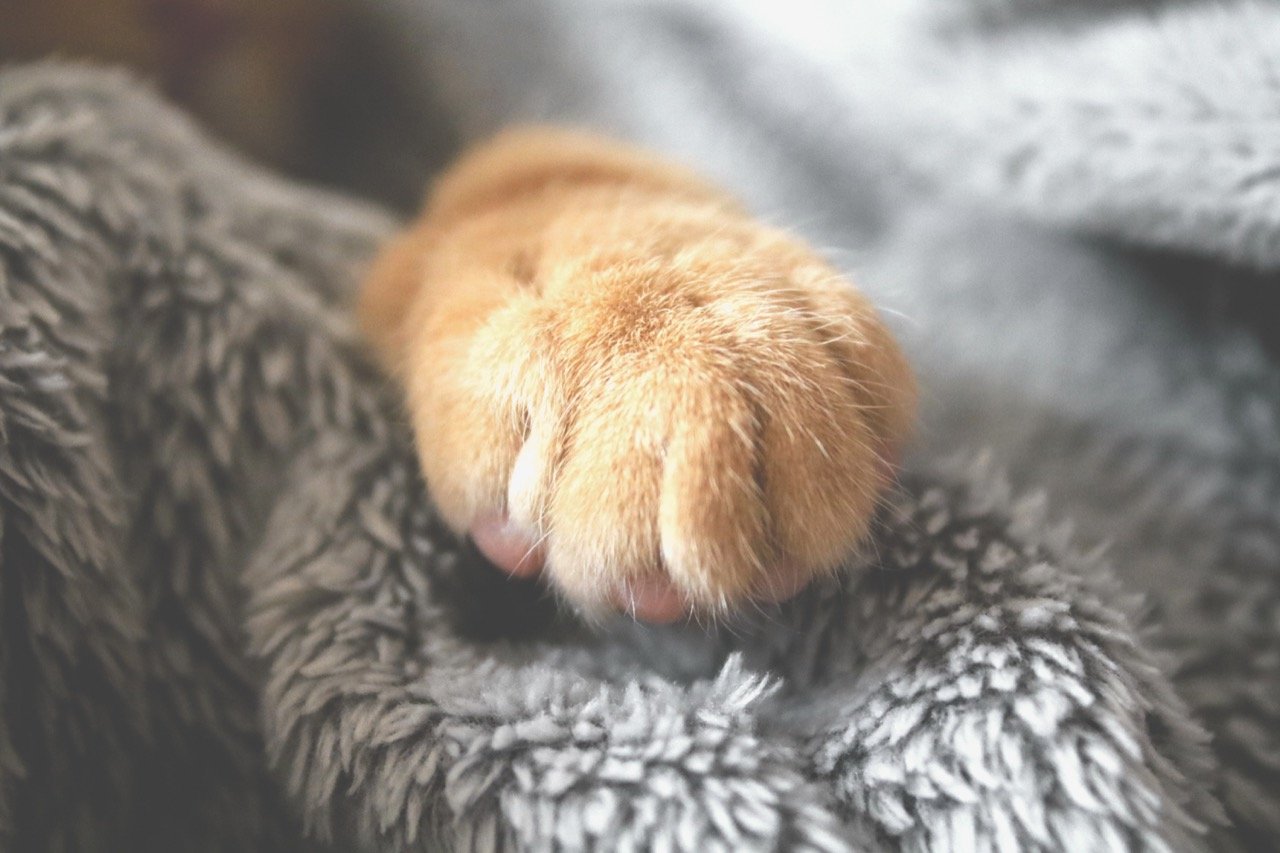
Many everyday cat behaviors have practical roots. Kneading, the rhythmic pushing of paws, begins in kittenhood to stimulate milk flow, but adults may do it when relaxed or marking territory with scent glands in their paws. Scratching is not spiteful behavior; it maintains claws, stretches muscles, and leaves both visible marks and scent signals. Even purring has layers of meaning. Cats often purr when content, but they may also purr when stressed or injured, possibly because the vibration is soothing or linked to healing.
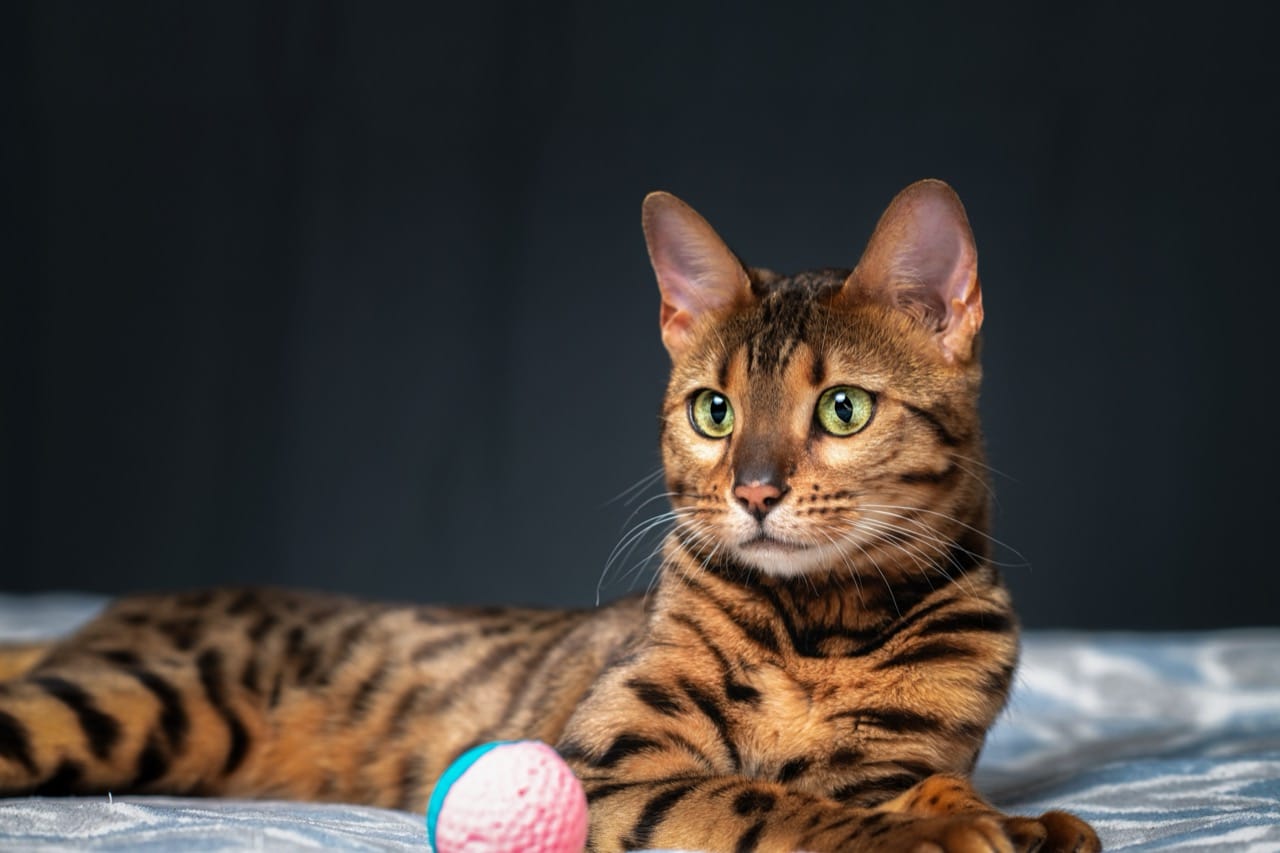
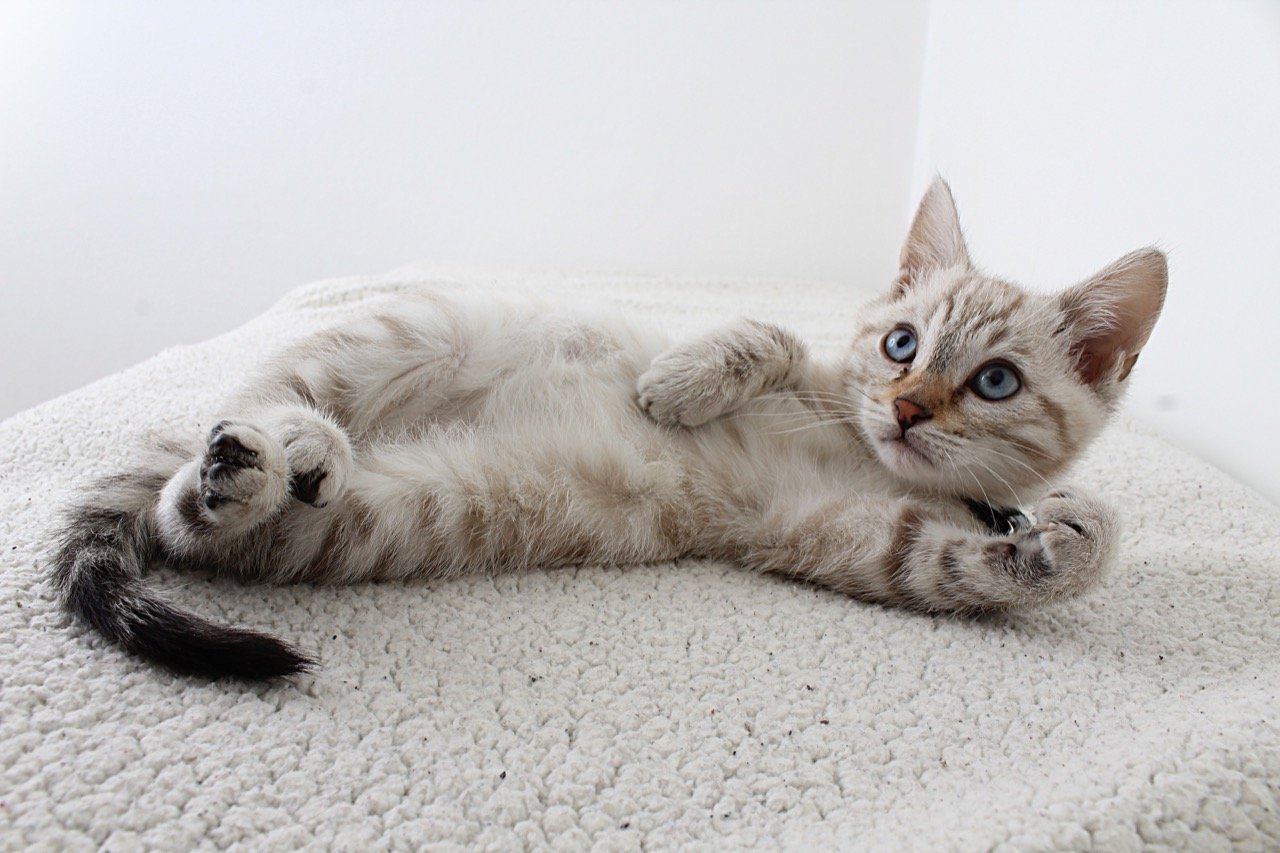
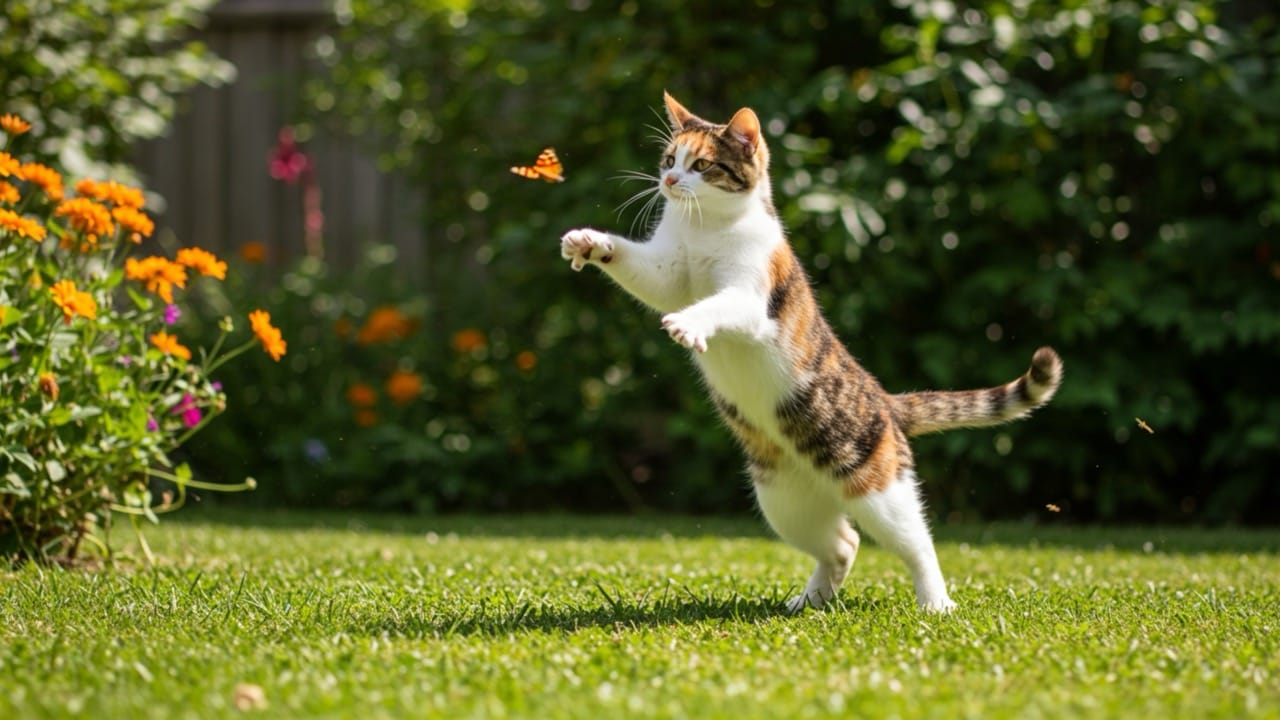
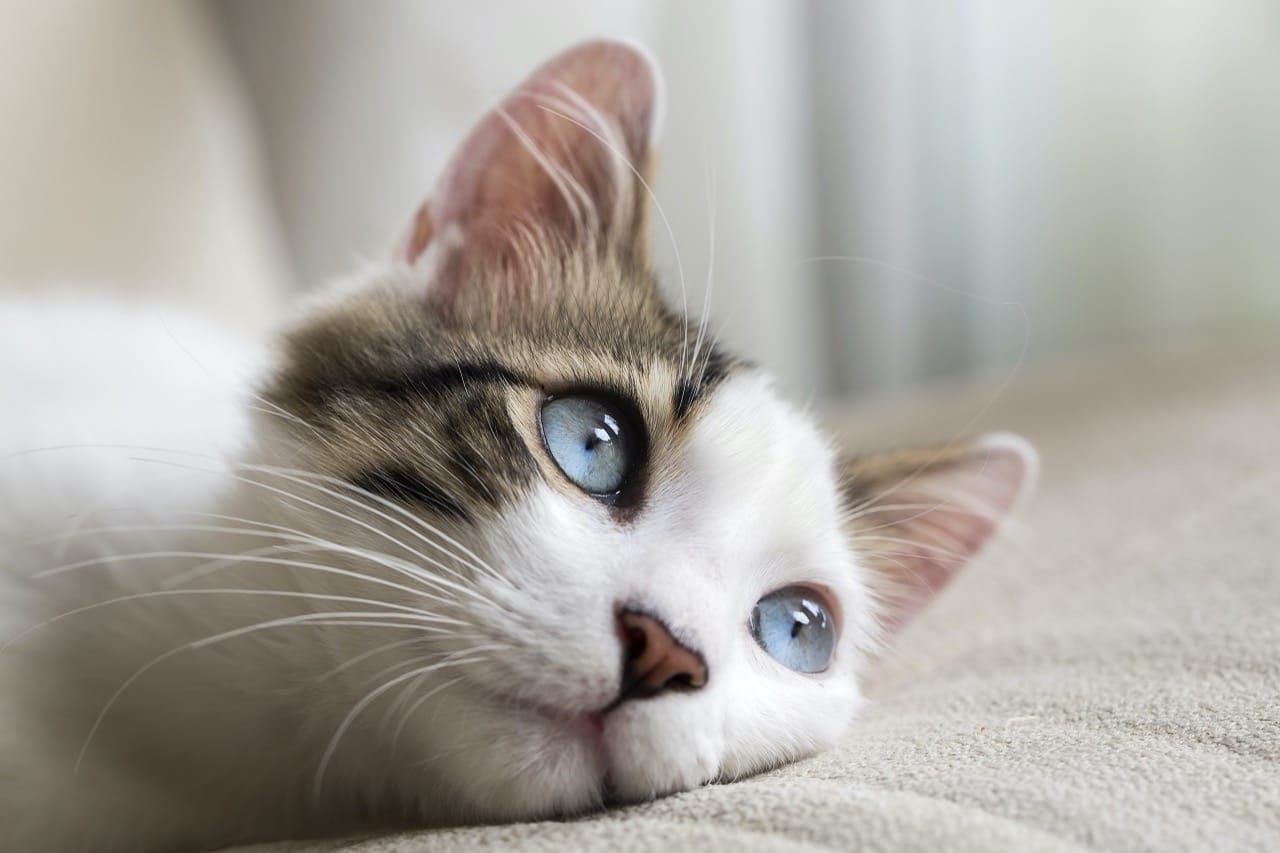
Coat colors and patterns add another layer of fascination. Genetics determines whether a cat will be solid, striped, spotted, or color pointed, and some traits are linked to sex. For example, most calico and tortoiseshell cats are female because the genes for orange and black coloration sit on the X chromosome. Eye color can also be tied to coat type, and in some white cats, certain genetic combinations raise the likelihood of deafness.
From ancient temples to modern living rooms, cats remain both companions and curiosities. Learning the science behind their senses, the history behind their reputation, and the genetics behind their looks makes their everyday antics even more interesting. The next time your cat freezes mid step, twitches an ear, or gives you that mysterious stare, you will have a better idea of the remarkable animal behind the whiskers.

.jpg "Truth or Tail Feline Mythbuster Quiz")