.jpg)

Introduction Cats can look like they are doing nothing while quietly taking in every detail of a room. Part of their charm is that many common behaviors feel mysterious until you learn the biology and history behind them. Understanding how cats communicate, why they purr, and where their habits come from can make everyday moments like a slow blink or a sudden burst of energy far more interesting.
How cats became our roommates Domestic cats trace most of their ancestry to the African wildcat. Rather than being fully domesticated through direct human control, cats likely moved closer to people on their own as early farming communities attracted rodents. Cats that tolerated humans had a steady food source, and humans benefited from natural pest control. This origin story helps explain why cats often seem independent compared with dogs. Many cat behaviors still reflect a hunter that can live alongside humans without relying on them for every need.
The science of purring and other sounds Purring is one of the most familiar cat sounds, but it is not just a sign of happiness. Cats often purr when relaxed, yet they can also purr when stressed, injured, or even during labor. Researchers think purring may have self-soothing effects and could aid healing, partly because the vibration occurs at frequencies that may support tissue repair. Cats also communicate with chirps, trills, and meows. Adult cats rarely meow to each other; meowing is largely a cat-to-human strategy, shaped by living with people.
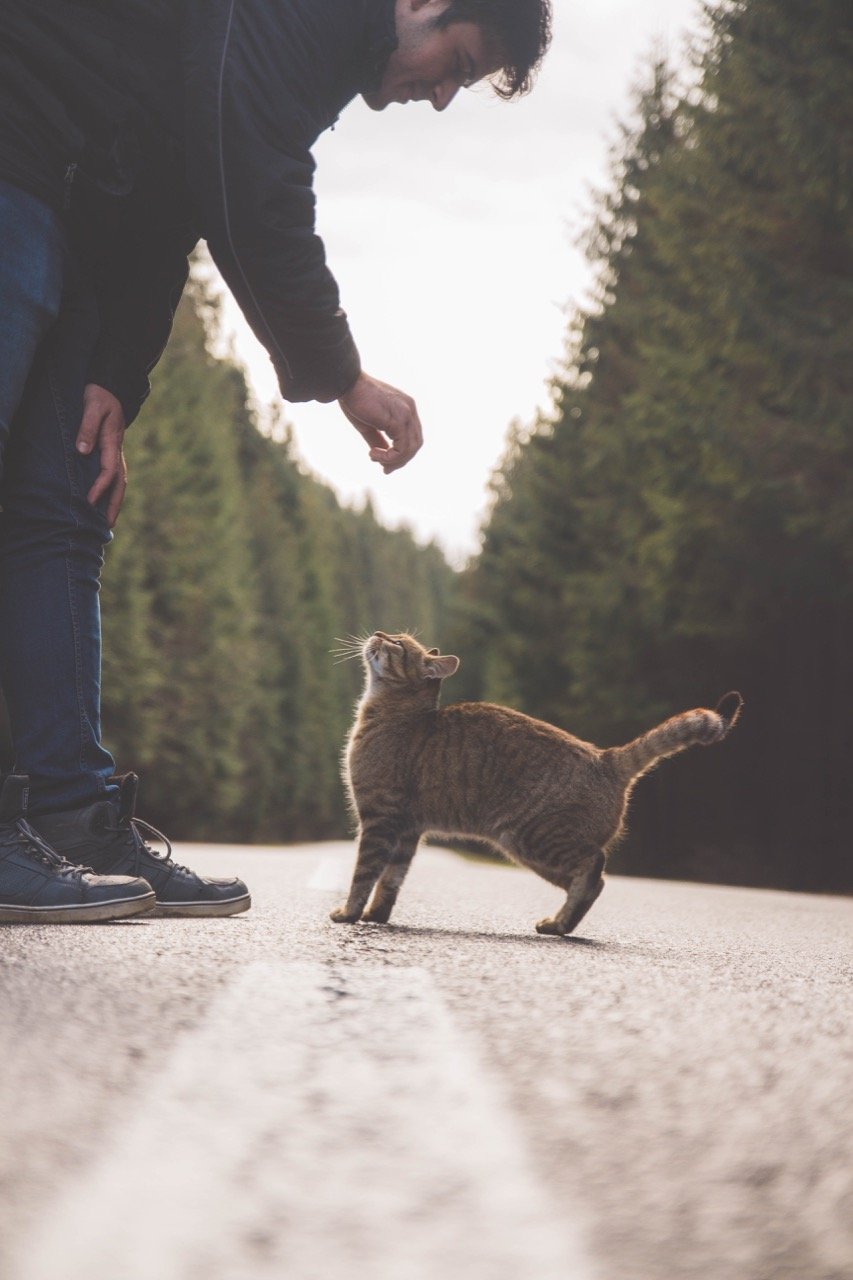
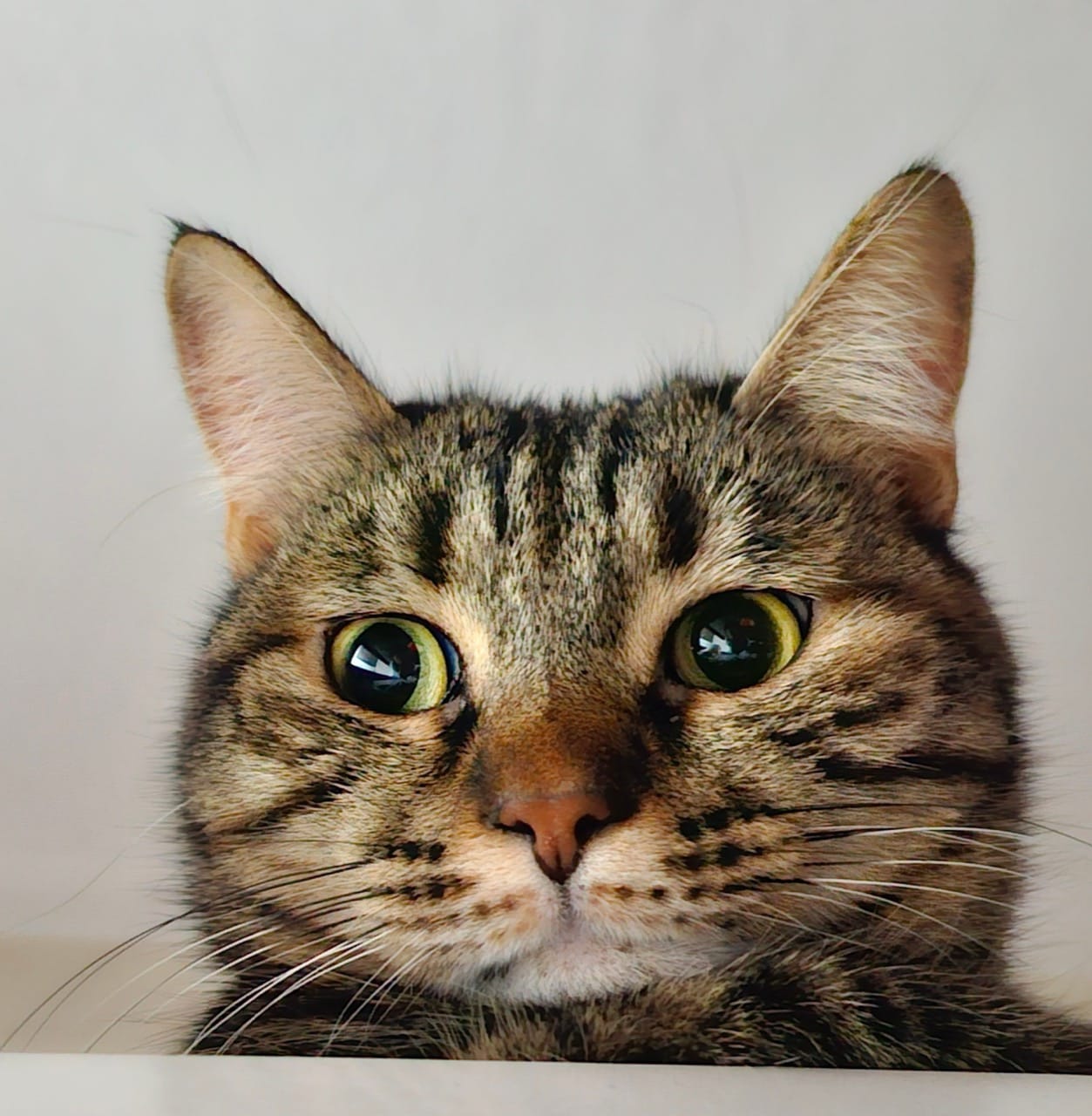
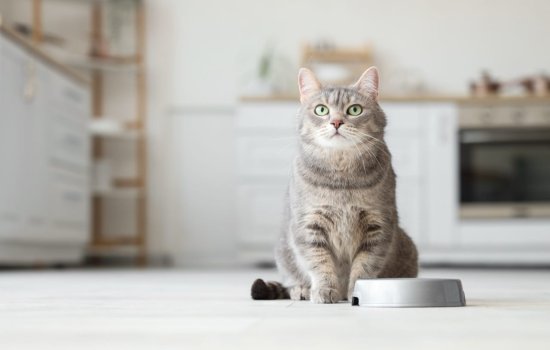
Whiskers, tails, and the language of body signals A cat’s whiskers are not just decorative. They are specialized sensory hairs that help a cat judge spaces, detect air movement, and navigate in low light. That is why whisker sensitivity matters; some cats dislike bowls that press on their whiskers, a discomfort sometimes called whisker fatigue. Tail position is another key signal. A tail held upright often indicates confidence or friendly intent, while a puffed tail is a classic sign of fear or high arousal. Slow blinking is one of the most beloved feline gestures and is generally interpreted as a sign of comfort and trust. Many cats will slow blink back if you do it gently.
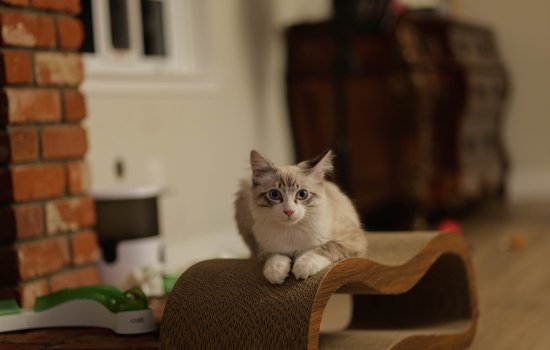
Why cats knead, zoom, and scratch Kneading, when cats press their paws in and out, begins in kittenhood as a way to stimulate milk flow while nursing. Many adult cats keep the habit as a comforting behavior, often when they feel safe. Sudden bursts of energy, sometimes called zoomies, can be a release of pent-up hunting drive or simple excitement, especially in indoor cats that need more play. Scratching is not misbehavior; it is a normal way to remove old claw sheaths, stretch the body, and leave scent marks from glands in the paws. Providing scratch-friendly surfaces in preferred locations is often the best way to protect furniture.
Senses, sleep, and the hunter within Cats are crepuscular, meaning they are naturally most active around dawn and dusk, when many small prey animals move. Their vision is adapted for low light, and their hearing is excellent at detecting high-pitched sounds. Cats also sleep a lot, often 12 to 16 hours a day, which supports short bursts of intense activity. Even well-fed house cats retain strong predatory instincts, which is why interactive play that mimics hunting can improve behavior and reduce boredom.
A quick note on breeds and culture Many modern breeds are relatively recent, developed through selective breeding for coat type, body shape, or temperament. Yet regardless of breed, most cats share the same core behaviors rooted in their wildcat heritage. Cats have also earned a huge place in human culture, from ancient reverence to internet fame, partly because their expressions and habits invite interpretation.
Conclusion Cats are not so mysterious once you connect their everyday quirks to evolution, anatomy, and history. Purring can be comfort and coping, whiskers are sophisticated sensors, and scratching is a normal form of communication. The more you learn, the more you can read your cat’s signals and meet their needs, turning those quiet couch moments into a deeper understanding of the animal beside you.
.jpg "Truth or Tail Feline Mythbuster Quiz")