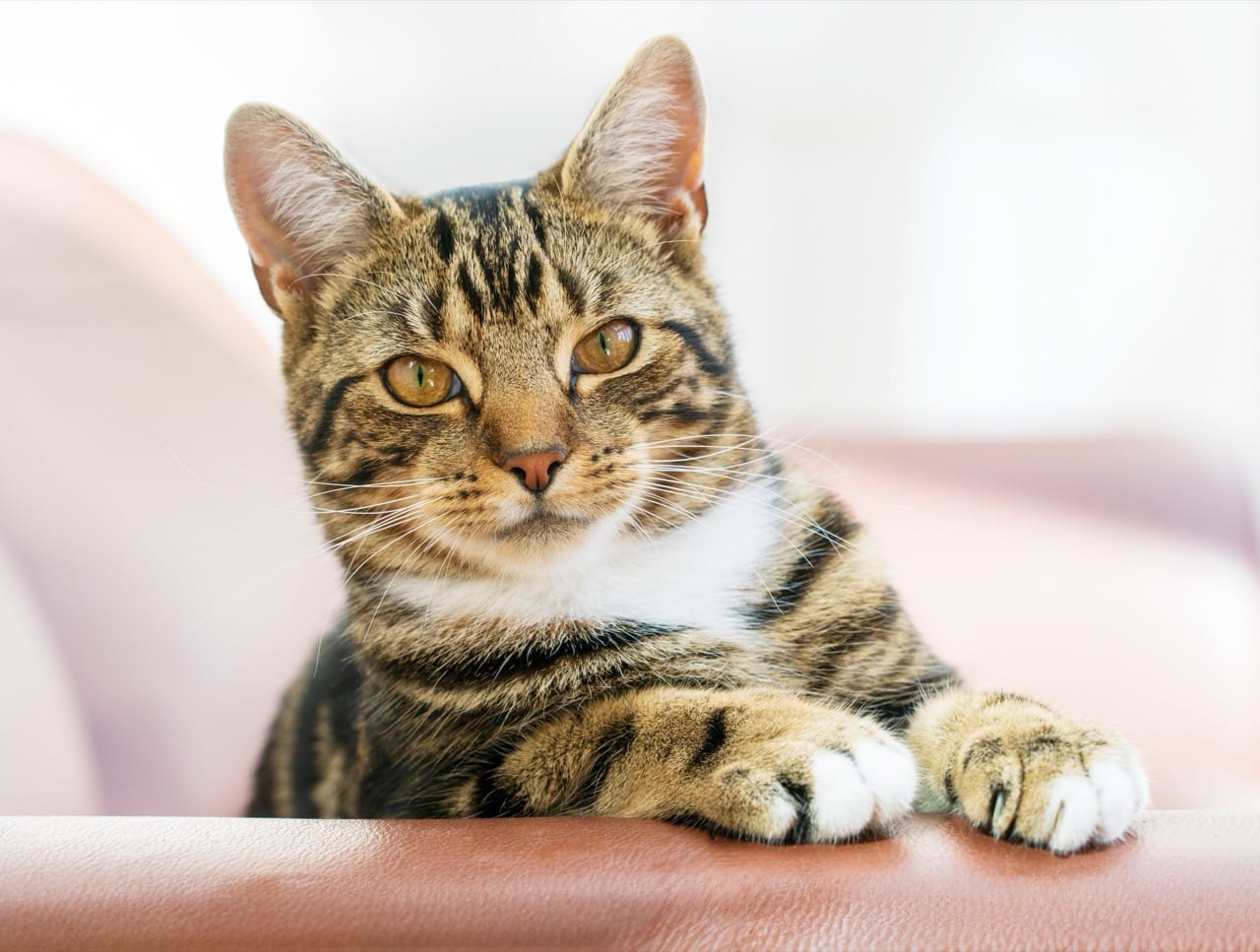
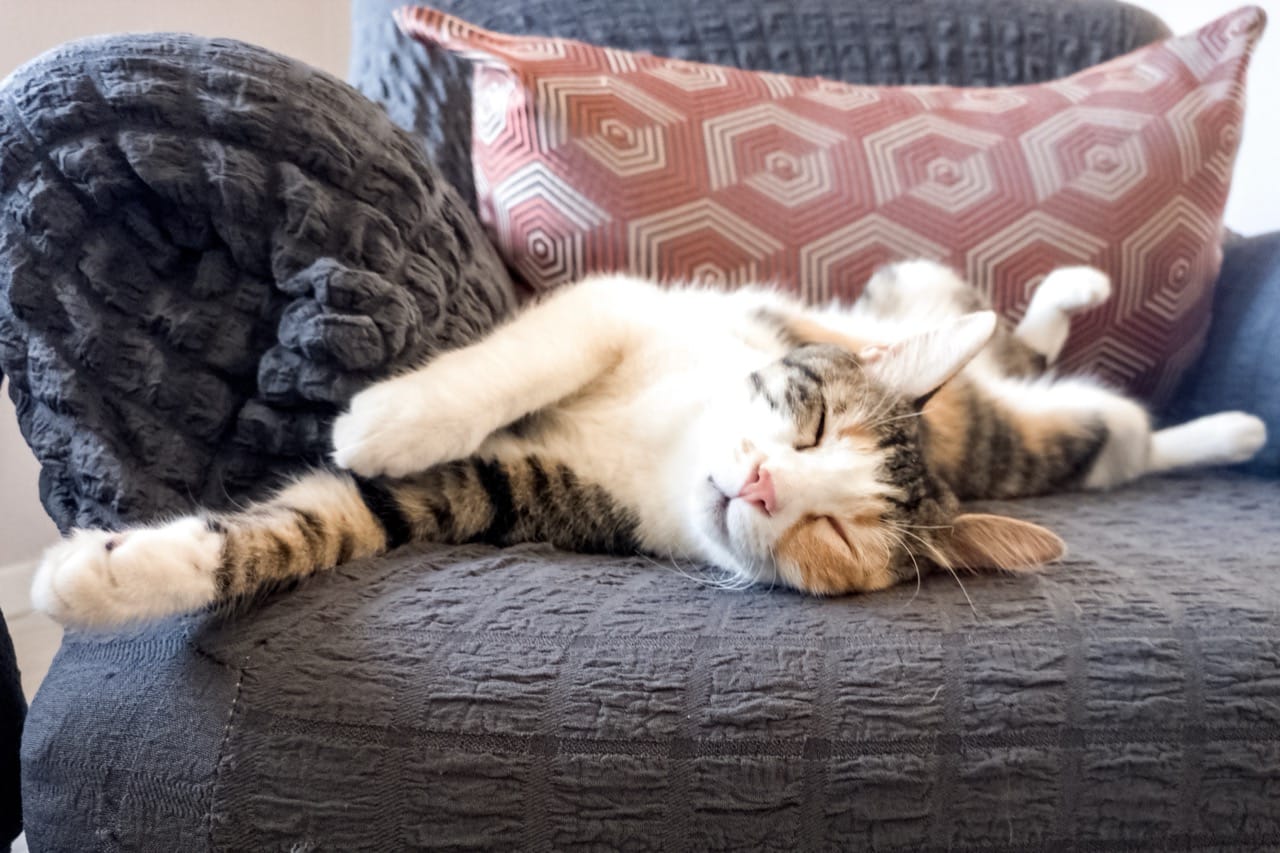
Introduction Cats have a talent for seeming both familiar and unknowable at the same time. One moment they are a warm, purring lap companion, and the next they are racing down the hallway as if chased by invisible gremlins. Their quiet paws, sudden bursts of energy, and steady, unblinking stare can make any home feel like a tiny kingdom with a watchful ruler. Understanding a few basics about cat biology and behavior turns those daily mysteries into fascinating clues.
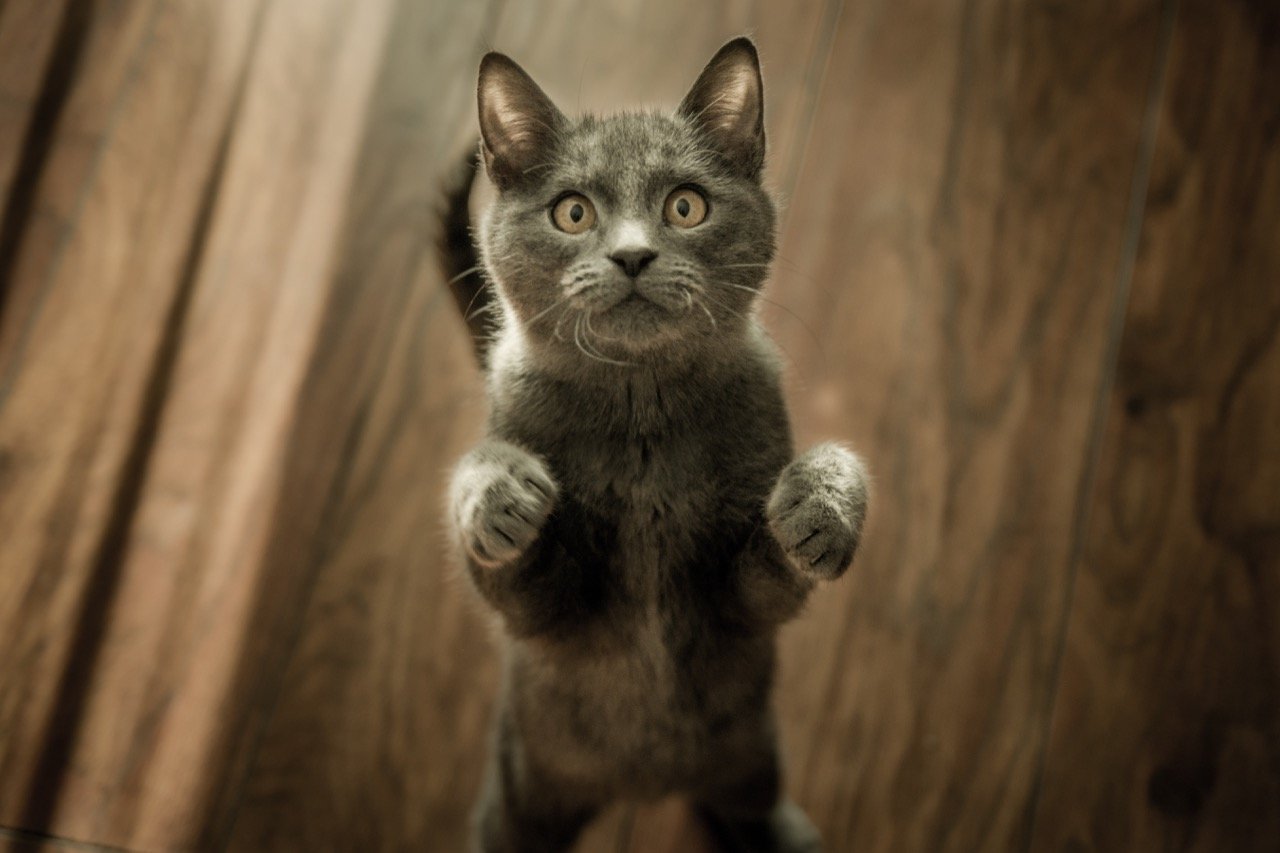
Everyday behavior that looks strange but makes sense Those surprise sprints, often called zoomies, are usually short releases of stored energy. Cats are built for ambush hunting, which involves long periods of stillness followed by quick, intense action. Indoor cats, especially, may save up energy and then spend it in a dramatic burst. Another common puzzle is kneading, when a cat rhythmically presses its paws into a blanket or your lap. This behavior begins in kittenhood as a way to stimulate milk flow, and many adults keep it as a comforting habit.
Communication: more than meows Cats communicate with a mix of body language, scent, and sound. The tail is a big indicator: a tail held upright often signals friendly confidence, while a puffed tail usually means fear or excitement. Slow blinking is a famous feline gesture that can signal relaxation and trust, almost like a cat version of a smile. Meowing is especially interesting because many adult cats reserve frequent meows for humans rather than other cats. In a way, your cat may be using a custom-made language to get your attention.
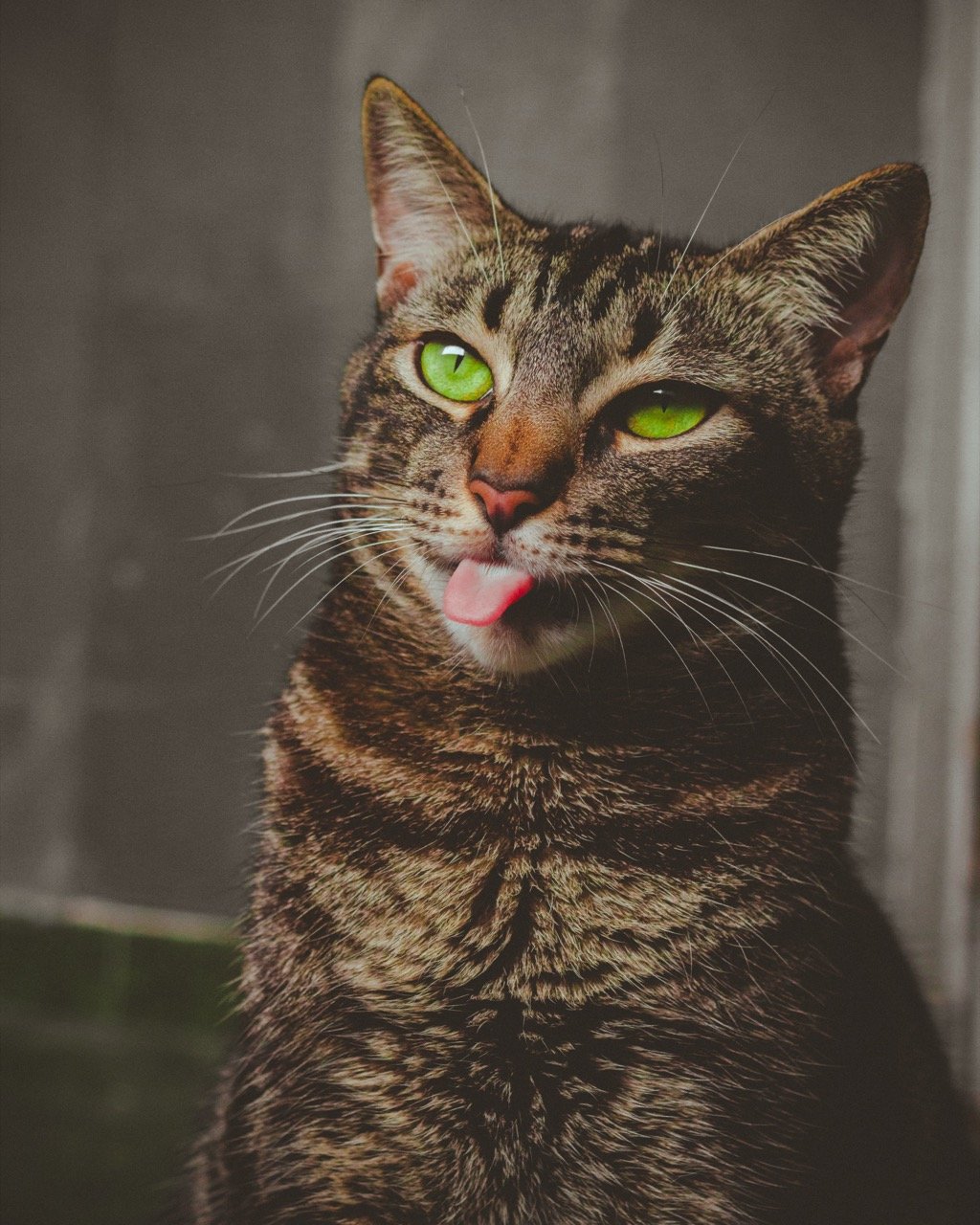
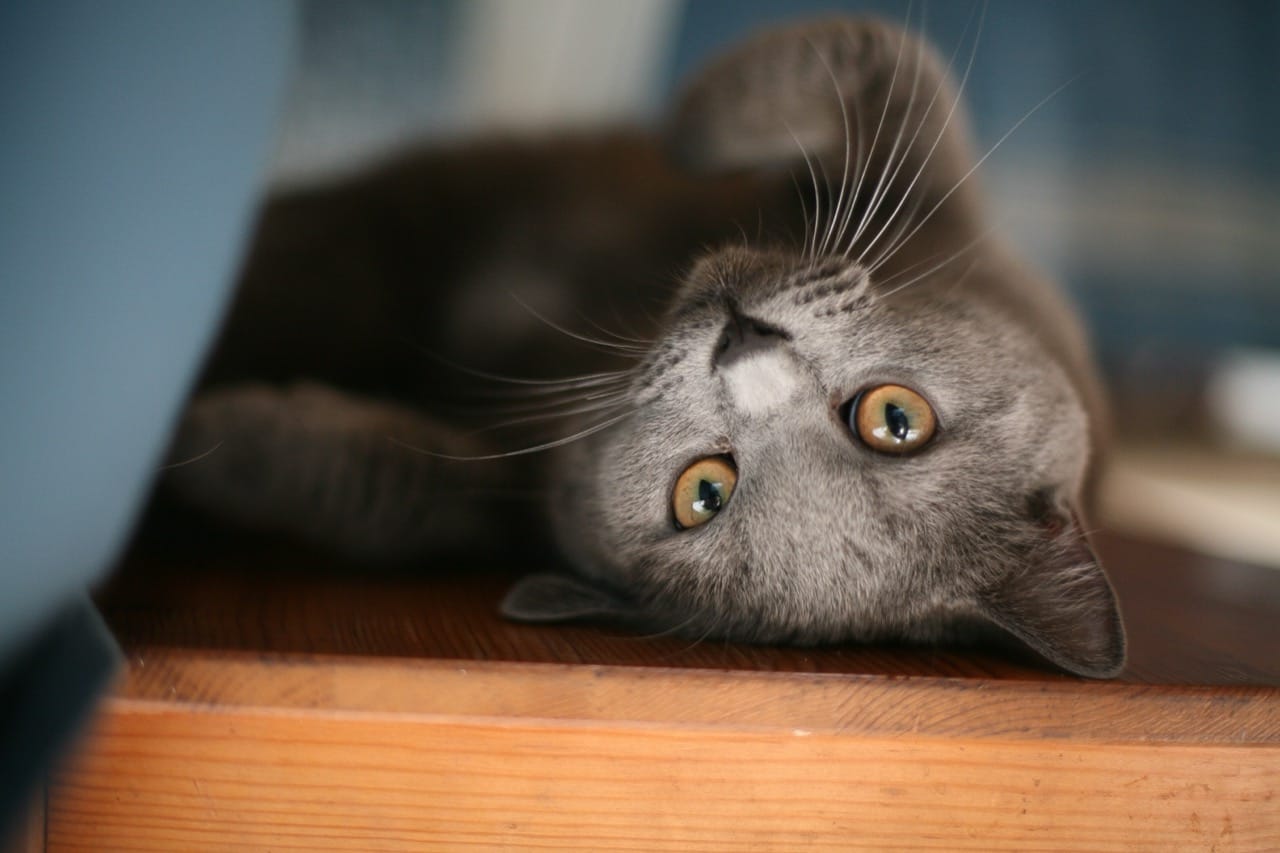
Senses and biology behind the magic Cats are impressive sensory specialists. Their hearing is tuned for high frequencies, which helps them detect tiny prey sounds. Their eyes excel in low light, thanks to a reflective layer called the tapetum lucidum that bounces light back through the retina. This is why eyes can appear to glow in the dark. Whiskers are not just decoration; they are sensitive tools that help cats judge spaces and detect subtle air movement. Even the nose plays a major role. Cats use scent to map their world, and they also have a special organ in the roof of the mouth, the vomeronasal organ, that helps them analyze chemical signals. That open-mouth expression called the flehmen response is basically a cat taking a deep sniff in a very technical way.
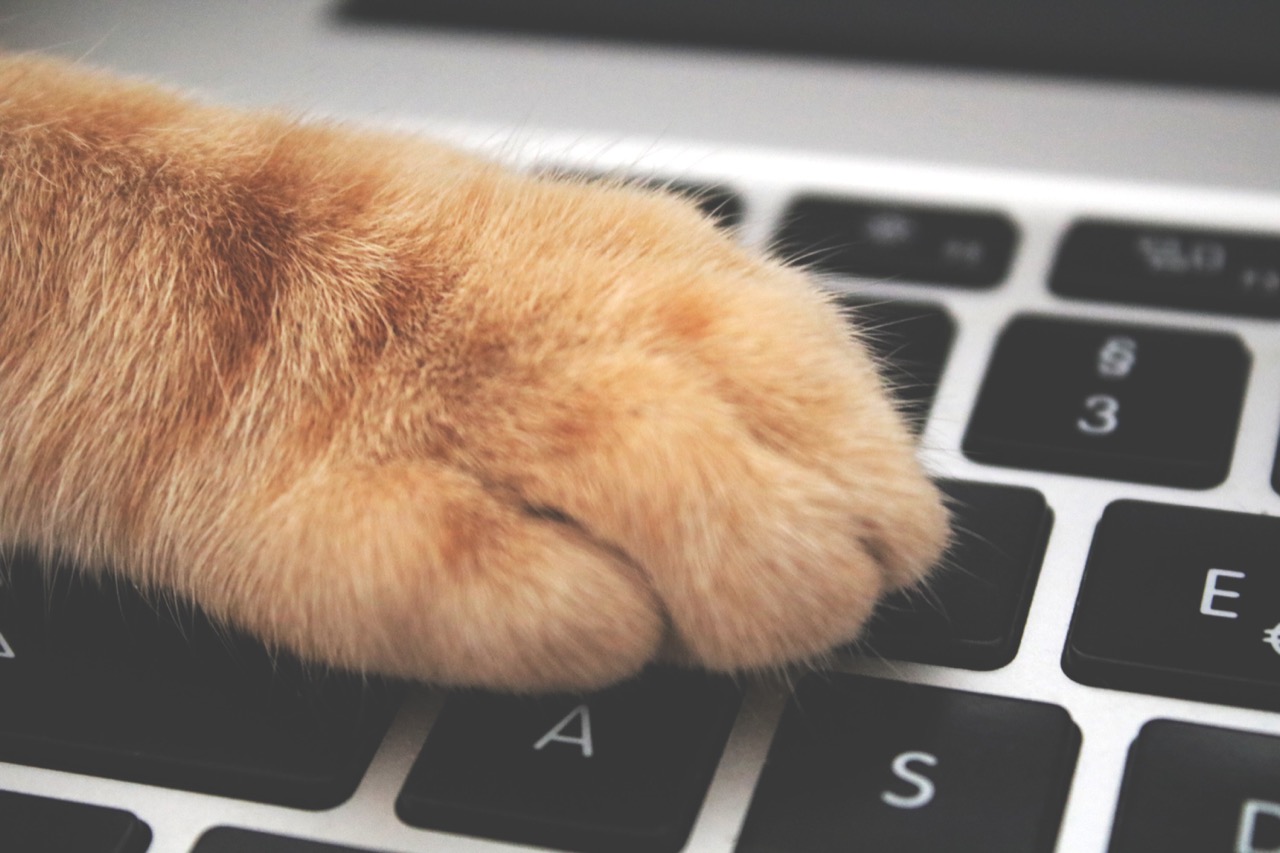
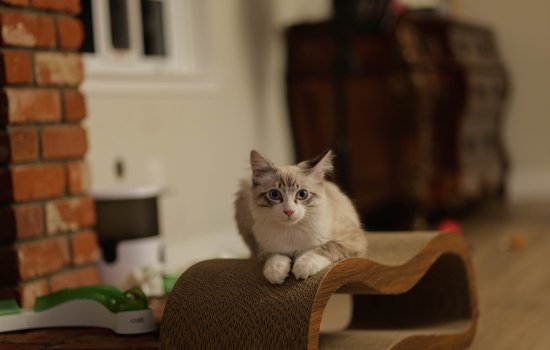
Purring, scratching, and other household headlines Purring is often linked to contentment, but cats may also purr when stressed or in pain, possibly as a self-soothing mechanism. Scratching is another misunderstood behavior. It is normal and useful: it maintains claws, stretches muscles, and leaves both visual marks and scent signals from glands in the paws. Providing scratching posts and rewarding their use can save furniture and keep cats happier.
A quick historical note Cats likely began their partnership with humans when early farming communities stored grain, attracting rodents. Wildcats that tolerated people had easy hunting, and humans benefited from pest control. Over time, cats became companions, yet they kept much of their independent, self-directed nature.
Conclusion Cats can seem like mysterious roommates with strong opinions, but their quirks are rooted in evolution, biology, and communication. Zoomies reflect an athlete built for ambush. Slow blinks and tail positions are real social signals. Scratching and scent marking are natural behaviors, not bad manners. The more you learn, the more those silent paws and judging stares become part of a surprisingly logical and endlessly entertaining animal story.
.jpg "Truth or Tail Feline Mythbuster Quiz")