

Introduction Cats can look like they are plotting something even when they are simply sitting on the sofa. Part of their charm is that familiar behaviors often have fascinating biological reasons behind them. Understanding why cats purr, sprint, sleep so much, and mark their territory can make the animals in our homes feel a little less mysterious and a lot more impressive.
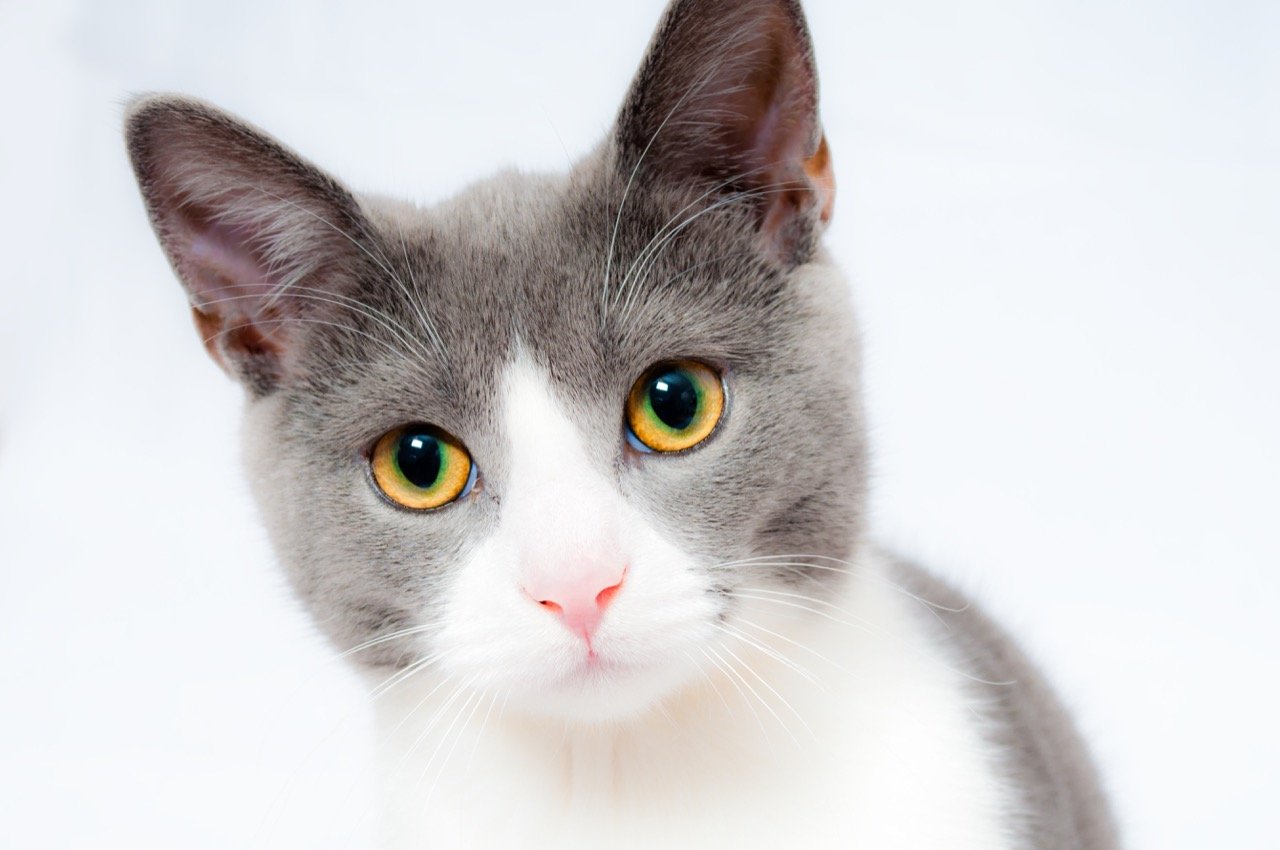
Whiskers, senses, and the cat body A cat experiences the world through highly tuned senses. Whiskers are not just decorative hairs; they are specialized touch receptors that help cats judge space and detect subtle air movement. This is useful when navigating in low light or squeezing through narrow gaps. Cats also have excellent hearing, especially for high pitched sounds, which helps explain why a crinkling treat bag can summon them from another room. Their vision is adapted for dim conditions, and while they do not see the world exactly as humans do, they are outstanding at noticing motion.
Scent marking and the hidden social network Cats communicate heavily through scent. When a cat rubs its cheek against furniture or your legs, it is depositing pheromones from glands around the face. Scratching also leaves both a visible mark and a scent message from glands in the paws. These signals create a kind of comforting map of familiar smells. Even friendly cats may scent mark to establish a shared group odor, which can reduce tension. This is also why changes in the home, like new furniture or a new pet, can make a cat seem unsettled. The scent landscape has changed.
Purring, meowing, and body language Purring is often linked to contentment, but it can also appear when a cat is stressed, in pain, or seeking comfort. Many experts think purring may help cats self soothe, and there is evidence that the low frequency vibrations could support healing processes. Meowing, on the other hand, is largely a cat to human behavior. Adult cats do not typically meow at each other the way they do at people. Over time, cats learn which sounds get results, such as attention, food, or a door opened. Body language adds another layer: a relaxed tail held upright can signal friendly confidence, while flattened ears and a twitching tail can indicate irritation or overstimulation.
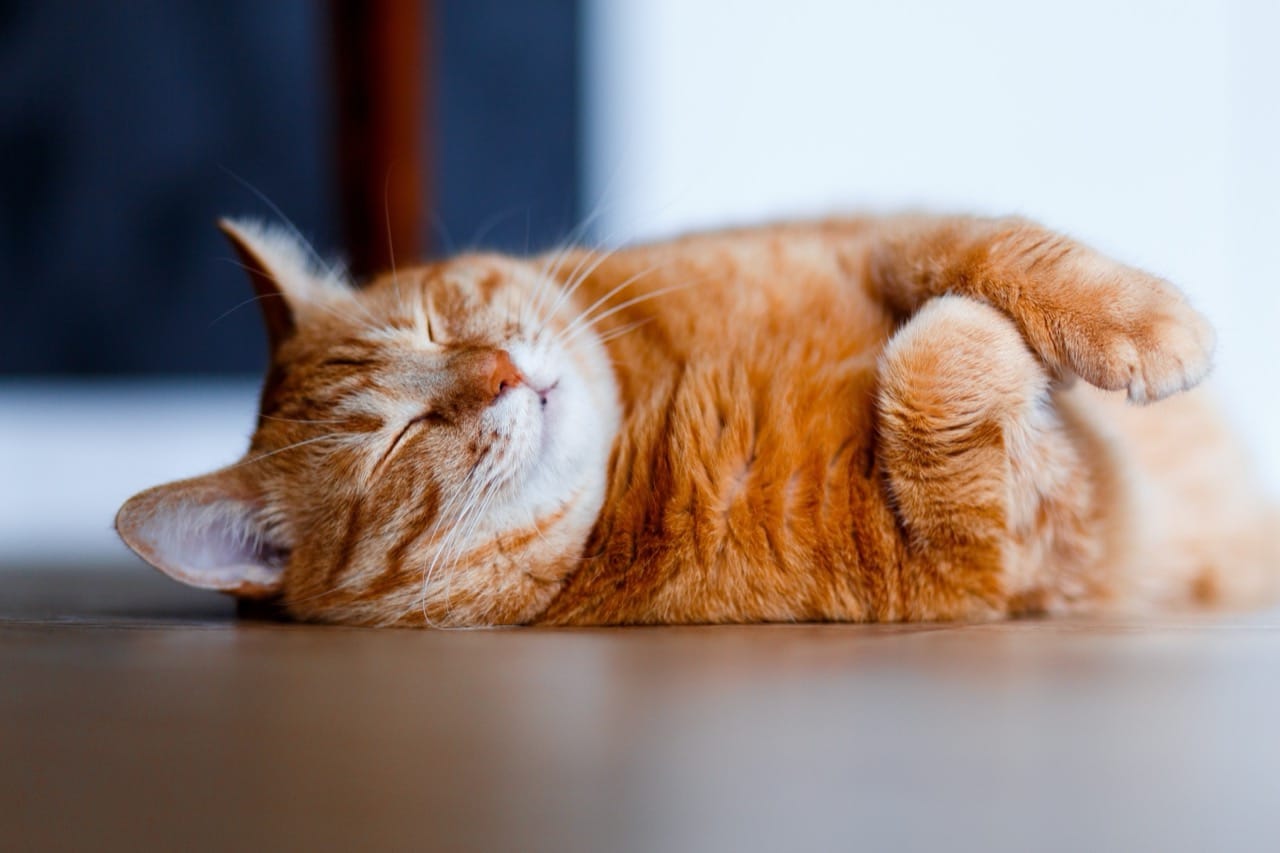
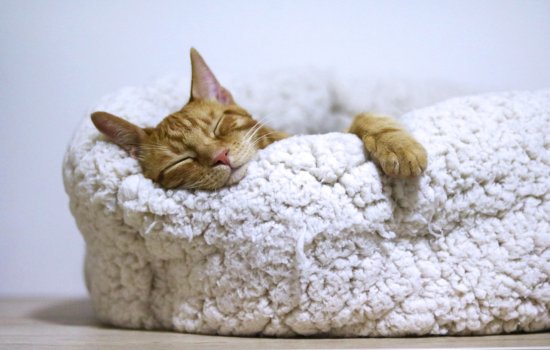
Sleep habits and sudden zoomies Cats are famous for sleeping long hours, commonly 12 to 16 a day, and sometimes more. This is normal for a predator built for short bursts of intense activity rather than endurance. Their ancestors needed to conserve energy between hunts, and domestic cats still follow that rhythm. The sudden hallway sprint, often called the zoomies, can be a release of stored energy, especially in indoor cats. It may also be tied to natural crepuscular activity, meaning cats are often most alert at dawn and dusk.
A brief history of domestication Domestic cats likely began their partnership with humans when early farming communities attracted rodents. Wildcats that tolerated people had access to easy prey, and humans benefited from pest control. Over many generations, cats became more adapted to living near us, yet they retained much of their independent hunting toolkit. This helps explain why even a well fed cat may still stalk toys, watch birds intently, or present a captured insect as if it were a meaningful achievement.
Surprising records and feline variety Cats come in a wide range of sizes and coat patterns, and selective breeding has created striking differences in appearance and temperament. Some cats are known for extraordinary jumping ability, agility, or vocal tendencies. While records can be fun, the more meaningful takeaway is how adaptable the species is. From bold lap cats to cautious observers, individual personality plays a big role in how a cat behaves.
Conclusion Cats may act mysterious, but much of what they do is rooted in sensory biology, communication through scent and sound, and an energy saving predator lifestyle. The next time your cat rubs a doorway, chatters at a bird, or launches into a midnight sprint, you will have a better idea of the instincts and signals behind the performance. Knowing these everyday cat truths makes the quiz more enjoyable and life with cats even more interesting.
.jpg "Truth or Tail Feline Mythbuster Quiz")