












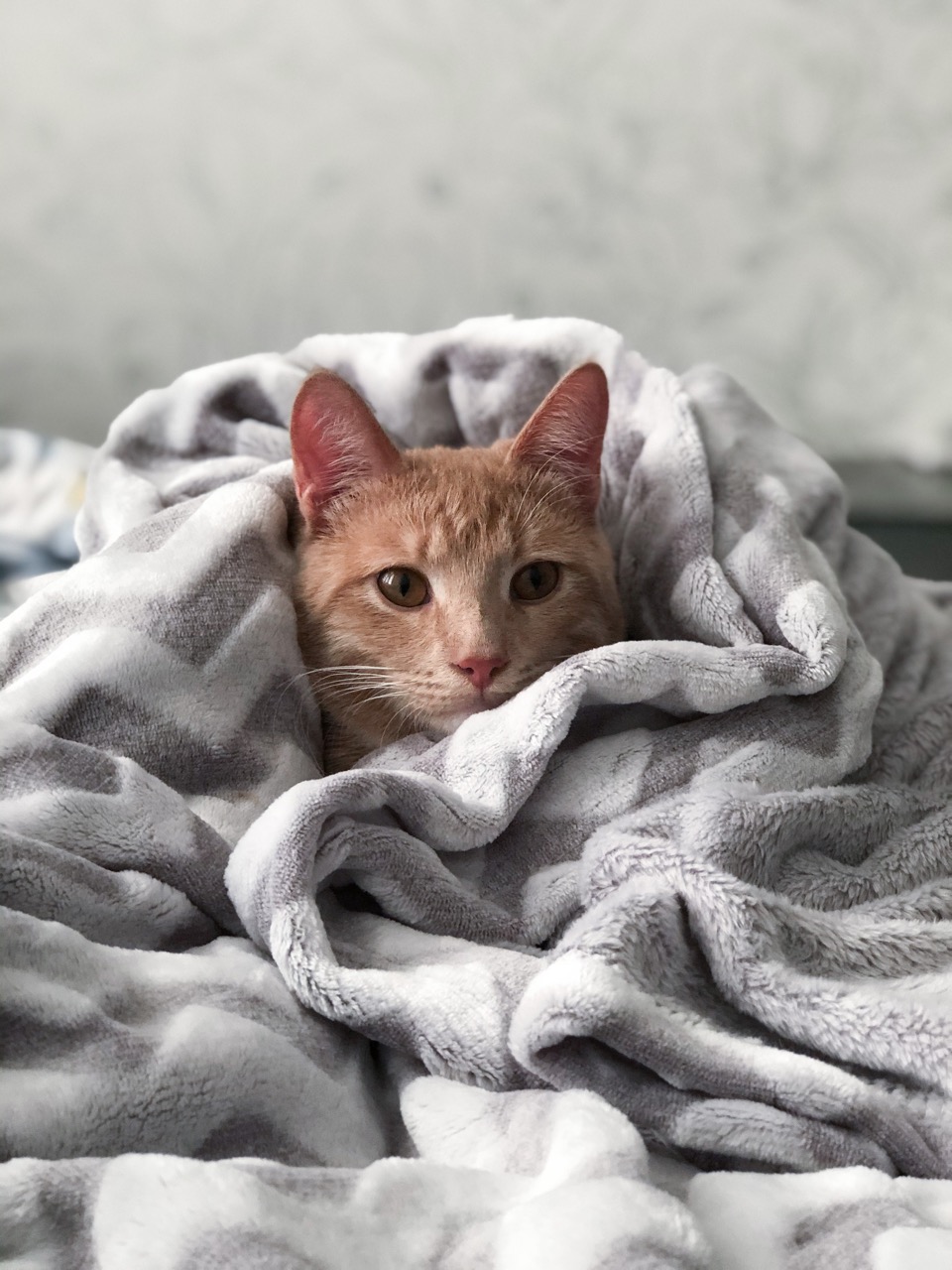
Cats often feel like living riddles: affectionate one moment, wildly energetic the next. Yet much of what looks mysterious is rooted in biology, finely tuned senses, and a long history of living alongside humans. Understanding a few core cat facts can make their behavior more predictable, improve their wellbeing, and deepen the bond you share.
One of the most noticeable features of any cat is its anatomy, built for stealth and sudden bursts of speed. Cats are digitigrade, meaning they walk on their toes, which helps them move quietly and spring quickly. Their flexible spine and powerful hind legs contribute to impressive jumping ability, while their collarbone is not rigidly attached like ours, allowing them to squeeze through surprisingly narrow spaces. Whiskers, often misunderstood as mere decoration, are specialized touch sensors. They help cats judge openings, detect air currents, and navigate in low light. Whisker fatigue is even a real concern for some cats, which is why wide, shallow bowls can be more comfortable than deep, narrow ones.
A cat’s senses are a major reason they seem to react to things we cannot perceive. Their hearing is extremely sensitive, especially for high-pitched sounds, which helps them locate small prey. Their sense of smell is strong, and they also use a special organ in the roof of the mouth called the vomeronasal organ to analyze scent signals. When you see a cat open its mouth slightly after sniffing something, that is often the flehmen response, a way of pulling scent molecules toward that organ. Vision is another advantage: cats see well in dim light thanks to a reflective layer behind the retina, though they do not see in complete darkness. They also tend to detect motion better than fine detail, which explains why a tiny moving speck can be more exciting than a stationary toy.
Communication is where many cat myths begin. Purring is commonly associated with contentment, but cats also purr when stressed, injured, or seeking comfort. Researchers believe purring may help with calming and possibly even healing, though it is not a substitute for veterinary care if a cat seems unwell. Meowing is largely a cat-to-human behavior; adult cats rarely meow to one another the way they do with people. Tail position, ear angle, slow blinking, and body posture often say more than vocal sounds. A slow blink can signal trust, while a twitching tail may indicate overstimulation rather than friendliness.
Agility and hunting instincts show up even in well-fed indoor cats. The famous sudden sprint, sometimes called the zoomies, can be a normal release of energy, especially in younger cats or those lacking regular play. Providing short daily play sessions that mimic hunting, such as stalking and pouncing, can reduce nighttime chaos and boredom-related behaviors.
A few history and health basics round out any cat lover’s knowledge. Domestic cats likely began their partnership with humans by controlling rodents near early farms, gradually becoming valued companions. Today, good care means more than food and cuddles. Regular veterinary checkups, dental attention, vaccination plans, parasite prevention, and appropriate weight management are key. Many common problems, like urinary issues or obesity, can be reduced with proper diet, hydration, and enrichment. If a cat suddenly changes habits, such as hiding more, missing the litter box, or becoming unusually vocal, it is wise to consider a medical cause.
Cats may always keep a little mystery, but their quirks have real explanations. Learning how their bodies work, how they sense the world, and how they communicate turns strange moments into understandable signals. The more you know, the more you can meet your cat’s needs and enjoy the clever, athletic, and surprisingly expressive animal sharing your home.





.jpg "Truth or Tail Feline Mythbuster Quiz")