




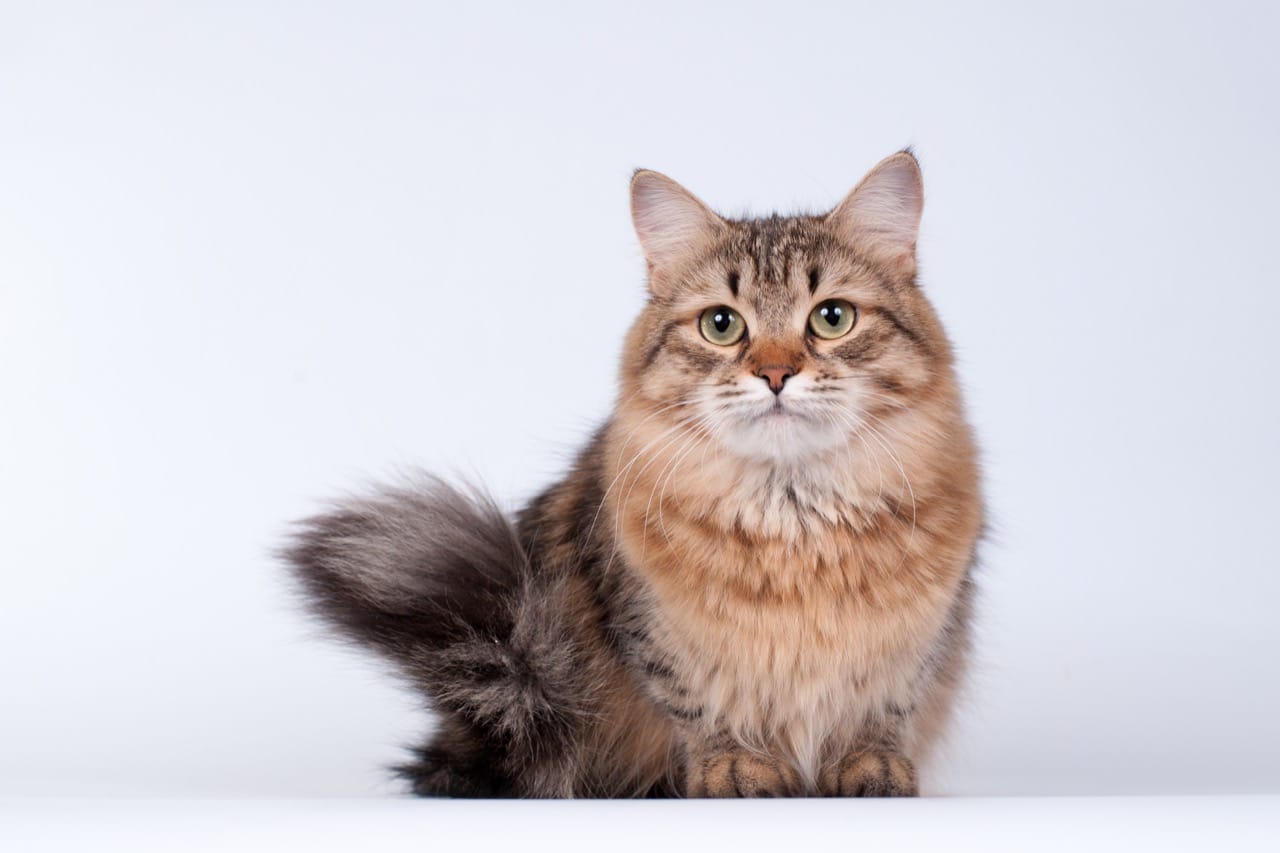




Introduction Cats have a talent for acting like they own the place, whether they are draped across your keyboard or silently judging your life choices from a windowsill. Yet the behaviors that seem random or dramatic usually have practical roots in biology and evolution. Understanding a few key cat facts can make their habits feel less mysterious and even more impressive.
Senses and anatomy: built for hunting A cat’s body is tuned for stealth and precision. Their flexible spine and powerful hind legs help them sprint, leap, and change direction quickly. Whiskers are not just decoration; they are sensitive tools that help cats judge spaces and detect subtle air movement, which is useful for navigating in low light or tracking nearby motion.
Vision is another common surprise. Cats do not see in total darkness, but they see far better than humans in dim light thanks to a reflective layer behind the retina that bounces light back through the eye. Their color vision is more limited than ours, but they are excellent at noticing movement, which matters more to a predator than identifying bright hues.
Hearing may be even more impressive. Cats can detect higher-pitched sounds than people, including frequencies used by small prey. Their ears can swivel to pinpoint where a sound is coming from, like built-in radar dishes.
Communication: purrs, meows, and body language People often assume purring means a cat is happy, and it often does. But cats also purr when they are stressed, injured, or trying to soothe themselves. Purring may function as a calming signal, and some researchers have suggested the low vibrations could support healing, though the full story is still being studied.
Meowing is also more complicated than it seems. Adult cats rarely meow at each other; many reserve meows for communicating with humans. Over time, cats have learned that people respond to certain sounds, so they adjust their vocal style to get attention, food, or access to a closed door.
Body language fills in the rest. A slow blink can signal trust. A tail held upright is often a friendly greeting. Flattened ears, a twitching tail tip, and a stiff posture can indicate irritation or overstimulation, even if the cat is not hissing.
Instincts and quirky behaviors Kneading, the rhythmic pushing of paws into blankets or laps, starts in kittenhood when nursing stimulates milk flow. Many adult cats keep the habit because it is comforting and linked to feelings of safety. Zoomies, those sudden bursts of speed, can be a way to burn energy, practice hunting moves, or release tension.
Scratching is not spiteful behavior. It maintains claw health, stretches the body, and leaves both visual marks and scent signals from glands in the paws. Providing sturdy scratching surfaces in preferred locations can prevent a lot of furniture drama.
Cats also have strong scent-based instincts. Rubbing their cheeks on you deposits scent from facial glands, effectively marking you as familiar. That is one reason a cat may head-butt you and then walk away like the interaction is complete.
Cats and humans: a long partnership Cats likely began living near people when early farming attracted rodents, which attracted wildcats. The relationship grew because it benefited both sides: humans gained pest control, and cats gained reliable hunting grounds and shelter. Even today, many house cats retain the instincts of skilled solitary hunters, which explains why play that mimics stalking and pouncing is so satisfying for them.
Conclusion Cats may act like tiny royals, but their behaviors are grounded in remarkable senses, ancient instincts, and clever communication strategies. The more you learn about why they purr, knead, scratch, and sprint, the more their daily antics turn into a story of survival skills adapted to modern living. If you are taking a cat facts quiz, remember that every odd habit has a history, and every confident stare is backed by serious feline design.



.jpg "Truth or Tail Feline Mythbuster Quiz")