


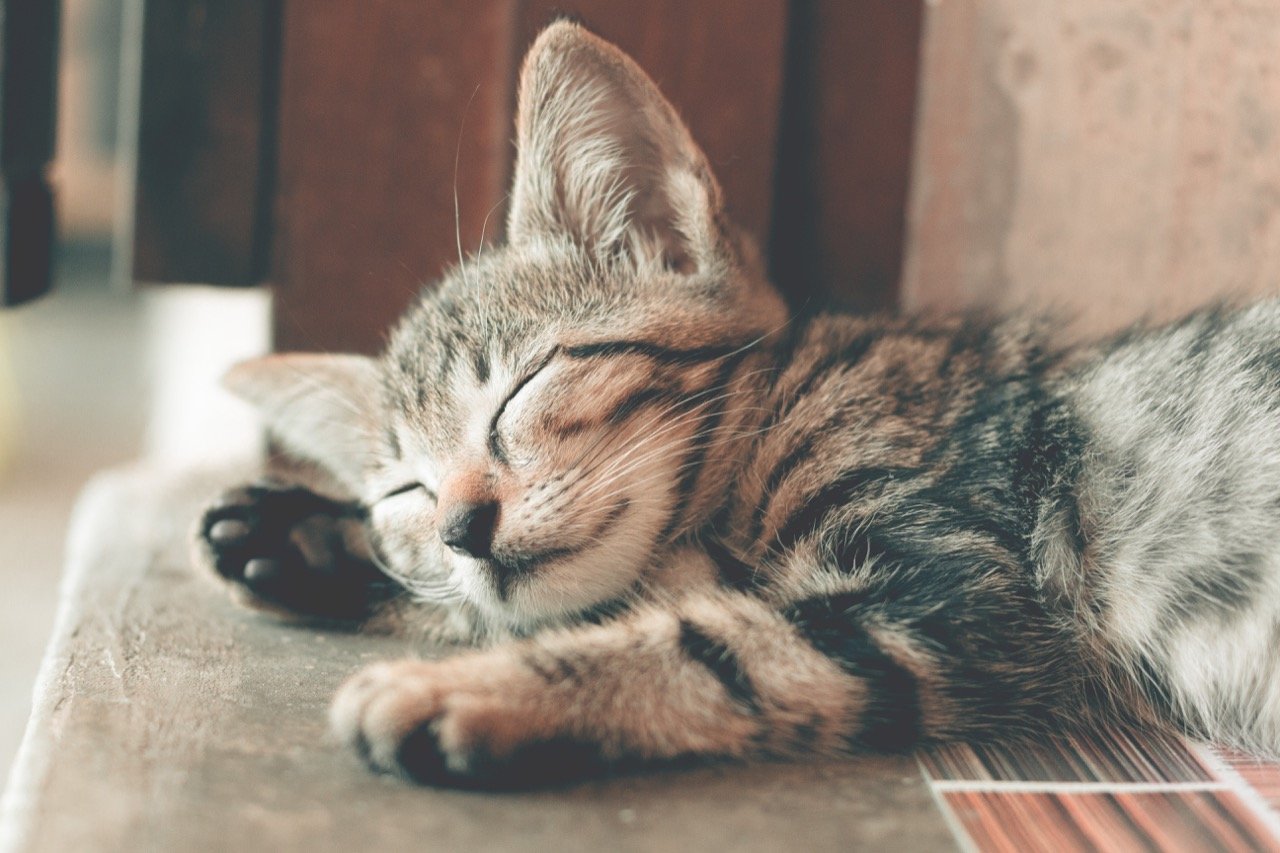




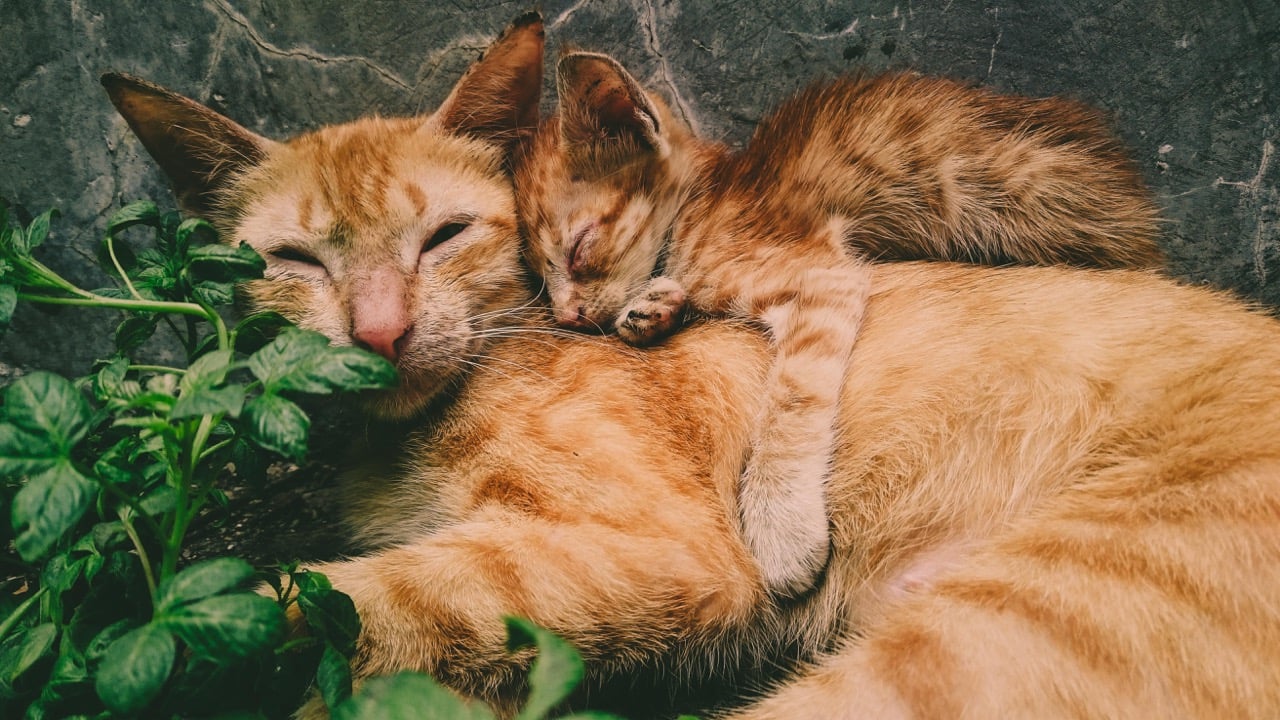

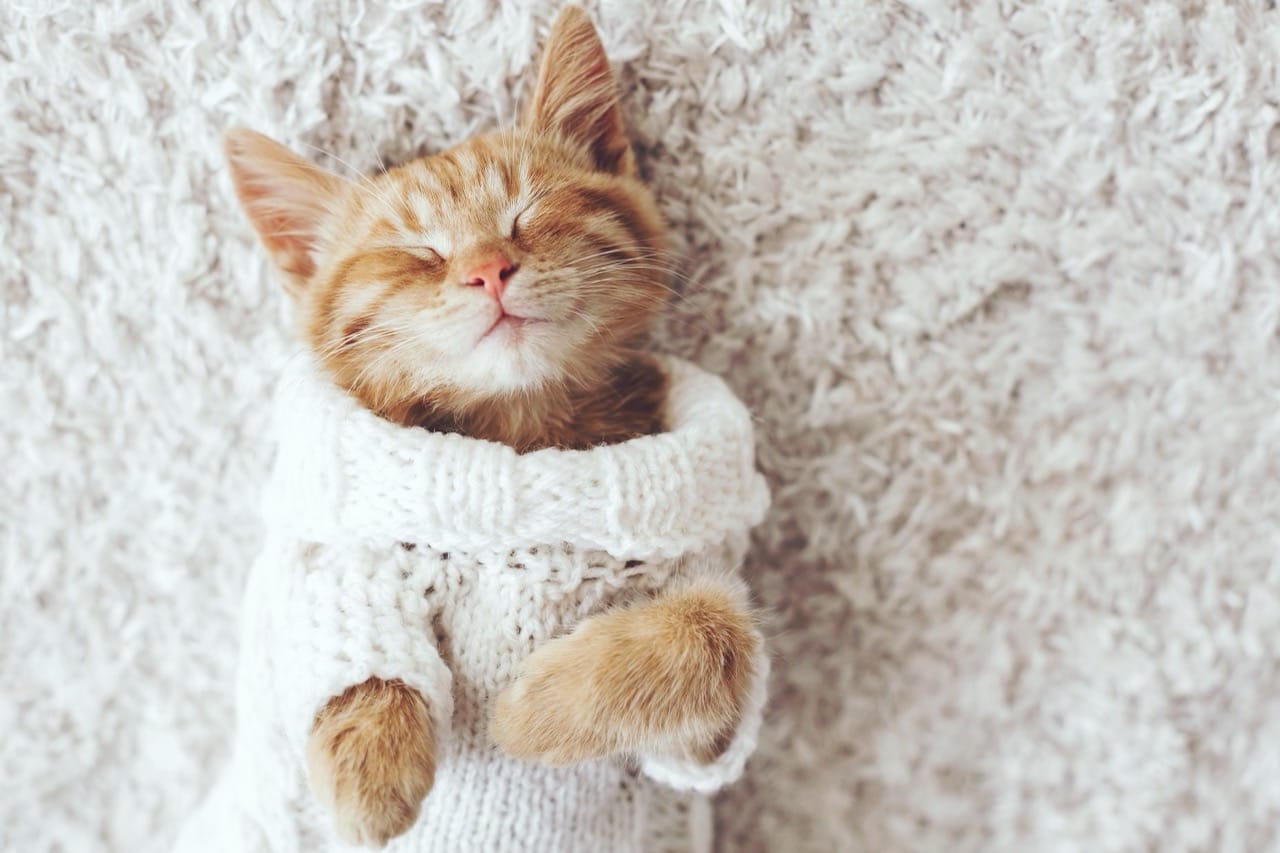
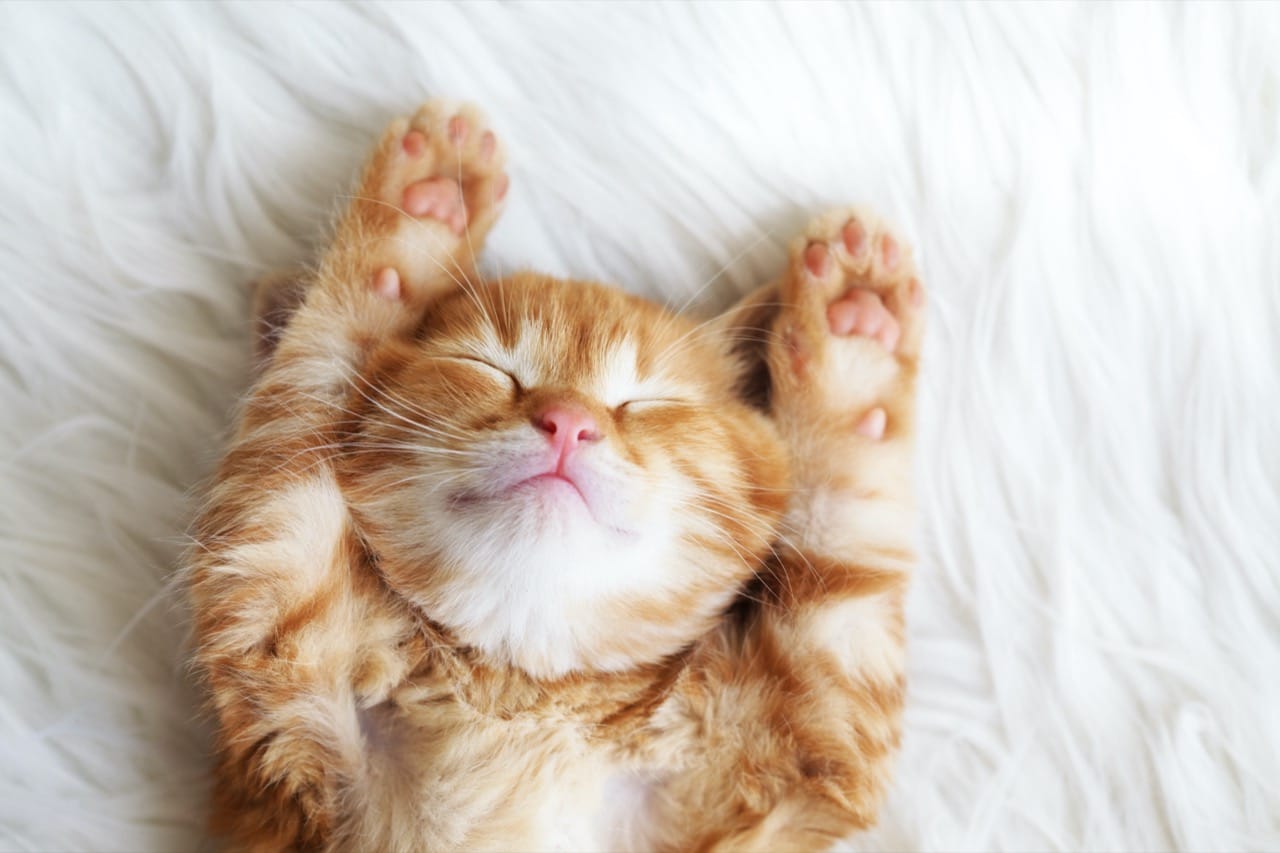
Introduction Cats can look like effortless nap machines, yet they are finely tuned hunters and communicators with a long history alongside humans. The same animal that curls up on your lap can also launch into a sudden burst of speed at midnight, react to a sound you never noticed, or stare at a wall as if it holds secrets. Understanding a few key facts about cat biology, behavior, and history can make those moments feel less mysterious and a lot more interesting.
Biology: built for precision A cat’s body is designed for stealth and quick acceleration. Their flexible spine and powerful hind legs help them sprint, jump, and twist in midair. Whiskers are not just decoration; they are sensitive touch sensors that help cats judge spaces, detect air currents, and navigate in low light. A cat’s eyes are also adapted for dim conditions, with a reflective layer that boosts available light, which is why you may see their eyes shine at night. Purring is one of the most recognizable cat sounds, and it often signals comfort, but it can also appear during stress or pain. Many experts think purring may help cats soothe themselves and possibly support healing, since the vibrations fall within ranges that may benefit tissue and bone. While not every detail is settled, it is clear that purring can mean more than happiness.
Behavior: the logic behind the zoomies Those sudden bursts of energy, sometimes called zoomies, are often a normal release of pent up energy, especially in indoor cats. In the wild, cats spend time resting between short, intense hunts, so their activity pattern tends to be bursts rather than long workouts. Play that mimics hunting, like chasing a wand toy or stalking a moving object, helps satisfy instincts and can reduce nighttime chaos. Scratching is another behavior that is frequently misunderstood. Cats scratch to maintain claws, stretch muscles, and leave scent marks from glands in their paws. Providing sturdy scratching posts in key locations, especially near where a cat sleeps or where they already scratch, can redirect the habit without conflict.
Communication: slow blinks, tails, and ears Cats communicate with their whole body. A slow blink is often a sign of relaxation and trust, and many cats will respond if you slow blink back. Tail position can offer clues, but context matters. A tail held upright usually signals friendly confidence, while a rapidly flicking tail can indicate agitation or intense focus. Ears are equally expressive: forward ears often suggest curiosity, sideways or flattened ears can signal fear or irritation. Vocalizations vary widely. Some cats are naturally talkative, and many learn that certain sounds reliably bring human attention. Meows are largely directed at people rather than other cats, which suggests they are a social tool shaped by living with humans.
History and practical care: from granaries to living rooms Domestic cats likely began their close relationship with humans when early farming communities attracted rodents. Cats that tolerated people had access to steady prey, and humans benefited from pest control. Over time, a partnership formed that spread around the world. For modern cat guardians, a few practical facts go a long way. Regular veterinary care, vaccinations, and parasite prevention protect both cats and households. Spaying and neutering can reduce roaming, fighting, and certain health risks. Enrichment matters too: climbing spaces, hiding spots, and predictable routines help cats feel secure.
Conclusion Cats are not unknowable, just subtle. Their bodies are built for stealth, their behaviors reflect ancient hunting patterns, and their signals are often quiet but consistent once you learn them. The more you understand whiskers, purrs, tail flicks, and zoomies, the more you can appreciate the intelligent, adaptable companion sharing your home and occasionally your keyboard.





.jpg "Truth or Tail Feline Mythbuster Quiz")