







Introduction Cats can feel familiar because they share our homes and routines, yet they remain full of small mysteries. A good cat quiz usually works because it mixes what you see every day with the surprising biology behind it. Understanding a few key facts about senses, behavior, and history can make cats seem less unpredictable and even more impressive.
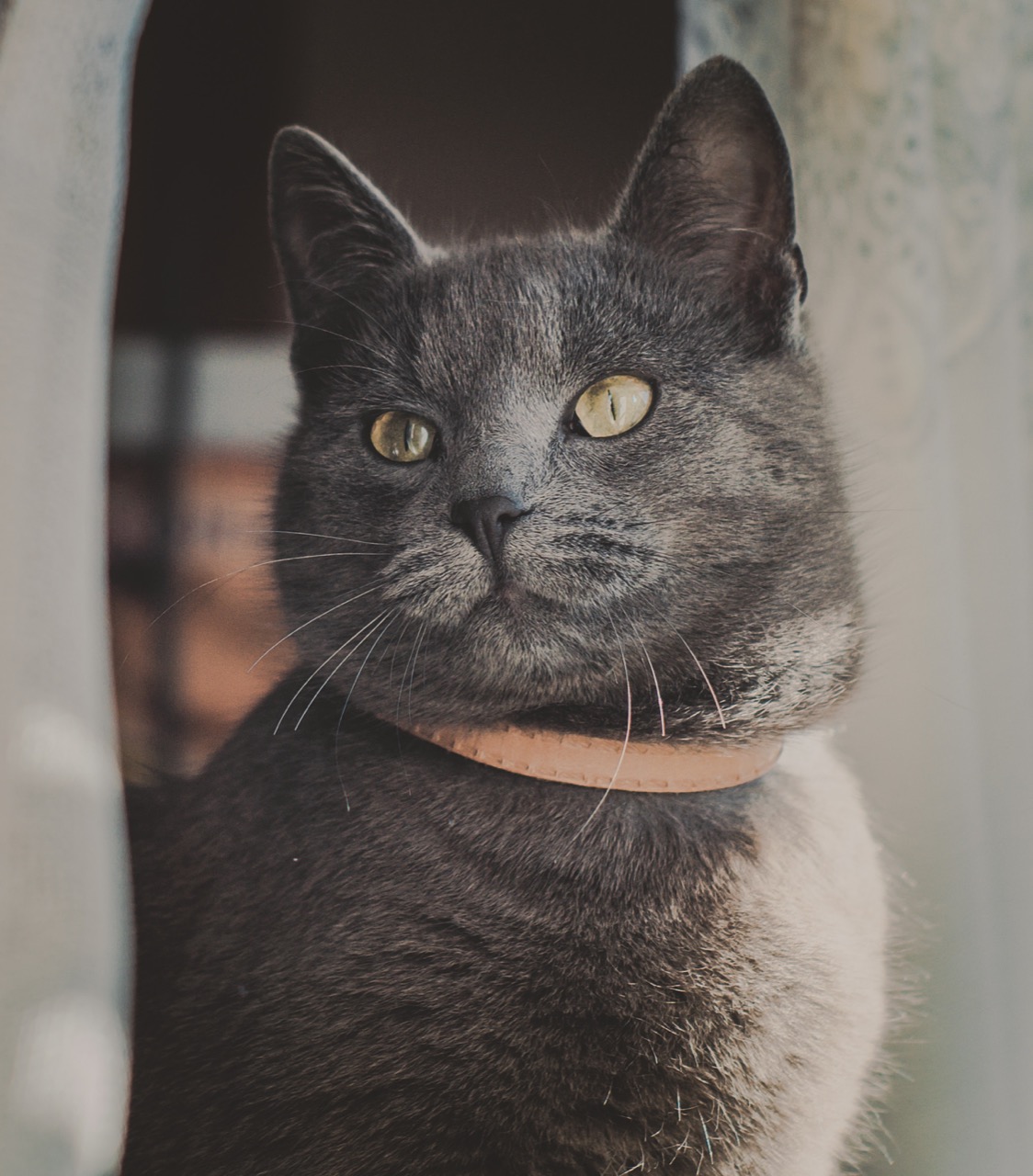
Senses built for hunting A cat’s senses are tuned for stalking prey. Their hearing reaches much higher frequencies than humans can detect, which helps them pick up the tiny squeaks and rustles made by small animals. Their ears also rotate to pinpoint sound direction with remarkable accuracy. Vision is another specialty. Cats see well in low light thanks to a reflective layer behind the retina that boosts available light, which is why their eyes can appear to glow. Up close, though, they are not as sharp as humans and rely heavily on movement to notice targets.
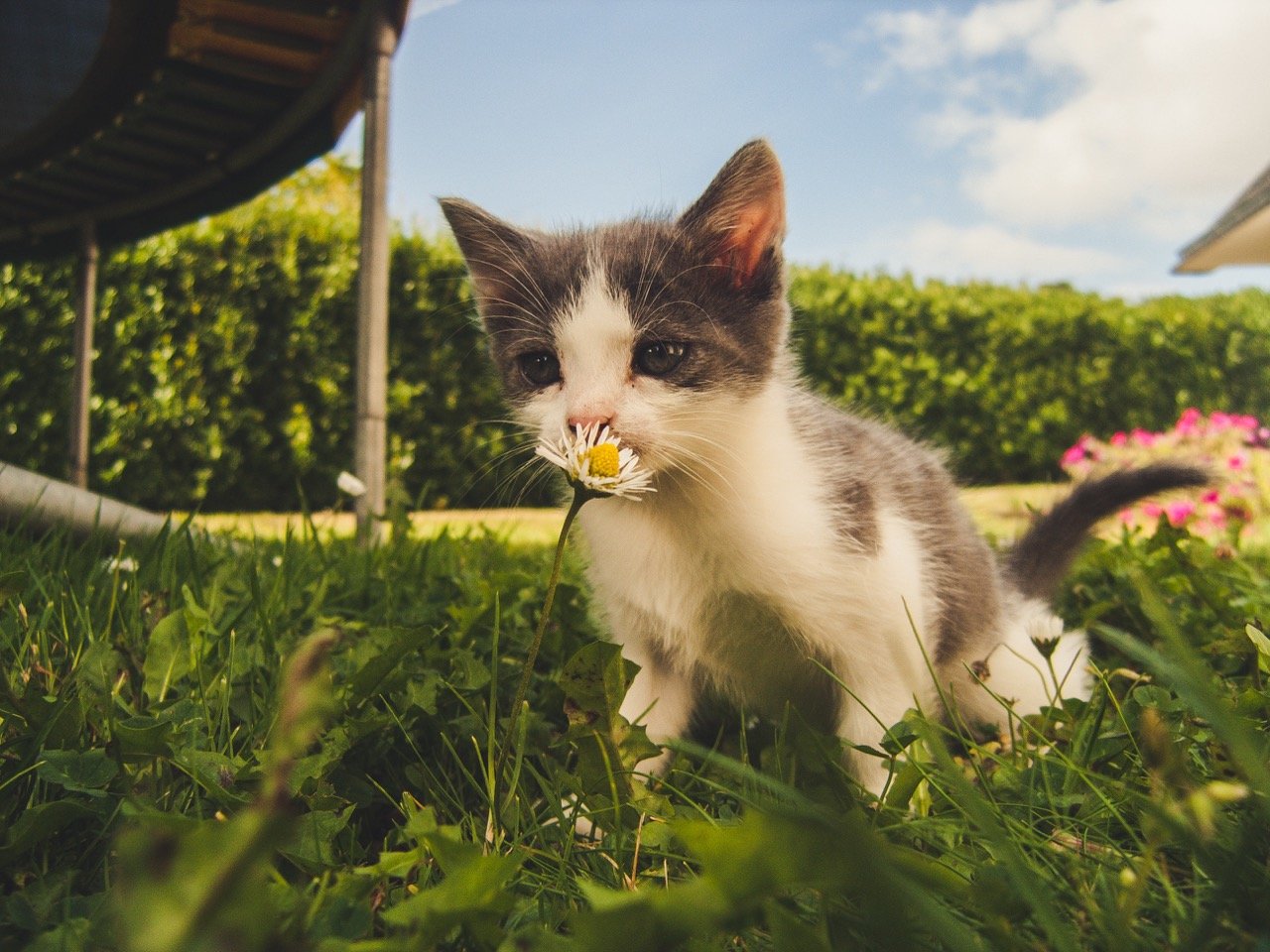
Whiskers are not just decoration. They are sensitive touch receptors that help a cat judge distances, navigate in the dark, and assess whether a space is wide enough to fit through. Many cats dislike having their whiskers pressed against narrow bowls, which can lead to picky eating that is really discomfort.
Purring, meowing, and silent signals Purring is often linked with contentment, but cats also purr when stressed, injured, or seeking comfort. The exact mechanism involves muscles in the larynx that create vibrations as the cat breathes. Meowing is more of a cat to human communication tool than a cat to cat one. Adult cats usually rely on body language and scent with each other, but they learn that vocal sounds get human attention.
Watch the tail and posture. A relaxed upright tail often signals friendly intent, while a puffed tail can mean fear or arousal. Slow blinking is commonly a sign of comfort and trust. If you return a slow blink, many cats respond in kind, which can be a gentle way to build rapport.
Why cats knead, sleep, and scratch Kneading, the rhythmic pushing of paws, begins in kittenhood as a way to stimulate milk flow while nursing. Many adult cats keep the habit because it is soothing. Some cats knead before settling down, almost like fluffing an invisible pillow.
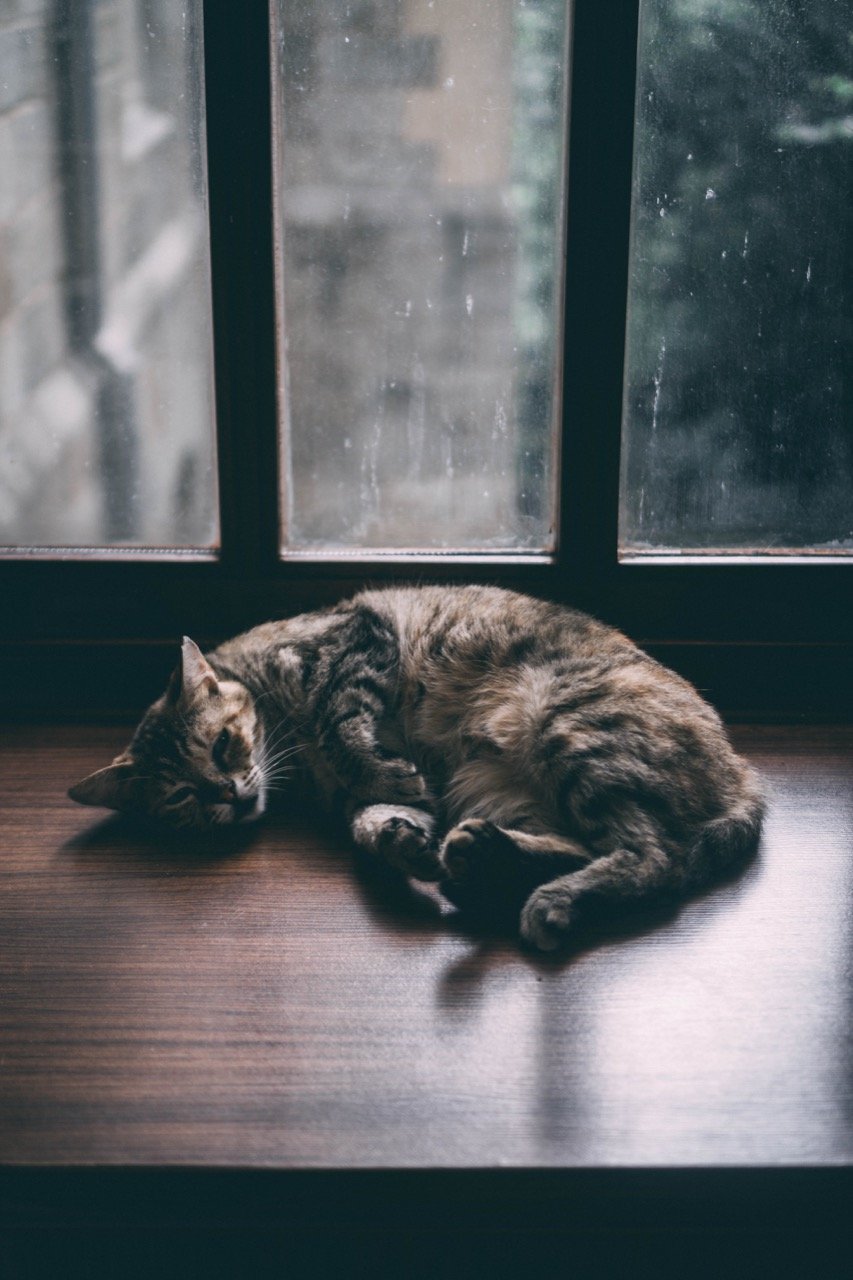
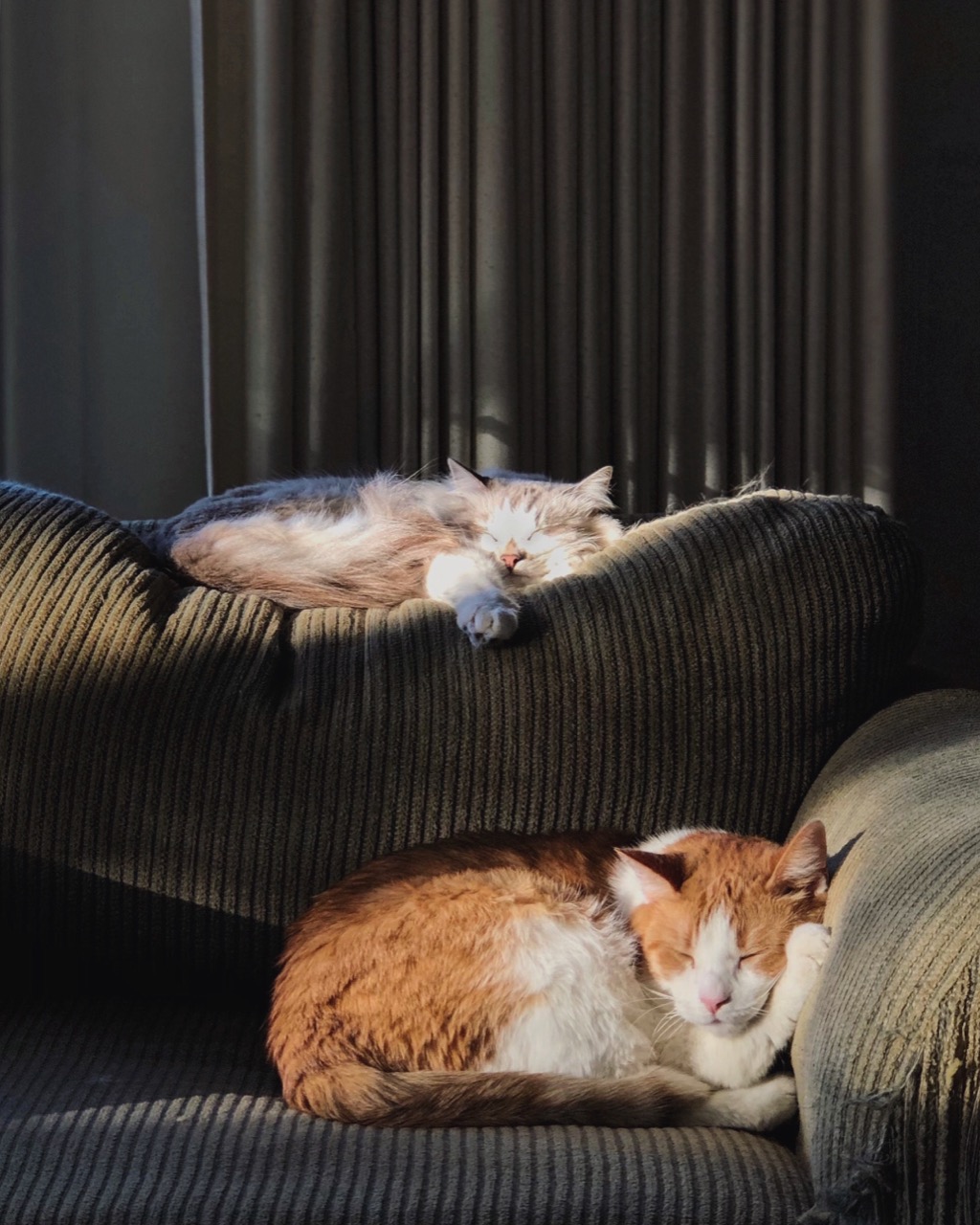
Cats sleep a lot, commonly spending much of the day resting. This is not laziness so much as energy strategy. As natural hunters, cats conserve energy for short bursts of intense activity. Even when they look asleep, they often remain lightly alert, ready to react.
Scratching is another frequently misunderstood behavior. It helps maintain claw health by shedding outer layers, stretches the body, and leaves both visual marks and scent signals from glands in the paws. Providing scratch-friendly surfaces in the right locations is usually more effective than trying to stop the behavior entirely.
A brief note on history and domestication Domestic cats likely became our companions through a practical partnership. As humans stored grain, rodents moved in, and cats followed. Over time, the cats that tolerated people thrived, leading to the domestic cat we know today. Even so, many of their instincts remain close to those of their wild relatives, which is why play often looks like hunting practice.
Conclusion Cats combine refined hunting tools with social flexibility and a talent for comfort. The more you learn about their senses and habits, the more everyday behaviors make sense, from late night zoomies to careful whisker navigation. A quiz on cat knowledge is fun, but it also highlights a bigger truth: living with cats means you are always discovering something new.


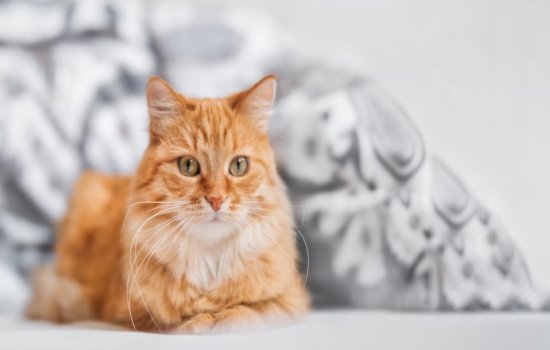


.jpg "Truth or Tail Feline Mythbuster Quiz")