





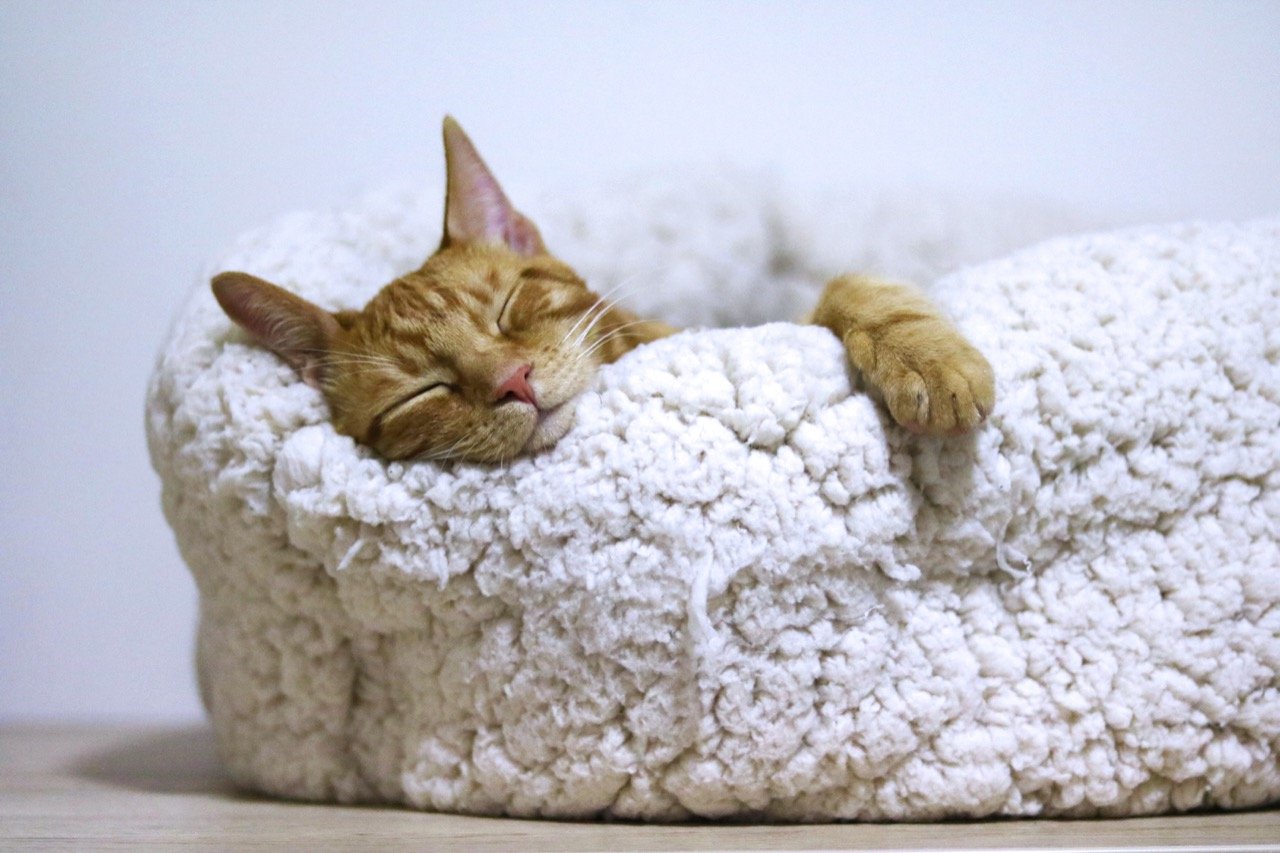
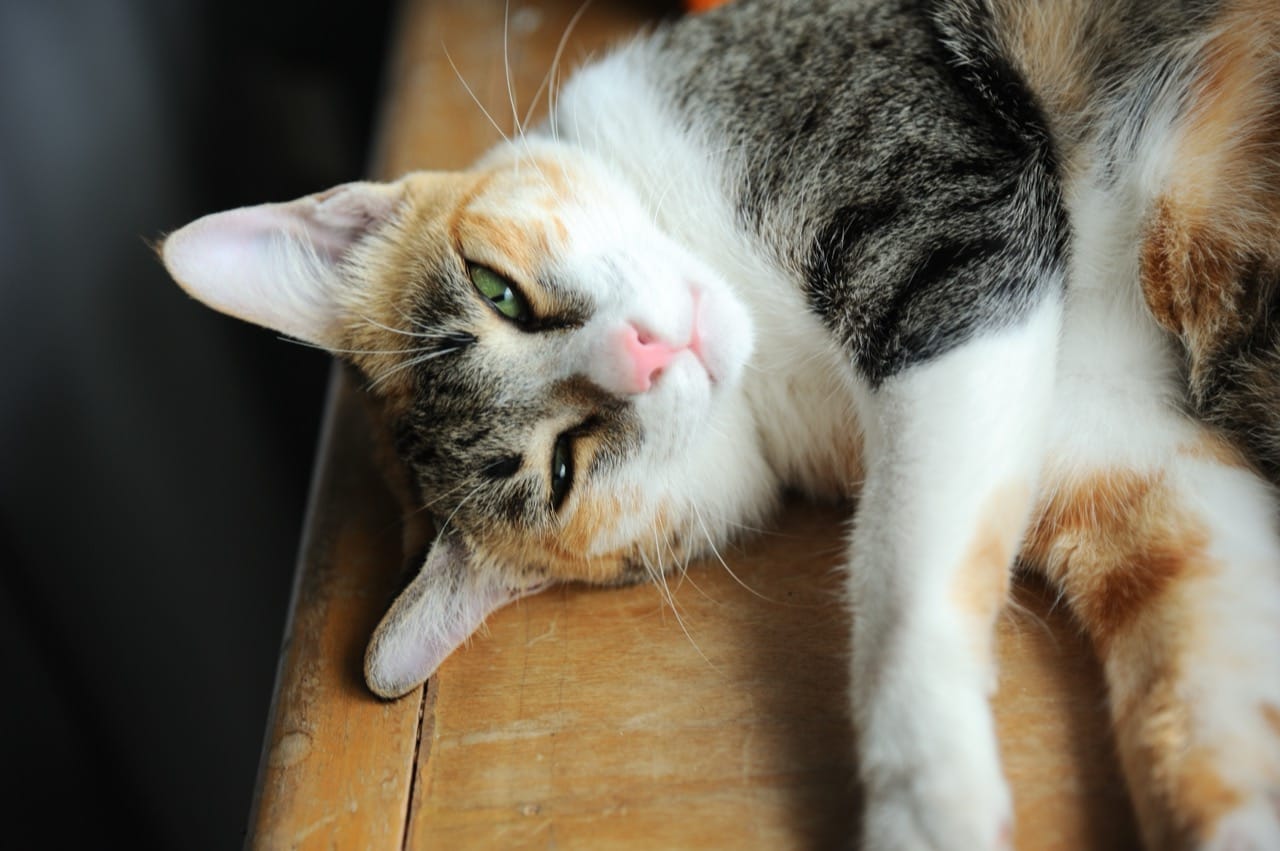
Introduction Cats can look like they are doing nothing while somehow controlling the entire room. Their calm stare, sudden bursts of speed, and picky habits can seem mysterious, but much of it makes sense once you understand how a cat is built and how it communicates. Domestic cats share many traits with their wild relatives, and those traits still shape everyday behaviors on your couch.
Senses built for hunting A cat’s senses are tuned for detecting small, fast prey. Their eyes are designed to work well in low light, which is why they become more active at dawn and dusk. Cats do not see in complete darkness, but they use minimal light efficiently. Their hearing is especially impressive: they can detect high pitched sounds that humans cannot, and they can swivel their ears to pinpoint where a noise is coming from. Whiskers are not just decoration. They are sensitive touch sensors that help cats judge spaces, detect air movement, and navigate in the dark. If you have ever seen a cat hesitate at a narrow gap, it may be using whiskers to measure whether it can fit.
Athletic anatomy and the art of the leap Cats are built for sudden acceleration and precise jumps. A flexible spine and powerful back legs let them spring upward and forward with ease. Their collarbone is not rigidly attached like ours, which helps them squeeze through tight openings. Claws add traction and gripping power, and the rough tongue is a grooming tool that also helps strip meat from bones in the wild. When cats land, they spread impact across their limbs and use muscles like shock absorbers. Many cats also use the righting reflex to twist their bodies midair, helping them land on their feet when falling from a short distance. That does not make falls safe, though, especially from great heights.
Communication: tails, ears, and slow blinks Cats communicate constantly, just not always with sounds. A tail held high often signals confidence and friendly intent, while a puffed tail suggests fear or excitement. Ears forward usually mean interest; ears flattened can mean stress or defensiveness. A slow blink is often a sign of comfort, and many people return the gesture to build trust. Purring is commonly linked to contentment, but it can also appear when a cat is anxious or in pain, possibly as a self soothing behavior. Meowing is mostly a cat to human strategy; adult cats rarely meow at each other the way they do at people.
Why cats do the things they do Kneading, the rhythmic pushing with paws, begins in kittenhood as a way to stimulate milk flow. Many adults keep the habit when relaxed. Scratching is not spite; it maintains claw health, stretches the body, and leaves scent marks from glands in the paws. If your cat brings you a toy or, unfortunately, a real animal, it may be practicing hunting or offering a “gift” in a social context. Even the famous cardboard box obsession has a logic: enclosed spaces provide warmth, security, and a good vantage point.
Breeds and wild relatives All domestic cats belong to the same species, descended from wildcats that lived near early farming communities. Selective breeding has produced striking differences in coat, body shape, and temperament, from long haired fluff to sleek, short coated athletes. Still, breed is only part of the story. Early socialization, environment, and individual personality often matter more than a label.
Conclusion Cats are not as mysterious as they pretend to be. Their senses, bodies, and signals reflect a predator’s toolkit adapted to life alongside humans. Understanding the science behind a twitching tail, a sudden sprint, or a quiet purr makes living with cats even more entertaining. The more you learn, the more you realize your cat is not random at all, just expertly designed to be both hunter and household royalty.



.jpg "Truth or Tail Feline Mythbuster Quiz")