

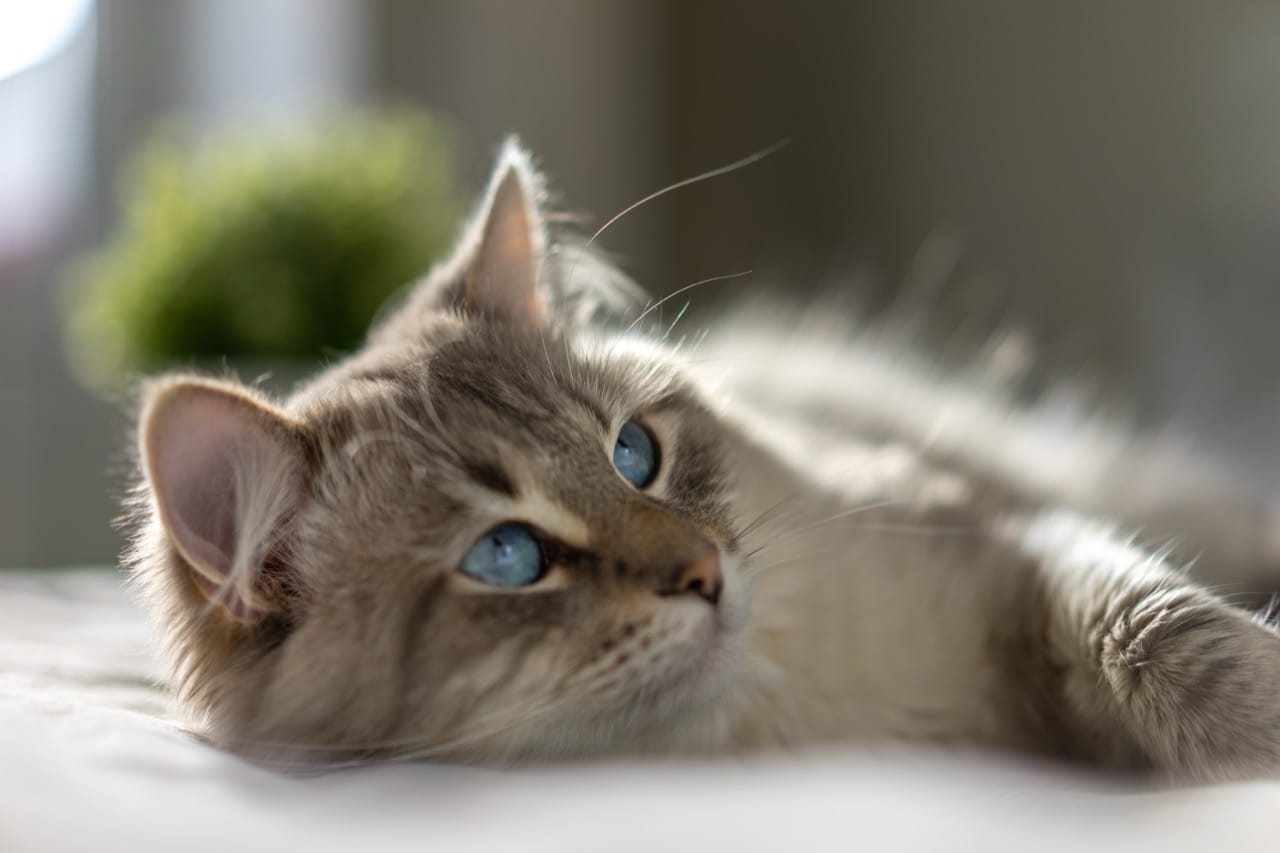
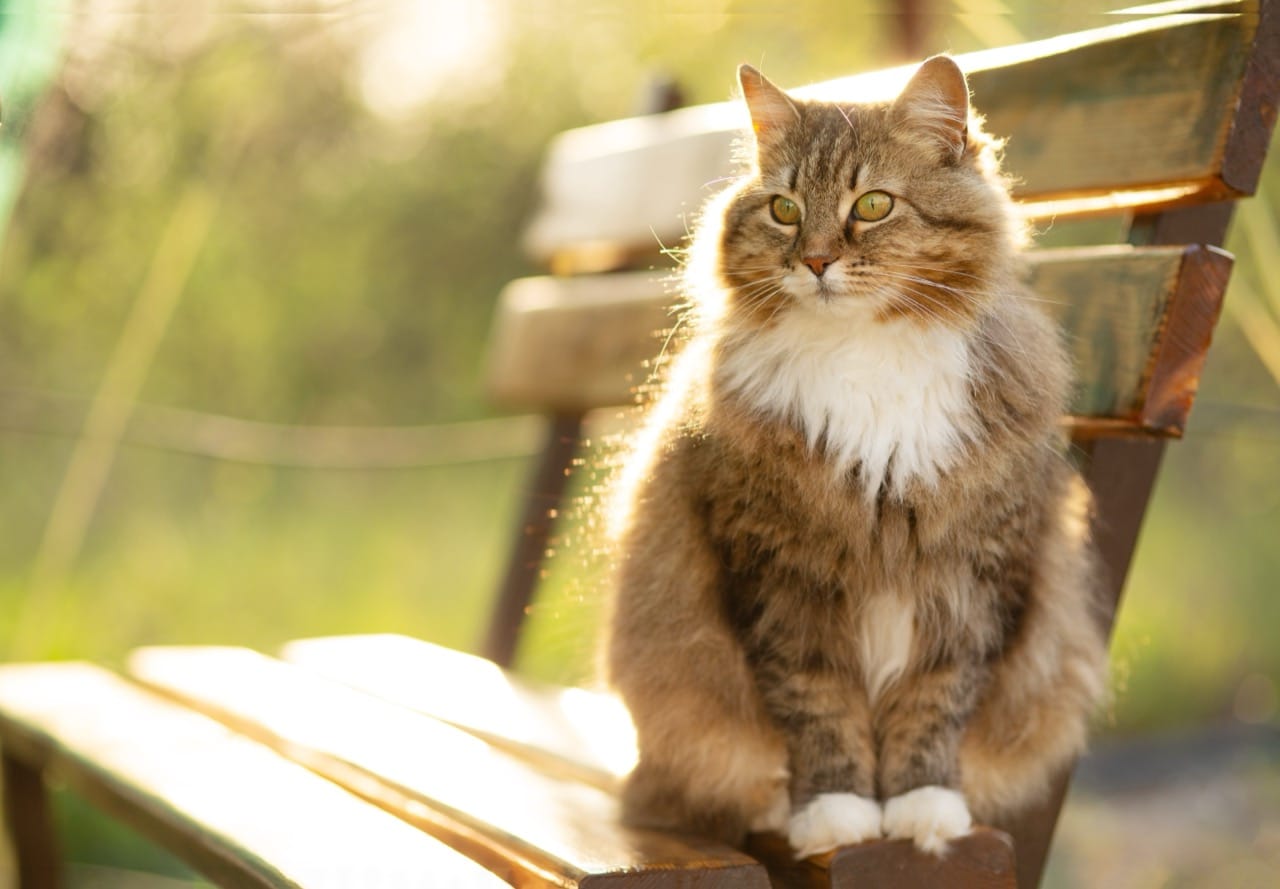
Introduction Cats have a way of acting like they own the place even when they are the newest resident. They can be elegant one moment and completely ridiculous the next, sprinting through a hallway as if chased by invisible gremlins. Behind that mix of mystery and comedy is a real set of biological talents, communication tricks, and a surprisingly long shared history with humans.
How cats became our companions Unlike many domestic animals, cats were never bred to follow orders or work in teams. Most researchers trace cat domestication to the Near East around 9,000 to 10,000 years ago, when early farming communities attracted rodents. Wildcats that tolerated people gained easy access to prey, while humans benefited from pest control. Over time, a loose partnership formed. In ancient Egypt, cats became symbols of protection and were associated with deities, which helped elevate their status from useful hunter to cultural icon. Today, that independent origin still shows in their behavior: many cats cooperate on their own terms.
Built for stealth and athleticism A cat’s body is engineered for short bursts of precision. Their flexible spine and powerful hind legs help them jump several times their own height. Their collarbone is not fixed like a human’s, allowing their shoulders to compress so they can squeeze through narrow spaces. Whiskers are not just decorations; they are sensitive tools that detect air movement and help a cat judge openings and navigate in low light. Their eyes are adapted for dusk and dawn hunting, with a reflective layer that boosts available light. That is why cats often see better than humans in dim conditions, though they do not see fine detail as well at a distance.
The language of tails, ears, and purrs Cats communicate with a full-body vocabulary. A tail held upright often signals friendly confidence, while a puffed tail is a classic fear response meant to look bigger. Ears rotated sideways or flattened can indicate anxiety or irritation, and slow blinking is widely seen as a relaxed, trusting gesture. Vocalizations vary: meows are used heavily with humans, while adult cats tend to use more scent and body language with other cats. Purring is especially fascinating. Many cats purr when content, but they may also purr when stressed or in pain, possibly as a self-soothing mechanism. Some studies suggest purr vibrations may even support tissue healing, though the full story is still being researched.
Scent, territory, and the daily routine Cats rely on scent more than people realize. They mark familiar places with cheek rubbing and scratching, leaving both visual signals and scent from glands in their paws. This helps them feel secure and organize their environment. Their love of routine is not just stubbornness; predictability reduces stress for an animal that is both predator and potential prey in nature. Enrichment matters, especially indoors: climbing spots, puzzle feeders, and play that mimics hunting can reduce boredom and unwanted behaviors.
Records, myths, and modern cat culture Cats have inspired myths, memes, and world records. The largest domestic breeds can look almost wild, while the smallest adult cats can fit in a teacup. Despite the stereotype that cats are solitary, many form strong bonds with people and even with other pets. They may greet you at the door, follow you from room to room, or hold long conversations in chirps and trills.
Conclusion Knowing cat facts makes living with them more fun and often easier. Their history explains their independence, their bodies reveal why they climb and pounce, and their communication shows that they are always saying something even when they are silent. Whether your quiz answers come from experience or surprise discoveries, one thing is clear: cats are a blend of ancient hunter, clever roommate, and accidental comedian.
.jpg "Truth or Tail Feline Mythbuster Quiz")