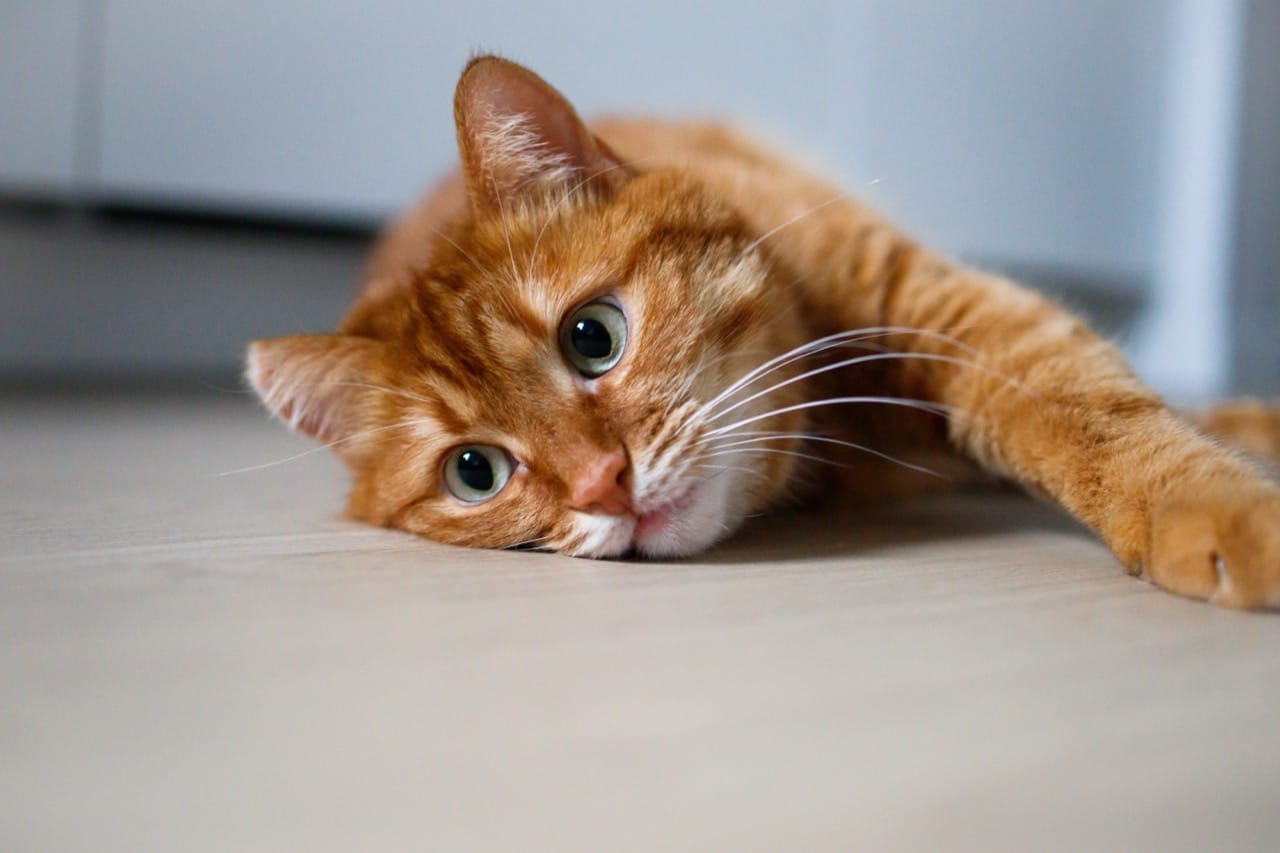

Introduction Cats can look like effortless couch ornaments, but behind the slow blinks and long naps is a compact predator built for precision. Their quiet movement, quick reactions, and odd habits, like claiming a cardboard box as a royal seat, come from biology shaped by hunting. Understanding how cats sense the world and communicate helps explain why they behave the way they do, and why they can seem mysterious even to people who live with them.
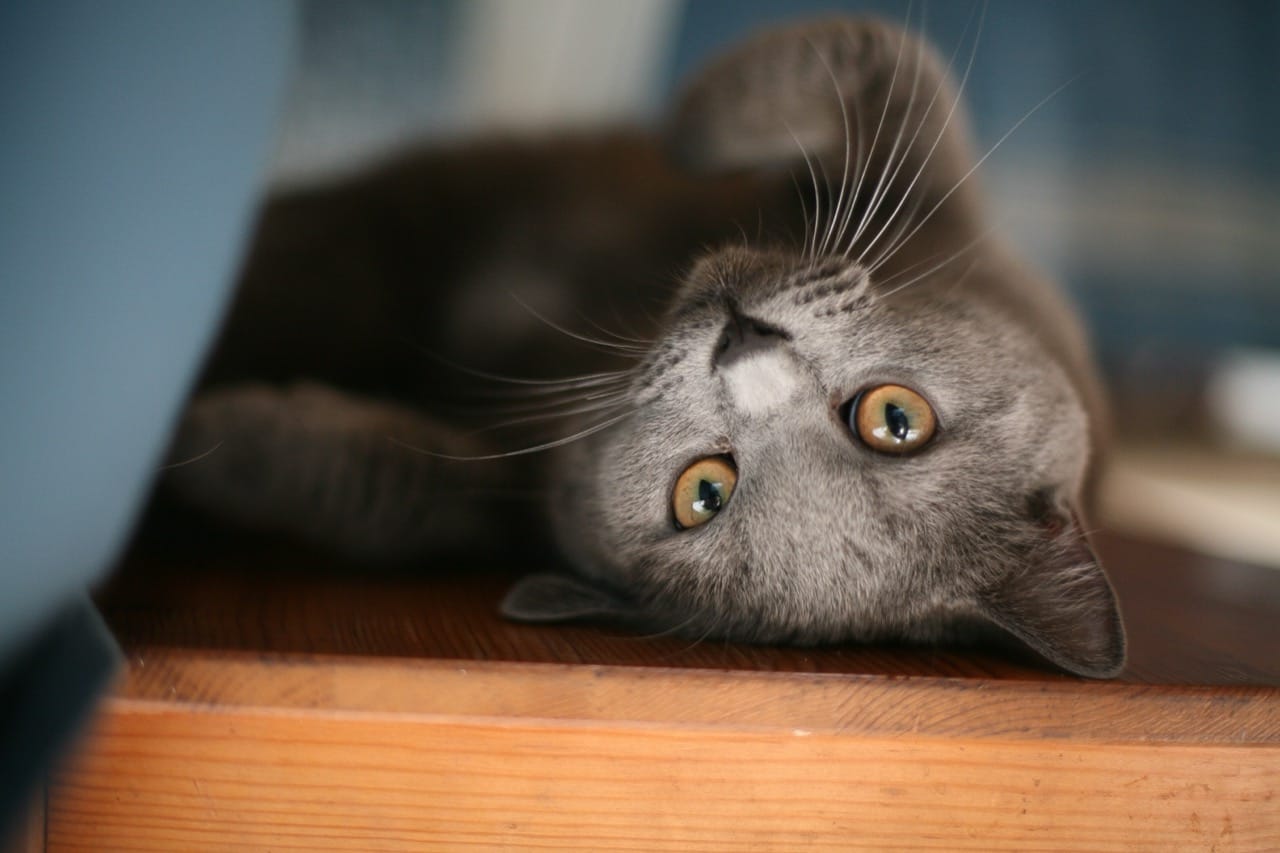
Senses built for close range hunting A cat’s eyes are tuned for low light, not for seeing in total darkness. They have a reflective layer behind the retina that boosts available light, which is why their eyes can shine in a dim room. Their vision is especially good at detecting motion, which matters for tracking small prey. Up close, their focus is less sharp than a human’s, so scent and touch fill in the details.
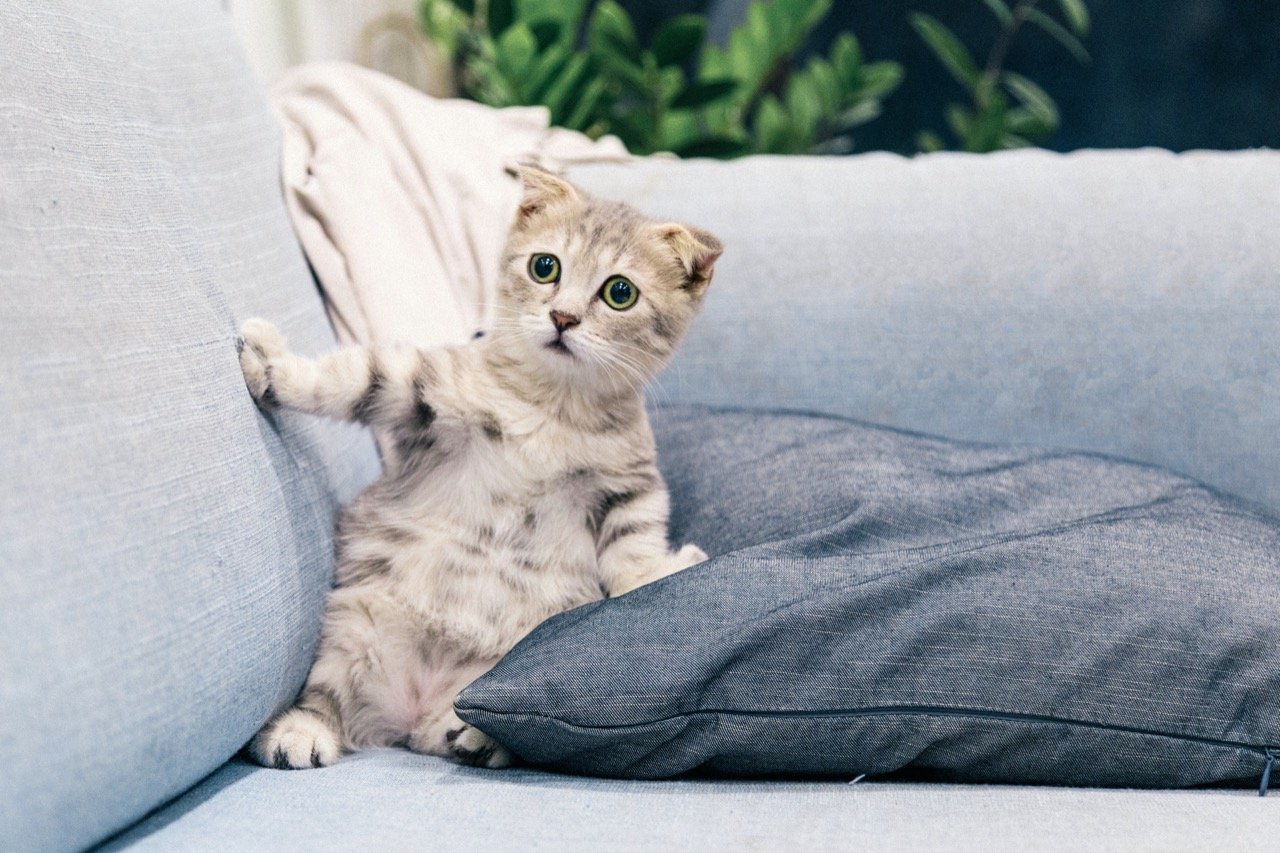
Ears are another major advantage. Cats can rotate their ears to pinpoint faint sounds, helping them locate a moving target without turning their whole body. Hearing and vision work together during a hunt: ears narrow down the direction, then the eyes lock onto movement. Add in sensitive facial whiskers, which act like touch sensors for measuring gaps and detecting air currents, and you get a hunter that can navigate tight spaces and judge distances with confidence.
Silent paws and lightning reflexes Cats walk on their toes, which makes their steps quiet and springy. Their flexible spine and powerful back legs allow sudden bursts of speed and impressive jumps. The classic pounce is a carefully timed sequence: crouch, focus, hind legs load like springs, then a fast launch with claws ready to grip. Their righting reflex, the ability to twist midair and land on their feet, is real, although it is not a guarantee of safety. Falls can still cause serious injuries, especially from heights where they have time to reach high speed.
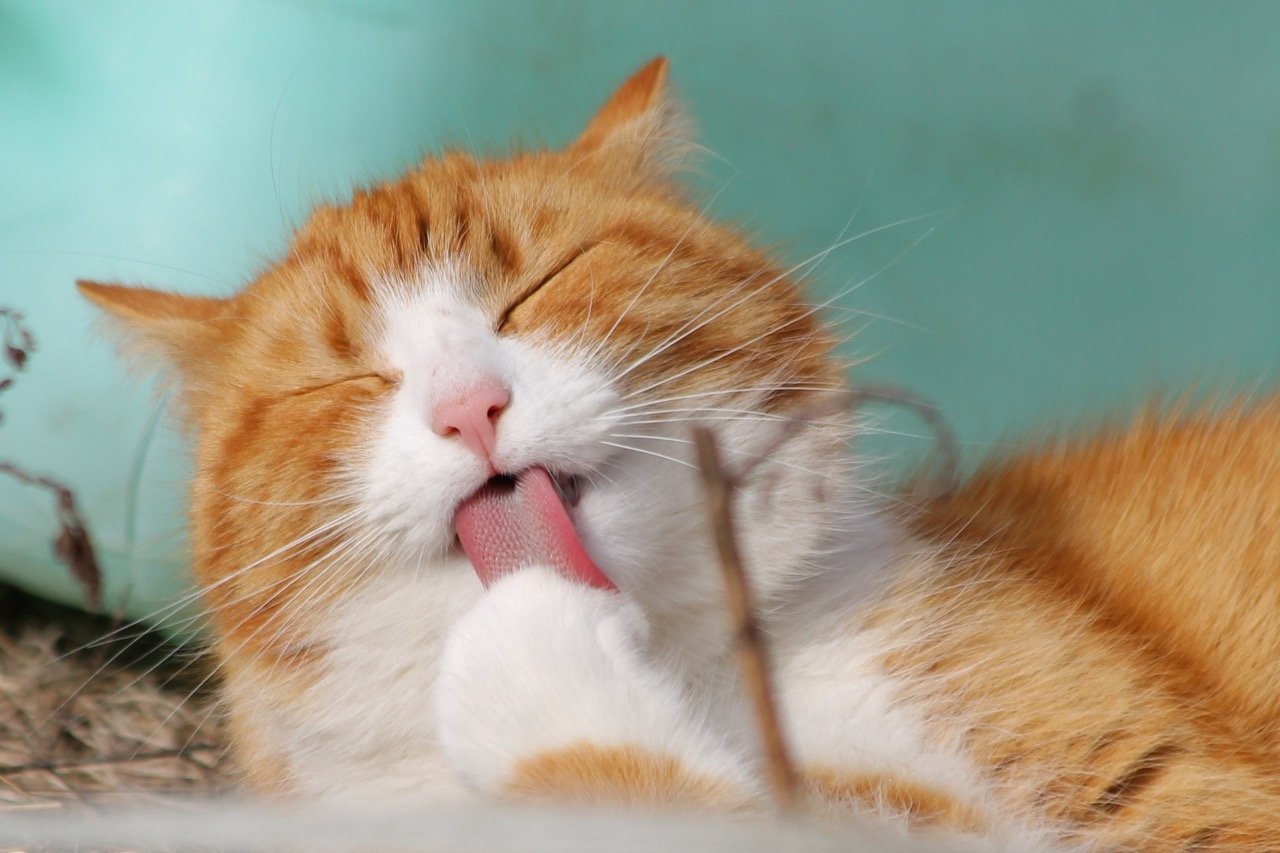
Grooming, scent, and subtle communication Cats spend a lot of time grooming, and it is not only about looking tidy. Licking spreads saliva that helps cool them, removes loose fur, and distributes oils that protect the coat. Grooming can also be a stress reliever. When cats groom each other, it often signals social bonding, but it can also be a way to reinforce status within a group.
Cats communicate heavily through scent. They have scent glands on the face, paws, and tail area, and they leave chemical messages by rubbing, scratching, and even sitting in favorite spots. That is one reason a box or a chair can become a prized territory marker. Their vocalizations are famously varied, but many meows are aimed at humans rather than other cats. Purring usually suggests comfort, yet cats may also purr when anxious or in pain, possibly as a self soothing mechanism.
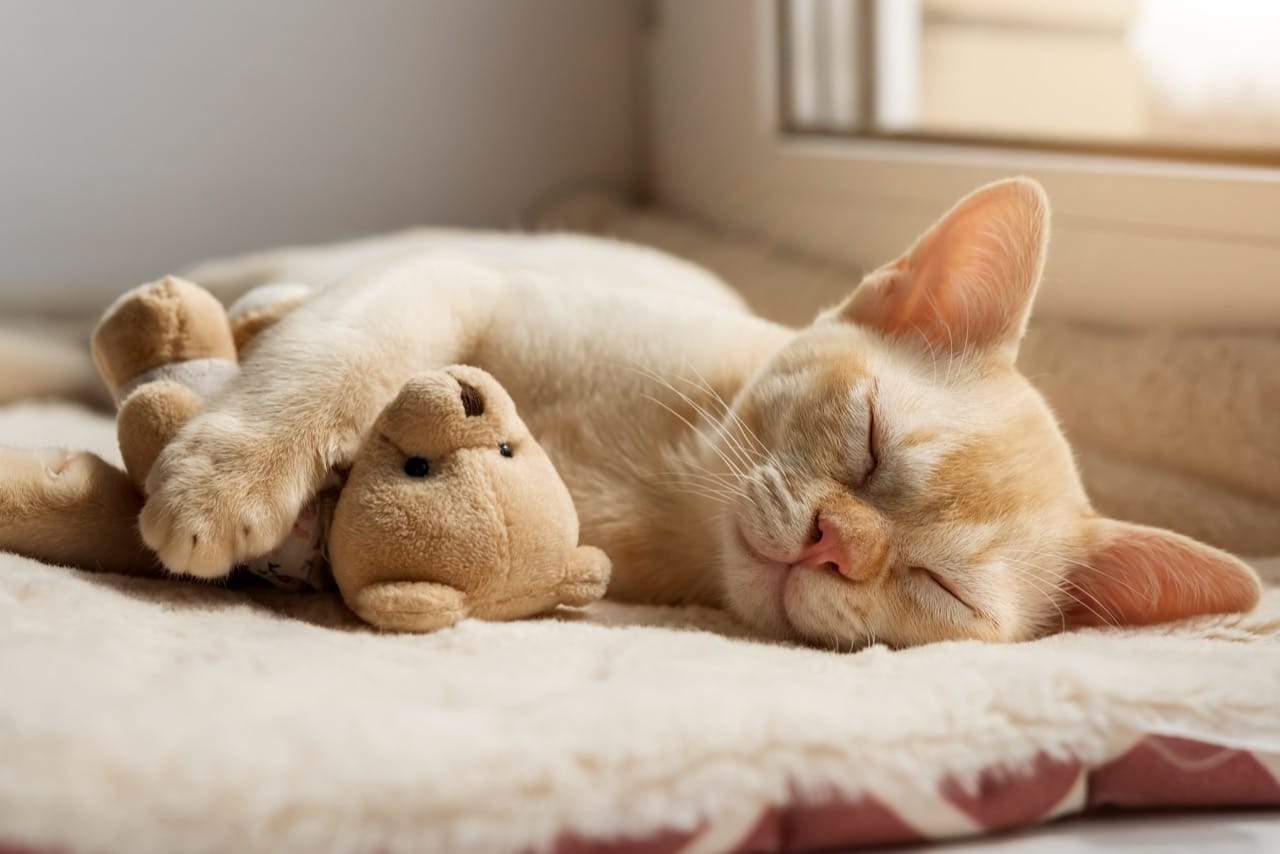
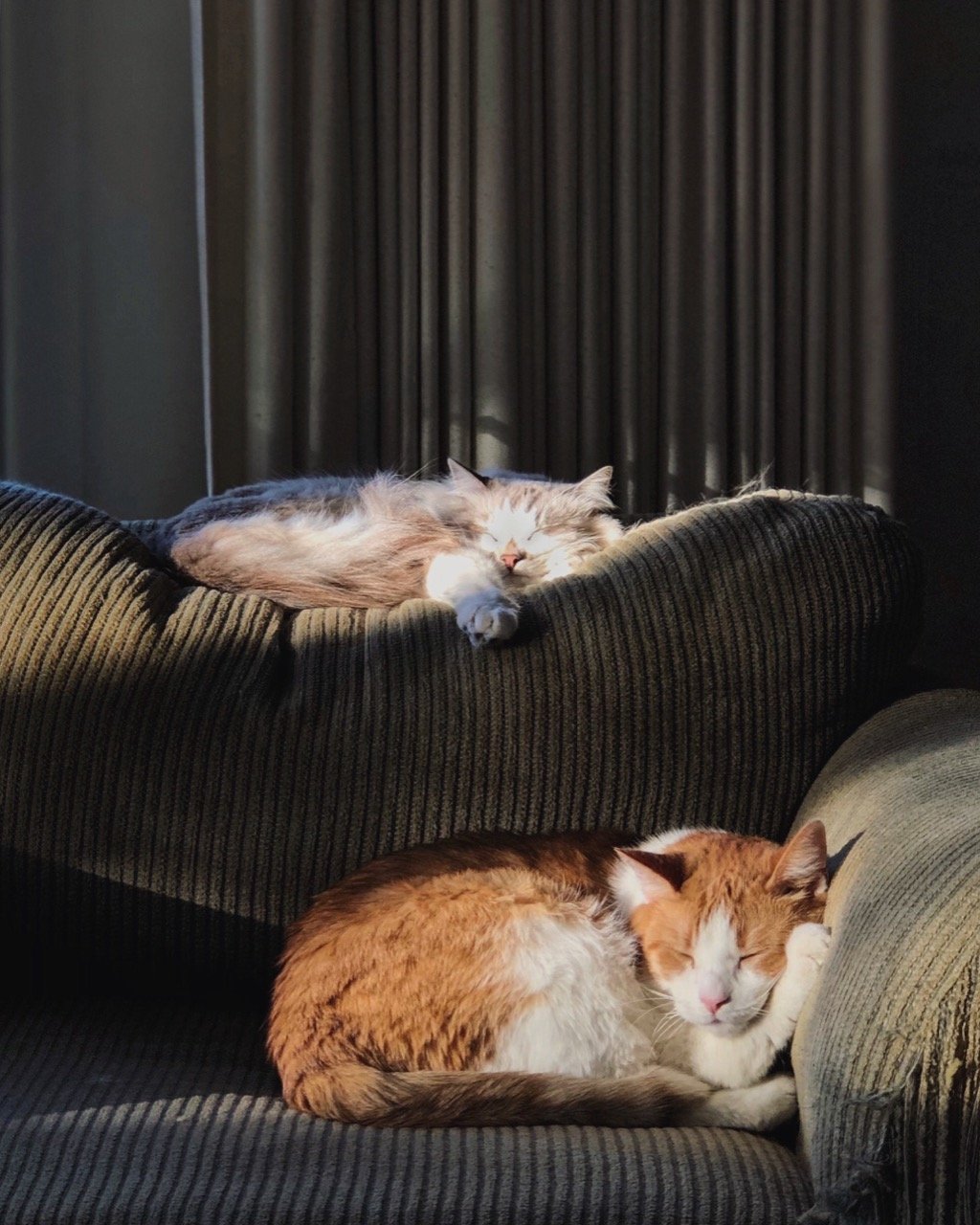
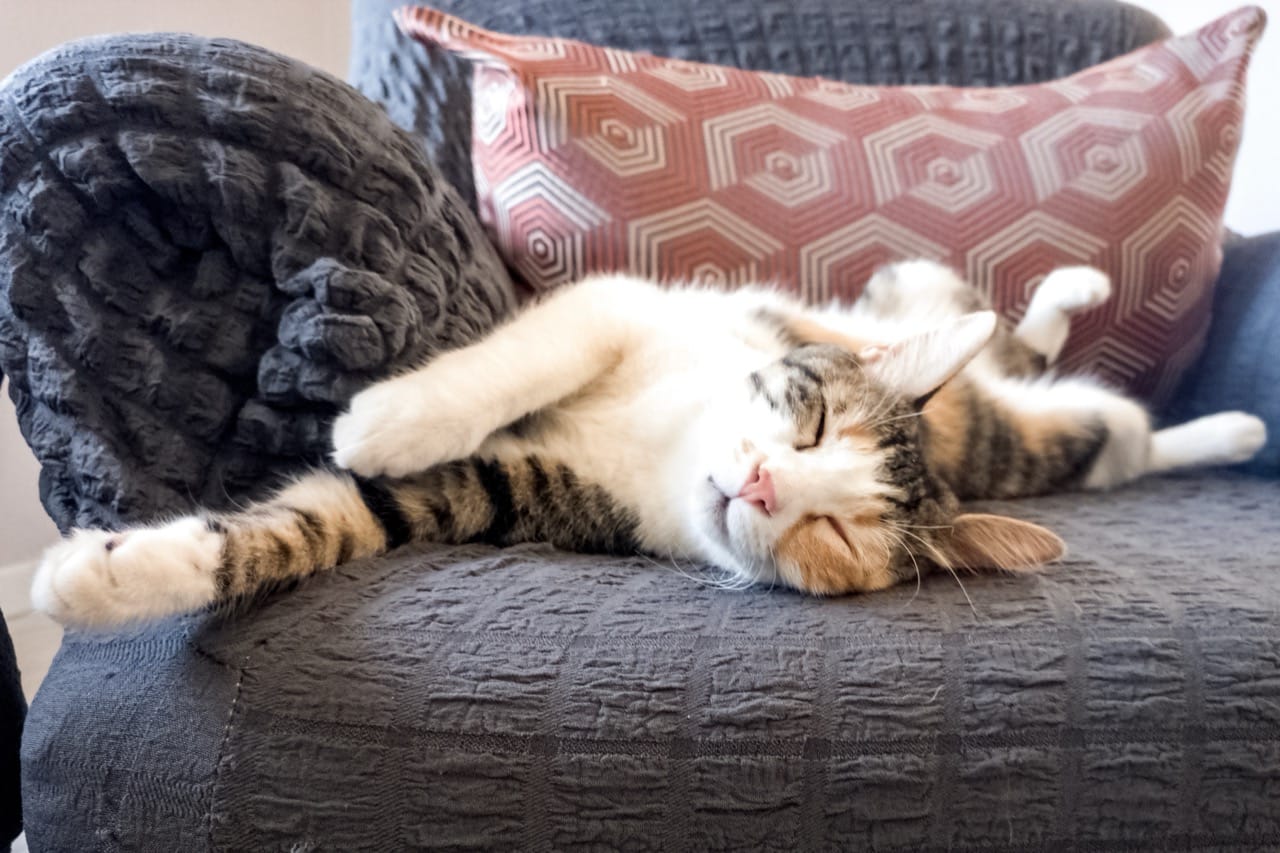
Why they nap so much Cats are built for short, intense effort, not endurance. Sleeping and resting conserve energy for hunting style bursts of activity. Even indoor cats that never chase prey still carry that rhythm. They may sleep many hours a day, but the sleep is often light and interruptible, keeping them ready to react to sounds or movement.
Conclusion The charm of cats comes partly from the contrast between their relaxed lifestyle and their finely tuned hunting toolkit. Their eyes, ears, whiskers, and athletic bodies are designed for stealth and accuracy, while their grooming, scent marking, and quiet signals create a subtle social world. The next time a cat claims a box, vanishes into a nap, or flicks an ear toward a tiny sound, you are seeing a small predator doing exactly what evolution prepared it to do, just in a living room instead of the wild.
.jpg "Truth or Tail Feline Mythbuster Quiz")