



Introduction Cats can seem like small mysteries with fur: quiet one moment, sprinting through the hallway the next, then curling up as if nothing happened. Many well known cat facts are true, but a few are oversimplified or misunderstood. Learning what is really going on behind whiskers, purring, sleep habits, and supercharged senses makes everyday cat behavior more fascinating and helps you understand why cats do what they do.
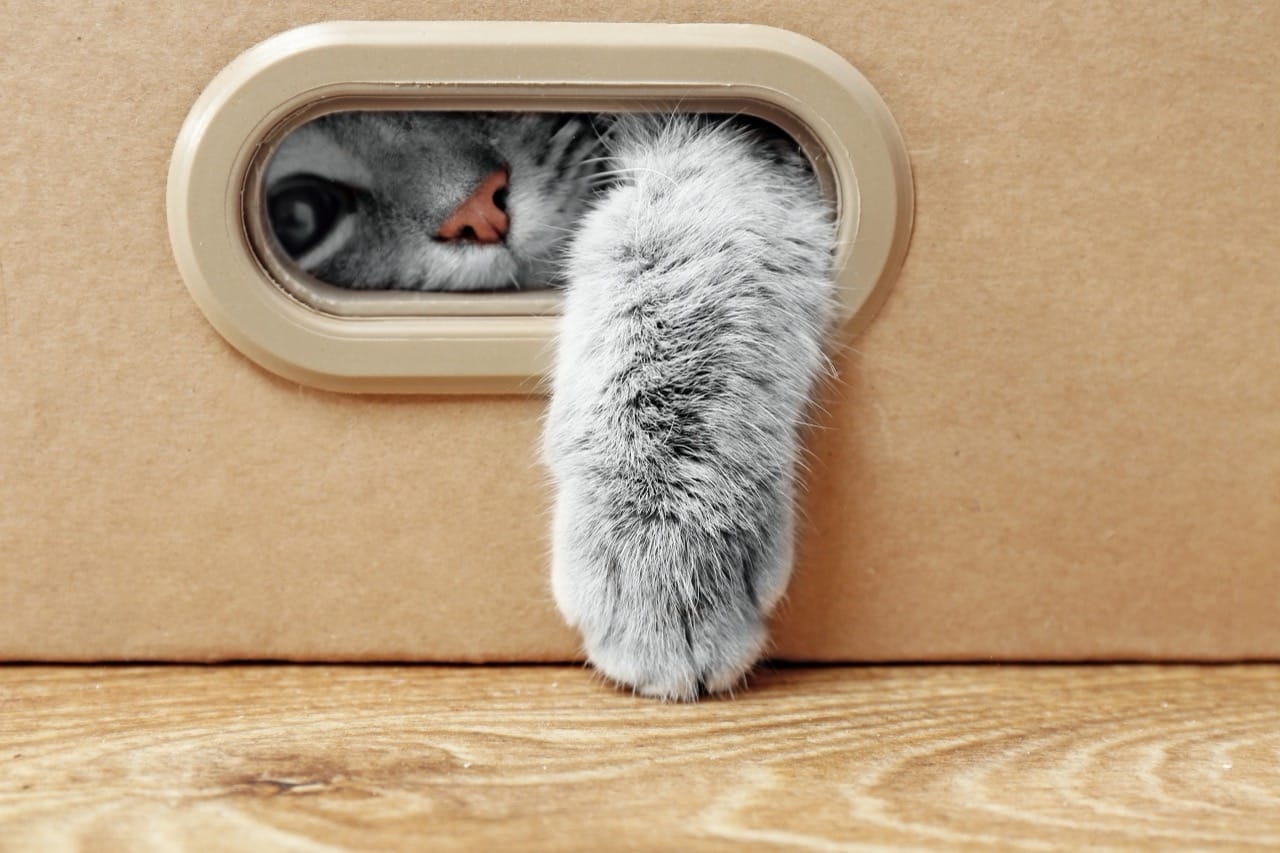
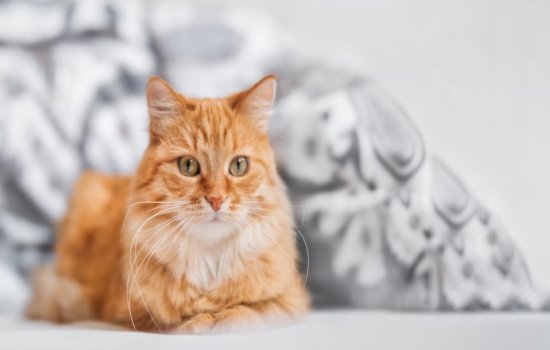
Whiskers and the built in measuring tape A cat’s whiskers are not just long hairs. They are specialized sensory tools connected to nerves that deliver detailed information about the world. Whiskers help cats detect subtle air currents and judge the position of nearby objects, which is especially useful in low light. A popular rule of thumb is that a cat’s whiskers are roughly as wide as its body, helping it estimate whether it can fit through a gap. While not a perfect measuring system, whiskers do provide feedback that helps cats navigate tight spaces and avoid bumping into things when visibility is poor. That is also why trimming whiskers is a bad idea: it can leave a cat disoriented and less confident.
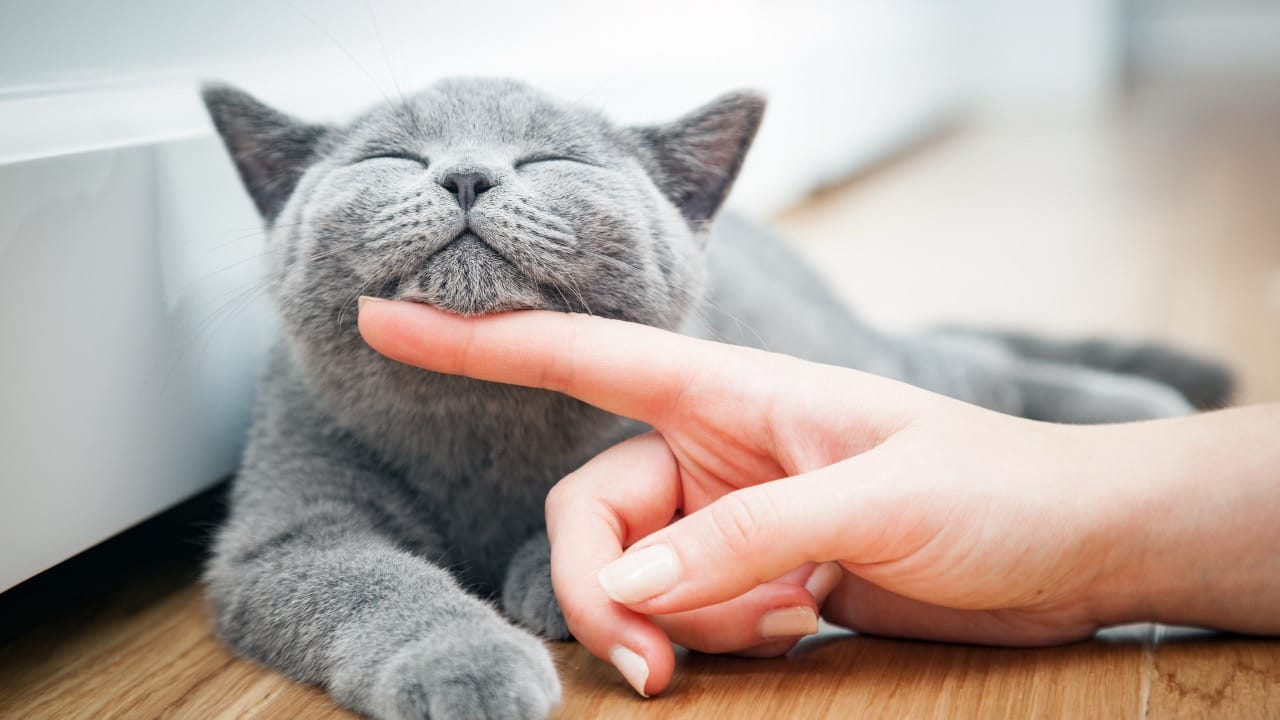
Purring: comfort, communication, and possibly healing Purring is often treated as a sign of happiness, and it can be. Cats commonly purr when they are relaxed, being petted, or settling down to sleep. But cats also purr when they are stressed, injured, or at the veterinarian. One explanation is that purring is a self soothing behavior. Another intriguing idea is that the vibration frequencies involved in purring may support tissue repair and bone strength. Research has suggested that certain low frequencies can promote healing in other contexts, but purring should not be seen as a medical treatment. The key takeaway is simple: purring means something is happening emotionally or physically, not always that everything is fine.
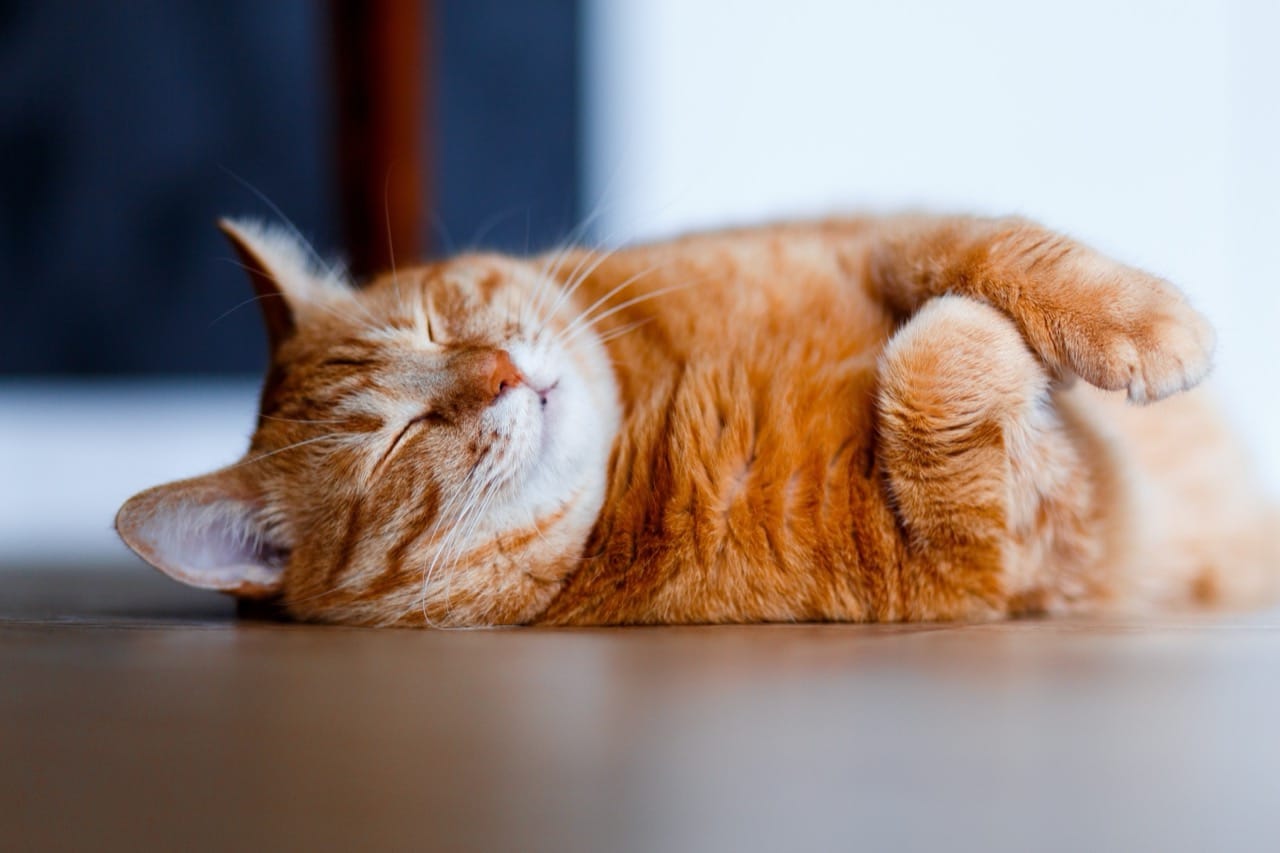
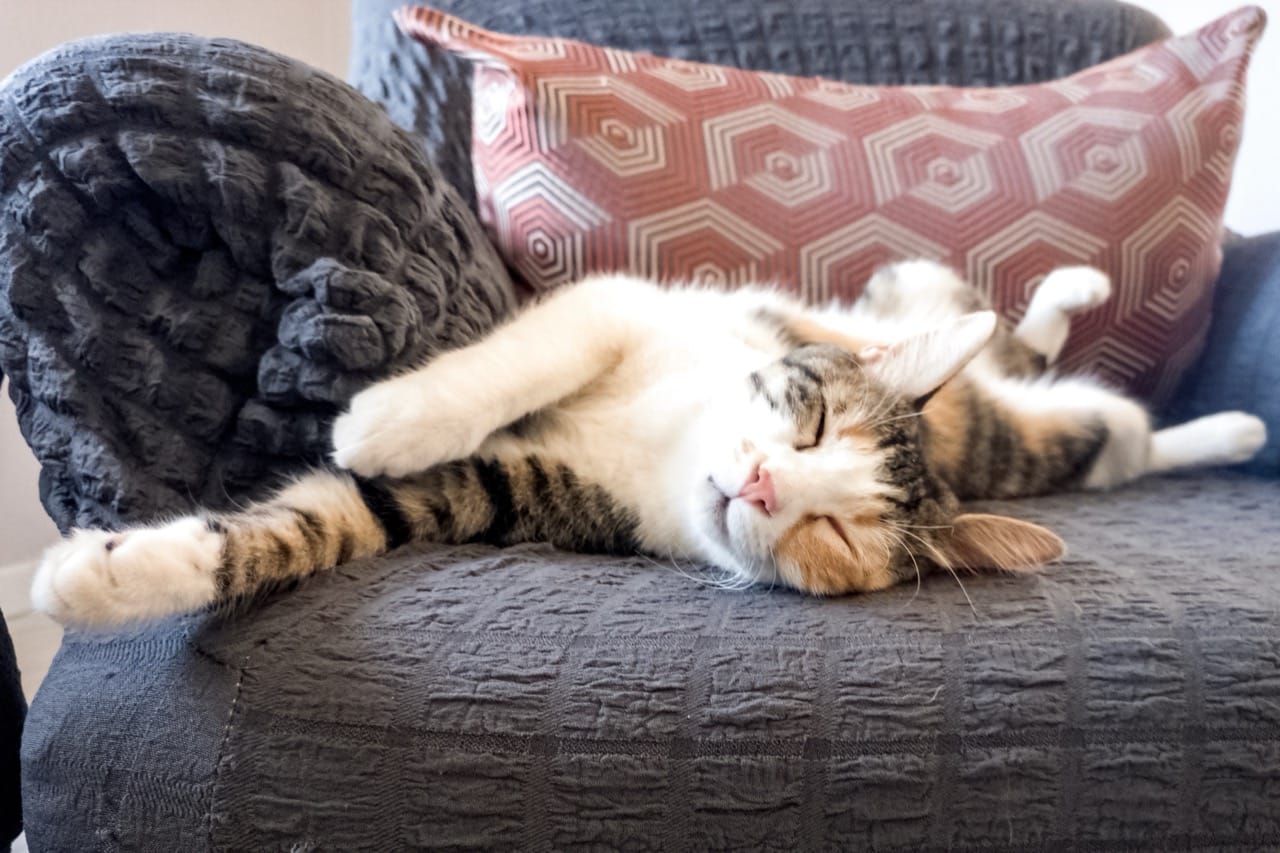
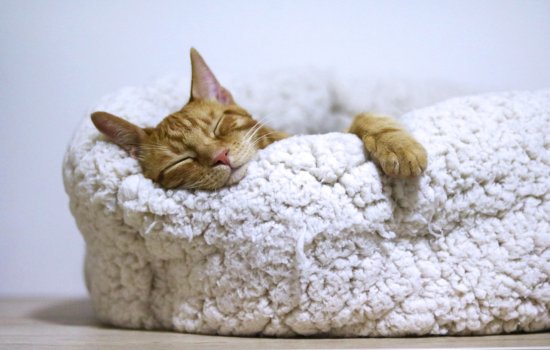
Sleep habits: why cats snooze so much If it seems like cats sleep all day, you are not imagining it. Many cats sleep around 12 to 16 hours in a 24 hour period, sometimes more depending on age and health. This is tied to their identity as hunters. Cats are built for short bursts of intense activity, and rest helps them conserve energy. Domestic cats also tend to be crepuscular, meaning they are most active around dawn and dusk, which matches the activity patterns of many small prey animals.
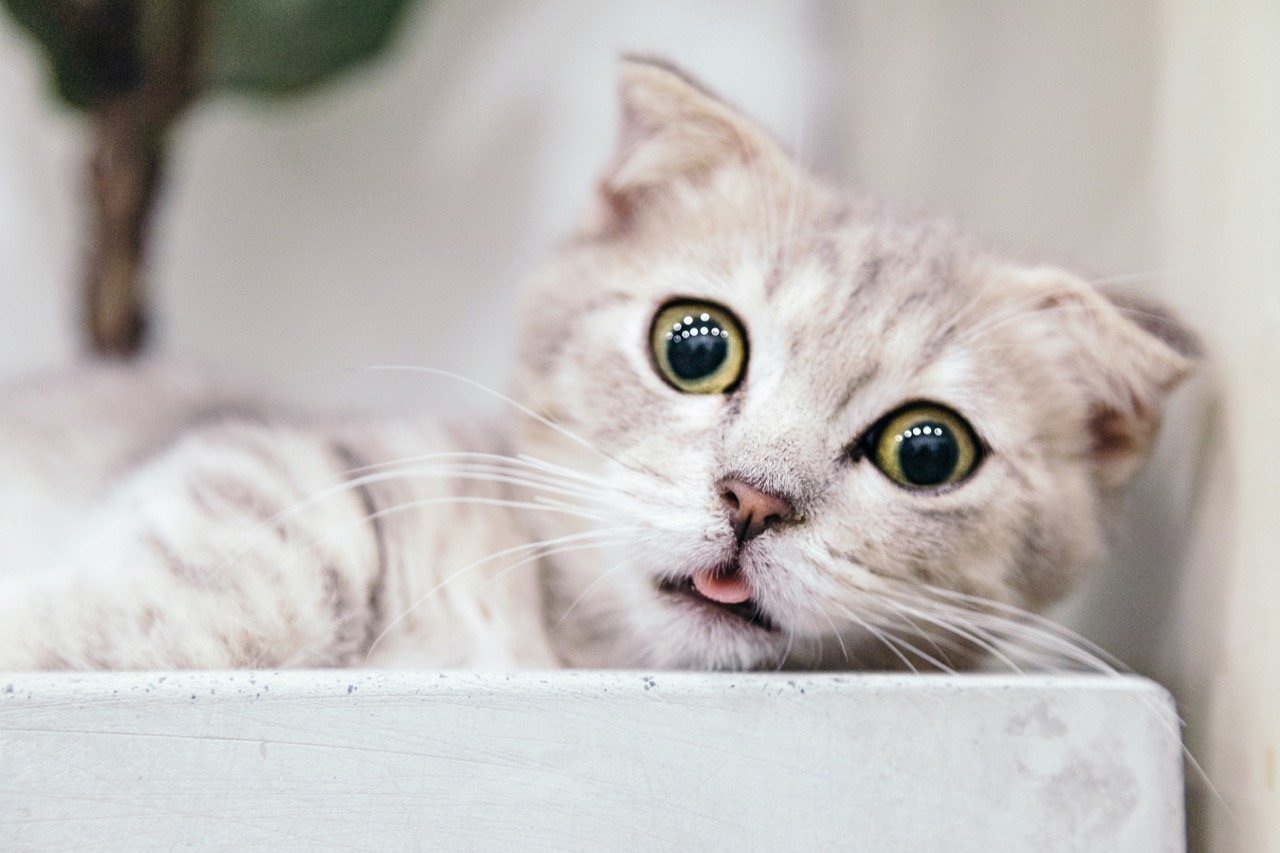
Senses and the stealth hunter toolkit Cats have excellent night vision compared with humans, though they still need some light to see. Their eyes are adapted to pick up motion and work well in dim conditions. Hearing is another feline superpower: cats can detect high frequency sounds, which helps them locate small animals. Their sense of smell is strong too, and they also use a lesser known system called the vomeronasal organ to process certain chemical signals. You might notice this when a cat makes a slightly open mouthed expression after sniffing something interesting, as if it is tasting the air.
How cats moved in with humans Unlike some animals that were heavily shaped by deliberate breeding early on, cats likely domesticated themselves to a degree. As humans began storing grain, rodents gathered, and wild cats that tolerated people had an easy food source. Over time, the cats that were calmer around human settlements did better, and a partnership formed. Many modern cats still carry that independent streak, which is part of their charm.
Conclusion The next time a cat threads through your legs, naps in a sunbeam, or chatters at a bird outside the window, there is real biology behind the behavior. Whiskers are sensory instruments, purring is a complex signal, sleep is an energy strategy, and their senses are fine tuned for hunting. Knowing these facts turns everyday moments into small discoveries, and it makes the quiz questions feel less like trivia and more like a tour of what makes cats so uniquely captivating.


.jpg "Truth or Tail Feline Mythbuster Quiz")