
.jpg)




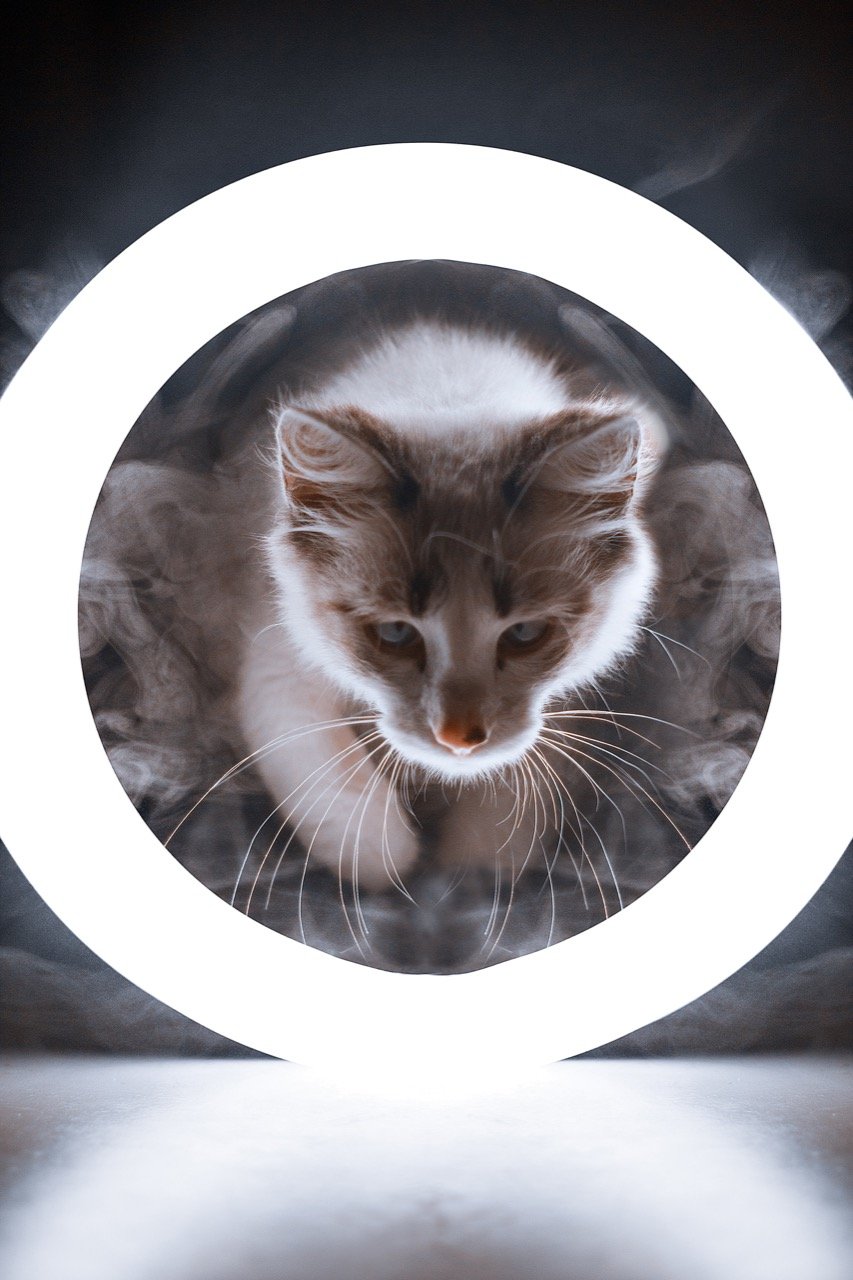







Cats can feel like mysterious little roommates, but much of what they do is rooted in biology, evolution, and a long history alongside humans. Understanding a few key facts about their senses, sounds, and daily rhythms can make their quirks feel less random and a lot more fascinating.
A cat’s senses are tuned for hunting. Their eyes are built for low light, which is why they often seem most confident at dawn or dusk. They do not see the world exactly as humans do, and their color vision is more limited, but they are excellent at detecting motion. Their hearing is also remarkably sensitive, especially at higher frequencies, helping them locate small prey. Then there are whiskers, which are not just decorative. Whiskers are specialized hairs connected to nerves and can detect subtle air currents and nearby surfaces. This helps cats judge whether they can fit through a gap and navigate in the dark. Because whiskers are so sensitive, some cats dislike bowls that press on them, a discomfort often called whisker fatigue.
Sleep is another common source of cat myths. Cats are famous for long naps, often sleeping 12 to 16 hours a day, and sometimes more. This is not laziness so much as energy strategy. Cats are predators that rely on short bursts of intense activity, so they conserve energy in between. Much of their sleep is light dozing, allowing them to wake quickly if something changes. If your cat becomes suddenly much sleepier than usual or unusually restless, it can be a sign of stress or health issues and is worth monitoring.
Purring is one of the most beloved cat sounds, but it is not a simple happiness signal. Cats often purr when content, yet they may also purr when anxious, injured, or seeking comfort. Researchers think purring can serve as a self soothing behavior and may even help with healing, since the vibrations fall within frequency ranges associated with bone and tissue repair in some studies. Meowing, on the other hand, is largely a cat to human communication tool. Adult cats rarely meow at each other; many reserve it for interacting with people, and some learn which sounds get the quickest response.
Cats communicate with their whole bodies. A slowly blinking cat is often showing relaxed, friendly intent. A tail held upright can signal confidence, while a puffed tail usually indicates fear or agitation. Kneading, the rhythmic pushing of paws, is linked to kittenhood nursing behaviors and can be a sign of comfort. Even the famous midnight zoomies have an explanation: cats are naturally crepuscular, meaning they are most active around twilight, and indoor cats may release pent up energy when the house is quiet.
Cats also carry a surprising amount of history. Their relationship with humans likely grew from mutual benefit, with cats controlling rodents around early farms and settlements. Over time, selective breeding created many of today’s recognizable breeds, but most domestic cats still share strong instincts with their wild relatives.
Knowing the science behind cat behavior makes the quiz more than a test of trivia. It turns everyday moments, a purr on the couch, a whisker twitch, a sudden sprint down the hallway, into clues about how cats experience the world. The more you understand those clues, the better you can meet your cat where they are and appreciate just how remarkable they really are.





.jpg "Truth or Tail Feline Mythbuster Quiz")