


Introduction Cats can look like they are calmly supervising your home, but under that relaxed pose is a finely tuned hunter with a long history of living alongside people. Cat trivia is fun because it often explains everyday mysteries: why they sprint at midnight, stare at walls, or knead blankets like tiny bakers. The facts behind cat anatomy, behavior, and communication are not just cute, they are practical biology.
Anatomy: Built for precision A cat’s whiskers are not just decoration. They are specialized touch sensors rooted deep in the skin and connected to nerves, helping cats judge spaces, detect air currents, and navigate in low light. That is one reason trimming whiskers can be stressful; it removes a key information source. Toe pads and paw structure also do more than provide quiet footsteps. The soft pads cushion jumps, improve traction, and contain scent glands that leave subtle chemical messages when a cat scratches or steps on favorite routes.
Cats are famous for their agility because of a flexible spine and a collarbone that is not rigidly attached like ours. This allows a longer stride and impressive midair adjustments. Their inner ear and balance system help them land on their feet in many falls, although it is not magic. Height, surface, and health matter, and falls can still cause serious injuries.
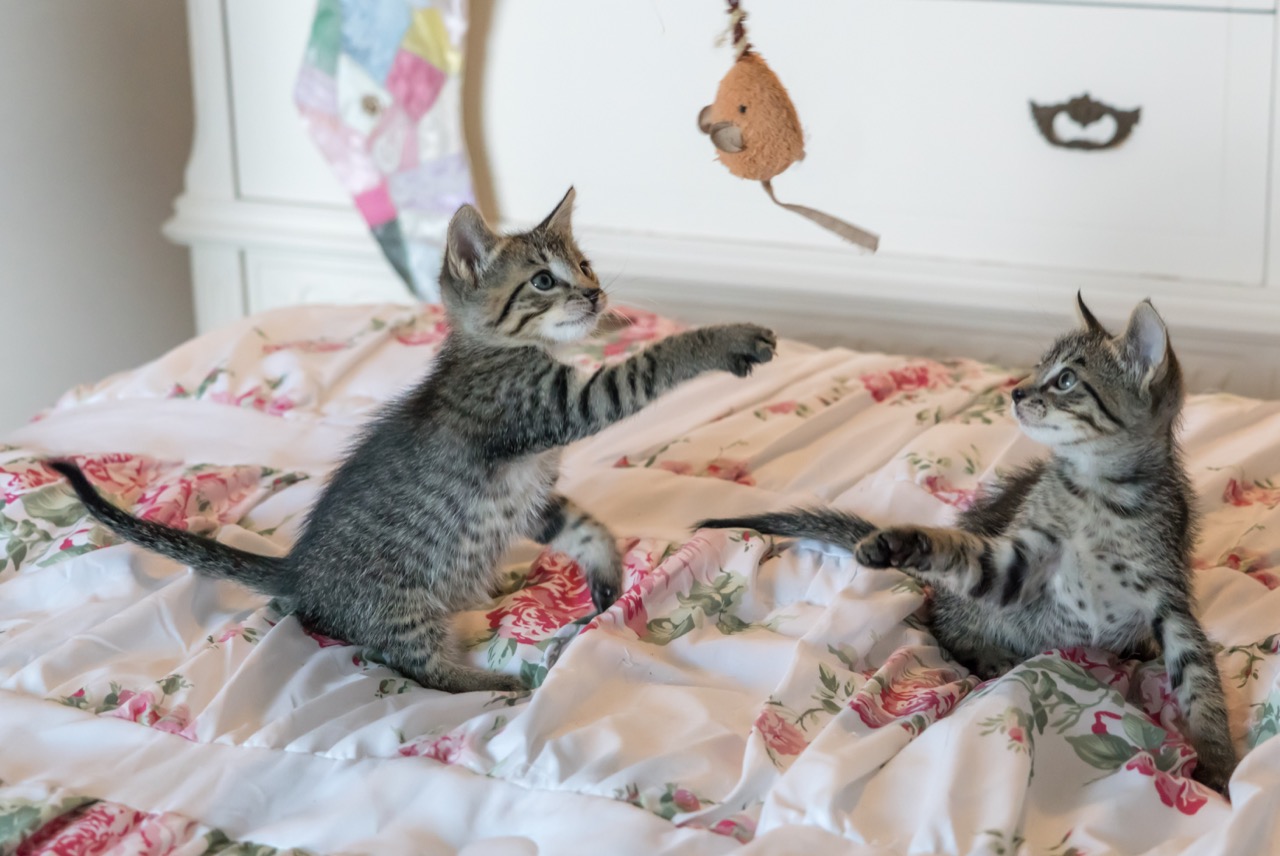
Behavior: The logic of zoomies and kneading Those sudden bursts of energy, often called zoomies, are a normal outlet for a predator that spends much of the day resting. In the wild, cats conserve energy between hunts, then switch on instantly. Indoor cats may need play sessions to satisfy that same drive. Kneading is another common behavior with deep roots. Kittens knead their mother’s belly to stimulate milk flow, and many adult cats keep the habit as a sign of comfort and security. Some cats even drool or purr intensely while kneading, showing they feel safe.
Communication: More than meows Cats communicate with a mix of scent, posture, and sound. Interestingly, many adult cats rarely meow at other cats. Meowing is often directed at humans, and cats learn which sounds get results. Purring is usually associated with contentment, but cats may also purr when stressed, injured, or seeking comfort. Think of it as a tool that can signal relaxation or self-soothing depending on context.
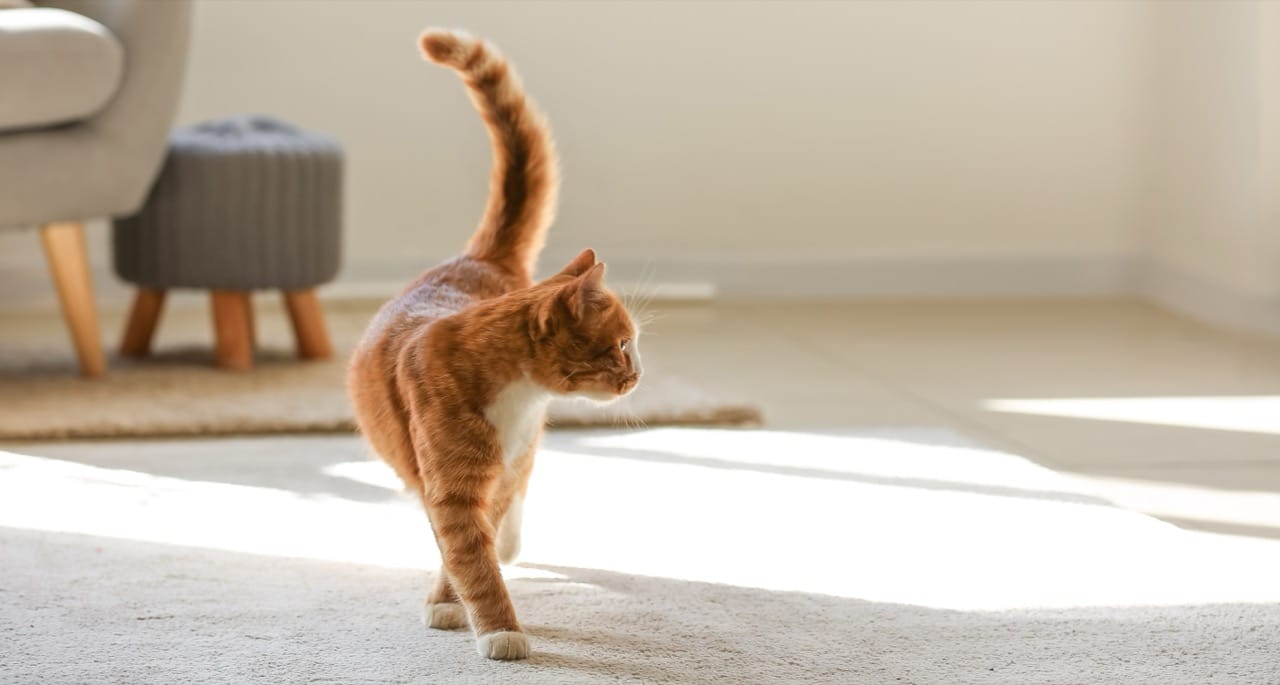
Tail position, ear angle, and slow blinking are also important signals. A high, gently curved tail often suggests friendly confidence, while flattened ears and a twitching tail can warn that a cat is overstimulated. Slow blinks are frequently a sign of trust. Many people return a slow blink as a calm greeting.
History and records: From granaries to global icons Domestic cats likely began their close relationship with humans when early farming communities stored grain, attracting rodents and, in turn, wildcats. Cats that tolerated people had a steady food source, and humans benefited from pest control. Over time, this partnership spread across continents. Today’s cat breeds are a recent development compared with dogs, and many cats worldwide are still mixed-breed, shaped more by local environments than by formal breeding.
Conclusion Cat trivia works best when it connects science to the daily surprises of living with a cat. Whiskers explain the careful doorway pause, toe pads support silent stalking, and zoomies reveal a hunter’s schedule hiding in a house pet’s body. The more you learn, the more that innocent face on the couch starts to look like a clever, well-adapted animal that has been studying humans for a very long time.

.jpg "Truth or Tail Feline Mythbuster Quiz")