

Introduction Cats can move through a home like quiet shadows, then explode into a burst of speed for no obvious reason. That mix of mystery and precision is part of what makes them such fascinating companions. Behind the dramatic stares and sudden zoomies are clear biological needs and a rich set of signals. Understanding how cats sense the world, communicate, and stay healthy can make daily life calmer, safer, and more fun for everyone.
Senses and body language A cat experiences your living room as a map of smells, sounds, and movement. Their hearing is tuned for high pitched noises, which helps explain why a crinkling treat bag can summon them instantly. Vision is excellent in low light, but they do not see in total darkness. Their whiskers are not just decoration. They are sensitive tools that detect air currents and help judge whether a space is wide enough to squeeze through. If whiskers are repeatedly pressed against a narrow bowl, some cats become reluctant to eat, so a wider, shallow dish can help.
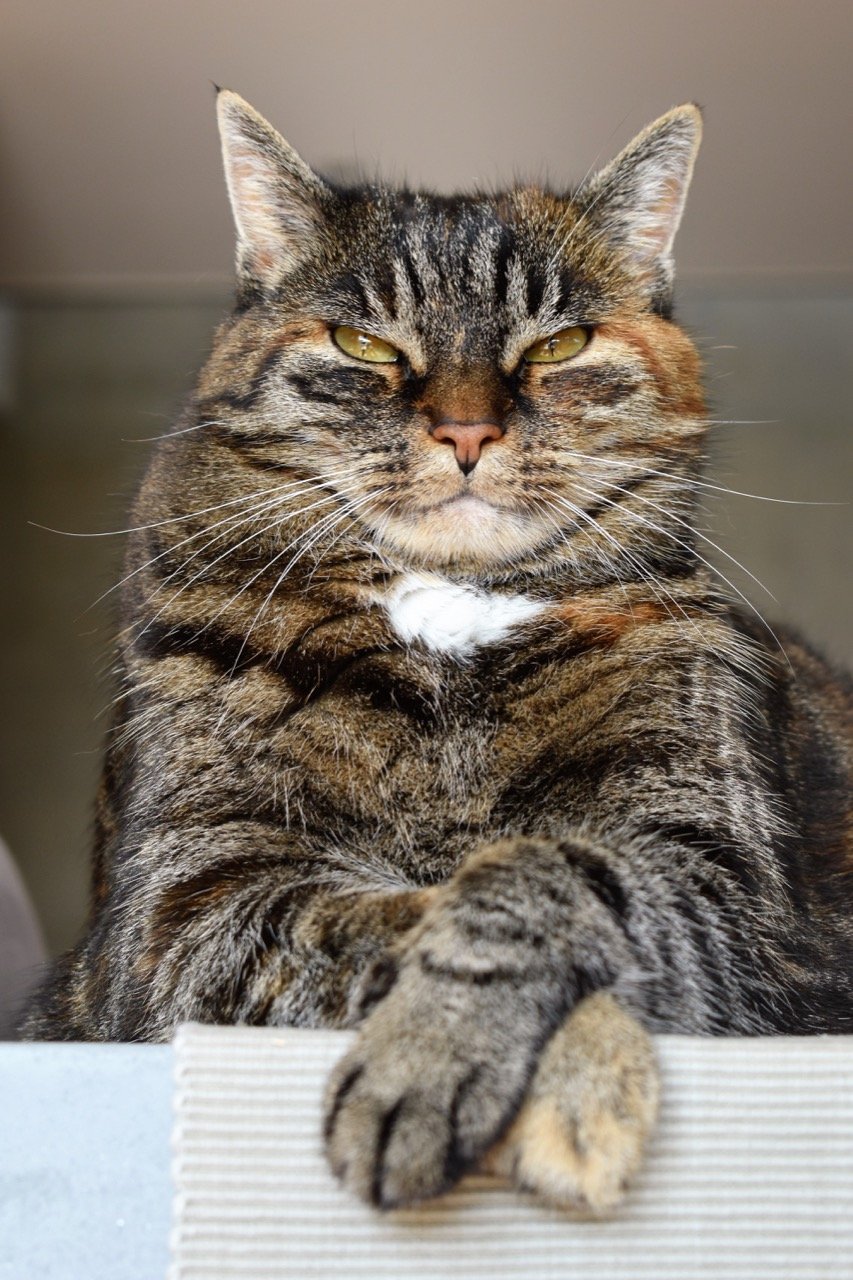
Body language is a full sentence made of tail, ears, posture, and eyes. A tail held upright often signals friendly confidence, while a puffed tail and arched back are classic fear responses. Slow blinking is a sign of comfort and trust. You can return a slow blink to communicate that you are relaxed. Purring usually means contentment, but cats may also purr when stressed or in pain, so context matters.
Daily needs: nutrition and hydration Cats are obligate carnivores, meaning they rely on nutrients found primarily in animal tissue. High quality protein is essential, and many cats do well with diets that avoid excessive fillers. Portion control matters because indoor cats can gain weight quickly, which raises risks for diabetes and joint problems.
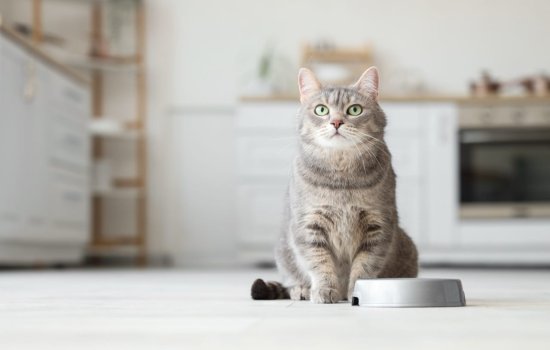
Hydration is a common challenge. Cats naturally have a low thirst drive, so they may not drink enough from a bowl. Wet food can increase water intake, and some cats prefer running water, making a fountain a useful tool. Keep water away from the litter box and consider placing multiple water stations in quiet locations.
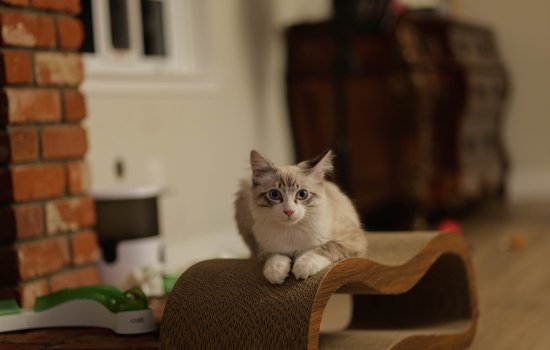
Scratching, grooming, and enrichment Scratching is not mischief. It is normal behavior that maintains claw health, stretches the shoulders and back, and leaves scent marks from glands in the paws. Provide sturdy scratching options in key areas, especially near sleeping spots and social hubs. If your cat scratches furniture, redirect to a nearby post and reward use with praise or treats.
Grooming is both hygiene and stress relief. A cat tongue acts like a comb, but hair still accumulates, especially in long haired cats. Regular brushing reduces hairballs and helps you notice skin changes or parasites early. Pay attention to overgrooming, which can signal allergies, pain, or anxiety.
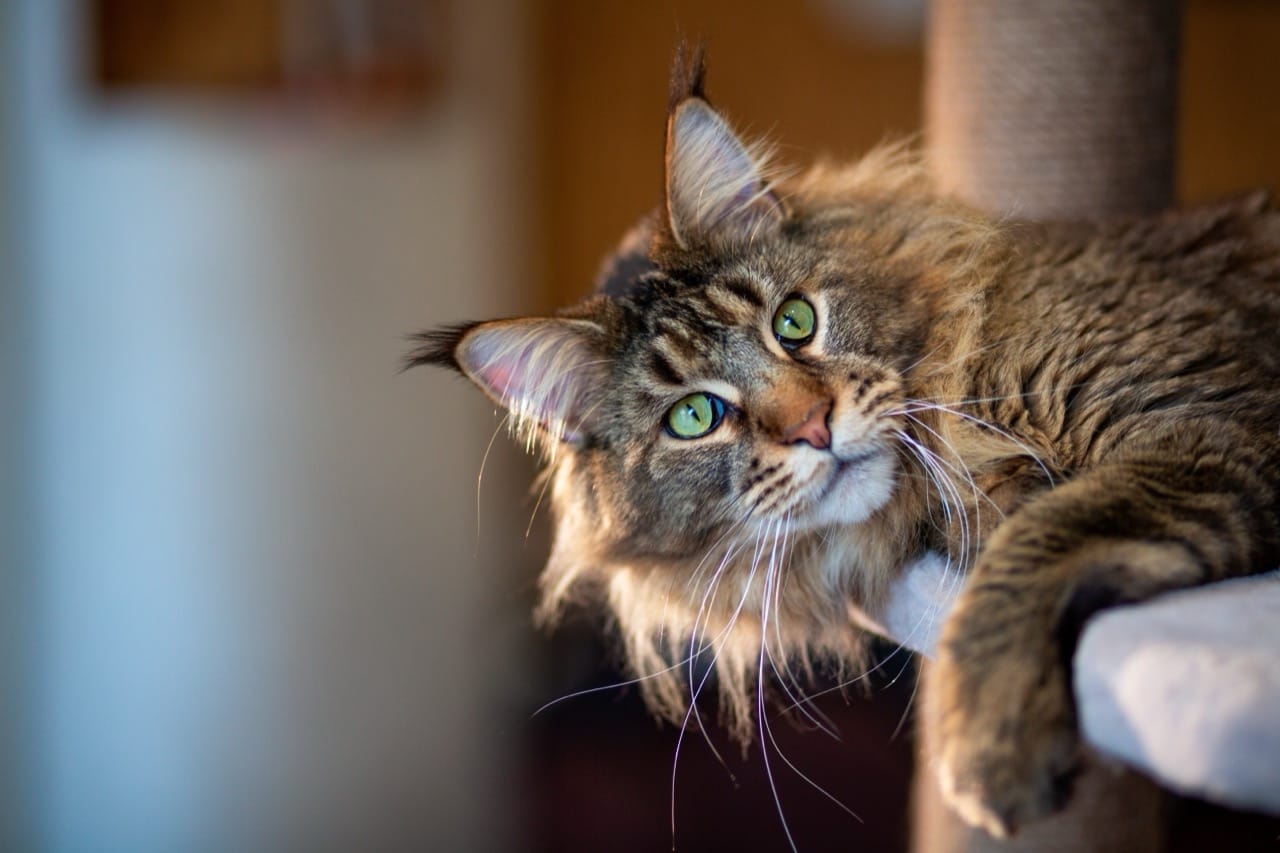
Enrichment prevents boredom and supports mental health. Short, frequent play sessions mimic hunting and can reduce nighttime chaos. Use wand toys, puzzle feeders, and treat hunts to engage their instincts. Provide vertical space like cat trees or shelves, because high perches help cats feel secure.
Conclusion Cats are independent, but not indifferent. When their environment supports their senses, routines, and natural behaviors, they become more relaxed and communicative companions. By reading body language, supporting proper diet and hydration, and offering scratching outlets and enrichment, you can turn everyday quirks into understandable messages. The result is a home where the quiet pawsteps and sudden zoomies make perfect sense.

.jpg "Truth or Tail Feline Mythbuster Quiz")