
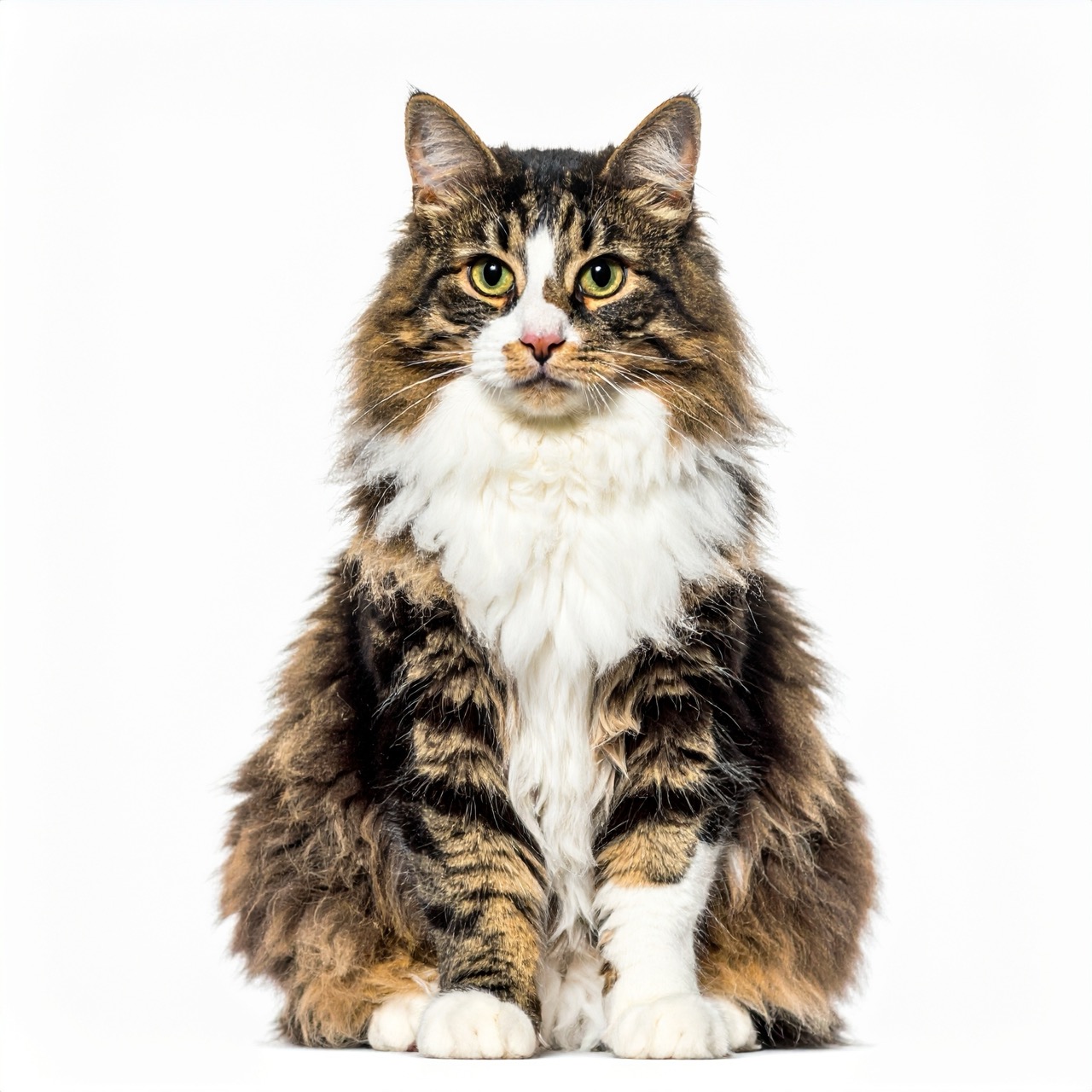




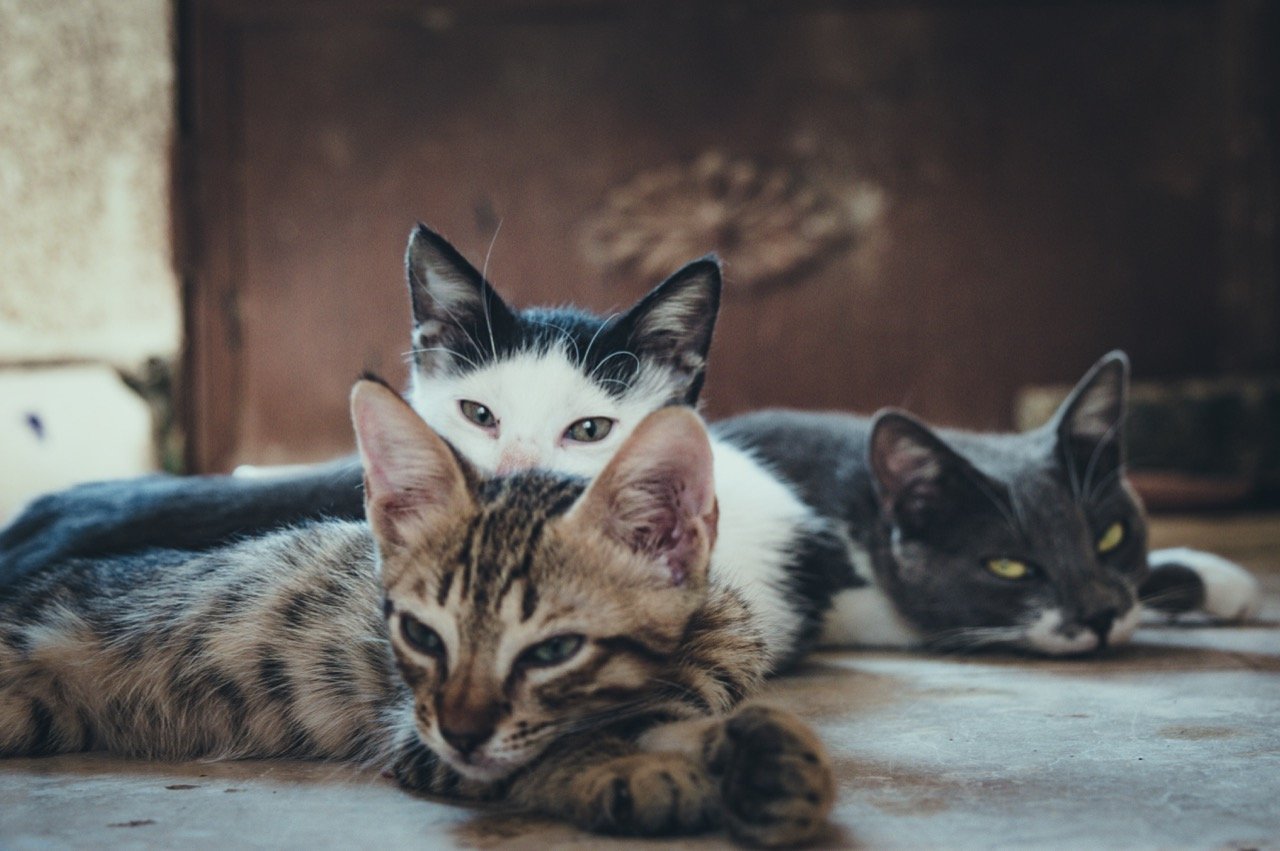


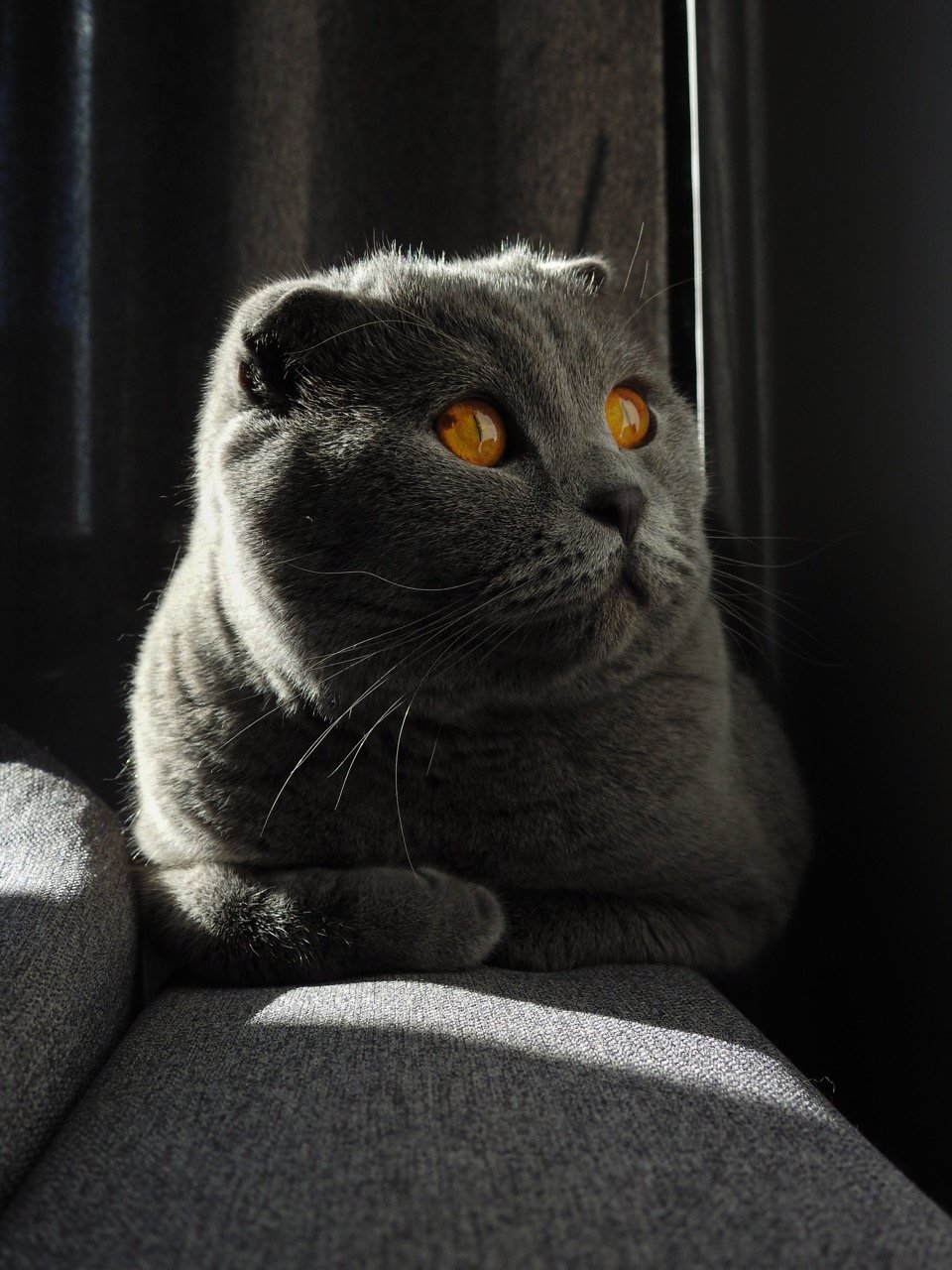

Introduction Cats can seem like living riddles: silent feet, sudden bursts of speed, and a stare that suggests they know more than they are saying. Behind the mystery is a highly specialized predator that adapted to live alongside humans while keeping much of its independence. Knowing a few core facts about cat biology, behavior, and care can make their actions less puzzling and help owners keep them healthier and safer.
Senses built for hunting A cat’s world is guided by scent, sound, and motion. Their hearing is especially sharp, helping them detect high pitched noises made by small prey. Their eyes are tuned for low light, which is why they often become more active at dawn and dusk. Cats do not see in total darkness, but they make excellent use of available light. Whiskers are not decoration: they are sensitive touch sensors that help a cat judge openings, detect nearby movement, and navigate in tight spaces. Whisker fatigue can even occur when whiskers repeatedly brush against the sides of narrow bowls, which is one reason some cats prefer wide, shallow dishes.
Why they knead, sprint, and stare Kneading with the front paws is a common comfort behavior that begins in kittenhood during nursing. Many adult cats knead when relaxed, sometimes while purring, as a leftover soothing habit. Sudden sprints, often called zoomies, can be a normal release of energy, especially for indoor cats that need more play and climbing opportunities. The famous stare can mean many things. A relaxed cat may blink slowly, which is often a friendly signal. A fixed stare with a tense body can be a warning. Context matters: look at the whole body rather than a single feature.
Body language you can actually read The tail is a quick mood indicator. A tail held upright usually signals confidence or friendly intent, while a puffed tail suggests fear or high arousal. Ears angled forward often mean curiosity; ears flattened sideways or back can signal stress. A cat that rolls onto its back is not always asking for a belly rub. Often it is showing trust while keeping all four paws ready to defend if needed. Respecting these signals prevents bites and builds better relationships.
Food facts and digestion basics Cats are obligate carnivores, meaning they rely on nutrients found naturally in animal tissues. They need taurine, arachidonic acid, and certain vitamins in forms that are difficult to obtain from plant based ingredients alone. Some human foods are risky. Onions and garlic can damage red blood cells, grapes and raisins can harm kidneys, and chocolate is dangerous due to stimulants. Many adult cats are lactose intolerant, so milk can cause digestive upset even if they like the taste. Fresh water matters, and some cats drink more readily from a flowing fountain.
Health and safety essentials Indoor life is generally safer, reducing risks from cars, fights, parasites, and infectious disease. Even indoor cats benefit from enrichment: play that mimics hunting, scratching posts, and vertical spaces. Regular veterinary care helps catch dental disease, kidney issues, and weight problems early. Hairballs are common, but frequent vomiting is not normal and should be discussed with a vet. Litter box habits are also health clues; sudden changes can indicate stress or medical problems. Finally, microchipping and secure collars can make a lifesaving difference if a cat slips outside.
Origins and adaptations Domestic cats likely descended from wildcats that lived near early farming settlements, where rodents were plentiful. Cats that tolerated people gained reliable hunting grounds, and humans benefited from pest control. Over time, cats became skilled at communicating with us, using meows more frequently with humans than with other cats, and learning which behaviors earn attention.
Conclusion The more you learn about cats, the less random their behavior seems. Their senses, bodies, and habits reflect a small predator designed for stealth, speed, and subtle communication. Understanding what they can eat, how they signal stress, and what they need to thrive turns everyday cat mysteries into readable clues. With a little knowledge, the whiskerless wisdom challenge becomes real world wisdom for living well with one of the most fascinating companions in the home.



.jpg "Truth or Tail Feline Mythbuster Quiz")