

Introduction Cats often look effortless as they leap to a shelf, slip through a narrow gap, or swivel an ear toward a sound you cannot hear. That ease can feel mysterious, but much of it is explainable through anatomy, sensory biology, and a long history of living alongside humans. Understanding how cats are built and where they came from turns everyday pet behavior into a set of fascinating clues.
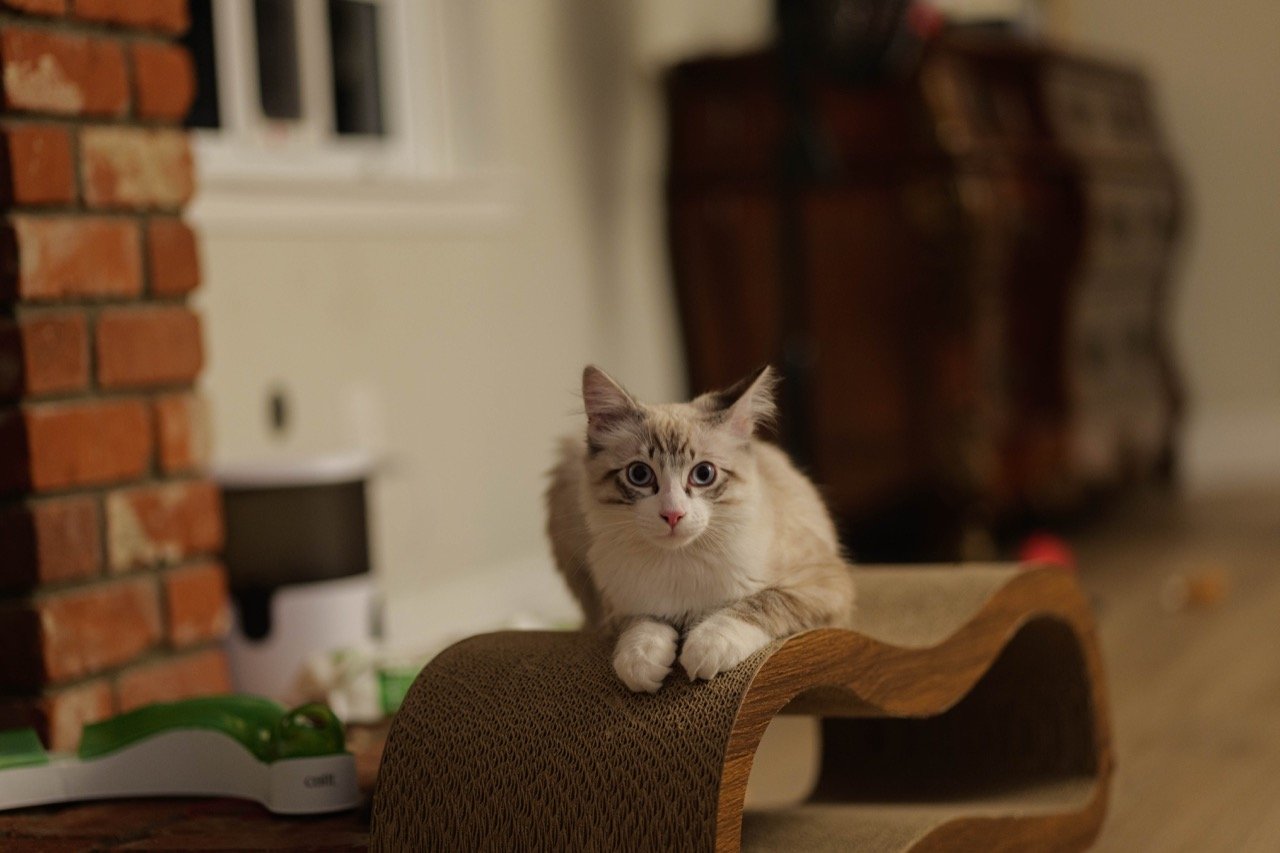
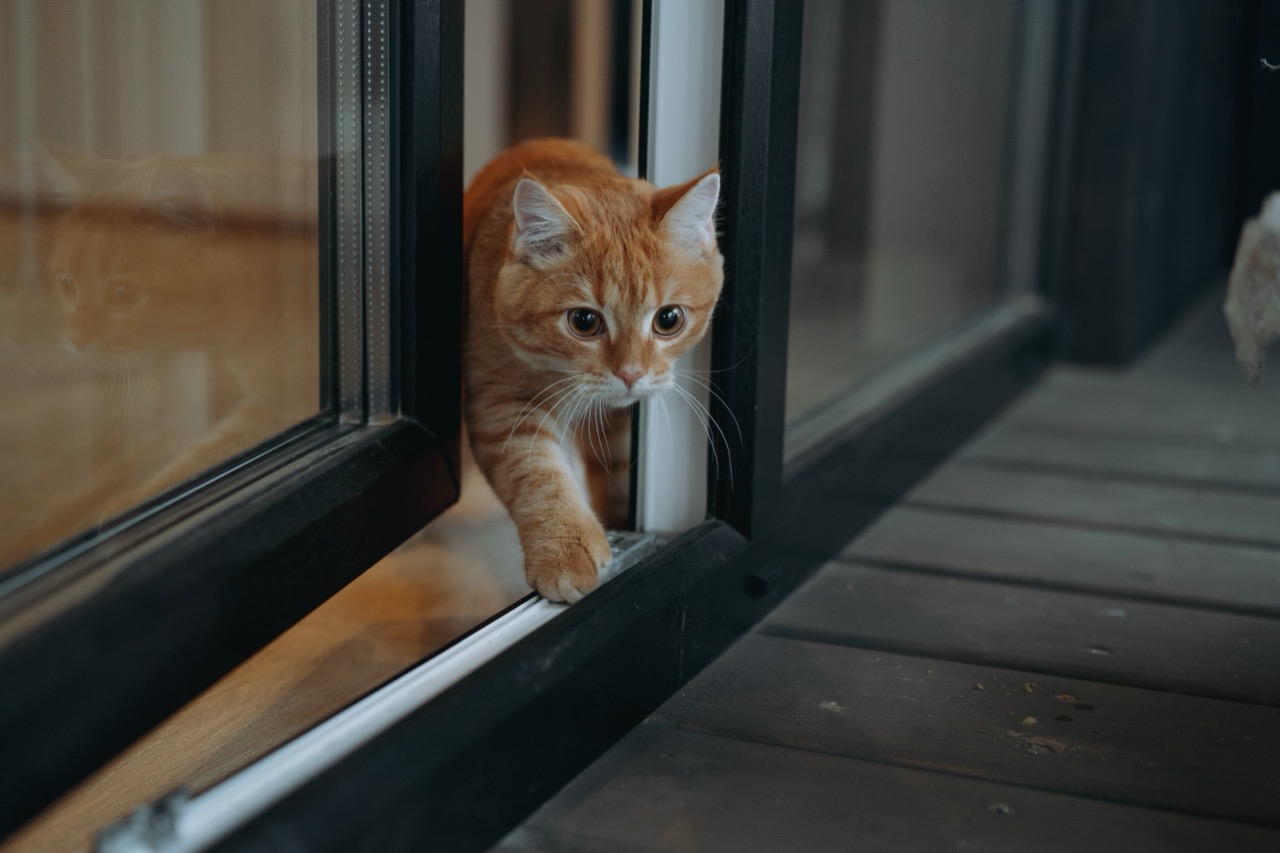
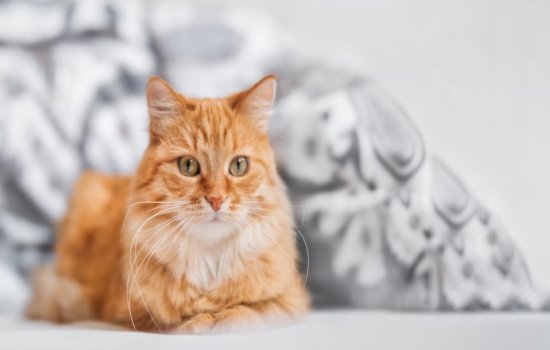
How a cat is engineered A cat’s whiskers are not just decorative hairs. They are specialized touch sensors rooted in follicles packed with nerves and blood supply. Whiskers help a cat judge openings, track air currents, and detect nearby movement, especially in low light. Many cats also have whisker like hairs above the eyes and on the forelegs, which can help with navigation and prey handling.
Cats are also built for precision movement. Their shoulder blades are not rigidly attached to the rest of the skeleton the way ours are. Instead, they are supported by muscle, which increases flexibility and stride length. Add a highly flexible spine and powerful hind legs, and you get explosive jumping and quick directional changes.
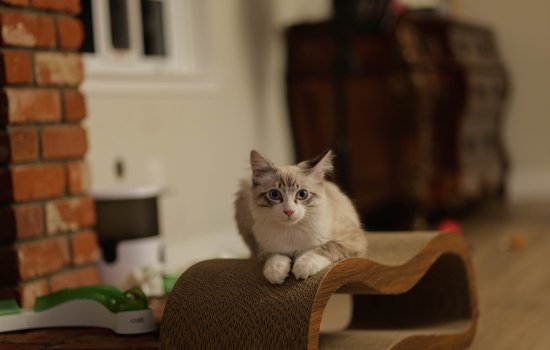
Claws are another key tool. Cat claws are retractable, which keeps them sharp and reduces noise while stalking. Retraction is controlled by tendons and ligaments, and when a cat relaxes, the claws are pulled back into a sheath. Scratching is not misbehavior by default. It maintains claw condition, stretches muscles, and leaves scent marks from glands in the paws.
Senses and misconceptions Cats do see well in dim conditions, but they do not see in total darkness. Their advantage comes from large pupils, a reflective layer behind the retina called the tapetum lucidum, and a high number of rod cells that detect light and motion. The trade off is that cats see less detail in low light and have limited color vision compared with humans. They can perceive some colors, especially in the blue and green range, but reds appear muted.
Hearing is one of their standout senses. A cat’s outer ear can rotate to pinpoint sound sources, and cats can detect higher frequencies than humans. This helps them locate small prey, even when it is hidden. Their sense of smell is also strong, and they use a special organ in the roof of the mouth, the vomeronasal organ, to analyze chemical signals. That is why you may see a cat pause with its mouth slightly open, a behavior called the flehmen response.
Purring is another area full of myths. Cats often purr when content, but they may also purr when stressed, injured, or seeking comfort. The mechanism involves rapid activation of muscles in the larynx, producing a vibration during both inhaling and exhaling. Some researchers have suggested that the frequency range of purring could have calming or healing effects, though the full picture is still being studied.
From desert hunters to household companions Modern domestic cats largely trace back to the African wildcat, a small predator adapted to arid environments. As humans began storing grain, rodents gathered, and wildcats that tolerated people gained a reliable food source. Over time, a loose partnership formed. Unlike many domestic animals, cats likely domesticated themselves by taking advantage of human settlements.
Genetics helps explain the variety we see today. Coat color and pattern are influenced by multiple genes, including those controlling pigment type, distribution, and striping. The familiar tabby patterns arise from developmental processes in the skin and hair follicles, guided by genetic signals. Many modern breeds are quite recent and were shaped by selective breeding for appearance, coat texture, or temperament.
Conclusion Cats are not magical, but they are remarkably specialized. Whiskers act like sensitive instruments, claws and spine enable athletic control, and senses tuned for hunting shape how cats experience a home. Their history is equally compelling: a practical alliance with humans that grew into companionship. The more you learn, the more those everyday cat moments start to look like science in action.
.jpg "Truth or Tail Feline Mythbuster Quiz")