

.jpg)

Introduction Cats can look like effortless lounge experts by day and stealthy hunters by night, but that calm surface hides a bundle of specialized biology and learned behavior. From their wildcat origins to the way they communicate with a slow blink, domestic cats are shaped by evolution, environment, and a long relationship with people. Understanding what makes them tick turns everyday moments, like a sudden sprint down the hallway, into clues about a remarkable predator living in your home.
From wild stalkers to sofa royalty Domestic cats trace their roots mainly to the African wildcat, a small solitary hunter that thrived near early farming communities where rodents gathered around stored grain. Cats that tolerated humans gained reliable hunting opportunities, and people benefited from pest control. Unlike many domesticated animals, cats largely kept their independent hunting style, which is why they can be affectionate yet still act like they are in charge of their own schedule.
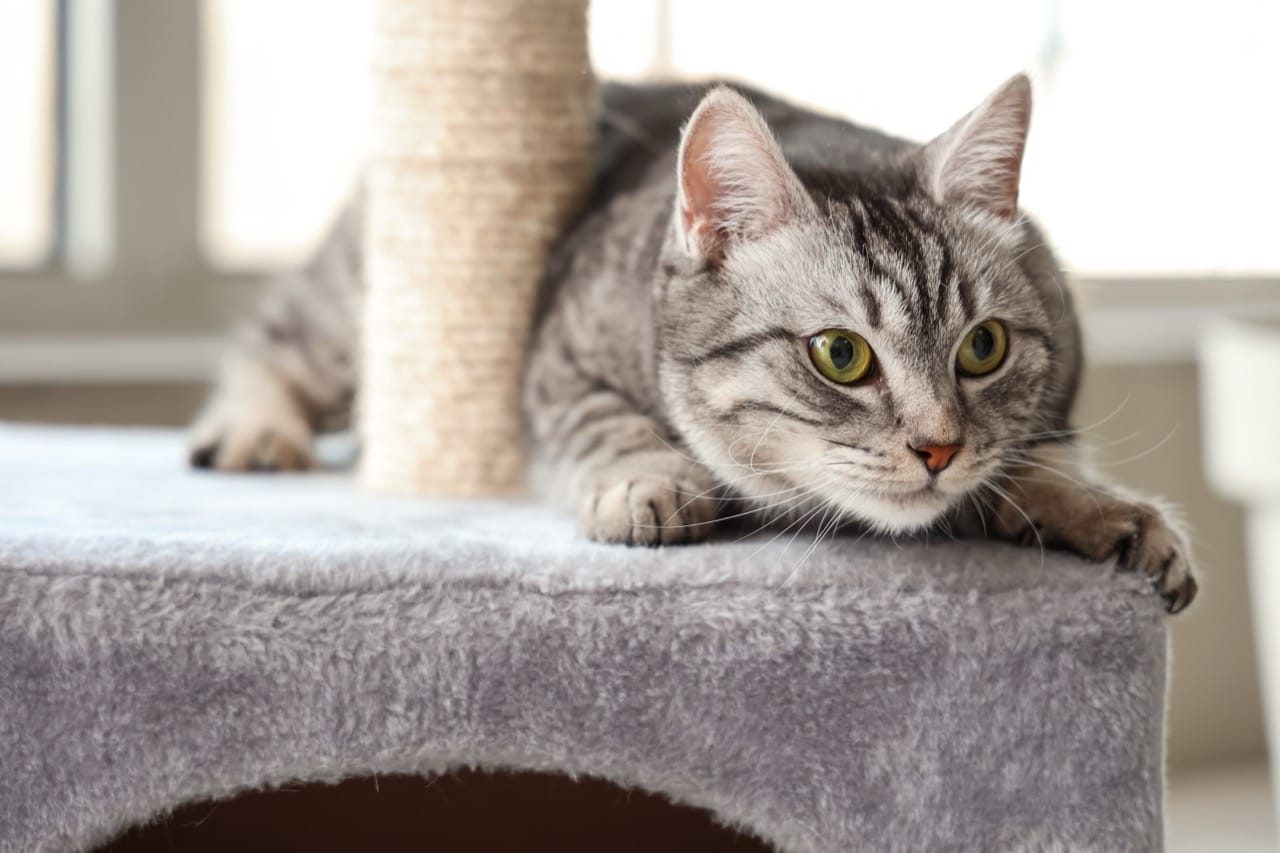
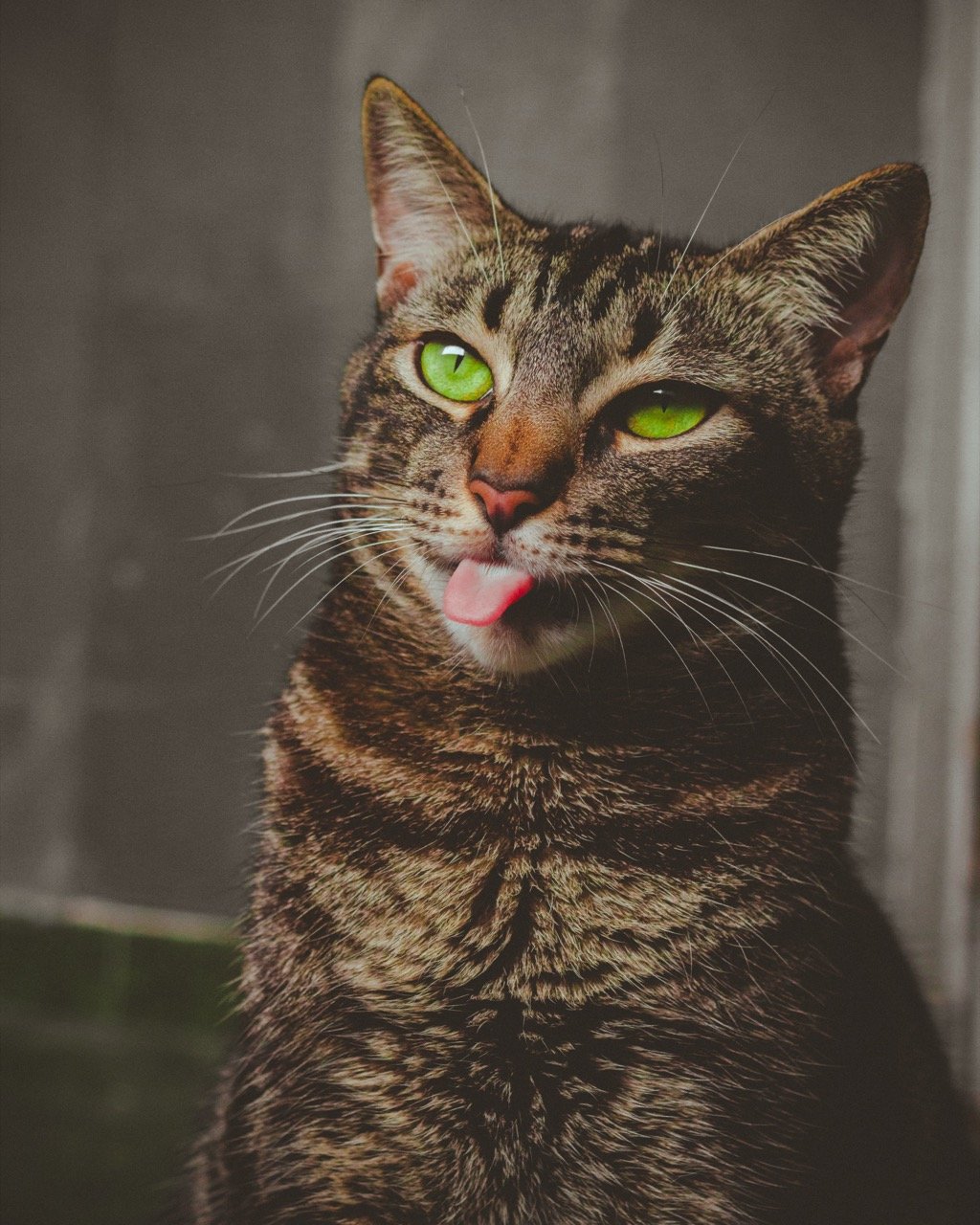
Night vision, flexible bodies, and whisker science Cats are built for low light. Their eyes have a reflective layer called the tapetum lucidum that bounces light back through the retina, improving sensitivity in dim conditions. Their pupils can narrow to thin slits in bright light and open wide at night, helping them handle a huge range of lighting. Even so, cats do not see in total darkness and still rely heavily on hearing and touch. A cat’s spine is unusually flexible, and its shoulder blades are not rigidly attached like ours. This allows a longer stride and quick changes of direction. Combined with powerful hind legs, it explains those impressive leaps onto high shelves. Whiskers are not just decorative. They are specialized sensory hairs connected to nerves and blood supply, acting like a radar system for navigating tight spaces and detecting subtle air currents. Many cats have whiskers above the eyes and on the back of the front legs as well, helping them judge gaps and track movement close to the body.
Communication: blinks, scents, and purrs Cats speak in a mix of body language and scent. A slow blink is often a friendly signal, something like a relaxed smile. Tail position, ear angle, and posture can reveal whether a cat is curious, confident, or overwhelmed. Scent marking is another major channel. Cats have scent glands on the cheeks, chin, and paws, and they use rubbing and scratching to leave messages. Urine marking can be part of territorial communication, stress, or social conflict, not simply misbehavior. Purring is famously linked with comfort, but it can also appear during pain, fear, or recovery. One idea is that purring helps a cat self soothe, while the low frequency vibrations may have calming effects. The key is context: a relaxed body and soft eyes suggest contentment, while tense posture or hiding suggests stress.
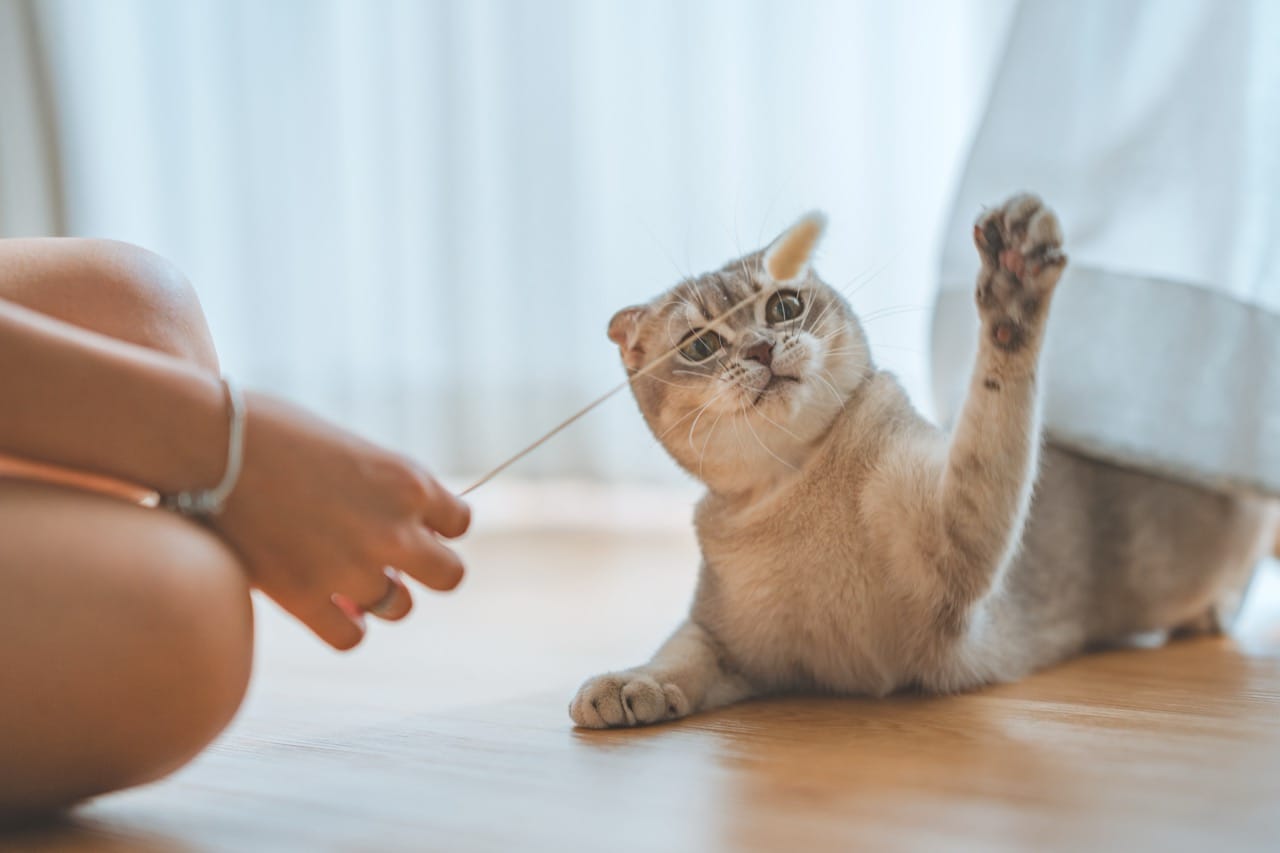
Why kneading and zoomies happen Kneading, the rhythmic pushing of paws, likely begins in kittenhood when nursing stimulates milk flow. Many adult cats keep the habit as a comforting behavior, especially on soft blankets or laps. It can also be a way to mark territory using scent glands in the paws. Those sudden bursts of speed, often called zoomies, can come from stored energy, hunting practice, or excitement. Indoor cats may sprint because their environment lacks the variety and challenges of the outdoors. Short play sessions that mimic prey, with stalking and pouncing, can reduce nighttime chaos and support healthy weight.
Breed history, coat genetics, and modern care Cat breeds are relatively recent compared with dog breeds, and many are defined by coat traits. Coat color and pattern come from genes that affect pigment type, distribution, and hair structure. For example, the colorpoint pattern seen in Siamese type cats is temperature sensitive, producing darker fur on cooler body parts like ears and paws. Good care respects a cat’s biology: regular veterinary visits, enrichment through play and climbing spaces, scratching options, and predictable routines. Because cats can hide illness, small changes in appetite, litter box habits, or grooming deserve attention.
Conclusion Cats are not just mysterious night prowlers or cute companions. They are finely tuned hunters with sophisticated senses, flexible bodies, and a communication system that includes blinks, scents, and sound. Learning the science behind their quirks makes their behavior feel less random and more like an understandable language. The more you notice the details, the more impressive your household hunter becomes.

.jpg "Truth or Tail Feline Mythbuster Quiz")