



Introduction Cats can look like effortless roommates, but their calm confidence hides a lot of specific needs. From how they drink water to why they scratch your couch, everyday choices shape a cat’s health and behavior. A little knowledge goes a long way, and it can prevent many of the problems people assume are just part of having a cat.
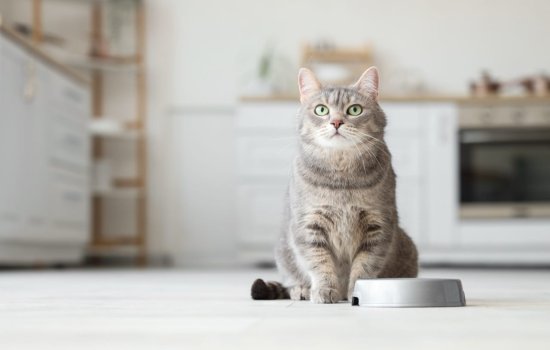
Food and water basics Cats are obligate carnivores, meaning their bodies are built to get key nutrients from animal sources. A complete and balanced commercial diet is usually the simplest route, but portion size matters. Overfeeding is a common issue, especially with indoor cats, and extra weight can raise the risk of diabetes, arthritis, and urinary trouble. Hydration is equally important. Many cats do not drink as much as you would expect, partly because their ancestors evolved to get moisture from prey. Wet food can help increase water intake. Some cats prefer running water, so a fountain can boost drinking. If your cat suddenly drinks far more or far less than usual, it is worth a veterinary check.
Litter box best practices Litter box problems are one of the top reasons cats lose their homes, yet many causes are fixable. A good rule is one box per cat plus one extra, placed in quiet, separate locations. Scoop daily and fully change litter as needed. Many cats dislike strong scents, so unscented litter is often better. If a cat starts urinating outside the box, do not assume spite. Stress, pain, and medical issues such as urinary tract disease can drive the behavior. Straining, frequent trips with little output, or crying in the box can signal an emergency, especially in male cats.
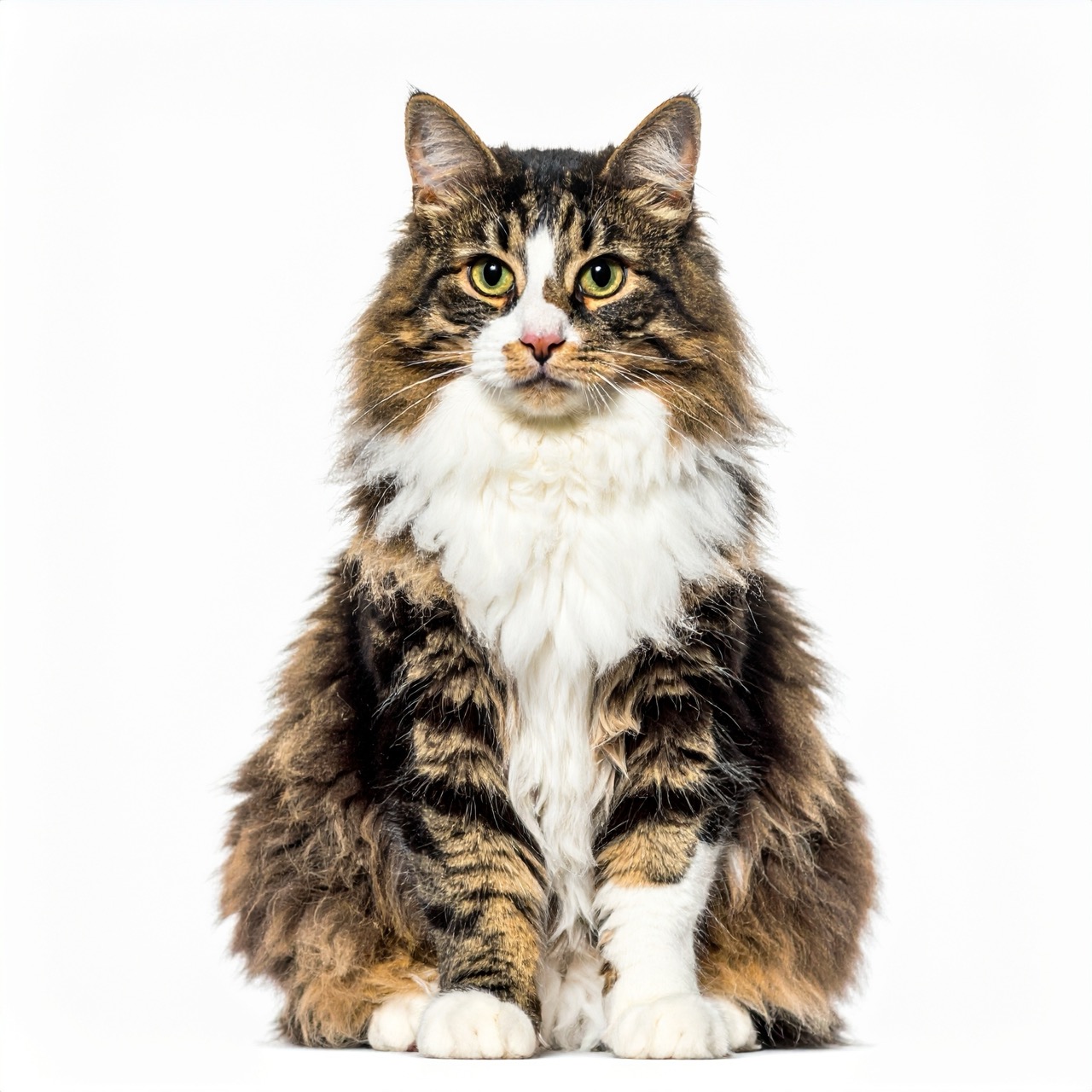
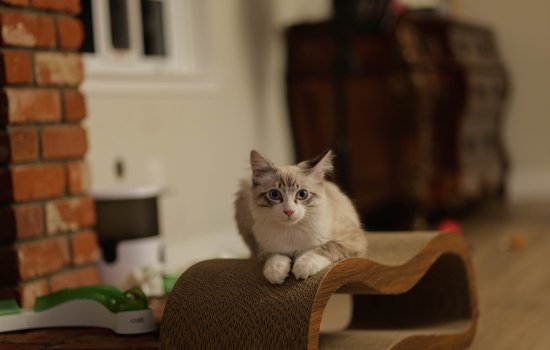
Grooming, scratching, and the body they live in Cats groom themselves, but they still benefit from regular brushing, especially long haired cats and heavy shedders. Brushing reduces hairballs and lets you spot skin issues, fleas, or tender spots. Nail trims can protect both furniture and skin, but scratching itself is normal and necessary. Scratching removes old nail layers, stretches the back and shoulders, and leaves scent marks from glands in the paws. To redirect scratching, offer sturdy posts in multiple textures and place them where the cat already likes to scratch. Reward use of the post and make the unwanted target less appealing.
Body language and communication Cats speak with posture, tail position, ears, and eyes. A relaxed cat often has a loose body and neutral tail. Slow blinking is a friendly signal. A tail held high can mean confidence, while a puffed tail, flattened ears, or a crouched body can mean fear or overstimulation. Purring is not always happiness; cats may purr when stressed or in pain. Watch the whole picture, not just one sound.
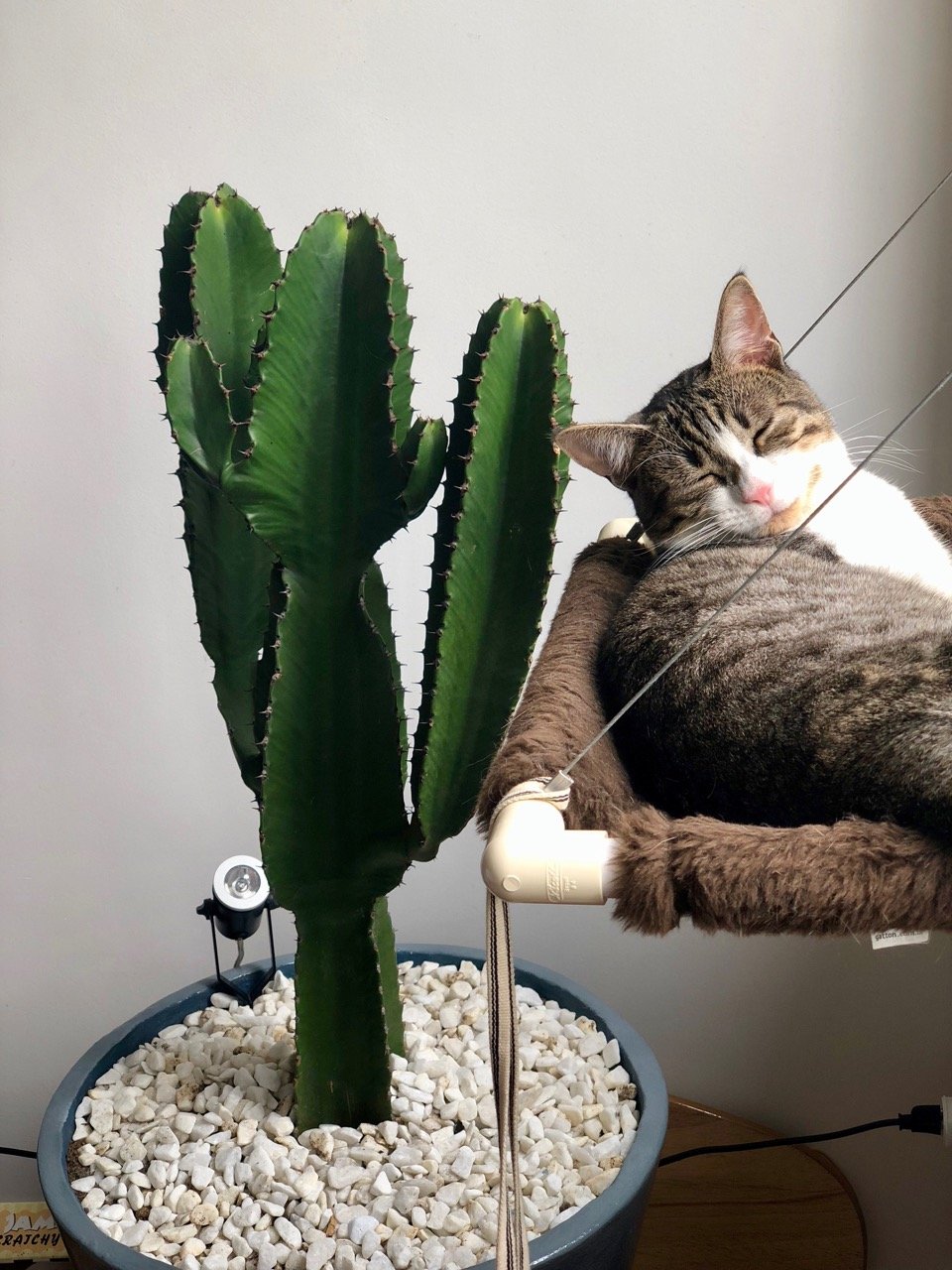
Safe, low stress home setups Cats thrive on routine and territory. Provide vertical spaces like shelves or cat trees, hiding spots, and predictable play sessions. Interactive play that mimics hunting can reduce boredom and nighttime zoomies. Keep toxic items out of reach, including lilies, many essential oils, and certain human medications. Secure windows and balconies, and store strings and small objects that can be swallowed.
Conclusion Good cat care is a mix of practical habits and respectful observation. When you support natural instincts like scratching and hunting play, keep the litter box inviting, and pay attention to subtle changes in eating, drinking, and behavior, you build a healthier and happier partnership. The best part is that every small improvement makes daily life smoother for both of you.

.jpg "Truth or Tail Feline Mythbuster Quiz")