





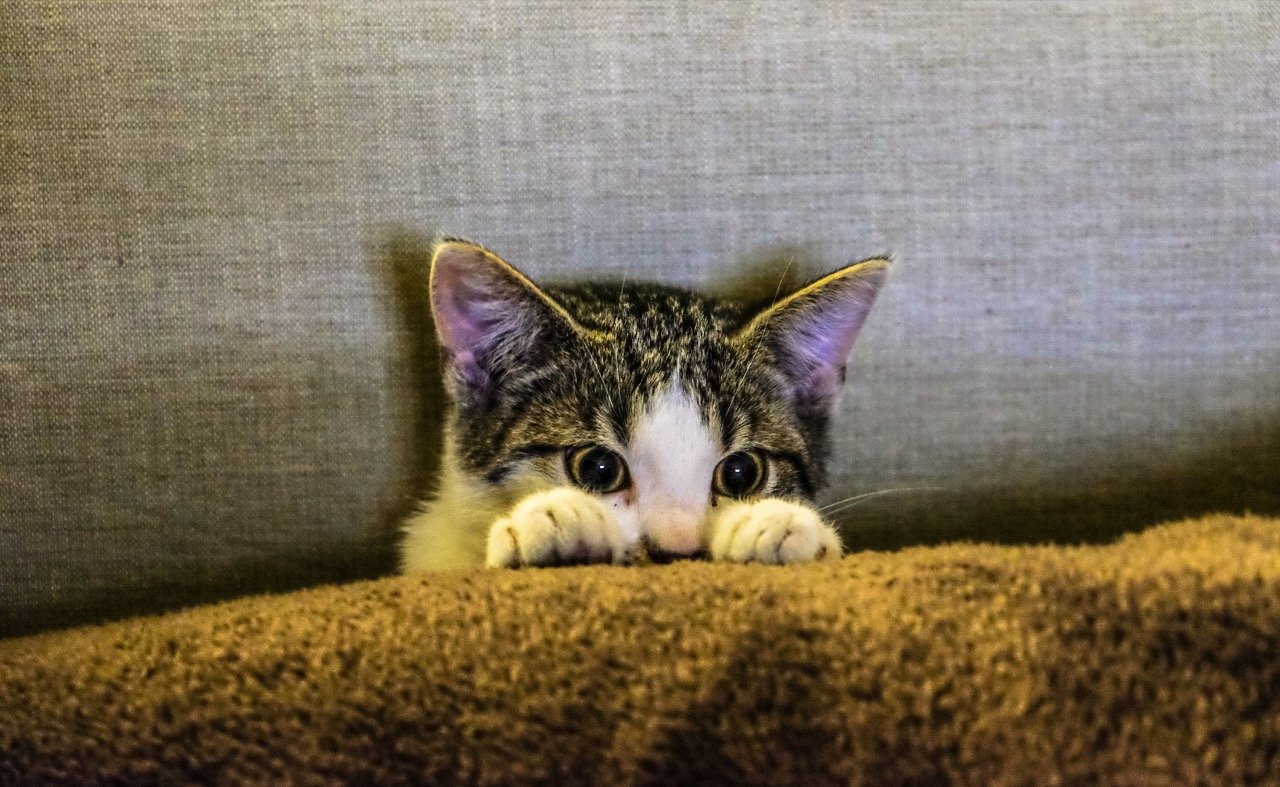





Introduction Cats can look effortless while doing things that would challenge most animals: leaping to narrow ledges, sleeping through chaos, then suddenly racing down the hallway as if late for an appointment. Those quirks are not random. They reflect a body and mind built for stealthy hunting, flexible movement, and subtle communication. Understanding a few key facts about cat biology and behavior can make everyday life with a cat easier and far more interesting.
Senses and tools: whiskers, nose, and night vision A cat’s whiskers are not just decoration. They are specialized sensory hairs that detect tiny changes in air movement and help a cat judge spaces. This is why a cat may hesitate at a narrow opening or seem to measure a jump with its face. Whiskers can also show mood: relaxed whiskers sit more to the side, while forward whiskers often signal interest or focused attention.
Cats rely heavily on scent. Their sense of smell guides food choices, territory awareness, and social information. When you see a cat rub its cheek on furniture or your leg, it is leaving scent from facial glands, marking you as familiar and safe.
Cats are famous for seeing in the dark, but they do not see in total darkness. Their eyes are adapted to low light with a reflective layer that boosts available light, which is why their eyes can shine at night. They are especially good at detecting motion, a useful skill for a hunter that targets quick, small prey.
Body engineering: balance, landing, and the tail’s role Cats often land on their feet thanks to a righting reflex that helps them rotate their body midair. This ability depends on a flexible spine, quick reflexes, and a strong sense of balance. The tail acts like a counterbalance during turns and jumps, helping stabilize the body. A cat without a full tail can still be agile, but may compensate with different body movements.
Communication: ears, eyes, and the language of small signals Cats communicate with subtlety. Ears are like directional antennas: forward ears suggest interest, sideways ears can indicate uncertainty, and flattened ears often signal fear or irritation. Slow blinking is commonly a sign of comfort and trust, while a fixed stare can be a challenge or intense focus.
Tail signals are often misunderstood. A tail held upright like a flag usually means friendly confidence. A puffed tail suggests fear or high arousal. A tail lashing back and forth can mean agitation, not playfulness. Paying attention to these cues helps you avoid unwanted scratches and makes interactions more pleasant.
Purring, meowing, and the truth about “happy sounds” Purring is often linked to contentment, such as during petting or napping. But purring can also happen when a cat is stressed, in pain, or trying to soothe itself. Context matters: a relaxed body, soft eyes, and gentle kneading suggest comfort, while hiding, tense posture, or reduced appetite alongside purring can point to discomfort and should be taken seriously.
Meowing is largely a cat to human behavior. Adult cats rarely meow at each other the way they do with people. Many cats develop specific meows to get results, from food to door opening. If a cat suddenly becomes much more vocal, it can be a sign of stress, boredom, or a health issue.
Instincts at home: midnight sprints and the need for routine Those sudden bursts of energy, often at dawn or late night, reflect a cat’s natural activity peaks. Cats are crepuscular, meaning they are most active around sunrise and sunset. Play sessions that mimic hunting, short and frequent, can reduce disruptive nighttime zoomies. Puzzle feeders, climbing spaces, and predictable routines also support a cat’s mental health.
A brief history: from wild hunters to household companions Domestic cats likely began their partnership with humans by hunting rodents near early farming settlements. Cats that tolerated people gained access to food and shelter, and over time a mutual relationship formed. Even today, the house cat carries the instincts of a small predator, which explains why a well fed cat may still stalk a toy with total seriousness.
Conclusion Cats are not mysterious so much as finely tuned. Their whiskers measure the world, their eyes and ears track detail, and their bodies are built for precision. Their signals are quiet but consistent once you know what to look for. Learning these basics turns everyday moments, a slow blink, a twitching tail, a sudden sprint, into a readable story about what your cat needs and how it experiences the world.





.jpg "Truth or Tail Feline Mythbuster Quiz")